


1. Introduction to Rose Hip Extract
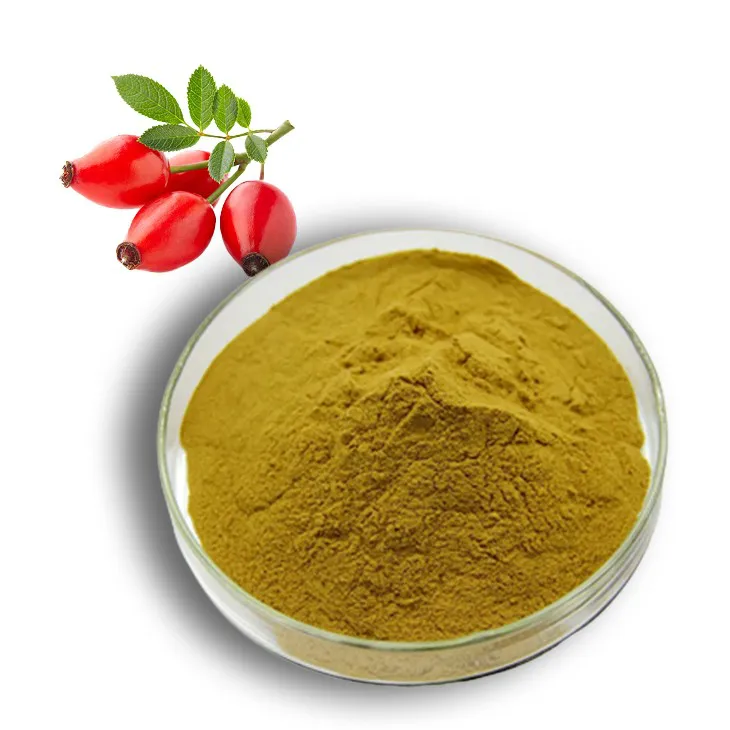
Rosehip extract has emerged as a highly sought - after product in recent times. Rosehip, which is the fruit of the rose plant, is a natural reservoir of a wide range of beneficial substances. It is replete with vitamins such as Vitamin C, which is known for its antioxidant properties and its role in maintaining healthy skin and a strong immune system. Additionally, it contains antioxidants that help in combating free radicals in the body, thereby reducing the risk of various diseases. The presence of essential fatty acids like omega - 3 and omega - 6 makes it valuable for maintaining good health. These components contribute to its popularity in different industries.
2. Applications in Different Industries
2.1 Cosmetic Industry
In the cosmetic realm, rosehip extract has become a staple ingredient. It offers multiple benefits for the skin. One of the primary functions is moisturizing the skin. It penetrates deep into the skin layers, providing long - lasting hydration. This helps in preventing dryness and making the skin look more supple and healthy. Another significant advantage is its ability to reduce wrinkles. The antioxidants present in the extract help in fighting the signs of aging by neutralizing free radicals that damage the skin cells. Moreover, it improves skin elasticity, which is crucial for maintaining a youthful appearance. As a result, it can be found in a wide variety of skincare products, including creams, lotions, and serums.
2.2 Pharmaceutical Industry
The pharmaceutical industry also recognizes the value of rosehip extract. It has anti - inflammatory properties, which make it useful in treating various conditions. For instance, it can be used to relieve joint pain. Many people suffering from arthritis or other joint - related problems have found relief through the use of products containing rosehip extract. It reduces the inflammation in the joints, thereby alleviating pain and improving mobility. Additionally, it can be beneficial in other inflammatory conditions as well, such as certain skin inflammations or digestive tract inflammations. Research is ongoing to explore its full potential in the field of medicine.

2.3 Food Industry
In the food industry, rosehip extract has found its place as well. It can be added to dietary supplements to enhance their nutritional value. Since it is rich in vitamins and essential fatty acids, it provides an extra boost of nutrients to those who take such supplements. It can also be incorporated into functional foods. These are foods that not only provide basic nutrition but also offer additional health benefits. For example, it could be added to energy bars or fortified juices to make them more nutritious and appealing to health - conscious consumers.
3. Role of Suppliers
Suppliers of rosehip extract play a vital role in ensuring the availability and quality of the product. Quality suppliers are meticulous about the sourcing of rosehips. They ensure that the rosehips are of high quality, which is the foundation for a good extract. This involves selecting the right variety of rose plants and ensuring that the fruits are harvested at the optimal time. Harvesting too early or too late can affect the quality and quantity of the beneficial compounds in the rosehips.
Once the rosehips are sourced, the suppliers also need to ensure that the extraction process is carried out properly. They use advanced extraction techniques to preserve the beneficial compounds present in the rosehips. These techniques may include solvent extraction, supercritical fluid extraction, or cold - press extraction. Each method has its own advantages, and the choice depends on various factors such as the desired end - product, cost, and environmental impact. For example, cold - press extraction is a more natural method that may be preferred for organic products as it does not involve the use of harsh chemicals.
Suppliers also have to adhere to strict quality control standards. This includes testing the raw materials (rosehips) for contaminants such as pesticides, heavy metals, and microbial contaminants. During the extraction process, they need to monitor parameters such as temperature, pressure, and extraction time to ensure consistent quality. After extraction, the final product is again tested for its potency, purity, and safety. Only products that meet the required quality standards are released for sale.
4. Role of Exporters
Exporters of rosehip extract face a different set of challenges and responsibilities. They need to be well - versed in international trade regulations. Different countries have different rules regarding the import and export of food - based products, cosmetics, and pharmaceuticals. For example, some countries may have strict labeling requirements, while others may have restrictions on certain ingredients. Exporters need to be aware of these regulations and ensure that their products comply with them. This may involve obtaining the necessary certifications, such as Good Manufacturing Practice (GMP) certifications for pharmaceutical products or organic certifications for products sourced from organic rosehips.
Logistics is another crucial aspect for exporters. They need to ensure that the rosehip extract reaches its destination in a timely and compliant manner. This involves proper packaging to protect the product from damage during transportation. They also need to choose the right shipping method, whether it is air freight for faster delivery or sea freight for more cost - effective transportation. Additionally, they need to manage customs clearance procedures efficiently to avoid delays. Temperature - controlled storage and transportation may be required for some products, especially those that are sensitive to heat or cold.
Building strong relationships with international buyers is essential for exporters. This involves effective communication, providing excellent customer service, and being responsive to the needs of the buyers. Exporters may need to participate in international trade fairs and exhibitions to showcase their products and meet potential buyers. They also need to be able to offer competitive prices while maintaining the quality of the product. By establishing good relationships, they can increase their market share and promote the sale of rosehip extract globally.
5. Market Growth and Future Prospects
The market for rosehip extract suppliers and exporters is growing steadily. There are several factors driving this growth. One of the main factors is the increasing demand for natural and effective products. Consumers are becoming more health - conscious and are looking for alternatives to synthetic products. Rosehip extract, being a natural product with multiple health and beauty benefits, fits well into this trend. Additionally, the growing awareness about the potential of plant - based products in various industries, such as cosmetics and pharmaceuticals, is also contributing to its increased demand.
Research on rosehip extract is also on the rise. Scientists are constantly exploring new applications and benefits of this extract. As more research is published, it further validates the value of rosehip extract, which in turn drives its market growth. For example, new studies may discover additional health benefits or more efficient extraction methods, which can lead to the development of new products or improvement in existing ones.
In the future, the market for rosehip extract is expected to continue its growth trajectory. However, there may also be challenges. One challenge could be the availability of high - quality rosehips. As the demand increases, there may be a need to ensure sustainable harvesting practices to protect the rose plant populations. Another challenge could be competition from other natural products. To stay competitive, suppliers and exporters will need to focus on product quality, innovation, and building strong brand identities.
6. Conclusion
In conclusion, rosehip extract is a valuable product with a wide range of applications in the cosmetic, pharmaceutical, and food industries. Suppliers and exporters play crucial but distinct roles in making this product available globally. Suppliers are responsible for ensuring the quality of the extract through proper sourcing and extraction processes, while exporters need to navigate international trade regulations and logistics to deliver the product to international markets. The market for rosehip extract is growing steadily, driven by the demand for natural products and ongoing research. However, to ensure its long - term success, stakeholders need to address challenges such as sustainable sourcing and competition. Overall, rosehip extract has a bright future in the global market, and its suppliers and exporters are key players in realizing its full potential.
FAQ:
What are the main health benefits of rosehip extract?
Rosehip extract is rich in vitamins, antioxidants, and essential fatty acids. It has anti - inflammatory properties, which can be used to relieve joint pain and other inflammatory conditions. In the cosmetic field, it helps in moisturizing the skin, reducing wrinkles, and improving skin elasticity.
How do suppliers ensure the quality of rosehip extract?
Quality suppliers ensure that the product is sourced from high - quality rosehips and processed under strict quality control standards. They use advanced extraction techniques to preserve the beneficial compounds.
What are the requirements for exporters of rosehip extract?
Exporters need to be well - versed in international trade regulations and logistics to ensure that the product reaches its destination in a timely and compliant manner. They also need to build strong relationships with international buyers to promote the sale of rosehip extract.
In which industries is rosehip extract mainly used?
Rosehip extract is mainly used in the cosmetic, pharmaceutical, and food industries. In the cosmetic field, it is used in skincare products. In pharmaceuticals, it can be used for its anti - inflammatory properties. In the food industry, it can be added to dietary supplements or functional foods.
Why is the market for rosehip extract suppliers and exporters growing?
The market for rosehip extract suppliers and exporters is growing steadily because of the increasing demand for natural and effective products.
Related literature
- The Health Benefits of Rosehip Extract: A Comprehensive Review"
- "Rosehip Extract in Cosmetics: Properties and Applications"
- "Quality Control in Rosehip Extract Production and Export"


-

Tongkat Ali Extract Powder
2024-12-05
-

Ginseng Root Extract
2024-12-05
-

Cat Claw Extract
2024-12-05
-

Milk Thistle Extract
2024-12-05
-

Red Yeast Rice
2024-12-05
-

Calendula Extract
2024-12-05
-

American Ginseng Root Extract
2024-12-05
-

Citrus bioflavonoids
2024-12-05
-

Hedyotis Diffusa Extract
2024-12-05
-

Wheat Germ Extract
2024-12-05