


1. Introduction
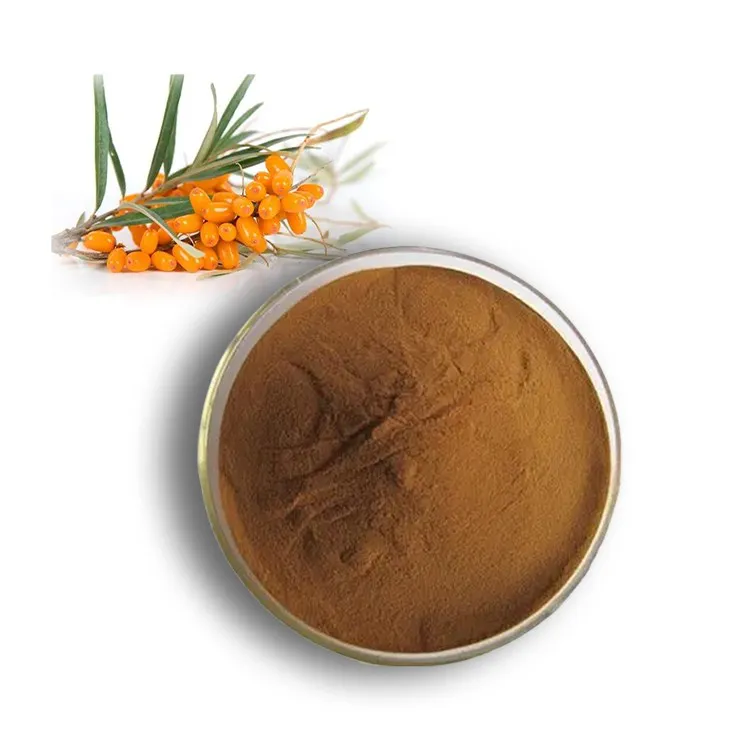
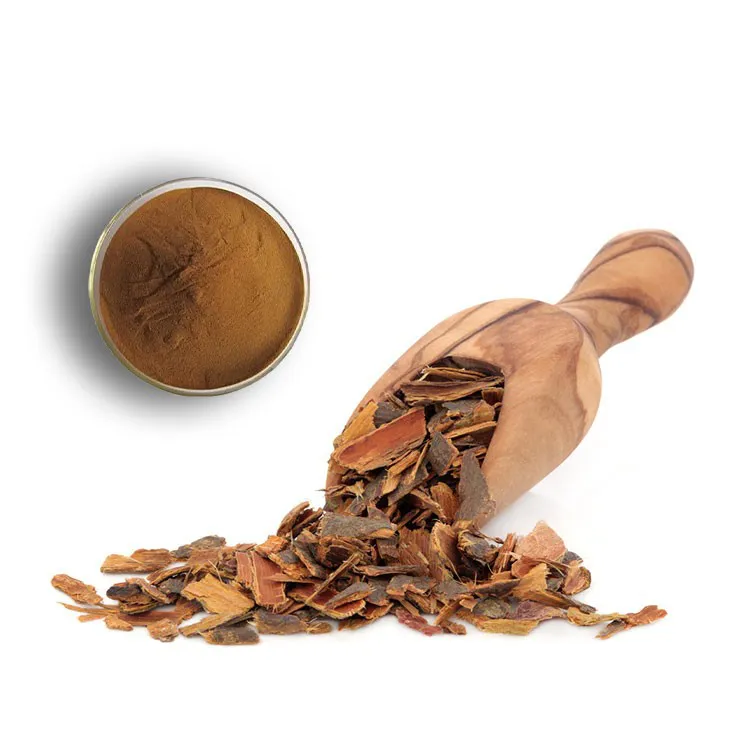
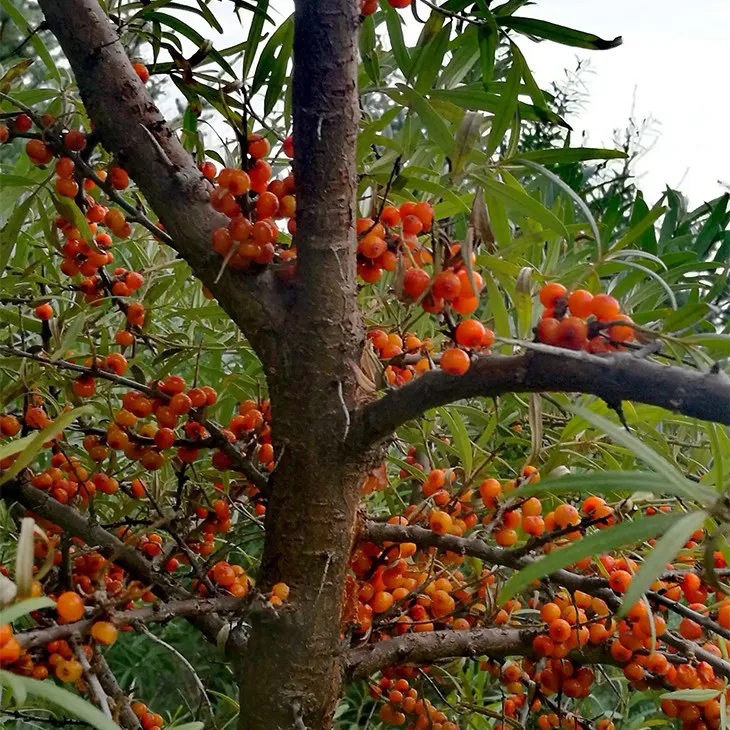
Seabuckthorn (Hippophae rhamnoides), a plant native to Asia and Europe, has been recognized for its numerous beneficial properties. While the fruits of seabuckthorn have been widely studied and utilized, the bark also contains valuable components. SeaBuckthorn bark extract is emerging as a promising natural product with a wide range of applications. This article will explore the composition of seaBuckthorn bark extract and its diverse applications in various fields.
2. Composition of SeaBuckthorn bark extract
2.1 Flavonoids
Flavonoids are one of the major groups of bioactive compounds in seaBuckthorn bark extract. Flavonoids play crucial roles in many biological processes. They possess antioxidant properties, which can scavenge free radicals and protect cells from oxidative damage. Different types of flavonoids, such as Quercetin, Rutin, and kaempferol, have been identified in seabuckthorn bark. These flavonoids contribute to the overall antioxidant activity of the extract and may also have anti - inflammatory effects.
2.2 Phenolic Compounds
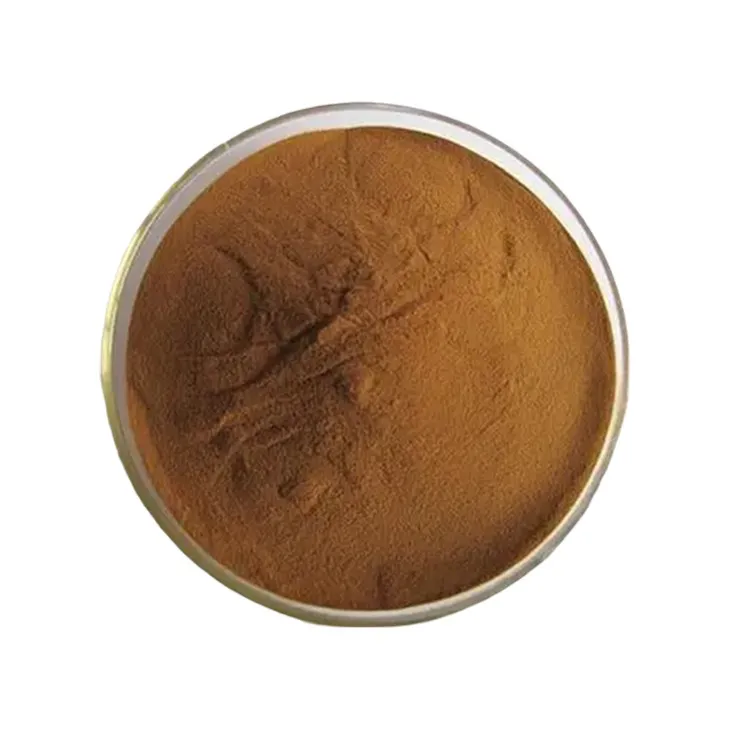
Another important class of components in seaBuckthorn bark extract is phenolic compounds. Phenolic compounds are known for their antioxidant and antimicrobial activities. They can inhibit the growth of harmful bacteria and fungi. In seabuckthorn bark, phenolic acids like caffeic acid, ferulic acid, and chlorogenic acid are present. These phenolic compounds work together with flavonoids to enhance the biological activity of the extract.
2.3 Other Components
SeaBuckthorn bark extract also contains other substances. For example, it contains tannins, which have astringent properties. Tannins can help in wound healing and have some antibacterial effects. Additionally, there are certain sterols and triterpenoids in the extract. These compounds may play a role in modulating the immune system and have potential anti - cancer properties, although more research is needed in this area.
3. Applications in the Medical Field
3.1 Antioxidant Properties
The antioxidant activity of seaBuckthorn bark extract is of great significance in the medical field. Oxidative stress is associated with many diseases, including cardiovascular diseases, neurodegenerative disorders, and cancer. The flavonoids and phenolic compounds in the extract can neutralize free radicals, reducing the damage to cells and tissues. By reducing oxidative stress, seaBuckthorn bark extract may help in the prevention and treatment of these diseases. For example, in cardiovascular diseases, it may prevent the oxidation of low - density lipoproteins (LDL), which is a key step in the development of atherosclerosis.
3.2 Anti - Inflammatory Effects
SeaBuckthorn bark extract has shown anti - inflammatory properties. Inflammation is a natural response of the body to injury or infection, but chronic inflammation can lead to various diseases. The extract can inhibit the production of inflammatory mediators such as cytokines and prostaglandins. This anti - inflammatory effect can be beneficial in treating conditions like arthritis, where inflammation in the joints causes pain and reduced mobility. It may also be useful in inflammatory bowel diseases, reducing the inflammation in the intestinal tract.
3.3 Potential in Preventing Diseases
Due to its antioxidant and anti - inflammatory properties, seaBuckthorn bark extract has potential in preventing a wide range of diseases. In addition to cardiovascular and neurodegenerative diseases mentioned above, it may also play a role in preventing diabetes. High - glucose levels in diabetes can cause oxidative stress and inflammation, and the extract may help in alleviating these problems. Moreover, it may have a preventive effect on certain types of cancers by inhibiting the growth and proliferation of cancer cells through its antioxidant and anti - inflammatory mechanisms.
4. Applications in Cosmetics
4.1 Promoting Skin Health
SeaBuckthorn bark extract is increasingly used in cosmetics for promoting skin health. The antioxidant properties of the extract can protect the skin from environmental damage, such as damage from ultraviolet (UV) radiation and pollution. It can also stimulate collagen production in the skin. Collagen is essential for maintaining the elasticity and firmness of the skin. By promoting collagen synthesis, seaBuckthorn bark extract can help in reducing wrinkles and fine lines, making the skin look younger. Additionally, its anti - inflammatory properties can soothe irritated skin, making it suitable for use in products for sensitive skin.
4.2 Hair Care
The extract also has potential applications in hair care. It can nourish the hair follicles, promoting hair growth. It may also improve the quality of the hair by making it stronger and shinier. For example, the flavonoids and other nutrients in the extract can penetrate into the hair shaft, strengthening the hair structure from the inside. This can reduce hair breakage and split ends, resulting in healthier - looking hair.
5. Applications in Agriculture
5.1 Plant Growth Regulation
SeaBuckthorn bark extract has shown potential as a plant growth regulator. It can influence various aspects of plant growth. For example, it can enhance seed germination. By treating seeds with the extract, the germination rate can be increased, which is beneficial for crop production. It can also promote root growth. A stronger root system can help plants absorb more water and nutrients from the soil, making them more resistant to drought and nutrient deficiency. Moreover, the extract can influence the growth of shoots, increasing the overall biomass of the plants.
5.2 Pest and Disease Resistance
The antimicrobial and antioxidant properties of seaBuckthorn bark extract can also contribute to pest and disease resistance in plants. It can inhibit the growth of plant - pathogenic fungi and bacteria. This can reduce the incidence of plant diseases, such as fungal infections on leaves or roots. Additionally, some components in the extract may act as natural repellents against pests. By using seaBuckthorn bark extract in agriculture, it may be possible to reduce the use of chemical pesticides and fungicides, which is more environmentally friendly.
6. Conclusion
SeaBuckthorn bark extract is a natural product rich in bioactive components such as flavonoids and phenolic compounds. It has a wide range of applications in the medical field, cosmetics, and agriculture. In the medical field, its antioxidant and anti - inflammatory properties offer potential in disease prevention and treatment. In cosmetics, it promotes skin and hair health. In agriculture, it can regulate plant growth and enhance pest and disease resistance. However, more research is still needed to fully understand its mechanisms of action and to explore its potential applications further. With further research and development, seabuckthorn bark extract is likely to become an even more valuable natural resource in the future.
FAQ:
What are the main bioactive components in seaBuckthorn bark extract?
The main bioactive components in seaBuckthorn bark extract include flavonoids, phenols, etc.
How does seaBuckthorn bark extract show antioxidant properties in the medical field?
SeaBuckthorn bark extract contains certain substances such as flavonoids. These substances can scavenge free radicals in the body, which helps prevent oxidative damage to cells and thus shows antioxidant properties.
What are the applications of seaBuckthorn bark extract in cosmetics?
In cosmetics, seaBuckthorn bark extract can promote skin health. It may help in moisturizing, reducing inflammation on the skin, and improving the overall appearance of the skin.
How can seaBuckthorn bark extract regulate plant growth in agriculture?
SeaBuckthorn bark extract contains some components that can interact with plants' physiological processes. It may influence plant hormones or nutrient uptake, thus showing potential in regulating plant growth, such as promoting root development or enhancing plant resistance.
Is seaBuckthorn bark extract safe for use in different applications?
Generally, seaBuckthorn bark extract is considered safe for use in various applications. However, like any natural product, it is necessary to ensure proper extraction and processing methods are used, and appropriate safety tests should be carried out in different application scenarios.
Related literature
- Antioxidant and Anti - Inflammatory Properties of Seabuckthorn (Hippohgae rhamnoides L.)"
- "SeaBuckthorn bark extract: A Promising Natural Ingredient for Cosmetics"
- "The Role of SeaBuckthorn bark extract in Plant Growth Regulation"


-

L-Arginine alpha-ketoglutarate
2024-12-20
-

Vitamin K2
2024-12-20
-

Gynostemma pentaphyllum extract
2024-12-20
-

Chaste Berry Extract
2024-12-20
-

Saffron Extract Powder
2024-12-20
-

Bromelain
2024-12-20
-

American Ginseng Root Extract
2024-12-20
-

Giant Knotweed Extract
2024-12-20
-

Panax Ginseng Leaf Extract
2024-12-20
-

Mangosteen extract powder
2024-12-20