


1. Introduction
In the world of sports, athletes and fitness enthusiasts are constantly seeking ways to optimize their performance, accelerate recovery, and strengthen their overall resistance. Astaxanthin, a powerful natural antioxidant, has emerged as a promising compound in the field of sports nutrition. This pigment, which is found in certain microorganisms, algae, and crustaceans, offers a range of potential benefits that can help meet the specific requirements of those engaged in sports activities.
2. Astaxanthin: A Potent Antioxidant
Antioxidants play a crucial role in the body, especially for those involved in sports. During exercise, the body's metabolic rate increases, leading to the production of more free radicals. These free radicals can cause oxidative damage to cells, including muscle cells, which can in turn affect performance and recovery.
Astaxanthin has been shown to be a highly effective antioxidant. It has a unique molecular structure that allows it to scavenge free radicals more efficiently compared to other antioxidants. This ability to neutralize free radicals helps to protect cells from oxidative stress, reducing the risk of damage to muscle tissue and other vital organs.
3. Astaxanthin and Muscle Function
3.1 Protection Against Oxidative Damage
Intense exercise can lead to an increase in oxidative stress within muscle cells. This oxidative stress can disrupt normal muscle function and may contribute to muscle fatigue. Astaxanthin's antioxidant properties can help to counteract this oxidative damage, thereby maintaining muscle integrity and function.
For example, in a study on athletes undergoing high - intensity training, those who supplemented with Astaxanthin showed reduced markers of oxidative damage in their muscle tissue compared to those who did not. This suggests that Astaxanthin can play a role in protecting muscle cells during strenuous exercise.
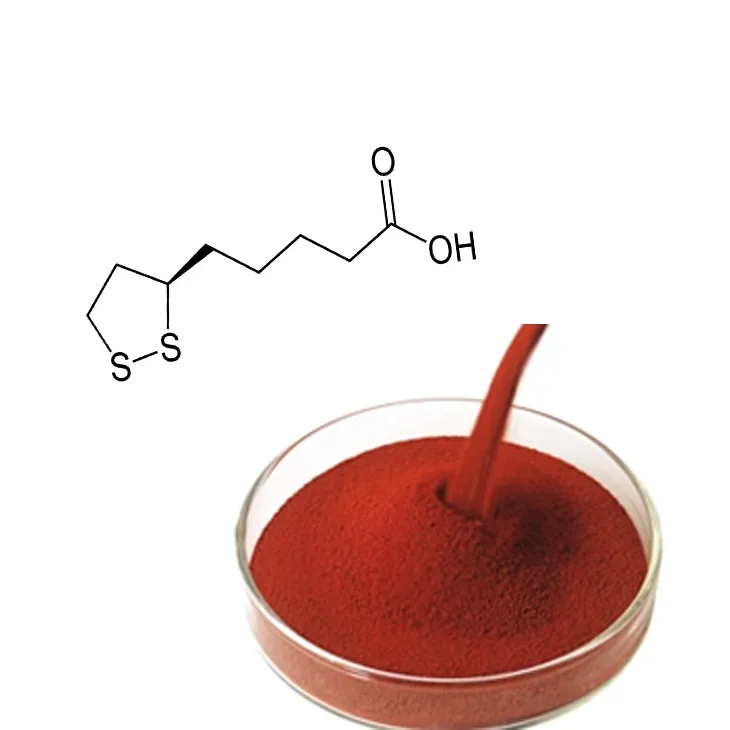
3.2 Muscle Recovery
In addition to protecting muscle function during exercise, Astaxanthin can also aid in muscle recovery post - workout. After exercise, the body needs to repair and rebuild muscle tissue that has been damaged during the workout.
Astaxanthin may enhance the body's natural repair mechanisms by reducing inflammation and oxidative stress. By doing so, it can help athletes to recover more quickly from muscle soreness and fatigue, allowing them to return to training sooner.
4. Astaxanthin and the Immune System
A strong immune system is essential for athletes, as they are often exposed to various stressors during training and competition. These stressors can weaken the immune system, making athletes more susceptible to illness and infection.
Astaxanthin has been shown to have immunomodulatory effects. It can enhance the function of immune cells, such as macrophages and lymphocytes, which play a key role in the body's defense against pathogens.
By strengthening the immune system, Astaxanthin can help athletes to stay healthy during intense training periods, reducing the risk of illness - related disruptions to their training schedules.
5. Astaxanthin Supplementation in Sports Nutrition

5.1 Dosage Considerations
When considering Astaxanthin supplementation in sports nutrition, dosage is an important factor. The optimal dosage may vary depending on factors such as the individual's body weight, the intensity of their exercise routine, and their overall health status.
Currently, research suggests that a daily dosage in the range of 4 - 12 mg may be effective for most athletes. However, it is always advisable to consult with a healthcare professional or a sports nutritionist before starting any new supplementation regime.

5.2 Forms of Astaxanthin
Astaxanthin is available in different forms, including natural and synthetic forms. Natural Astaxanthin is typically derived from sources such as microalgae, while synthetic Astaxanthin is produced chemically.
Although both forms have antioxidant properties, some studies suggest that natural Astaxanthin may be more bioavailable and have a more favorable safety profile. Therefore, many sports nutrition products prefer to use natural Astaxanthin as an ingredient.
6. Conclusion
Astaxanthin has significant potential in the field of sports nutrition. Its antioxidant properties can help to protect muscle function, aid in muscle recovery, and strengthen the immune system, all of which are crucial for athletes and fitness enthusiasts. As research in this area continues to expand, the role of Astaxanthin in meeting the various requirements of sports nutrition is likely to become even more clearly defined.
However, it is important to note that while Astaxanthin can be a valuable addition to a sports nutrition regimen, it should not be considered a substitute for a balanced diet, regular exercise, and proper rest. By incorporating Astaxanthin supplementation into a comprehensive approach to sports health, individuals can potentially enhance their performance, recovery, and overall well - being.
FAQ:
What are the main benefits of Astaxanthin in sports nutrition?
Astaxanthin has several main benefits in sports nutrition. Firstly, it has potent antioxidant capabilities which help prevent oxidative damage in muscles during strenuous workouts, thus maintaining muscle function. Secondly, it can improve the immune system, enabling athletes to stay in good condition during intense training seasons.
How does Astaxanthin help in preventing oxidative damage to muscles?
Oxidative damage to muscles often occurs during intense exercise. Astaxanthin, with its strong antioxidant properties, can neutralize free radicals that are generated during exercise. By doing so, it reduces the oxidative stress on muscle cells and helps in maintaining their normal function.
Can Astaxanthin really enhance the immune system for athletes?
Yes, it can. Astaxanthin has the ability to modulate the immune system. It can stimulate certain immune cells and enhance the body's defense mechanisms. For athletes, especially during intense training when the immune system may be under stress, Astaxanthin can help keep the immune system functioning well.
How should Astaxanthin be taken for sports nutrition?
The dosage and form of Astaxanthin intake for sports nutrition may vary. It can be taken in supplement form. However, it is important to follow the recommended dosage guidelines. Some people may take it daily, while others may adjust the frequency according to their training intensity and individual needs. It is also advisable to consult a professional in the field of sports nutrition or a healthcare provider before starting Astaxanthin supplementation.
Are there any side effects of Astaxanthin in sports nutrition?
When taken in appropriate doses, Astaxanthin is generally considered safe. However, some people may experience minor side effects such as stomach discomfort or skin discoloration. But these side effects are rare. It is crucial to ensure that the Astaxanthin product is of high quality and obtained from reliable sources.
Related literature
- The Role of Astaxanthin in Athletic Performance and Recovery"
- "Astaxanthin: A Promising Nutrient in Sports Nutrition"
- "Antioxidant Astaxanthin and its Impact on Sports - Related Requirements"


-

Chasteberry Extract
2024-12-18
-

Wheat Germ Extract
2024-12-18
-

L-Cysteine
2024-12-18
-

Mango flavored powder
2024-12-18
-

Eucommia Ulmoides Extract
2024-12-18
-

Cocoa Extract
2024-12-18
-

Horse Chestnut Extract
2024-12-18
-

Pueraria Lobata Extract
2024-12-18
-

Acerola Extract
2024-12-18
-

Hawthorn Extract
2024-12-18