


1. Introduction
In the modern market, the role of bulk Soy Extract suppliers is of paramount importance. Soy Extract, a product derived from soybeans, has found its way into numerous applications across various industries. From the food and beverage sector to the pharmaceutical and cosmetic industries, Soy Extract is highly valued for its unique properties. Bulk Soy Extract suppliers play a crucial part in ensuring the availability, quality, and affordability of this versatile product.
2. Quality Control by Bulk Soy Extract Suppliers
2.1 Sourcing of Soybeans
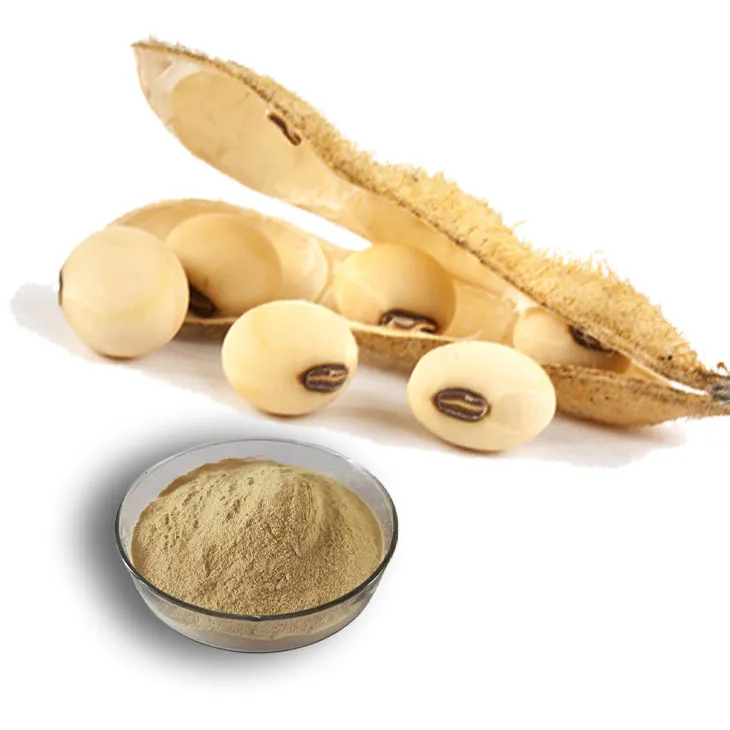
The first step in quality control for bulk Soy Extract suppliers is the meticulous sourcing of soybeans. Suppliers need to ensure that the soybeans they use are of high quality. This involves considering factors such as the variety of soybeans. Different soybean varieties may have different nutrient profiles and characteristics that can affect the final Soy Extract product. For example, some varieties may be richer in isoflavones, which are important bioactive compounds in Soy Extract.
Suppliers also need to take into account the origin of the soybeans. Soybeans grown in different regions may be exposed to different environmental conditions, which can influence their quality. They must ensure that the soybeans are sourced from areas with proper agricultural practices, free from excessive pesticide use and environmental contaminants. This often requires building strong relationships with reliable farmers and agricultural cooperatives.
2.2 Extraction Processes
Once the soybeans are sourced, the extraction process is another critical aspect of quality control. There are different methods of extracting Soy Extract, such as solvent extraction and mechanical extraction. Bulk Soy Extract suppliers need to select the most appropriate extraction method based on the desired quality of the final product.
Solvent extraction is a commonly used method. However, suppliers must ensure that the solvents used are safe and do not leave harmful residues in the Soy Extract. They need to follow strict regulatory guidelines regarding solvent use and disposal. On the other hand, mechanical extraction may be preferred for those seeking a more "natural" product, but it may require more sophisticated equipment to ensure efficient extraction and maintain product quality.
2.3 Quality Testing
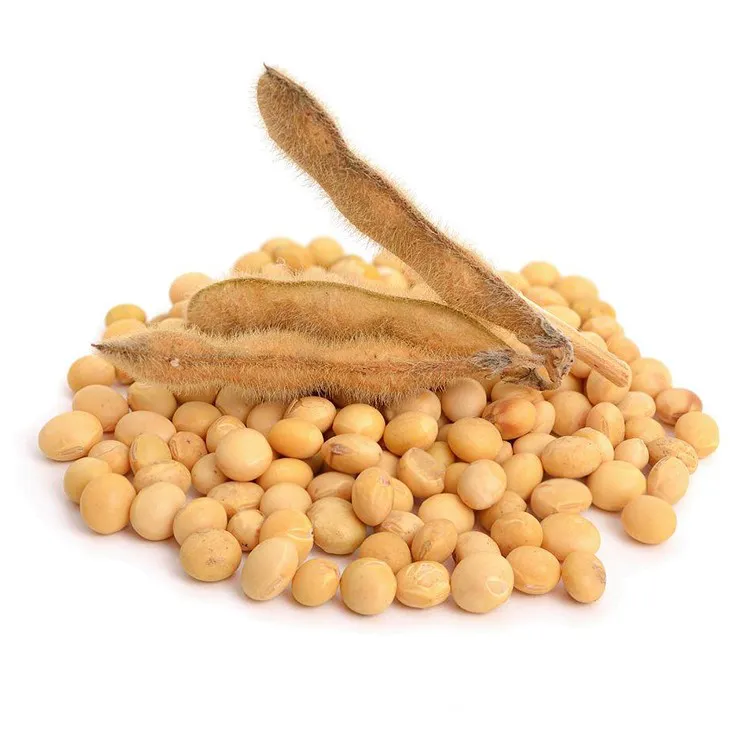
Comprehensive quality testing is an essential part of the role of bulk Soy Extract suppliers. They need to test for various parameters to ensure that the Soy Extract meets high - quality standards. One of the key aspects is the testing for nutrient content. This includes measuring the levels of proteins, fats, carbohydrates, and important micronutrients such as vitamins and minerals.
Testing for contaminants is also crucial. This involves screening for heavy metals, pesticides, and mycotoxins. Heavy metals such as lead and mercury can be harmful if present in high levels in the Soy Extract. Pesticide residues need to be within the allowable limits set by regulatory authorities. Mycotoxins, which can be produced by fungi during soybean storage, can pose a risk to human health if not detected and removed.
Moreover, suppliers may also test for bioactive compounds such as isoflavones. The levels of these compounds can affect the functionality and value of the Soy Extract in different applications. For example, in the health food industry, products with a specific level of isoflavones may be marketed for their potential health benefits.
3. Balancing Demand and Supply in the Market
3.1 Understanding Market Demand
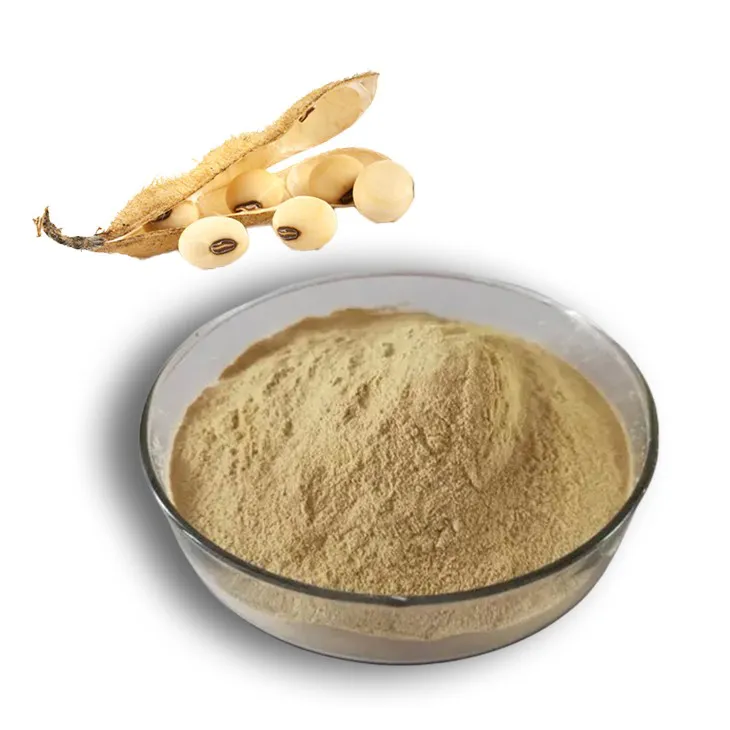
Bulk Soy Extract suppliers need to have a deep understanding of market demand. They must keep track of the trends in different industries that use Soy Extract. In the food industry, for example, the demand for soy - based products may be influenced by changing consumer preferences towards healthy and plant - based foods. Suppliers need to be aware of the increasing demand for soy - based meat substitutes, dairy alternatives, and functional foods containing Soy Extract.
In the pharmaceutical and cosmetic industries, the demand for Soy Extract may be driven by its potential health and skin - enhancing properties. For instance, Soy Extract is known for its antioxidant and anti - aging effects, which are highly sought after in the cosmetic industry. By understanding these market demands, suppliers can adjust their production and inventory levels accordingly.
3.2 Supply Management
Managing the supply of Soy Extract is equally important. Suppliers need to ensure a stable supply of soybeans, which is the raw material for Soy Extract production. This may involve long - term contracts with soybean farmers or investing in soybean storage facilities to ensure a continuous supply even during periods of low harvest or market fluctuations.
They also need to optimize their production processes to increase efficiency and meet the market demand. This may include upgrading their extraction facilities, improving production techniques, and reducing waste. By effectively managing the supply side, bulk Soy Extract suppliers can avoid shortages and price spikes in the market, which can have a negative impact on both manufacturers and end - consumers.
3.3 Pricing Strategies
In a competitive market, pricing is a key factor. Bulk Soy Extract suppliers strive to offer competitive prices while maintaining product quality. They need to consider their production costs, including the cost of soybeans, extraction processes, quality control, and transportation, when setting prices.
However, they also need to be aware of the market competition. If their prices are too high, they may lose customers to competitors. On the other hand, if they set prices too low to gain market share, they may not be able to cover their costs and maintain profitability. Therefore, suppliers often conduct market research to analyze the price sensitivity of their customers and the pricing strategies of their competitors to find the optimal price point.
4. Benefits to Manufacturers and End - Consumers
4.1 Benefits to Manufacturers
Manufacturers who use Soy Extract as an ingredient benefit greatly from reliable bulk Soy Extract suppliers. Firstly, they can ensure a consistent supply of high - quality Soy Extract. This is crucial for maintaining the quality and stability of their final products. For example, a food manufacturer that produces soy - based snacks needs a steady supply of Soy Extract with consistent nutrient content and flavor.
Secondly, the competitive prices offered by bulk Soy Extract suppliers can help manufacturers reduce their production costs. This can enable them to offer their products at more competitive prices in the market, which can increase their market share. In addition, suppliers may also provide technical support and product information to manufacturers, which can help them better utilize Soy Extract in their production processes.
4.2 Benefits to End - Consumers
End - consumers also reap the benefits of the role played by bulk Soy Extract suppliers. The availability of soy - derived products at reasonable prices is one of the main advantages. For consumers who are health - conscious and prefer plant - based products, they can access a wide range of soy - based foods, supplements, and cosmetics at affordable prices.
Moreover, the quality control measures implemented by suppliers ensure that the soy - based products consumed by end - consumers are safe and of high quality. Consumers can be confident that the Soy Extract in these products has been tested for contaminants and contains the necessary nutrients and bioactive compounds. This is especially important in the case of food and dietary supplements where safety and quality are of utmost concern.
5. Contribution to Sustainable Soy Production
5.1 Influencing Farming Practices
Bulk Soy Extract suppliers can play a significant role in promoting sustainable farming practices. Since they are major buyers of soybeans, they can influence farmers to adopt more environmentally - friendly and sustainable agricultural methods. For example, they can encourage farmers to reduce the use of chemical pesticides and fertilizers and instead use more organic and natural alternatives.
Suppliers can also support farmers in implementing precision agriculture techniques. These techniques use advanced technologies such as GPS, sensors, and data analytics to optimize farming operations. By doing so, farmers can reduce waste, improve crop yields, and minimize the environmental impact of soybean farming. In return, suppliers can ensure a more stable and sustainable supply of high - quality soybeans for their Soy Extract production.
5.2 Supporting Environmentally - Friendly Extraction Methods
When it comes to the extraction process, bulk Soy Extract suppliers can support the development and use of environmentally - friendly extraction methods. As mentioned earlier, traditional solvent extraction methods may have environmental concerns due to the use of certain solvents. Suppliers can invest in research and development to find alternative extraction methods that are more sustainable.
For example, some new extraction methods are being explored that use supercritical fluids, which are more environmentally - friendly compared to traditional solvents. By supporting these innovative extraction methods, suppliers can reduce their environmental footprint and contribute to the overall sustainability of the Soy Extract production process.
6. Conclusion
In conclusion, bulk Soy Extract suppliers play a multi - faceted and vital role in today's market. Their responsibilities in quality control, balancing demand and supply, providing benefits to manufacturers and end - consumers, and contributing to sustainable production are all integral parts of the Soy Extract supply chain. As the market continues to evolve, with increasing demand for high - quality and sustainable products, the role of these suppliers will become even more crucial in ensuring the availability, affordability, and quality of Soy Extract for various applications across different industries.
FAQ:
Question 1: What are the main responsibilities of bulk Soy Extract suppliers in quality control?
They are mainly responsible for strict sourcing of soybeans, ensuring proper extraction processes, and conducting comprehensive quality testing to make sure the Soy Extract meets high - quality standards.
Question 2: How do bulk Soy Extract suppliers balance the demand and supply in the market?
They closely monitor the market situation. By adjusting their production levels and inventory management, they can match the supply with the demand for Soy Extract in the market.
Question 3: In what ways do end - consumers benefit from bulk Soy Extract suppliers?
End - consumers can benefit as bulk Soy Extract suppliers strive to offer competitive prices while maintaining product quality. This enables consumers to access products with soy - derived components at reasonable prices.
Question 4: How can bulk Soy Extract suppliers contribute to sustainable soy production?
They can influence farming practices, for example, by encouraging farmers to use environmentally - friendly farming methods. Also, they can support and promote environmentally - friendly extraction methods in the production process of Soy Extract.
Question 5: Why is the role of bulk Soy Extract suppliers so important in a competitive market?
In a competitive market, they need to offer competitive prices and maintain product quality simultaneously. This is crucial for both manufacturers using Soy Extract as an ingredient and end - consumers, which makes their role very important.
Related literature
- Title: The Significance of Bulk Suppliers in the Soy Extract Market"
- Title: "Bulk Soy Extract Suppliers: Pillars of Quality and Sustainability"
- Title: "Market Dynamics and the Role of Soy Extract Bulk Suppliers"


-

Cat Claw Extract
2024-12-07
-

Diosmin
2024-12-07
-

L-Arginine alpha-ketoglutarate
2024-12-07
-

Rose Hip Extract
2024-12-07
-

Ivy Extract
2024-12-07
-

Acai Berry Extract
2024-12-07
-

Polygonum Cuspidatum Extract
2024-12-07
-

Citrus bioflavonoids
2024-12-07
-

Selenium yeast
2024-12-07
-

Olive leaf extract
2024-12-07