


1. Introduction
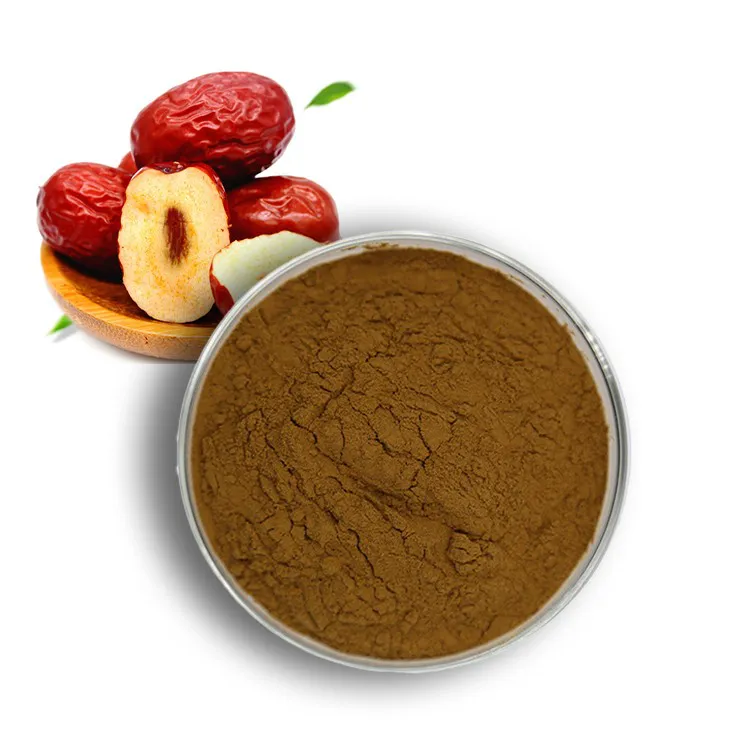
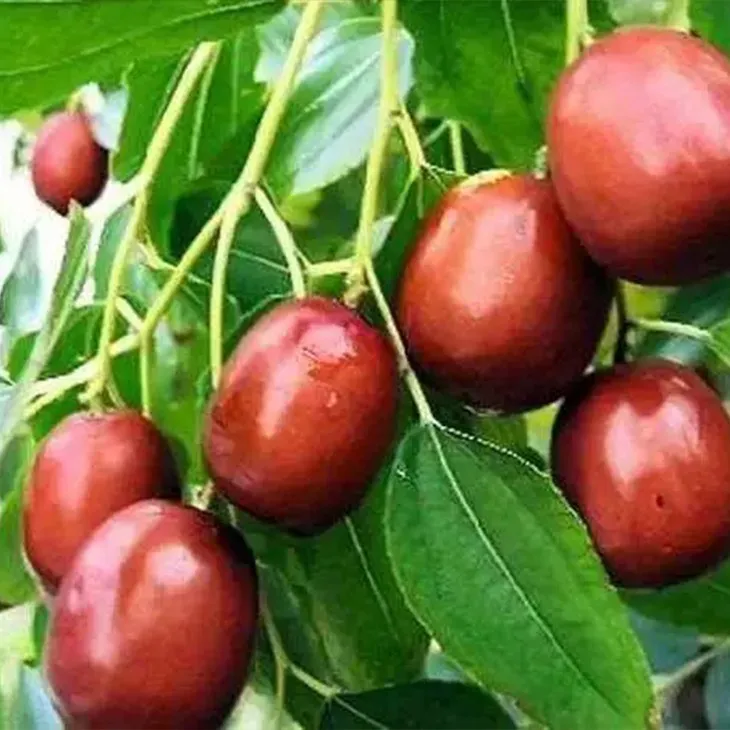
Red dates, also known as jujubes, have been an important part of traditional medicine and cuisine in many cultures for centuries. The extract of red dates has recently gained significant attention due to its potential health - promoting properties. This article aims to explore the chemical composition of Red Date Extract and its associated efficacy, as well as its potential applications in various industries.
2. Chemical Composition of Red Date Extract
2.1 Polysaccharides
Polysaccharides are one of the major components in Red Date Extract. These complex carbohydrates play a crucial role in many biological processes. Red date polysaccharides are known for their immunomodulatory effects. They can enhance the function of the immune system by stimulating the activity of immune cells such as macrophages and lymphocytes. For example, studies have shown that certain polysaccharides in Red Date Extract can increase the production of cytokines, which are important signaling molecules in the immune response.
2.2 Flavonoids
Flavonoids are a diverse group of phenolic compounds that are widely distributed in plants, including red dates. In Red Date Extract, flavonoids contribute to its antioxidant and anti - inflammatory properties. Flavonoids such as Rutin and Quercetin have been identified in red dates. These compounds can scavenge free radicals, which are highly reactive molecules that can cause damage to cells and tissues. By neutralizing free radicals, flavonoids help to protect the body against oxidative stress - related diseases such as cancer, cardiovascular diseases, and neurodegenerative disorders. Moreover, flavonoids also exhibit anti - inflammatory effects by inhibiting the production of inflammatory mediators such as prostaglandins and cytokines.

2.3 Phenolic Acids
Phenolic acids are another group of bioactive compounds present in Red Date Extract. Caffeic acid and ferulic acid are among the phenolic acids found in red dates. These compounds also possess antioxidant properties. They can prevent lipid peroxidation, which is the process of oxidative degradation of lipids in cell membranes. In addition, phenolic acids may have anti - microbial and anti - cancer activities. For instance, some studies suggest that phenolic acids can inhibit the growth of cancer cells by inducing apoptosis (programmed cell death).
3. Efficacy of Red Date Extract

3.1 Antioxidant Activity
The antioxidant activity of Red Date Extract is mainly attributed to the presence of flavonoids and phenolic acids. As mentioned earlier, these compounds can scavenge free radicals and prevent oxidative damage to cells. In vitro and in vivo studies have demonstrated the antioxidant potential of Red Date Extract. For example, in a cell culture experiment, Red Date Extract was shown to protect cells from oxidative stress - induced damage. In animal models, consumption of Red Date Extract has been associated with reduced oxidative stress markers in tissues such as the liver and heart.
3.2 Anti - inflammatory Activity
Red Date Extract exhibits anti - inflammatory activity through multiple mechanisms. The flavonoids and phenolic acids in the extract can inhibit the activation of inflammatory pathways. For instance, they can block the activation of nuclear factor - kappa B (NF - κB), a key transcription factor that regulates the expression of many inflammatory genes. By suppressing NF - κB activation, Red Date Extract can reduce the production of inflammatory mediators such as interleukin - 1β (IL - 1β) and tumor necrosis factor - α (TNF - α). In addition, the immunomodulatory effects of red date polysaccharides may also contribute to its anti - inflammatory activity by regulating the balance of the immune system.
3.3 Immunomodulatory Activity
The polysaccharides in Red Date Extract play a significant role in immunomodulation. As stated before, they can stimulate the activity of immune cells. This includes enhancing the phagocytic function of macrophages, which are responsible for engulfing and destroying foreign pathogens. Red date polysaccharides can also promote the proliferation and differentiation of lymphocytes, which are key players in the adaptive immune response. By modulating the immune system, Red Date Extract may have potential applications in the prevention and treatment of immune - related diseases such as autoimmune disorders and infections.
4. Potential Applications of Red Date Extract
4.1 In Medicine
- Immune - boosting Supplements: Given its immunomodulatory activity, Red Date Extract can be used as an ingredient in immune - boosting supplements. It may be beneficial for individuals with weakened immune systems, such as the elderly, patients undergoing chemotherapy, or those recovering from illness.
- Anti - inflammatory Agents: The anti - inflammatory properties of Red Date Extract make it a potential candidate for the development of new anti - inflammatory drugs. It could be used to treat chronic inflammatory diseases such as rheumatoid arthritis and inflammatory bowel disease.
- Antioxidant Therapies: In the field of oxidative stress - related diseases, Red Date Extract may offer a natural alternative for antioxidant therapies. It could be used to prevent or slow down the progression of diseases such as Alzheimer's disease and macular degeneration.
4.2 In Cosmetics
- Skin Aging Prevention: The antioxidant and anti - inflammatory properties of Red Date Extract make it suitable for use in anti - aging cosmetics. It can help to protect the skin from free radical damage and reduce inflammation, thereby preventing the appearance of wrinkles, fine lines, and age spots.
- Skin Whitening: Some components in Red Date Extract may have skin - whitening effects. For example, phenolic acids can inhibit the activity of tyrosinase, an enzyme involved in the production of melanin. By reducing melanin production, Red Date Extract may be used in skin whitening products.
- Moisturizing and Nourishing: Red Date Extract contains nutrients that can moisturize and nourish the skin. It can be added to moisturizers, creams, and lotions to improve skin hydration and texture.
4.3 In the Food Industry
- Functional Food Additives: Red Date Extract can be used as a functional food additive. It can be added to various food products such as beverages, cereals, and snacks to enhance their nutritional value. For example, it can provide antioxidant and immunomodulatory benefits when added to breakfast cereals.
- Natural Flavorings: The extract also has a unique flavor that can be used as a natural flavoring in the food industry. It can add a sweet and fruity flavor to products such as jams, yogurts, and desserts.
- Food Preservation: Due to its antioxidant properties, Red Date Extract may have potential applications in food preservation. It can help to prevent the oxidation of fats and oils in food products, thereby extending their shelf life.
5. Conclusion
Red Date Extract is a rich source of bioactive compounds with diverse health - promoting properties. Its chemical composition, including polysaccharides, flavonoids, and phenolic acids, contributes to its antioxidant, anti - inflammatory, and immunomodulatory activities. With its potential applications in medicine, cosmetics, and the food industry, Red Date Extract holds great promise for future research and development. However, further studies are still needed to fully understand its mechanisms of action and to ensure its safety and efficacy in various applications.
FAQ:
What are the main bioactive compounds in Jujube Extract?
The main bioactive compounds in Jujube Extract include polysaccharides, flavonoids, and phenolic acids.
How do the bioactive compounds in Jujube Extract contribute to antioxidant activity?
Polysaccharides, flavonoids, and phenolic acids in Jujube Extract have antioxidant properties. Flavonoids, for example, can scavenge free radicals, which are unstable molecules that can cause damage to cells. The phenolic acids also play a role in neutralizing free radicals, thus contributing to the overall antioxidant activity of the Jujube Extract.
What are the potential applications of Jujube Extract in the food industry?
In the food industry, Jujube Extract can be used as a natural flavor enhancer due to its characteristic taste. It can also be added to food products for its potential health - promoting properties, such as antioxidant and immunomodulatory effects. Additionally, it may be used in the development of functional foods, which are designed to provide specific health benefits beyond basic nutrition.
How does Jujube Extract show anti - inflammatory effects?
The bioactive compounds in Jujube Extract, particularly flavonoids and phenolic acids, can modulate the body's inflammatory response. They may interfere with the production of pro - inflammatory molecules, thus reducing inflammation at the cellular level.
Can Jujube Extract be used in cosmetics? If so, how?
Yes, Jujube Extract can be used in cosmetics. Its antioxidant properties can help protect the skin from damage caused by free radicals, which are associated with aging. It may also have anti - inflammatory effects on the skin, which can be beneficial for reducing skin redness and irritation. Jujube Extract can be incorporated into various cosmetic products such as creams, lotions, and serums.
Related literature
- The Chemical Constituents and Bioactivities of Jujube (Ziziphus jujuba Mill.): A Review"
- "Jujube Extract: A Promising Natural Ingredient for Health and Cosmetic Applications"


-

L-Citrullin-DL-malate
2024-12-22
-

Black Rice Extract
2024-12-22
-

Buckthorn bark extract
2024-12-22
-

Polygonum multiflorum extract
2024-12-22
-

L-carnitine
2024-12-22
-

Beta Carotene
2024-12-22
-

Andrographis Paniculata Extract Powder
2024-12-22
-

Scutellaria Extract
2024-12-22
-

Artichoke Leaf Extract
2024-12-22
-

Black Pepper Extract
2024-12-22