


1. Introduction
Kidney beans, a common staple in many diets around the world, have been the subject of scientific research for their potential health benefits. Kidney Bean Extract, in particular, has emerged as an area of great interest. This extract is rich in various components that may contribute to its diverse effects on human health. Understanding the chemistry behind Kidney Bean Extract is crucial in unraveling its potential benefits, which range from anti - inflammatory effects to possible positive impacts on cardiovascular health.
2. The Chemistry of Kidney Bean Extract
2.1 Protein Fractions
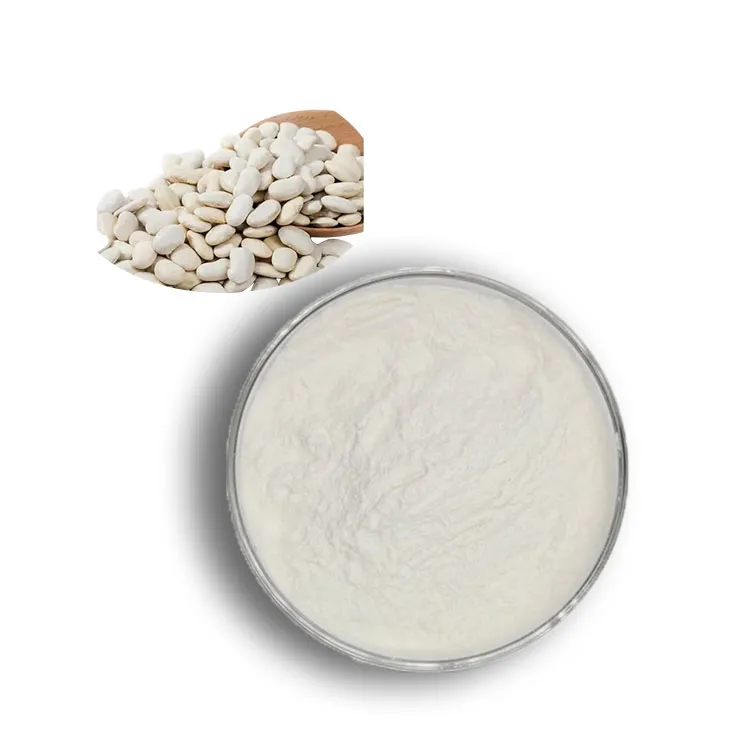
One of the key aspects of the chemistry of Kidney Bean Extract is its protein content. Kidney beans are a significant source of plant - based proteins. These proteins are composed of different fractions, each with its own unique properties. For example, some of the protein fractions may play a role in enzyme regulation within the body. The amino acid composition of these proteins is also important. Kidney bean proteins contain a variety of essential and non - essential amino acids. The presence of these amino acids can influence the biological activity of the extract. Some amino acids may be involved in the synthesis of neurotransmitters or hormones, which in turn can affect overall health.
2.2 Carbohydrates and Fibre
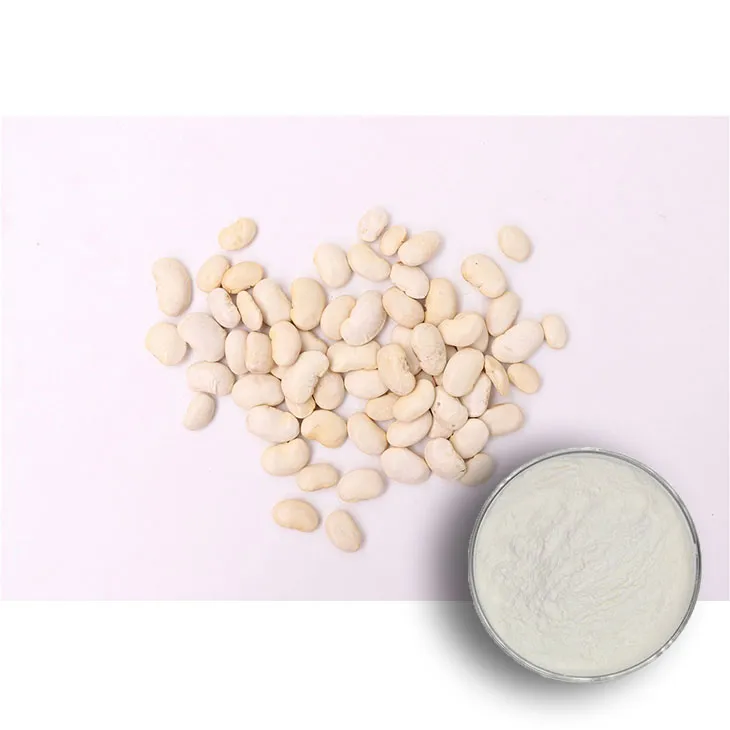
Kidney Bean Extract also contains carbohydrates and fibre. The carbohydrates in kidney beans are mainly in the form of complex carbohydrates such as starches. Complex carbohydrates are digested more slowly compared to simple carbohydrates, providing a more sustained source of energy. The fibre content is also notable. Dietary fibre has multiple health benefits. It can help with digestion by adding bulk to the stool and promoting regular bowel movements. In addition, some types of fibre in Kidney Bean Extract may act as prebiotics, providing nourishment for beneficial gut bacteria. These gut bacteria can then produce metabolites that have positive effects on the body, such as short - chain fatty acids, which are associated with reduced inflammation.
2.3 Phytochemicals
Phytochemicals are another important component of Kidney Bean Extract. These are natural compounds found in plants that have various biological activities. In kidney beans, phytochemicals such as flavonoids and phenolic acids are present. Flavonoids, for example, have antioxidant properties. Antioxidants are crucial in protecting the body from oxidative stress, which is associated with various diseases including cancer and heart disease. Phenolic acids in Kidney Bean Extract may also contribute to its anti - inflammatory effects. They can interact with cells in the body to modulate inflammatory pathways, reducing the production of pro - inflammatory cytokines.
3. Anti - Inflammatory Properties
The anti - inflammatory properties of Kidney Bean Extract are one of its most studied benefits. Inflammation is a natural response of the body to injury or infection, but chronic inflammation can lead to a host of health problems. Kidney Bean Extract has been shown to reduce inflammation through several mechanisms.
3.1 Modulation of Inflammatory Mediators
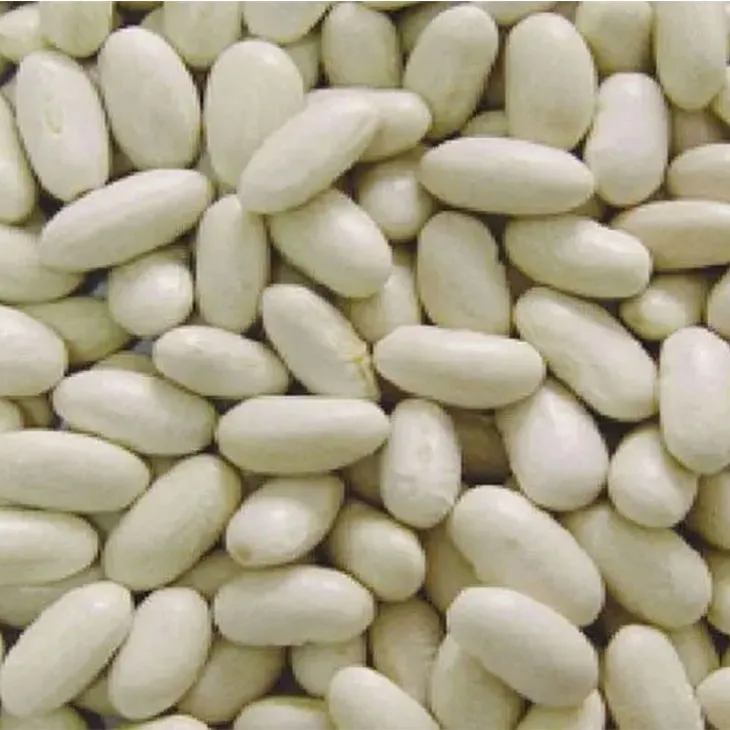
As mentioned earlier, the phytochemicals in Kidney Bean Extract can interact with cells to modulate the production of inflammatory mediators. For example, they can inhibit the activity of enzymes such as cyclooxygenase - 2 (COX - 2), which is involved in the production of prostaglandins, a group of molecules that promote inflammation. By reducing the activity of COX - 2, Kidney Bean Extract can decrease the levels of prostaglandins, thereby reducing inflammation.
3.2 Immune Cell Regulation
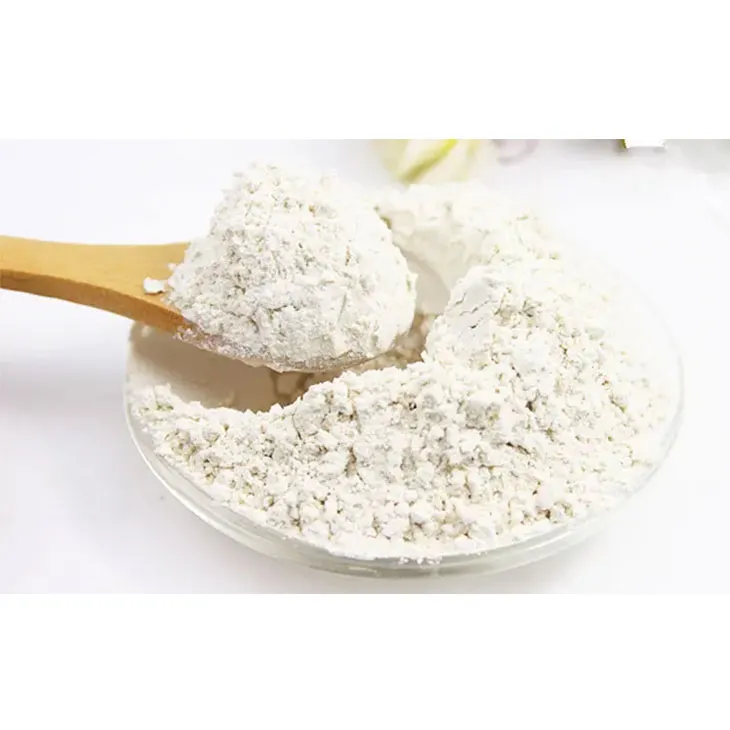
Kidney Bean Extract may also play a role in regulating immune cells. Immune cells such as macrophages are involved in the inflammatory response. In some studies, Kidney Bean Extract has been shown to influence the behavior of macrophages, making them less likely to release pro - inflammatory cytokines. This regulation of immune cells can help to keep the inflammatory response in check and prevent it from becoming chronic.
4. Cardiovascular Health Benefits
The potential impact of Kidney Bean Extract on cardiovascular health is another area of significant interest.
4.1 Cholesterol Management
One of the ways Kidney Bean Extract may benefit cardiovascular health is through cholesterol management. Some components of the extract may interfere with the absorption of dietary cholesterol in the intestines. By reducing the amount of cholesterol absorbed, Kidney Bean Extract can help to lower blood cholesterol levels. High blood cholesterol is a major risk factor for heart disease. Additionally, the extract may also have an effect on the body's own cholesterol synthesis. It may inhibit certain enzymes involved in cholesterol production, further contributing to the reduction of blood cholesterol levels.
4.2 Blood Pressure Regulation
Kidney Bean Extract may also play a role in blood pressure regulation. Some of the bioactive components in the extract may have a vasodilatory effect, meaning they can relax the blood vessels. When blood vessels are relaxed, the resistance to blood flow is reduced, which in turn can lead to a decrease in blood pressure. High blood pressure is another significant risk factor for cardiovascular diseases, and any natural means of regulating it is of great value.
5. Other Potential Health Benefits
In addition to its anti - inflammatory and cardiovascular benefits, Kidney Bean Extract may have other potential health benefits.
- Weight Management: The fibre and protein content of Kidney Bean Extract can contribute to feelings of fullness, which may help in weight management. When people feel full, they are less likely to overeat, and this can assist in maintaining a healthy weight.
- Blood Sugar Control: Some studies suggest that Kidney Bean Extract may have an effect on blood sugar levels. It may slow down the absorption of carbohydrates from the gut, which can prevent rapid spikes in blood sugar. This can be particularly beneficial for people with diabetes or those at risk of developing diabetes.
- Gut Health: As mentioned earlier, the fibre in Kidney Bean Extract can act as a prebiotic, promoting the growth of beneficial gut bacteria. A healthy gut microbiome is associated with improved immune function, better digestion, and overall well - being.
6. Conclusion
In conclusion, Kidney Bean Extract holds great promise in the field of health and medicine. Its complex chemistry, which includes protein fractions, carbohydrates, fibre, and phytochemicals, contributes to its diverse range of potential benefits. From anti - inflammatory properties to impacts on cardiovascular health, and other potential benefits such as weight management, blood sugar control, and gut health, Kidney Bean Extract is a subject worthy of further research. As more studies are conducted, we can expect to gain a more in - depth understanding of how Kidney Bean Extract can be used to improve human health.
FAQ:
What are the main chemical components in Kidney Bean Extract?
The main chemical components in Kidney Bean Extract include protein fractions. These protein fractions play important roles in its various functions and potential health benefits.
How does Kidney Bean Extract exhibit anti - inflammatory properties?
The anti - inflammatory properties of Kidney Bean Extract may be related to its chemical composition. Certain compounds or protein fractions within it may interact with the body's inflammatory pathways, reducing the production of inflammatory mediators and thus exhibiting anti - inflammatory effects.
What is the relationship between Kidney Bean Extract and cardiovascular health?
Kidney Bean Extract may have potential impacts on cardiovascular health. It could potentially affect factors such as blood lipid levels, blood pressure, or endothelial function. However, more research is needed to fully understand the mechanisms and the extent of these effects.
Are there any potential side effects of Kidney Bean Extract?
While Kidney Bean Extract is generally considered safe, in some cases, it may cause allergic reactions in sensitive individuals. Also, if consumed in excessive amounts, it may lead to digestive discomfort. However, these are relatively rare occurrences and more research is needed to comprehensively assess potential side effects.
How is Kidney Bean Extract prepared for its potential health applications?
The preparation of Kidney Bean Extract for health applications typically involves processes such as extraction, purification, and concentration. These processes aim to isolate the active components while removing unwanted substances. Different methods may be used depending on the desired end product and its intended use.
Related literature
- The Chemical Composition and Bioactive Properties of Kidney Bean Extract"
- "Kidney Bean Extract: A Promising Agent for Cardiovascular Health?"
- "Exploring the Anti - Inflammatory Mechanisms of Kidney Bean Extract"


-

Mulberry Extract
2025-02-10
-

Nettle leaf extract
2025-02-10
-

Vitamin C
2025-02-10
-

Moringa powder
2025-02-10
-

Tamarind extract powder
2025-02-10
-

Vitamin B9 powder
2025-02-10
-

Phellodendron Extract
2025-02-10
-

Green coffee bean Extract
2025-02-10
-

Vitamin K2
2025-02-10
-

Antler Extract
2025-02-10