


1. The Significance of Origin
Cranberries are native to North America and have been cultivated in other regions as well. Origin plays a vital role in determining the quality of Cranberry Extract raw materials.
1.1 Climate and Soil Conditions
Cranberries thrive in specific climate and soil conditions. In their native habitats such as the bogs of North America, the cool and moist climate provides an ideal environment for their growth. The soil in these areas is often acidic, which is conducive to the absorption of nutrients by cranberries. For example, in Massachusetts and Wisconsin in the United States, the cranberries grown there benefit from the local climate and soil. The cool autumns allow the cranberries to mature slowly, resulting in a higher concentration of beneficial compounds. The acidic peat - rich soil provides a unique mineral profile that is incorporated into the cranberries. When choosing Cranberry Extract raw materials, those sourced from regions with similar climate and soil conditions are likely to have better quality.

1.2 Varietal Differences
There are different varieties of cranberries, and their characteristics can vary significantly. Some varieties may have a higher content of certain bioactive compounds. For instance, the American cranberry (Vaccinium macrocarpon) is one of the most common varieties used for extraction. It is known for its relatively high levels of proanthocyanidins, which are important for the potential health benefits of Cranberry Extract. Different varieties may also have differences in taste, color, and texture. These factors can influence the final quality of the extract. Therefore, it is important to be aware of the varietal origin when selecting Cranberry Extract raw materials.
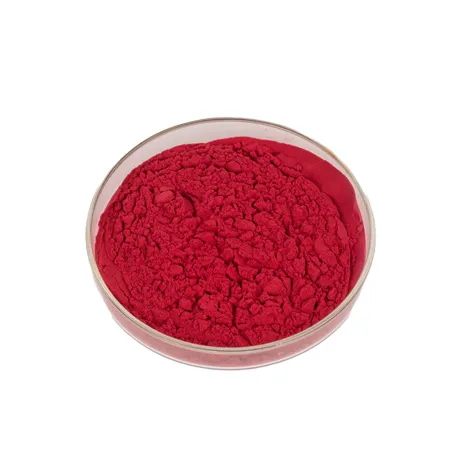
1.3 Environmental Factors
Environmental factors in the origin area can also impact the quality of cranberries. Areas with less pollution and a more natural ecosystem are more likely to produce high - quality cranberries. For example, regions that are far from industrial areas and have clean water sources are preferable. Pesticide and fertilizer use also needs to be considered. Cranberries grown in organic farming systems, which minimize the use of synthetic pesticides and fertilizers, may be a better choice for raw materials. This is because they are less likely to contain harmful residues, and the natural growth environment may lead to a more pure and effective extract.
2. The Influence of Extraction Methods
The extraction method is a crucial factor in obtaining Cranberry Extract with high purity and effectiveness.

2.1 Solvent - Based Extraction
One of the common methods is solvent - based extraction. Different solvents can be used, such as ethanol, methanol, or water - ethanol mixtures. Ethanol is a popular choice as it can effectively extract the bioactive compounds from cranberries while being relatively safe for consumption. However, the choice of solvent concentration and extraction conditions need to be carefully optimized. For example, a higher ethanol concentration may result in a more efficient extraction of lipophilic compounds, but it may also extract some unwanted substances. On the other hand, a lower concentration may not fully extract all the desired compounds. The extraction time and temperature also play important roles. Longer extraction times may increase the yield but may also lead to the degradation of some sensitive compounds if the temperature is not properly controlled.
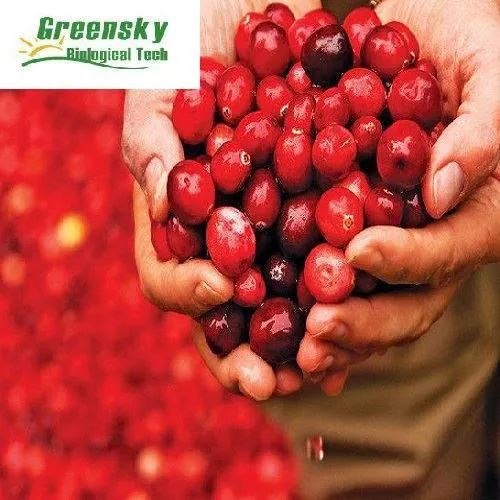
2.2 Supercritical Fluid Extraction
Supercritical fluid extraction (SFE) is an advanced extraction method. Carbon dioxide is often used as the supercritical fluid. SFE has several advantages over traditional solvent - based extraction. It can operate at relatively low temperatures, which helps to preserve the integrity of heat - sensitive compounds in cranberries. The selectivity of SFE can be adjusted by changing the pressure and temperature conditions, allowing for a more targeted extraction of specific bioactive compounds. For example, it can be used to selectively extract proanthocyanidins with high purity. Moreover, since carbon dioxide is a gas at normal conditions, it leaves no solvent residues in the final extract, making the extract cleaner and safer for use in various applications.
2.3 Maceration and Infusion
Maceration and infusion are traditional extraction methods. In maceration, cranberries are soaked in a solvent (usually water or a water - alcohol mixture) for a certain period of time. Infusion is a similar process but often involves a shorter time and milder conditions. These methods are relatively simple and cost - effective. However, they may not be as efficient as the other methods in terms of extracting high - purity and high - concentration extracts. The extraction yield may also be lower, and the resulting extract may contain more impurities. Nevertheless, for some small - scale or traditional applications, maceration and infusion can still be considered.
3. Quality Control and Certification
Quality control and certification are essential to ensure the safety and reliability of Cranberry Extract raw materials.
3.1 Chemical Analysis
Chemical analysis is the first step in quality control. It involves the determination of the composition of Cranberry Extract. Key components such as proanthocyanidins, flavonoids, and organic acids should be quantified. High - performance liquid chromatography (HPLC) is a commonly used technique for this purpose. It can accurately separate and measure the different compounds in the extract. For example, HPLC can be used to determine the content of proanthocyanidins, which is an important indicator of the quality of Cranberry Extract. In addition to HPLC, other techniques such as gas chromatography - mass spectrometry (GC - MS) can be used for the analysis of volatile compounds in the extract.
3.2 Microbiological Testing
Microbiological testing is crucial to ensure the safety of Cranberry Extract raw materials. Tests for bacteria, fungi, and yeasts should be carried out. The presence of harmful microorganisms such as Escherichia coli, Salmonella, or Aspergillus species can pose a serious threat to the safety of the extract. Microbiological limits are set based on regulatory requirements and industry standards. For example, in the food and dietary supplement industries, the acceptable limits for different microorganisms are clearly defined. If the Cranberry Extract raw materials do not meet these microbiological requirements, they cannot be used for further production.
3.3 Certification and Standards
Certification from recognized organizations provides an assurance of the quality of Cranberry Extract raw materials. There are various standards and certifications available, such as Good Manufacturing Practice (GMP) certification. GMP ensures that the manufacturing process of the extract follows strict quality control procedures, including proper handling of raw materials, clean production facilities, and accurate documentation. Another important certification is the Organic certification for cranberries grown organically. This certification verifies that the cranberries are grown without the use of synthetic pesticides and fertilizers, which is beneficial for consumers who prefer natural and sustainable products. In addition, some international standards such as ISO standards can also be applied to Cranberry Extract production to ensure consistent quality across different regions and manufacturers.
FAQ:
Q1: Why does the origin matter when choosing Cranberry Extract raw materials?
The origin matters because different regions have different soil, climate, and growing conditions. These factors can influence the chemical composition and quality of cranberries. For example, cranberries grown in certain regions may have a higher content of beneficial compounds like proanthocyanidins, which are important for the effectiveness of the Cranberry Extract.
Q2: How can the extraction method impact the Cranberry Extract?
Different extraction methods can result in varying levels of purity and effectiveness. Some extraction methods may be more efficient at isolating the desired active compounds, while others may introduce impurities or degrade the active components. For instance, a poorly chosen extraction method might not fully extract the beneficial proanthocyanidins, leading to a less effective Cranberry Extract.
Q3: What kind of quality control and certification should be looked for in Cranberry Extract raw materials?
Look for certifications such as Good Manufacturing Practice (GMP) certification. Quality control should include testing for contaminants like heavy metals, pesticides, and microbial contaminants. Additionally, the raw material should be tested for the correct concentration of active compounds. This ensures that the Cranberry Extract raw material is safe for use and will perform as expected in various applications.
Q4: Can you give some examples of regions known for high - quality cranberries?
North America, particularly the northeastern United States and parts of Canada, are well - known for producing high - quality cranberries. These regions have the right combination of climate and soil conditions that are favorable for cranberry growth, resulting in cranberries with good chemical profiles suitable for extraction.
Q5: How do you determine if an extraction method is suitable for Cranberry Extract?
You can determine the suitability of an extraction method by looking at the yield of active compounds, the purity of the extract, and the absence of harmful by - products. Laboratory analysis can be used to compare different extraction methods. For example, if an extraction method results in a high yield of proanthocyanidins with minimal impurities, it is likely a suitable method for Cranberry Extract.
Q6: Are there any international standards for Cranberry Extract raw materials?
There are some international standards and guidelines related to food and dietary supplement ingredients that can apply to Cranberry Extract raw materials. For example, the Codex Alimentarius may have guidelines on purity, safety, and labeling requirements. These standards help ensure that Cranberry Extract raw materials meet certain quality and safety benchmarks across different countries.
Related literature
- The Quality and Efficacy of Cranberry Extract: Influence of Raw Material Selection"
- "Cranberry Extract: Origins, Extraction, and Quality Assurance"
- "Standardization of Cranberry Extract Raw Materials: A Review"


-

Andrographis Paniculata Extract Powder
2024-12-17
-

Lemon Extract
2024-12-17
-

Beta Carotene
2024-12-17
-

Nutmeg Extract
2024-12-17
-

Echinacea Extract
2024-12-17
-

Taurine
2024-12-17
-

Acai Berry Extract
2024-12-17
-

Bromelain
2024-12-17
-

Medicinal Marshmallow Extract
2024-12-17
-

Aged Garlic Extract
2024-12-17