


1. Introduction
Kidney Bean Extract has gained significant attention in various fields, such as the food industry, pharmaceuticals, and nutraceuticals. The quality of the extract is highly dependent on the raw materials used. Therefore, a careful selection of kidney bean raw materials is essential. In this article, we will discuss three key points in the selection of Kidney Bean Extract raw materials: purity, origin, and freshness.
2. Purity
Purity is of utmost importance when selecting kidney bean raw materials for extract production. High - quality raw kidney beans should be as pure as possible, free from contaminants and impurities.
2.1 Types of Contaminants
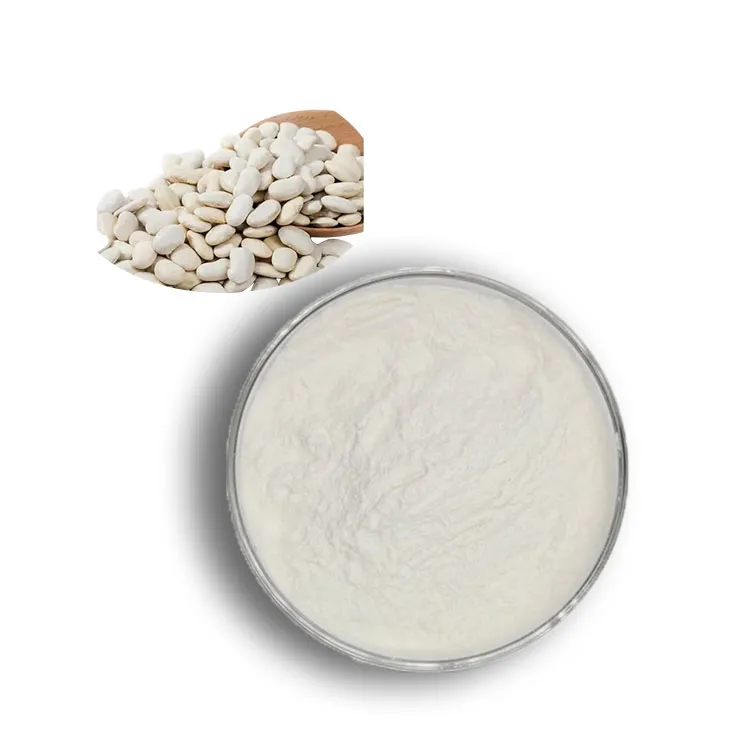
There are several types of contaminants that can affect the purity of kidney beans. One common type is pesticide residues. In modern agriculture, pesticides are often used to protect crops from pests and diseases. However, if not properly managed, these pesticides can remain on the surface of the kidney beans. Another type of contaminant is heavy metals. Heavy metals such as lead, cadmium, and mercury can enter the kidney beans through polluted soil or water sources. These contaminants can not only reduce the purity of the extract but also pose potential health risks to consumers.
2.2 Importance of Purity in Extract Quality
The purity of the raw materials directly affects the quality of the Kidney Bean Extract. A pure raw material ensures that the extract contains only the desired components from the kidney beans. For example, if there are impurities in the raw materials, these may interfere with the extraction process and result in an extract with a lower concentration of the active components. Moreover, a pure extract is more likely to have a consistent quality, which is crucial for applications in the food and pharmaceutical industries.
2.3 Methods to Ensure Purity
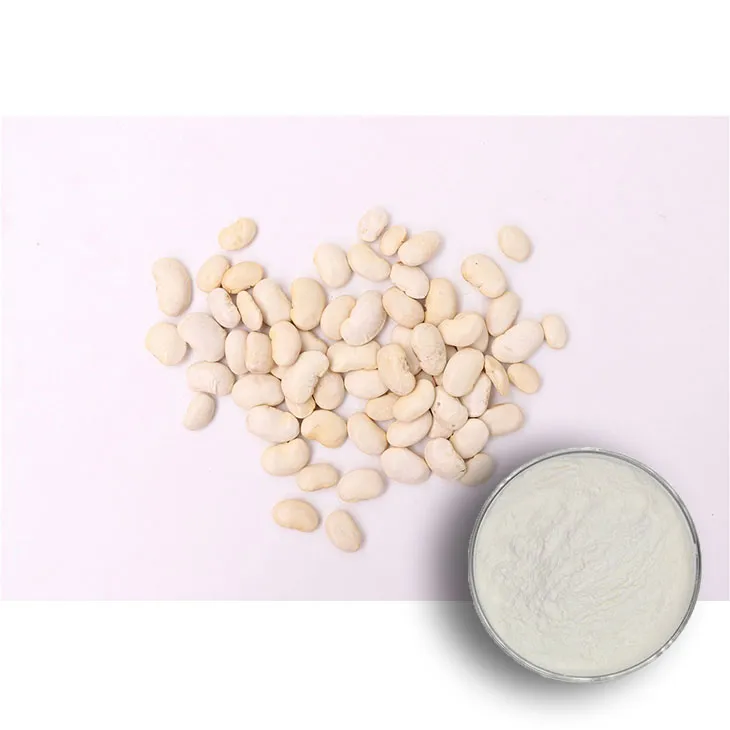
To ensure the purity of kidney bean raw materials, several methods can be employed. Firstly, source control is essential. This involves selecting suppliers who follow strict agricultural practices and have a good reputation for providing high - quality products. Secondly, testing and analysis should be carried out regularly. Samples of the kidney beans can be tested for pesticide residues, heavy metals, and other contaminants using advanced analytical techniques such as chromatography and spectrometry. If any contaminants are detected above the acceptable limits, the batch of kidney beans should be rejected.
3. Origin
The origin of kidney beans plays a significant role in determining their quality and suitability for extract production.
3.1 Influence of Climate
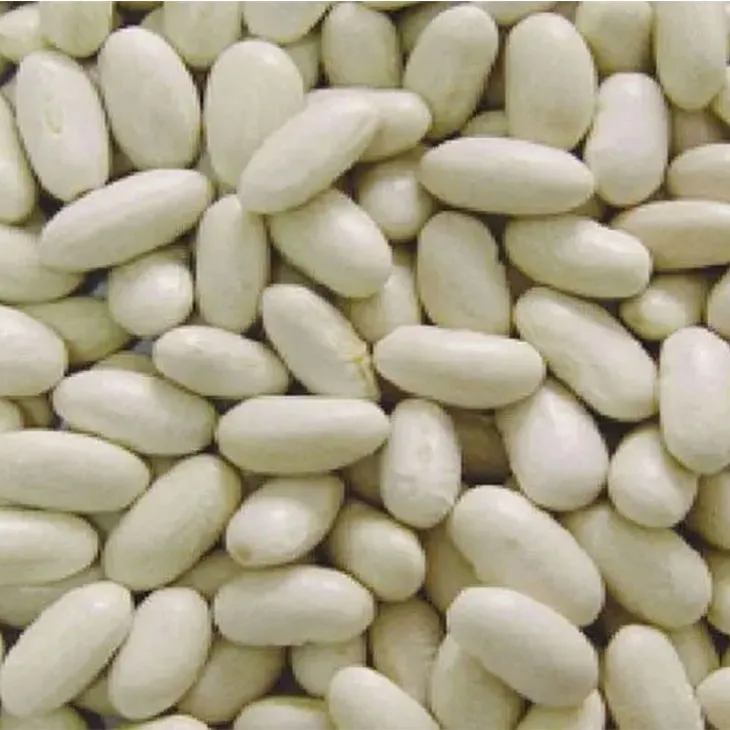
The climate in the region where kidney beans are grown can have a profound impact on their quality. Kidney beans thrive in certain climatic conditions. For example, they generally prefer a warm and moderately humid climate. In regions with ideal climates, kidney beans are more likely to grow healthily and develop a higher content of nutrients. In contrast, in regions with extreme climates, such as excessive heat, cold, or drought, the growth of kidney beans may be stunted, and the quality may be compromised. For instance, if the climate is too dry, the kidney beans may not receive sufficient water, resulting in smaller size and lower nutrient content.
3.2 Role of Soil Conditions
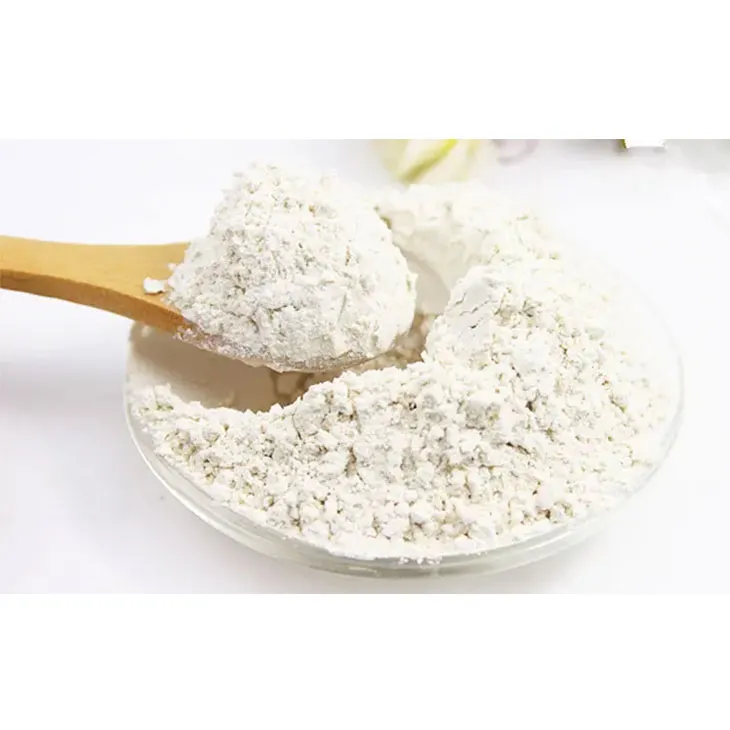
Soil conditions also matter greatly. Kidney beans grow best in well - drained, fertile soils rich in organic matter. The soil should have an appropriate pH level, usually slightly acidic to neutral. In good soil conditions, the roots of kidney beans can absorb nutrients more efficiently. For example, a soil rich in nitrogen, phosphorus, and potassium can promote the growth and development of kidney beans, leading to a higher content of proteins, vitamins, and other beneficial components. On the other hand, poor soil conditions, such as soil with high salinity or low fertility, can limit the growth of kidney beans and reduce their quality.
3.3 Regional Reputation and Quality Assurance
Some regions have a long - standing reputation for producing high - quality kidney beans. These regions often have established agricultural practices and quality control systems in place. For example, certain areas may have a tradition of using organic farming methods, which can result in kidney beans with fewer chemical contaminants. When selecting kidney bean raw materials, considering the origin and the regional reputation can be a good indicator of the quality of the beans. Additionally, some regions may have specific certifications or quality labels associated with their kidney bean production, which can provide further assurance of quality.
4. Freshness
Freshness is another crucial factor that cannot be overlooked in the selection of kidney bean raw materials.
4.1 Significance of Freshness in Extract Production
Freshly harvested kidney beans are more likely to produce high - quality extracts with intact active components. As kidney beans age, certain biochemical changes can occur. For example, enzymes may start to break down some of the beneficial compounds in the beans. This can lead to a decrease in the effectiveness of the extract. Fresh kidney beans also tend to have a better flavor and aroma, which can be important for applications in the food industry.
4.2 Indicators of Freshness
There are several indicators that can be used to assess the freshness of kidney beans. One obvious indicator is the physical appearance. Fresh kidney beans should have a firm texture, a bright color, and no signs of mold or decay. Another indicator is the moisture content. The moisture content of fresh kidney beans should be within an appropriate range. If the moisture content is too high, it can lead to spoilage, while if it is too low, the beans may have lost some of their freshness. Additionally, the smell of the kidney beans can also give an indication of their freshness. Fresh kidney beans should have a characteristic, pleasant smell.
4.3 Preservation and Storage Considerations
To maintain the freshness of kidney bean raw materials, proper preservation and storage methods are necessary. Kidney beans should be stored in a cool, dry place to prevent moisture absorption and mold growth. For long - term storage, some preservation techniques such as vacuum - packing or freezing can be considered. However, these methods should be carefully implemented to avoid any negative impacts on the quality of the beans. For example, if the freezing process is not properly controlled, it may cause damage to the cell structure of the kidney beans, which can affect the extraction process and the quality of the extract.
5. Conclusion
In conclusion, the selection of raw materials for Kidney Bean Extracts is a complex process that involves considering multiple factors. Purity, origin, and freshness are three key points that need to be carefully evaluated. By ensuring high purity, selecting kidney beans from suitable origins, and maintaining freshness, it is possible to produce high - quality Kidney Bean Extracts that can meet the requirements of various industries. This not only benefits the producers in terms of product quality and market competitiveness but also ensures the safety and effectiveness of the products for consumers.
FAQ:
Question 1: Why is purity important in the selection of Kidney Bean Extract raw materials?
Purity is crucial because contaminants and impurities in the raw kidney beans can affect the quality of the extract. High - quality raw materials without these unwanted substances can ensure that the extract has a pure composition, which is essential for its effectiveness and safety in various applications such as in the pharmaceutical or food supplement industries.
Question 2: How does the origin of kidney beans influence the quality of the extract?
Kidney beans from regions with suitable climate and soil conditions tend to have better quality and nutrient content. The right climate and soil can provide optimal growth conditions for the beans, resulting in a higher concentration of beneficial compounds. These regions may also have fewer environmental stressors or pollutants that could otherwise affect the beans' quality, ultimately leading to a better - quality extract.
Question 3: Why is freshness significant in the selection of Kidney Bean Extract raw materials?
Freshly harvested kidney beans are more likely to produce high - quality extracts with active components intact. As time passes after harvest, the beans may start to degrade, losing some of their valuable components. Fresh beans are more likely to retain all the necessary substances, such as proteins, enzymes, and other bioactive compounds, which are important for the extract to have its desired properties.
Question 4: How can one ensure the purity of Kidney Bean Extract raw materials?
To ensure purity, strict quality control measures should be implemented. This can include thorough inspection of the kidney beans during harvesting and sorting, using proper cleaning and purification techniques, and testing for contaminants such as pesticides, heavy metals, and other impurities. Additionally, sourcing from reliable suppliers who follow good agricultural and manufacturing practices can also help in obtaining pure raw materials.
Question 5: Are there any specific regions known for producing high - quality kidney beans for extraction?
There are several regions known for producing high - quality kidney beans. For example, certain areas in Central and South America have favorable climates and rich soils that are conducive to growing kidney beans with good quality and high nutrient content. In addition, some parts of Asia and Africa also produce kidney beans of relatively high quality, depending on local agricultural practices and environmental conditions.
Related literature
- The Impact of Kidney Bean Quality on Extract Properties"
- "Selecting the Best Kidney Beans for Optimal Extract Production"
- "Quality Criteria for Kidney Bean Extract Raw Materials: A Review"


-

Hawthorn Extract
2025-01-09
-

Acerola Juice Powder
2025-01-09
-

Lemon Extract
2025-01-09
-

Apricot Powder
2025-01-09
-

Ginkgo Biloba Extract
2025-01-09
-

Citrus Aurantii Extract
2025-01-09
-

Olive leaf extract
2025-01-09
-

Acerola Extract
2025-01-09
-

Hericium erinaceus extract powder
2025-01-09
-

Vitamin B6
2025-01-09