


1. Introduction
SeaBuckthorn bark extract has been gaining increasing attention in various fields such as medicine, cosmetics, and food due to its rich content of active substances. However, the quality of the extract is highly dependent on the selection of raw materials. In this article, we will discuss three key points in the selection of seaBuckthorn bark extract raw materials.
2. Species of Seabuckthorn
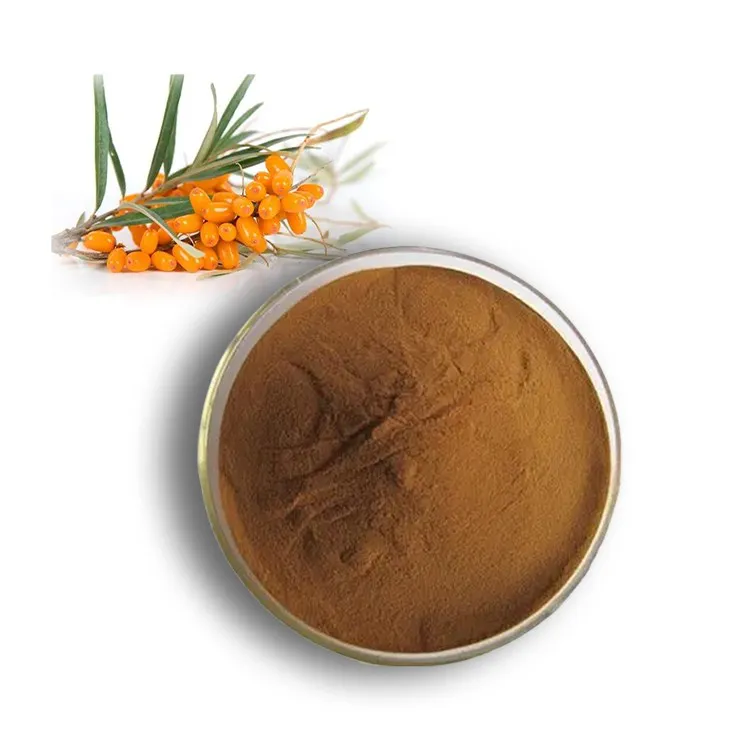
The species of seabuckthorn plays a crucial role in determining the chemical composition of its bark. Different seabuckthorn species may vary significantly in terms of the types and amounts of bioactive compounds present in their barks.
2.1. Variation in Bioactive Compounds
For example, some species may have a higher concentration of flavonoids, while others may be rich in tannins. Flavonoids are known for their antioxidant, anti - inflammatory, and anti - microbial properties. They can contribute to the health - promoting effects of seaBuckthorn bark extract. On the other hand, tannins can have astringent properties and may also play a role in antioxidant activity.
2.2. Impact on Extraction Process
The differences in chemical composition among species also affect the extraction process. Some species may require different solvents, extraction temperatures, or extraction times to obtain the optimal yield and quality of the extract. For instance, a species with a high content of lipophilic compounds may need a non - polar solvent for efficient extraction, while a species rich in hydrophilic compounds may be better extracted with a polar solvent.
2.3. Consideration in Selection
When selecting seabuckthorn bark for extraction, it is essential to identify the species accurately. This can be achieved through botanical identification methods, including morphological characteristics, genetic analysis, etc. Based on the intended use of the extract, a particular species may be preferred. For example, if the extract is intended for use in a cosmetic product targeting antioxidant activity, a species known for its high flavonoid content may be a better choice.
3. Health Status of Seabuckthorn Trees
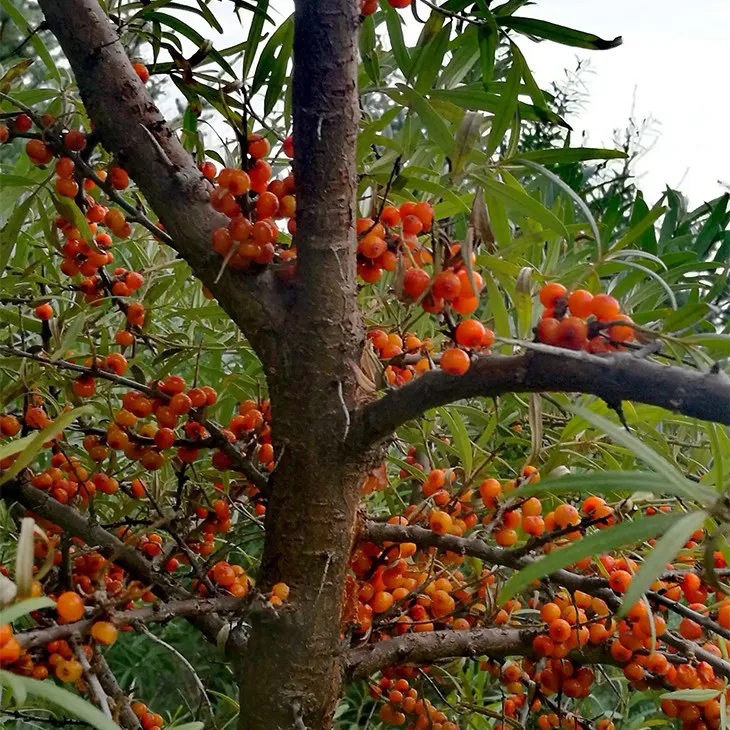
The health status of seabuckthorn trees is another important factor to consider in raw material selection. Healthy trees are more likely to produce high - quality bark for extraction.
3.1. Influence on Bark Quality
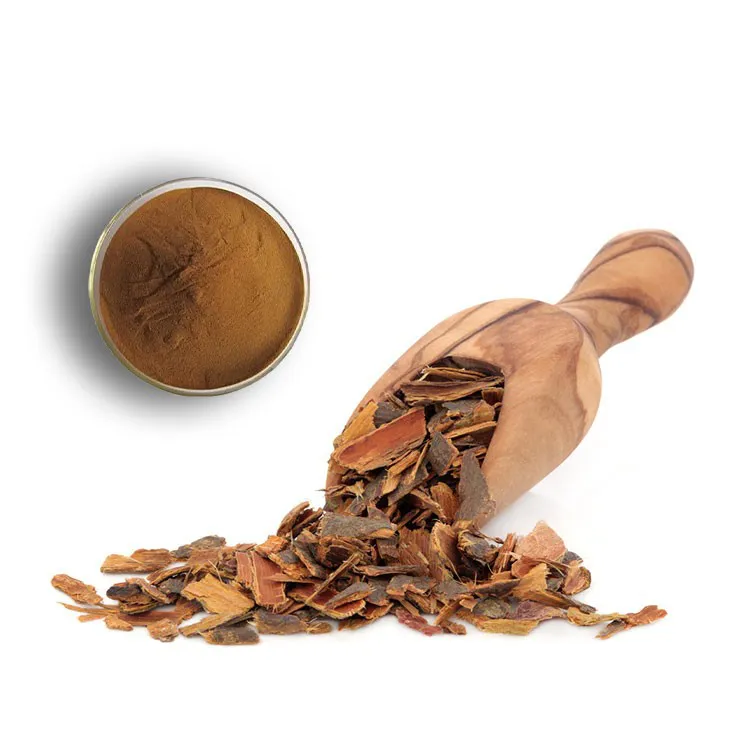
Trees that are free from diseases and pests generally have better - developed barks. Diseased or pest - infested trees may have damaged barks, which can lead to a decrease in the quality of the extract. For example, fungal infections can cause changes in the chemical composition of the bark, reducing the content of beneficial compounds or introducing harmful substances.
3.2. Nutrient Uptake and Metabolism
Healthy seabuckthorn trees are able to uptake and metabolize nutrients effectively. Adequate nutrient supply, such as nitrogen, phosphorus, and potassium, is essential for the biosynthesis of bioactive compounds in the bark. Trees growing in nutrient - rich soils are more likely to produce barks with higher levels of desired compounds.
3.3. Environmental Stress and Adaptation
Seabuckthorn trees that are well - adapted to their environment and can withstand environmental stresses, such as drought, cold, or salinity, may have more stable chemical compositions in their barks. These trees are more likely to provide consistent quality of raw materials for extraction. Monitoring the environmental conditions and the health status of seabuckthorn plantations is crucial for ensuring the quality of the bark used for extraction.
4. Post - Harvesting Handling of the Bark
The post - harvesting handling of the bark is the third key point in raw material selection. Appropriate handling can effectively preserve the active substances in the bark.
4.1. Immediate Processing
After harvesting, it is important to process the bark as soon as possible. Delayed processing can lead to the degradation of active substances. For example, enzymes present in the bark may start to break down bioactive compounds if the bark is left untreated for a long time. Therefore, rapid transportation of the harvested bark to the processing facility is essential.
4.2. Drying Process
The drying process of the bark is critical. Proper drying can prevent the growth of microorganisms and preserve the chemical integrity of the bark. There are different drying methods, such as air drying, sun drying, and oven drying. Each method has its own advantages and disadvantages. Air drying is a natural and cost - effective method, but it may be time - consuming and affected by weather conditions. Sun drying can be efficient in sunny regions, but it requires careful monitoring to avoid over - drying or contamination. Oven drying allows for more precise control of temperature and humidity, but it may require more energy input.
4.3. Storage Conditions
Once the bark is dried, proper storage conditions are necessary to maintain its quality. The storage environment should be cool, dry, and well - ventilated. High humidity can cause the reabsorption of moisture by the bark, leading to the growth of mold and the degradation of active substances. Additionally, the bark should be stored in a way that protects it from light, as some active compounds may be sensitive to light exposure.
5. Conclusion
In conclusion, the selection of seaBuckthorn bark extract raw materials involves careful consideration of three key points: the species of seabuckthorn, the health status of the trees, and the post - harvesting handling of the bark. By paying attention to these factors, it is possible to obtain high - quality seaBuckthorn bark extract with consistent chemical composition and bioactivity, which can be further utilized in various industries for the development of valuable products.
FAQ:
What are the differences in chemical constituents among different seabuckthorn species' barks?
Different seabuckthorn species have evolved unique genetic make - ups which lead to variations in their secondary metabolite production in the bark. For example, some species may have a higher concentration of flavonoids, while others might be rich in tannins. These differences can affect the potential health benefits and applications of the seaBuckthorn bark extract.
How can one determine the health status of seabuckthorn trees?
There are several ways to assess the health status of seabuckthorn trees. Visual inspection can reveal signs such as the color and condition of the leaves (healthy leaves are usually green and full), the presence of pests or diseases (e.g., holes in leaves may indicate insect infestation), and the overall growth pattern (a stunted or deformed tree may be unhealthy). Additionally, soil analysis around the tree can provide information about nutrient availability, which is crucial for tree health.
What are the proper post - harvesting handling methods for seabuckthorn bark?
Immediately after harvesting, the bark should be cleaned to remove any dirt or debris. It should then be dried quickly at a low temperature to prevent the growth of mold and to preserve the active substances. Some methods involve using a well - ventilated drying room or special drying equipment. Packaging also plays an important role. The dried bark should be stored in airtight and moisture - proof containers to maintain its quality.
Why does the species of seabuckthorn matter in raw material selection for extract?
The species of seabuckthorn matters because different species have distinct chemical profiles in their barks. These chemical constituents are what give the seaBuckthorn bark extract its various properties. For example, if a particular application requires a high concentration of a certain antioxidant compound, a specific seabuckthorn species with a greater amount of that compound in its bark would be more suitable for extraction.
How does the health of seabuckthorn trees impact the quality of the bark extract?
Healthy seabuckthorn trees are more likely to have well - developed and physiologically active barks. In unhealthy trees, there may be disruptions in the biosynthesis of important secondary metabolites due to factors like pest attacks or nutrient deficiencies. As a result, the bark of healthy trees is more likely to yield a higher - quality extract with a more consistent and potent composition of active substances.
Related literature
- Chemical Composition and Biological Activities of Seabuckthorn (Hippophae rhamnoides L.)"
- "The Significance of Seabuckthorn in Health and Cosmetics: A Review of its Properties"
- "Sustainable Harvesting of Seabuckthorn: Implications for Bark Extract Production"


-

Bamboo Leaf extract
2024-12-21
-

Red Yeast Rice
2024-12-21
-

Eucommia Ulmoides Extract
2024-12-21
-

Saffron Extract Powder
2024-12-21
-

Hops Extract
2024-12-21
-

Mulberry leaf Extract
2024-12-21
-

Beta Carotene
2024-12-21
-

Grapefruit Seed Extract Powder
2024-12-21
-

Orange Flavor Powder
2024-12-21
-

Ginseng Root Extract
2024-12-21