


1. Physical Characteristics of Yams
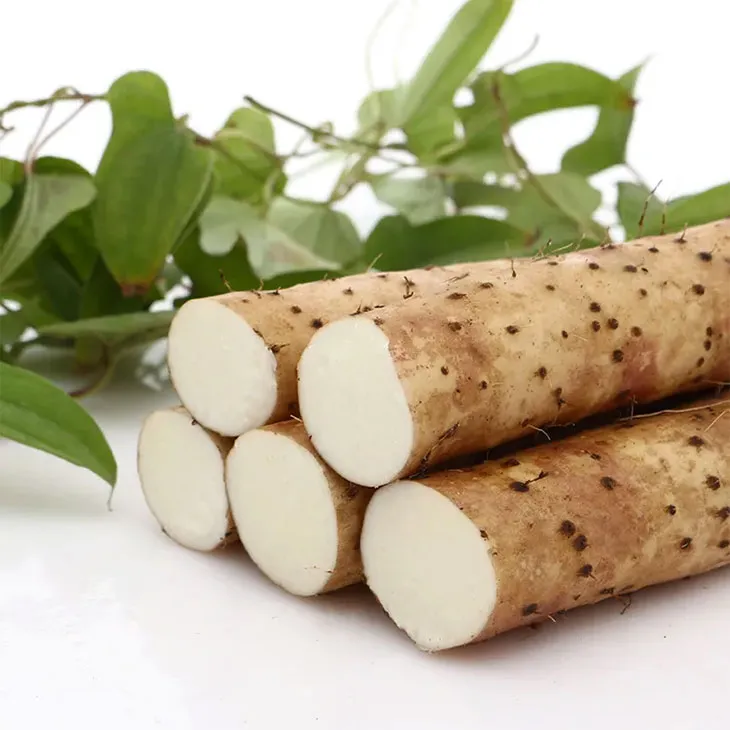
The physical characteristics of yams play a significant role in the extraction process and can have an impact on the extraction efficiency. Size is one of the crucial factors. Larger yams may potentially contain more of the substances that are desired for extraction. However, it does not always mean that the bigger the yam, the better. For example, if the yam is overly large, it might have a more complex internal structure, which could make the extraction process more difficult. The extraction solvents may not be able to penetrate evenly throughout the yam, leading to incomplete extraction.
Shape also matters. Yams with a more regular shape, such as those that are cylindrical and relatively straight, are often more preferable. Irregularly shaped yams may have different thicknesses in different parts. During the extraction process, the parts with different thicknesses may experience different extraction rates. For instance, the thinner parts might be over - extracted while the thicker parts are under - extracted. This can result in an inconsistent quality of the Yam Extract.
Another physical aspect to consider is the texture of the yam. Yams with a firmer texture may hold their structure better during the extraction process, which can be beneficial. A softer - textured yam may break down more easily, potentially clogging the extraction equipment or interfering with the separation of the extract from the solid residue.
2. Chemical Composition of Yams
The chemical composition of yams is directly related to the functionality of the Yam Extract. Yams are rich in various bioactive compounds.
2.1. Polysaccharides
Polysaccharides in yams are an important component. For example, dioscorea polysaccharides have been shown to have various health - promoting effects. They can enhance the immune system, regulate blood sugar levels, and have antioxidant properties. When selecting yams for extraction, those with a higher content of polysaccharides are often more desirable. The amount of polysaccharides can vary depending on the variety of yam and the growing conditions. Some yam varieties are specifically known for their high polysaccharide content.

2.2. Steroidal Saponins
Steroidal saponins are another group of important chemical constituents in yams. These compounds have potential medicinal value. They can have anti - inflammatory and anti - cancer properties. Yams with a significant amount of steroidal saponins can produce extracts that may be used in the development of new drugs or functional foods. However, the extraction and purification of steroidal saponins can be a complex process, and the presence of other interfering substances in the yam needs to be considered.

2.3. Flavonoids
Yams also contain flavonoids, which are well - known for their antioxidant and anti - aging properties. Flavonoids can protect cells from oxidative damage and contribute to the overall health - promoting effects of the Yam Extract. The type and quantity of flavonoids in yams can vary. Some yam species may be rich in specific types of flavonoids, which can give the extract unique properties. For example, certain flavonoids may have a stronger effect on cardiovascular health or skin health.
3. Safety of Yams
Ensuring the safety of yams used for extraction is of utmost importance. This involves several aspects.
3.1. Pesticide Residues
Yams are often grown in agricultural fields, and there is a risk of pesticide residues. High levels of pesticide residues in the raw yams can be transferred to the extract. To avoid this, it is necessary to select yams that are grown using sustainable and low - pesticide farming methods. Organic yams are a good choice in this regard as they are grown without the use of synthetic pesticides. Regular testing for pesticide residues should also be carried out during the raw material selection process. If pesticide residues are detected above the acceptable limits, the yams should not be used for extraction.
3.2. Heavy Metal Contamination
Yams can absorb heavy metals from the soil, such as lead, cadmium, and mercury. Heavy metal contamination can pose serious health risks. High levels of heavy metals in the Yam Extract can be toxic when consumed. Therefore, it is essential to source yams from areas with clean soil and low heavy metal levels. Soil testing in the yam - growing regions can help to identify potential heavy metal problems. Yams from contaminated areas should be excluded from the raw material selection.
3.3. Microbial Contamination
During the growth, harvesting, and storage of yams, there is a possibility of microbial contamination. Microbes such as bacteria, fungi, and molds can grow on yams. If the contaminated yams are used for extraction, the resulting extract may also be contaminated. This can lead to spoilage of the extract and potential health risks for consumers. To prevent microbial contamination, proper agricultural practices, including good harvesting and storage conditions, should be ensured. Yams should be stored in a cool, dry place to inhibit the growth of microbes. Before extraction, the yams should be carefully inspected for any signs of microbial growth, such as mold spots or foul odors.
FAQ:
Q1: How does the size of yams affect the extraction efficiency of Yam Extract?
Larger yams may have a different internal structure compared to smaller ones. Generally, a proper size might ensure better penetration of extraction solvents, which is related to the extraction efficiency. If the yam is too large, the solvent may not be able to fully reach all parts of the yam, resulting in incomplete extraction. On the other hand, if it is too small, there may be more surface area exposed, which could potentially lead to excessive oxidation or loss of certain components during extraction.
Q2: What are the important chemical components in yams that contribute to the functionality of Yam Extract?
Yams contain various important chemical components. For example, they have polysaccharides like diosgenin, which is known for its potential health - promoting properties such as antioxidant and anti - inflammatory effects. Also, yams contain dietary fiber, vitamins (such as Vitamin C, Vitamin B6), and minerals (such as potassium). These components together contribute to the functionality of the Yam Extract, like improving digestion, enhancing the immune system, and regulating blood sugar levels.
Q3: How can we ensure the safety of yams used for Yam Extract?
To ensure the safety of yams for Yam Extract, several steps can be taken. Firstly, the source of yams should be carefully selected, preferably from reliable suppliers or farms with good agricultural practices. Secondly, yams should be inspected for any signs of contamination, such as mold or pesticide residue. Thirdly, appropriate storage conditions should be maintained to prevent spoilage and the growth of harmful microorganisms. Additionally, during the extraction process, strict quality control measures should be implemented to detect and remove any potential harmful substances.
Q4: Are there any specific shape characteristics of yams that are favorable for extraction?
Yams with a more regular shape may be more favorable for extraction. A regular shape, such as a cylindrical shape, allows for more uniform packing during extraction processes. This can ensure that the extraction solvent can evenly interact with the yam tissue, resulting in more consistent extraction results. Irregularly shaped yams may have areas where the solvent cannot reach effectively, leading to variability in the extraction.
Q5: How does the chemical composition of yams determine the different functions of Yam Extract?
Different chemical components in yams play different roles in determining the functions of Yam Extract. As mentioned before, polysaccharides like diosgenin contribute to antioxidant and anti - inflammatory functions. Dietary fiber in yams can improve gastrointestinal function by promoting bowel movements. Vitamins and minerals support various physiological functions in the body. For example, Vitamin C is important for the immune system, and potassium is involved in maintaining normal heart function. The combination and proportion of these chemical components in the Yam Extract ultimately determine its overall functionality.
Related literature
- The Chemical Composition and Functional Properties of Yam: A Review"
- "Yam Extraction: Optimizing Raw Material Selection for Maximum Efficacy"
- "Safety Considerations in Yam - based Product Development"


-

Alfalfa Meal
2024-12-20
-

Taurine
2024-12-20
-

Thunder God Vine Extract
2024-12-20
-

Mulberry leaf Extract
2024-12-20
-

Sea buckthorn oil
2024-12-20
-

American Ginseng Root Extract
2024-12-20
-

Diosmin
2024-12-20
-

Yohimbine Bark Extract
2024-12-20
-

Troxerutin
2024-12-20
-

Feverfew Extract
2024-12-20