


1. Introduction
Ginseng Root Extract has been highly regarded in traditional medicine for centuries due to its numerous health - promoting properties. It is rich in active compounds such as ginsenosides, which are believed to have antioxidant, anti - inflammatory, and adaptogenic effects. The extraction process of Ginseng Root Extract is a crucial step in obtaining these beneficial components for use in various products, including dietary supplements, cosmetics, and traditional medicine preparations. This article will delve into the details of the extraction process, highlighting the key steps and factors involved.
2. Selection of Ginseng Roots
The first step in the extraction process is the careful selection of high - quality ginseng roots. Different types of ginseng, such as Panax ginseng (Asian ginseng) and Panax quinquefolius (American ginseng), are used depending on the desired properties and market demand. The roots are typically sourced from reliable growers or suppliers who adhere to good agricultural practices.
When selecting ginseng roots, several factors are considered:
- Age of the root: Older roots are often preferred as they tend to have a higher concentration of active compounds. For example, ginseng roots that are 4 - 6 years old are commonly used in commercial extraction processes.
- Appearance: The roots should be intact, free from visible damage, mold, or signs of disease. A healthy root is typically firm and has a characteristic shape and color depending on the type of ginseng.
- Origin: The geographical origin of the ginseng root can also affect its quality. Certain regions are known for producing high - quality ginseng due to favorable soil, climate, and cultivation methods.
3. Preparation of Ginseng Roots
Once the ginseng roots are selected, they need to be properly prepared for extraction. This involves two main steps: washing and drying.
3.1 Washing
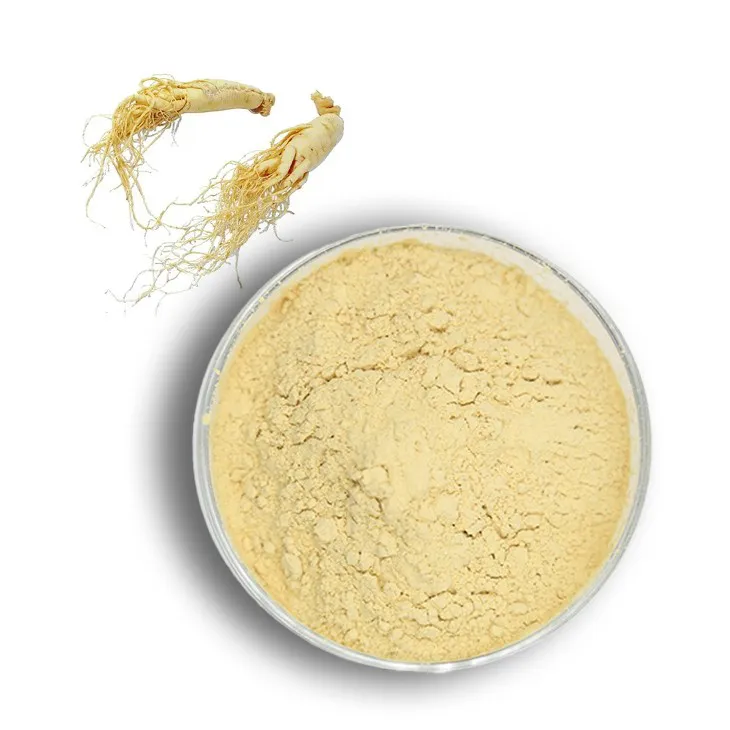
The ginseng roots are washed thoroughly to remove dirt, debris, and any surface contaminants. This can be done using clean water, either by gentle scrubbing or soaking. Care must be taken not to damage the roots during the washing process as this could potentially affect the extraction efficiency and the quality of the final extract.
3.2 Drying
After washing, the ginseng roots are dried. Drying serves multiple purposes. It helps to preserve the roots, reduce moisture content, and make them more suitable for extraction. There are different methods of drying ginseng roots:
- Air - drying: This is a traditional method where the roots are spread out in a well - ventilated area and allowed to dry naturally. It is a slow process but can be effective for small - scale production. However, it requires careful monitoring to prevent mold growth, especially in humid environments.
- Oven - drying: In larger - scale operations, oven - drying is often used. The roots are placed in an oven at a controlled temperature (usually between 40 - 60°C) until the desired moisture level is achieved. This method is faster than air - drying but requires precise temperature control to avoid over - drying or heat - damage to the roots.
4. Solvent Extraction
Solvent extraction is one of the most common methods used to obtain Ginseng Root Extract. The principle behind solvent extraction is to use a suitable solvent to dissolve and extract the active compounds from the ginseng roots. The choice of solvent is crucial as it can significantly affect the extraction efficiency and the quality of the extract.

4.1 Selection of Solvents
Several solvents can be used for Ginseng Root Extraction, each with its own advantages and disadvantages:
- Water: Water is a simple and environmentally friendly solvent. It can extract water - soluble compounds such as polysaccharides from ginseng roots. However, water extraction may not be as effective in extracting lipophilic compounds like some ginsenosides.
- Ethanol: Ethanol is a widely used solvent in ginseng extraction. It can dissolve a wide range of active compounds, including ginsenosides. Ethanol - based extracts are also more stable and have a longer shelf - life compared to water - based extracts. The concentration of ethanol can vary, but commonly used concentrations are around 50 - 70%.
- Methanol: Methanol is another alcohol - based solvent that can be used for extraction. It has a higher polarity than ethanol, which may make it more effective in extracting certain compounds. However, methanol is toxic and requires careful handling and purification to ensure the safety of the final extract.
- Supercritical CO₂: Supercritical carbon dioxide (CO₂) is a relatively new and advanced solvent for ginseng extraction. It has the advantages of being non - toxic, non - flammable, and environmentally friendly. Supercritical CO₂ can selectively extract different compounds based on pressure and temperature conditions. However, the equipment required for supercritical CO₂ extraction is expensive and complex.

4.2 Extraction Procedure
The solvent extraction process typically involves the following steps:
- Grinding or Crushing: The dried ginseng roots are first ground or crushed into a fine powder. This increases the surface area of the roots, allowing for better contact with the solvent and more efficient extraction.
- Mixing with Solvent: The powdered ginseng roots are then mixed with the selected solvent in a suitable container. The ratio of root powder to solvent depends on various factors such as the type of solvent, the extraction method, and the desired concentration of the extract. This mixture is usually stirred or shaken to ensure thorough mixing.
- Extraction Time and Temperature: The extraction is carried out at a specific temperature and for a certain period of time. The temperature and time can vary depending on the solvent and the extraction system. For example, when using ethanol as a solvent, extraction may be carried out at room temperature for several hours or at a slightly elevated temperature (around 40 - 60°C) for a shorter period of time.
- Filtration: After the extraction is complete, the mixture is filtered to separate the liquid extract (containing the dissolved active compounds) from the solid residue (the remaining root material). Filtration can be done using various methods such as filter paper, vacuum filtration, or membrane filtration.
5. Purification of the Extract
After solvent extraction, the obtained extract may still contain impurities such as residual solvent, pigments, and other unwanted substances. Purification steps are therefore necessary to obtain a more concentrated and pure Ginseng Root Extract.

5.1 Evaporation
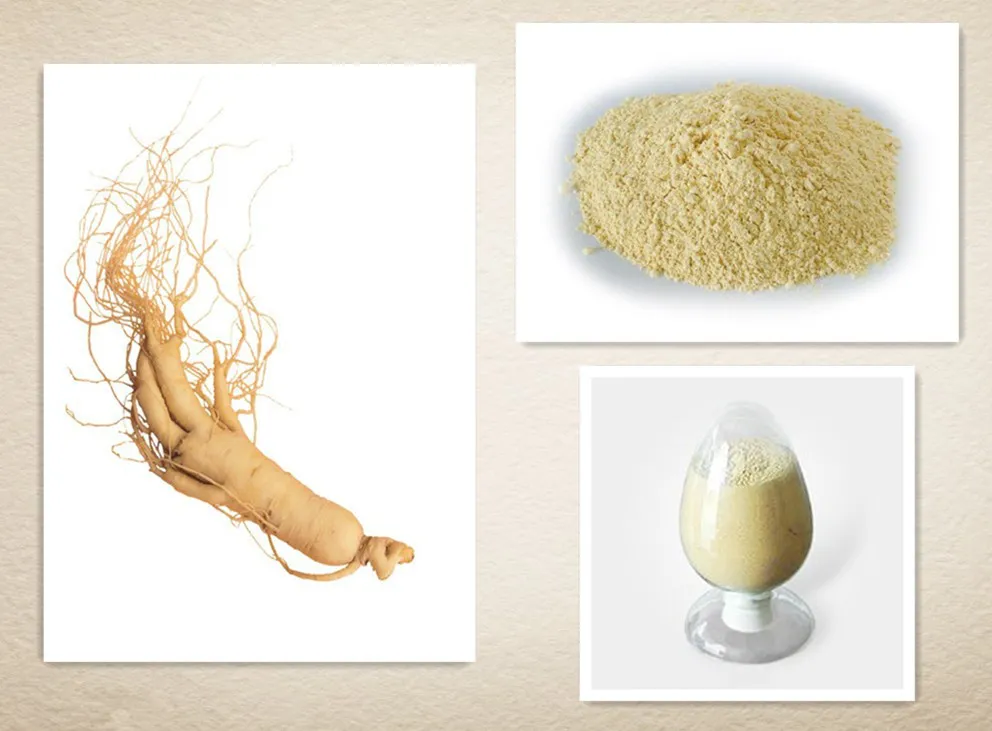
One of the common purification methods is evaporation. If the solvent used for extraction is volatile, such as ethanol or methanol, the solvent can be evaporated under reduced pressure or at a slightly elevated temperature. This helps to remove the excess solvent and concentrate the extract. However, care must be taken not to over - heat the extract during evaporation as this could potentially damage the active compounds.
5.2 Chromatography
Chromatography is a more advanced purification technique that can be used to separate and purify the active compounds in the Ginseng Root Extract. There are different types of chromatography that can be applied:
- Column Chromatography: In column chromatography, the extract is passed through a column filled with a stationary phase (such as silica gel or resin). Different compounds in the extract interact differently with the stationary phase and are eluted at different rates, allowing for separation and purification.
- High - Performance Liquid Chromatography (HPLC): HPLC is a more sophisticated and precise form of chromatography. It can be used to separate and quantify individual active compounds in the Ginseng Root Extract with high accuracy. However, HPLC equipment is expensive and requires skilled operators.
6. Processing and Formulation of the Extract
Once the Ginseng Root Extract has been purified, it can be processed into different forms for use in various products.
6.1 Dietary Supplements
In the case of dietary supplements, the Ginseng Root Extract may be encapsulated in gelatin or vegetable capsules, or made into tablets. Additional ingredients such as fillers, binders, and stabilizers may be added to ensure the proper formation and stability of the supplement. The dosage of the Ginseng Root Extract in dietary supplements is carefully regulated to ensure safety and efficacy.
6.2 Cosmetics
For use in cosmetics, the Ginseng Root Extract can be incorporated into creams, lotions, serums, and masks. It can provide various benefits to the skin, such as improving skin elasticity, reducing wrinkles, and enhancing skin hydration. In cosmetics, the extract is often combined with other active ingredients and formulated to be suitable for different skin types.
7. Conclusion
The extraction process of Ginseng Root Extract is a complex and multi - step procedure that involves careful selection of roots, preparation, solvent extraction, purification, and final processing into different product forms. Each step plays a crucial role in obtaining a high - quality extract with the desired health - promoting properties. With the increasing demand for natural products and the growing recognition of the benefits of ginseng, continuous research and improvement in the extraction process are expected to further enhance the quality and efficacy of Ginseng Root Extract in various applications.
FAQ:
What are the main steps in the Ginseng Root Extract extraction process?
The main steps include carefully selecting high - quality ginseng roots, washing and drying them, using solvent extraction to draw out active compounds, and then may involve purification steps to remove impurities and finally processing the extract into different forms.
Why is high - quality ginseng root selection important in the extraction process?
High - quality ginseng roots are important because they contain more of the desired active compounds. Inferior roots may have lower levels of these beneficial substances, which can affect the quality and effectiveness of the final extract.
What solvents are commonly used in the solvent extraction of Ginseng Root Extract?
Common solvents used may include ethanol. Ethanol is often favored as it can effectively extract the active compounds while being relatively safe and easy to handle. However, other solvents may also be used depending on specific requirements and extraction techniques.
How does the purification process work in the extraction of Ginseng Root Extract?
The purification process typically involves techniques such as filtration and chromatography. Filtration can remove large particles and some impurities. Chromatography can further separate and purify the extract by exploiting the differences in the physical and chemical properties of the components in the extract.
What are the applications of Ginseng Root Extract in different products?
Ginseng Root Extract is used in dietary supplements as it is believed to have various health - promoting effects such as enhancing energy and improving immunity. In cosmetics, it may be used for its antioxidant properties, which can help in anti - aging and skin health improvement.
Related literature
- Extraction and Analysis of Active Compounds from Ginseng Roots"
- "The Science behind Ginseng Root Extract: From Extraction to Application"
- "Ginseng Root Extract: Modern Extraction Methods and Their Significance"


-

Dan Shen Root Extract/Salvia Root Extract
2024-12-06
-

D-Mannose
2024-12-06
-

Saffron Extract Powder
2024-12-06
-

Licorice Root Extract Powder
2024-12-06
-

Milk Thistle Extract
2024-12-06
-

Red Vine Extract
2024-12-06
-

Cat Claw Extract
2024-12-06
-

White Peony Extract
2024-12-06
-

Acerola Extract
2024-12-06
-

Lycopene
2024-12-06