


1. Introduction
Mulberry leaves have been used in traditional medicine for centuries, and their extracts are now recognized for their potential health benefits. Understanding the extraction process of Mulberry leaf Extract is crucial for obtaining high - quality products. This article will explore the various aspects of this extraction process, including the factors influencing it, different extraction techniques, and associated environmental and economic factors.
2. Harvesting Time of Mulberry Leaves
The harvesting time of mulberry leaves is a critical factor that can significantly impact the quality of the extract.
2.1. Seasonal Variations
- In spring, mulberry leaves are often tender and rich in nutrients. They may contain higher levels of bioactive compounds such as flavonoids and polyphenols.
- During summer, the leaves may have different chemical compositions due to factors like increased sunlight exposure and temperature.
- Autumn - harvested leaves might also show variations in their metabolite profiles.

2.2. Maturity of Leaves
- Young leaves are generally considered to be more suitable for extraction in some cases. They are often more delicate and may have a higher concentration of certain valuable compounds.
- However, mature leaves also have their own advantages. They may contain different types of bioactive substances that are developed during the growth process.
3. Extraction Techniques
There are several extraction techniques available for obtaining Mulberry leaf Extract, each with its own characteristics.
3.1. Solvent Extraction
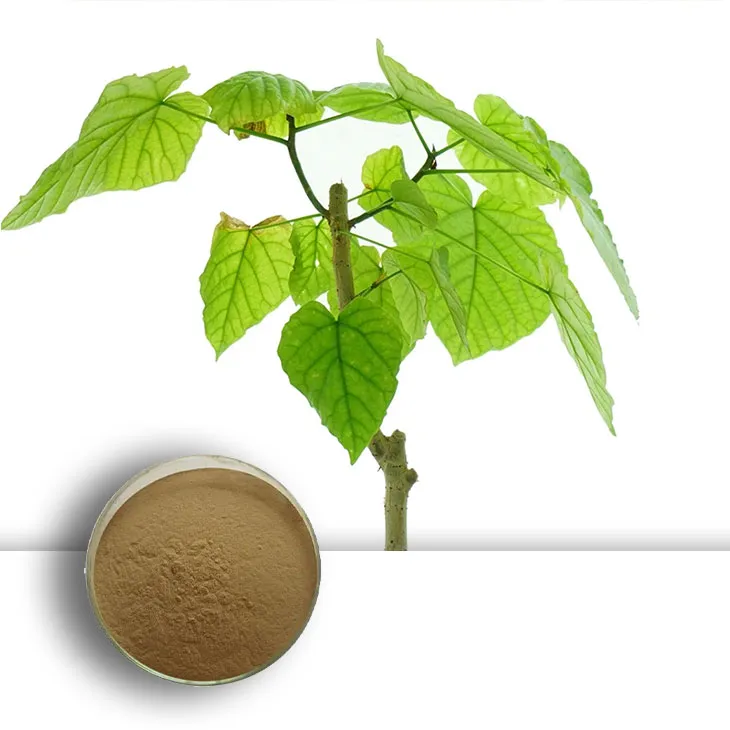
- Solvent extraction is one of the most common methods. Ethanol is often used as a solvent. The process involves soaking the mulberry leaves in ethanol for a certain period.
- Firstly, the leaves are dried and ground into a fine powder. Then, the powder is mixed with ethanol in a suitable ratio.
- After that, the mixture is stirred continuously for a specific time, usually several hours to days.
- Finally, the extract is obtained by filtering the mixture and evaporating the solvent.
3.2. Microwave - Assisted Extraction
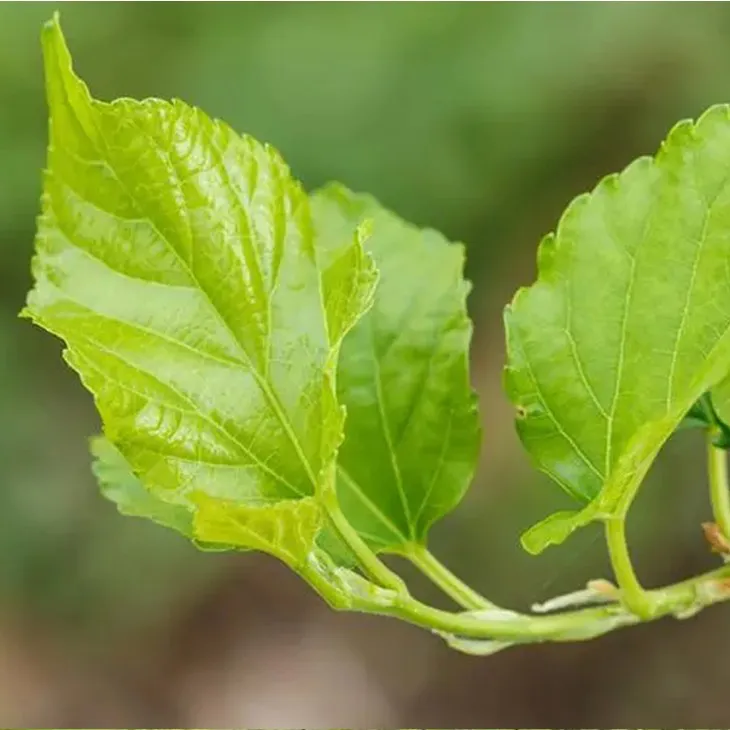
- Microwave - assisted extraction (MAE) is a relatively modern technique. It utilizes microwave energy to enhance the extraction process.
- The mulberry leaves are placed in a microwave - compatible container along with the solvent.
- Microwave irradiation is applied for a short period, which causes rapid heating of the solvent - leaf mixture. This heating promotes the release of bioactive compounds from the leaves into the solvent.
- Compared to traditional solvent extraction, MAE can significantly reduce the extraction time and often requires less solvent, which is more environmentally friendly.
3.3. Ultrasonic - Assisted Extraction
- Ultrasonic - assisted extraction (UAE) also offers certain advantages. In this method, ultrasonic waves are applied to the solvent - leaf mixture.
- The ultrasonic waves create cavitation bubbles in the solvent. When these bubbles collapse, they generate intense local pressure and temperature changes.
- These physical effects help to break the cell walls of the mulberry leaves more effectively, facilitating the release of bioactive compounds. UAE can also improve the extraction efficiency and shorten the extraction time.
4. Modern Technologies in Optimization
Modern technologies play an important role in optimizing the extraction process of Mulberry leaf Extract.
4.1. High - Pressure Processing
- High - pressure processing (HPP) can be used to pretreat the mulberry leaves before extraction. Under high pressure, the structure of the plant cells can be altered.
- This alteration can make the cell walls more permeable, allowing the solvent to more easily penetrate and extract the bioactive compounds during the subsequent extraction process.
- HPP is a non - thermal processing method, which means it can preserve the heat - sensitive bioactive compounds in the mulberry leaves better compared to some traditional thermal pretreatment methods.
4.2. Supercritical Fluid Extraction
- Supercritical fluid extraction (SFE) is another advanced technology. Supercritical fluids, such as supercritical carbon dioxide, are used as solvents.
- Supercritical carbon dioxide has properties between a gas and a liquid at specific conditions. It has a high diffusivity and low viscosity, which enables it to penetrate the mulberry leaves effectively.
- SFE can be used to selectively extract specific bioactive compounds from the mulberry leaves, depending on the operating conditions such as pressure and temperature.
- Moreover, since carbon dioxide is a gas at normal conditions, it can be easily removed from the extract, leaving behind a pure and high - quality product.
5. Environmental and Economic Factors
The extraction process of Mulberry leaf Extract is also associated with various environmental and economic factors.
5.1. Environmental Factors
- The choice of solvent has a significant impact on the environment. For example, some organic solvents may be volatile and contribute to air pollution if not properly handled. Ethanol, although relatively more environmentally friendly, still requires proper management of its production and disposal.
- The energy consumption during the extraction process, especially for techniques like microwave - assisted extraction and high - pressure processing, needs to be considered. Using energy - efficient equipment and optimizing the extraction parameters can help reduce the environmental footprint.
- The waste generated during the extraction, such as spent leaves and residual solvent, also needs to be disposed of in an environmentally responsible way.
5.2. Economic Factors
- The cost of raw materials, i.e., mulberry leaves, can vary depending on factors such as the harvesting season, location, and quality. High - quality leaves from a specific harvesting time may be more expensive but can also lead to a higher - quality extract.
- The cost of extraction equipment and solvents also plays an important role. Advanced extraction techniques may require more expensive equipment, but they can often improve the extraction efficiency and product quality, which may offset the initial investment in the long run.
- Market demand and price of the Mulberry leaf Extract also influence the economic viability of the extraction process. As the demand for natural and health - promoting products increases, the economic prospects of Mulberry leaf Extract production are likely to improve.
6. Conclusion
The extraction process of Mulberry leaf Extract is a complex yet fascinating area. The harvesting time of mulberry leaves, different extraction techniques, and the application of modern technologies all contribute to the quality and efficiency of the extraction. At the same time, environmental and economic factors need to be carefully considered to ensure sustainable production. By understanding these aspects comprehensively, we can better optimize the extraction process of Mulberry leaf Extract and harness its potential for various applications in the fields of medicine, food, and cosmetics.
FAQ:
What is the ideal harvesting time for mulberry leaves to obtain high - quality extract?
The ideal harvesting time for mulberry leaves to get high - quality extract is often related to the growth stage of the mulberry tree. Generally, young and tender leaves are preferred as they may contain higher levels of active compounds. For example, in the early spring when the leaves are just emerging, they are rich in certain nutrients and bioactive substances. However, different species of mulberry and the intended use of the extract may also influence the optimal harvesting time.
How does microwave - assisted extraction work in the process of Mulberry leaf Extract?
Microwave - assisted extraction utilizes microwaves to heat the solvent and the mulberry leaf material. The microwaves cause the molecules in the solvent to vibrate rapidly, which in turn generates heat. This heat helps to break down the cell walls of the mulberry leaves more efficiently, allowing the active compounds to be released into the solvent more quickly compared to traditional extraction methods. It can also enhance the mass transfer of the solutes from the solid matrix (mulberry leaves) to the liquid solvent, thus increasing the extraction yield and potentially improving the quality of the extract.
What are the modern technologies used to optimize the extraction process of Mulberry leaf Extract?
Besides microwave - assisted extraction, supercritical fluid extraction is also used. Supercritical fluids, such as supercritical CO2, have properties between a gas and a liquid. They can penetrate the plant material easily and selectively extract the desired compounds from the mulberry leaves. Another technology is ultrasonic - assisted extraction. Ultrasonic waves create cavitation bubbles in the solvent, which implode and generate high - pressure and high - temperature micro - environments. These micro - environments can disrupt the cell structures of the mulberry leaves and improve the extraction efficiency.
How do environmental factors affect the extraction process of Mulberry leaf Extract?
Environmental factors can have significant impacts. For example, the climate where the mulberry trees are grown affects the growth and composition of the leaves. If the area has high pollution levels, the leaves may absorb pollutants, which could then affect the quality of the extract. Also, the availability of water and sunlight during the growth of mulberry trees can influence the content of bioactive compounds in the leaves. In the extraction process itself, environmental regulations regarding waste disposal and energy consumption need to be considered. If the extraction method consumes a large amount of energy or generates a lot of waste, it may not be environmentally friendly.
What are the economic factors associated with the extraction process of Mulberry leaf Extract?
The economic factors are multi - faceted. The cost of raw materials, that is, the mulberry leaves, depends on factors such as the cost of cultivation, harvesting, and transportation. The extraction equipment used, whether it is high - tech and expensive like some modern extraction machines or more traditional and relatively inexpensive ones, also affects the overall cost. Additionally, the market demand for the Mulberry leaf Extract and its price determine the economic viability of the extraction process. If the cost of production is too high compared to the market price, it may not be economically profitable.
Related literature
- Optimization of Mulberry leaf Extract Extraction Process"
- "The Influence of Harvesting Time on Mulberry leaf Extract Quality"
- "Modern Technologies in Mulberry leaf Extract Extraction"


-

Mulberry Extract
2024-12-06
-

Baicalin
2024-12-06
-

Vitamin C
2024-12-06
-

Oat Straw Extract Powder
2024-12-06
-

Tormentil Extract
2024-12-06
-

Passionflower Extract
2024-12-06
-

Pomegranate Extract
2024-12-06
-

Polygonum Cuspidatum Extract
2024-12-06
-

Melatonin
2024-12-06
-

Kupilu Extract
2024-12-06