


1. Introduction
Pine bark Extract Powder has emerged as a highly valuable natural product in recent years. It is renowned for its numerous health - promoting properties, which include antioxidant, anti - inflammatory, and cardiovascular - protective effects. Understanding the extraction process of this powder is not only interesting from a scientific perspective but also crucial for industries relying on its production, such as pharmaceuticals, cosmetics, and food supplements.
2. Sourcing of Pine Bark
The first step in the extraction process is the collection of high - quality pine bark. This is not a haphazard process but rather a carefully planned and executed one.
2.1 Sustainability
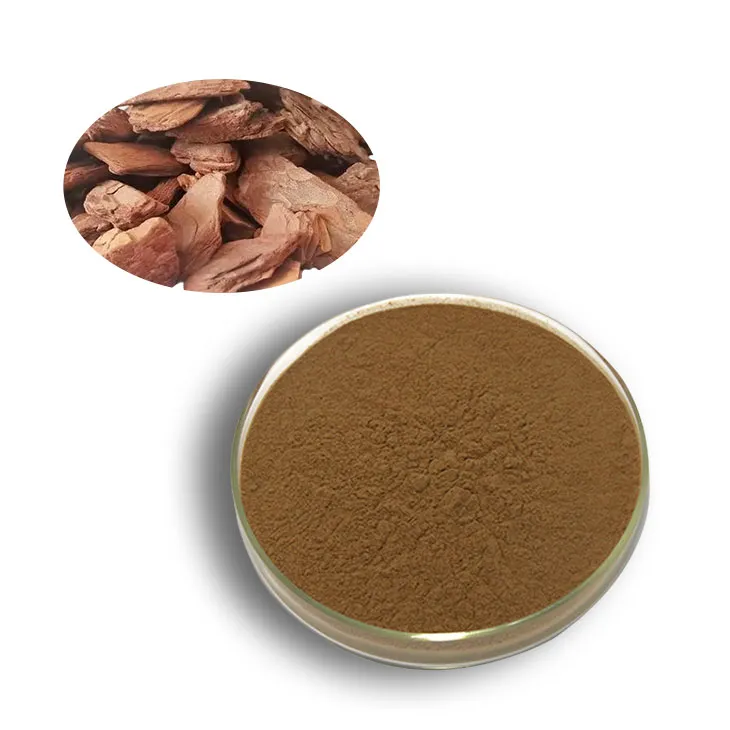
The pine bark is usually sourced from sustainable pine forests. This is of utmost importance as it ensures the long - term availability of the raw material while also minimizing the environmental impact. Sustainable forestry practices involve proper management of forest resources, including replanting of trees, protection of wildlife habitats, and controlled harvesting.
2.2 Quality Considerations
The quality of the pine bark can vary depending on several factors. For example, the age of the pine tree can influence the chemical composition of the bark. Older trees may have a different concentration of active compounds compared to younger ones. Additionally, the geographical location of the forest can also play a role. Pine bark from certain regions may be more suitable for extraction due to differences in soil composition, climate, and other environmental factors.
3. Cleaning of Pine Bark
Once the pine bark has been sourced, it must be thoroughly cleaned. This step is essential for removing impurities that could potentially affect the quality of the final extract.
3.1 Types of Impurities
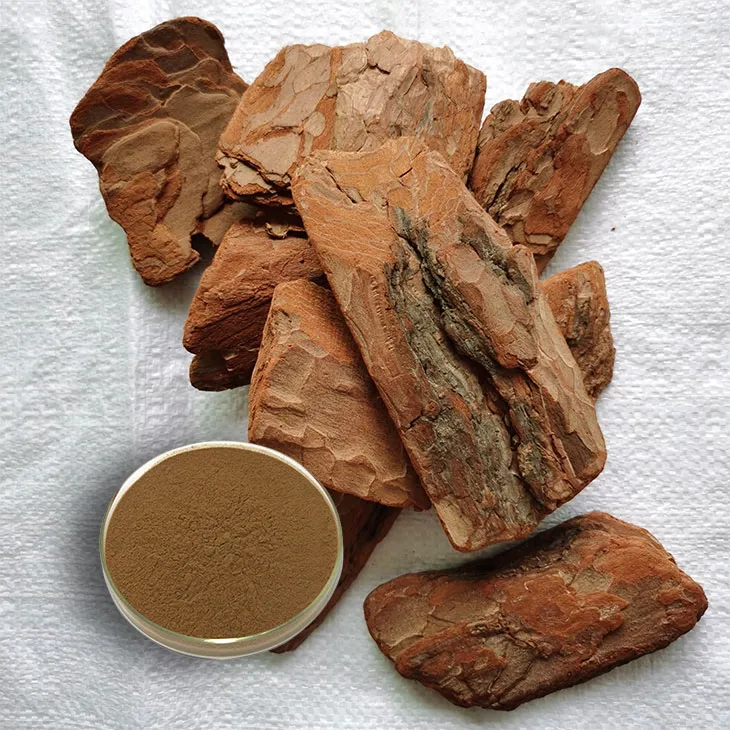
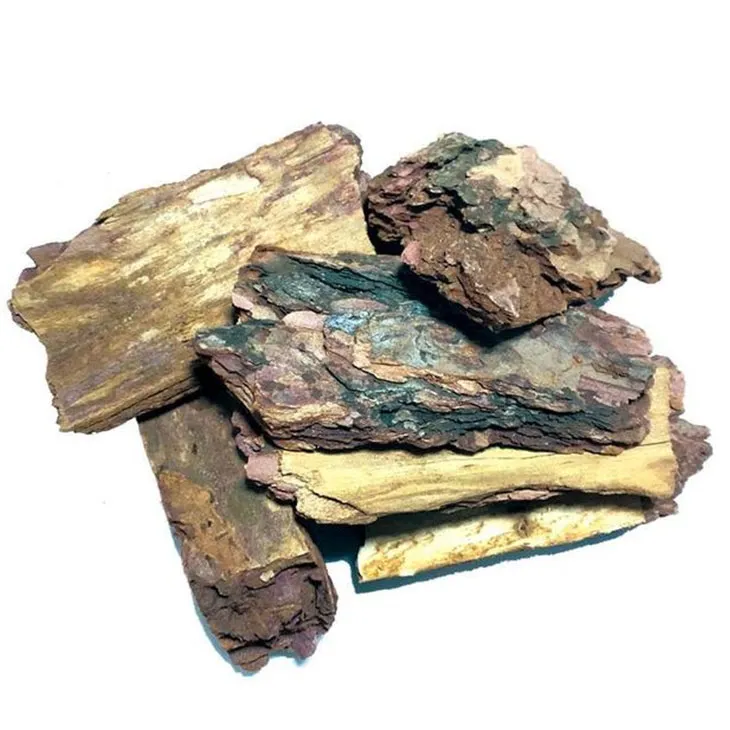
The pine bark may contain various impurities such as dirt, dust, and other foreign materials. Dirt and dust can be picked up during the harvesting process or from the natural environment in which the trees grow. Foreign materials can include bits of leaves, twigs, or even small stones that may be accidentally included with the bark.
3.2 Cleaning Methods
There are several methods used for cleaning pine bark. One common method is washing the bark with water. This can be done using a gentle stream of water to rinse away the surface impurities. Another method involves mechanical cleaning, such as using a sieve or a vibrating screen to separate larger impurities from the bark. In some cases, air - blowing may also be used to remove lighter particles like dust.
4. Drying of Pine Bark
After cleaning, the pine bark is dried to reduce its moisture content. This is a crucial step in the extraction process.
4.1 Importance of Drying
Reducing the moisture content is necessary for several reasons. High moisture content can lead to the growth of mold or bacteria, which can contaminate the bark and affect the quality of the extract. Additionally, dry bark is more suitable for the subsequent extraction steps as it allows for better interaction with the solvents.
4.2 Drying Methods
There are different methods available for drying pine bark. One common method is air - drying, where the bark is spread out in a well - ventilated area and allowed to dry naturally. This method is relatively simple and cost - effective but may take a longer time. Another method is using a drying oven. This allows for more controlled drying conditions, such as a specific temperature and air flow rate. However, it requires more energy and equipment.
5. Extraction Phase
The extraction phase is a critical part of the process of obtaining Pine bark Extract Powder.
5.1 Choice of Solvent
Solvents play a vital role in the extraction process. Commonly used solvents include ethanol or water. The choice of solvent can significantly influence the composition and quality of the final extract.
- Ethanol: Ethanol is a popular solvent for extracting pine bark. It has the ability to dissolve a wide range of active compounds present in the bark. One advantage of using ethanol is its relatively low boiling point, which makes it easier to separate from the extract later in the process. However, ethanol - based extracts may require additional purification steps to remove any residual ethanol, especially if the final product is intended for use in the food or pharmaceutical industries.
- Water: Water is another commonly used solvent. It is a natural and safe choice, especially for applications where the final product is used in food supplements or cosmetics. However, water may not be as effective as ethanol in dissolving some of the more hydrophobic (water - hating) active compounds in the pine bark.
5.2 Extraction Methods
There are different methods for performing the extraction using the chosen solvent.
- Soaking: Soaking involves immersing the dried pine bark in the solvent for a certain period of time. This allows the active compounds in the bark to dissolve into the solvent gradually. The length of the soaking time can vary depending on factors such as the type of bark, the solvent used, and the desired concentration of the extract. For example, a longer soaking time may be required if a higher concentration of active ingredients is desired.
- Percolation: Percolation is another extraction method. In this method, the solvent is passed through the pine bark in a continuous or semi - continuous manner. This can be achieved using a percolator, which is a device designed to allow the solvent to flow through the bark at a controlled rate. Percolation can be more efficient than soaking in some cases as it can provide a more consistent extraction rate.
6. Separation of Solvent and Solid Residue
Once the extraction is complete, the next step is to separate the solvent, which now contains the dissolved active compounds, from the solid residue of the pine bark.
6.1 Filtration
One common method for this separation is filtration. Filtration can be achieved using various types of filters, such as filter paper, cloth filters, or membrane filters. The choice of filter depends on the size of the particles to be removed and the nature of the extract. For example, if the extract contains very fine particles, a membrane filter with a small pore size may be required.
6.2 Centrifugation
Another method for separating the solvent and solid residue is centrifugation. Centrifugation uses the principle of centrifugal force to separate the components based on their density differences. In a centrifuge, the mixture of solvent and solid residue is spun at a high speed, causing the heavier solid particles to be forced to the bottom of the container, while the solvent remains on top. This method can be very effective for separating fine particles that may be difficult to remove by filtration alone.
7. Concentration of the Extract
After separating the solvent from the solid residue, the resulting solution, which contains the active compounds, is often concentrated to increase the concentration of these ingredients.
7.1 Evaporation
One common method for concentration is evaporation. This involves heating the solution to evaporate the solvent, leaving behind a more concentrated extract. However, care must be taken during evaporation to avoid over - heating, which could potentially damage the active compounds. To prevent this, techniques such as vacuum evaporation can be used. Vacuum evaporation reduces the boiling point of the solvent, allowing for more gentle evaporation at a lower temperature.
7.2 Reverse Osmosis
Another method for concentration is reverse osmosis. Reverse osmosis uses a semi - permeable membrane to separate the solvent from the solutes (active compounds). Under pressure, the solvent is forced through the membrane, leaving behind a more concentrated solution of the active compounds. Reverse osmosis can be a more energy - efficient method compared to evaporation in some cases.
8. Final Drying to Obtain Pine bark Extract Powder
The final step in the extraction process is to dry the concentrated extract to obtain the Pine bark Extract Powder.
8.1 Spray Drying
One popular method for this final drying is spray drying. In spray drying, the concentrated extract is sprayed into a hot chamber, where the solvent is rapidly evaporated, leaving behind fine particles of the extract powder. Spray drying can produce a powder with a relatively uniform particle size and good flow properties, which are desirable for many applications.
8.2 Freeze Drying
Another method is freeze drying. In freeze drying, the concentrated extract is first frozen and then placed in a vacuum chamber. The ice in the frozen extract is then sublimated (changed directly from solid to gas), leaving behind the dry extract powder. Freeze drying can preserve the integrity of the active compounds better than some other drying methods as it occurs at a lower temperature and in a low - oxygen environment.
9. Conclusion
The extraction process of Pine bark Extract Powder is a complex and multi - step process. Each step, from the sourcing of pine bark to the final drying to obtain the powder, plays a crucial role in determining the quality and composition of the final product. Understanding this process is essential for industries that rely on Pine bark Extract Powder for its various applications in pharmaceuticals, cosmetics, and food supplements. With continued research and development, improvements in the extraction process may lead to even higher - quality Pine bark Extract Powders in the future.
FAQ:
1. What are the main health - promoting properties of Pine bark Extract Powder?
Pine bark Extract Powder is known for its antioxidant, anti - inflammatory, and cardiovascular - protective properties. It contains proanthocyanidins which are powerful antioxidants that can help neutralize free radicals in the body, reducing oxidative stress. The anti - inflammatory effects may contribute to alleviating various inflammatory conditions. Additionally, it may have a positive impact on blood vessels, helping to improve circulation and potentially lower the risk of heart - related diseases.
2. Why is it important to source pine bark from sustainable pine forests?
It is crucial to source pine bark from sustainable pine forests to ensure the long - term availability of this natural resource. Sustainable sourcing helps maintain the ecological balance of the forest ecosystem. It also supports the local economy and biodiversity. If pine bark is over - harvested without proper sustainability measures, it can lead to deforestation, soil erosion, and a decline in wildlife habitats.
3. How does the choice of solvent (ethanol or water) affect the final extract?
The choice of solvent significantly affects the final extract. Ethanol and water have different solubilizing properties. Ethanol is often more effective in extracting certain hydrophobic compounds, while water may be better for hydrophilic substances. Different active compounds in pine bark may have different solubilities in these solvents. Using ethanol might result in an extract with a higher concentration of some lipid - soluble components, while water - based extraction may yield a different profile of water - soluble active ingredients. This, in turn, can influence the overall composition, quality, and potential applications of the final Pine bark Extract Powder.
4. What are the key factors in the drying process during the extraction of Pine bark Extract Powder?
During the drying process, key factors include temperature, air flow, and drying time. Temperature needs to be carefully controlled to avoid over - drying or damaging the active compounds. Too high a temperature can cause degradation of the sensitive bioactive substances present in the pine bark. Adequate air flow helps in evenly drying the material and removing moisture. Drying time should be optimized to ensure the moisture content is reduced to the desired level without compromising the quality of the extract. These factors are crucial to obtain a high - quality Pine bark Extract Powder with intact and active compounds.
5. In which specific applications in the pharmaceutical industry is Pine bark Extract Powder used?
In the pharmaceutical industry, Pine bark Extract Powder can be used in formulations for antioxidant - based therapies. It may be included in medications or supplements aimed at reducing inflammation - related disorders, such as arthritis. Additionally, due to its potential cardiovascular benefits, it could be part of drugs or dietary supplements designed to improve heart health, for example, in managing blood pressure or cholesterol levels. It may also be studied for its potential in preventing or treating neurodegenerative diseases, as its antioxidant properties might help protect nerve cells from oxidative damage.
Related literature
- The Extraction and Bioactivity of Pine Bark Extract: A Review"
- "Pine Bark Extract: Chemical Composition, Biological Activities, and Industrial Applications"
- "Advances in the Extraction Technology of Pine Bark Extract"


-

Thunder God Vine Extract
2024-12-08
-

Nettle Root Extract
2024-12-08
-

Black Pepper Extract
2024-12-08
-

Tormentil Extract
2024-12-08
-

Troxerutin
2024-12-08
-

Calendula Extract
2024-12-08
-

Selenium yeast
2024-12-08
-

Cranberry Extract
2024-12-08
-

Epimedium extract powder
2024-12-08
-

Tamarind extract powder
2024-12-08