


1. Introduction to Astaxanthin in Cosmetics
Astaxanthin is a remarkable ingredient that has the potential to revolutionize the cosmetic industry. In the world of cosmetics, innovation and effectiveness are key factors for success. Our Astaxanthin offers precisely these qualities. It is a natural pigment that is found in certain microalgae and seafood. However, it is not just its origin that makes it special. Its antioxidant properties are what truly set it apart.
2. The Power of Antioxidants in Cosmetics
Antioxidants play a crucial role in cosmetics. They are essential for maintaining the health and beauty of the skin. In the modern environment, our skin is constantly exposed to various factors that can cause damage. These include UV radiation, pollution, and free radicals. Free radicals are highly reactive molecules that can damage the skin cells. They are formed as a result of normal metabolic processes in the body, as well as external factors such as exposure to pollutants. Antioxidants, like Astaxanthin, work by neutralizing these free radicals.
2.1 Comparison with Other Antioxidants
There are many antioxidants available in the market, but Astaxanthin stands out. For example, compared to Vitamin C, Astaxanthin has a much stronger antioxidant capacity. Vitamin C is a well - known antioxidant that is widely used in cosmetics. However, Astaxanthin can scavenge free radicals more effectively. Another common antioxidant is vitamin E. While vitamin E is beneficial for the skin, Astaxanthin has a broader range of antioxidant activity. It can protect the skin from different types of oxidative stress, making it a more comprehensive solution for skin health.
3. Benefits of Astaxanthin for Skin Nourishment
One of the main benefits of Astaxanthin in cosmetics is its ability to deeply nourish the skin. The skin is the largest organ of the body and requires proper nourishment to maintain its health and appearance. Astaxanthin can penetrate deep into the skin layers, providing essential nutrients. It helps to improve the skin's moisture retention ability. This means that the skin can stay hydrated for a longer period, resulting in a more supple and smooth complexion.
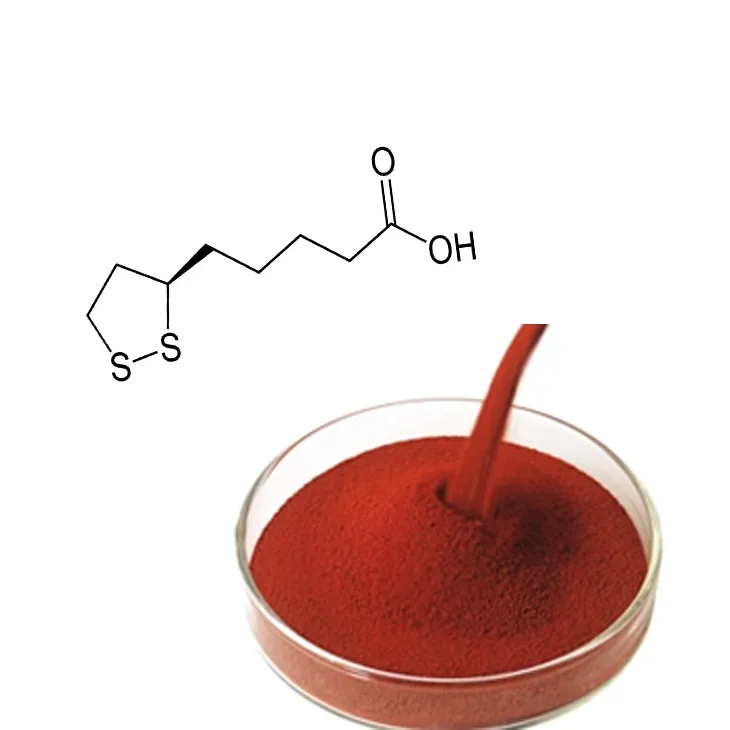
3.1 Delivery to Skin Layers
The molecular structure of Astaxanthin allows it to be easily absorbed by the skin. It can pass through the outer layer of the skin, known as the stratum corneum, and reach the deeper layers. Once in the deeper layers, it can start to work its magic. This is in contrast to some other ingredients that may only stay on the surface of the skin and not provide the same level of nourishment. For example, some moisturizers may only form a temporary barrier on the skin surface, while Astaxanthin actually gets inside the skin to improve its condition from within.
4. Combating Signs of Aging
As we age, our skin undergoes various changes. Wrinkles and fine lines start to appear, and the skin loses its elasticity. Astaxanthin can be a powerful weapon in the fight against these signs of aging. By neutralizing free radicals, Astaxanthin helps to prevent damage to the collagen and elastin fibers in the skin. Collagen and elastin are proteins that are responsible for keeping the skin firm and elastic. When these fibers are damaged, wrinkles and fine lines start to form.

4.1 Anti - Wrinkle Mechanism
Astaxanthin works at a cellular level to combat wrinkles. It stimulates the production of collagen and elastin in the skin cells. This helps to fill in the existing wrinkles and prevent new ones from forming. In addition, it also helps to improve the overall texture of the skin. The skin becomes smoother and more even - toned. This is because Astaxanthin helps to regulate the skin's metabolism, ensuring that the skin cells are functioning properly.
5. Improving Skin Elasticity
Skin elasticity is an important aspect of healthy - looking skin. Astaxanthin can significantly improve skin elasticity. It does this by strengthening the connective tissues in the skin. The connective tissues are made up of collagen and elastin fibers, as well as other substances. Astaxanthin helps to maintain the integrity of these tissues, making the skin more resilient.

5.1 Role in Collagen and Elastin Maintenance
As mentioned earlier, Astaxanthin stimulates the production of collagen and elastin. It also helps to protect these proteins from degradation. This is important because as we age, the body's natural production of collagen and elastin decreases, and the existing proteins are more likely to be broken down. By protecting and promoting the production of collagen and elastin, Astaxanthin helps to keep the skin elastic and firm.
6. Incorporating Astaxanthin into Cosmetic Products
For cosmetic companies, incorporating Astaxanthin into their products can be a strategic move. There are several ways to do this.
6.1 Creams and Lotions
Creams and lotions are some of the most common cosmetic products. Astaxanthin can be added to these products to enhance their effectiveness. It can be blended with other ingredients such as moisturizers, oils, and vitamins. For example, a face cream with Astaxanthin can provide both antioxidant protection and skin nourishment. The Astaxanthin can be formulated in such a way that it is stable and can retain its properties throughout the product's shelf - life.
6.2 Serums
Serums are known for their high concentration of active ingredients. Astaxanthin can be a great addition to serums. A serum with Astaxanthin can target specific skin concerns such as aging, dullness, or uneven skin tone. It can be designed to penetrate deep into the skin quickly, delivering the benefits of Astaxanthin directly to the areas where they are needed most.
6.3 Masks
Face masks are another popular cosmetic product. Astaxanthin - infused masks can provide an intensive treatment for the skin. They can be left on the skin for a certain period of time, allowing the Astaxanthin to work deeply. For example, a hydrating mask with Astaxanthin can not only hydrate the skin but also improve its overall health and appearance.
7. Standing Out in the Competitive Market
In today's highly competitive cosmetic market, it is essential for companies to offer products that stand out. By incorporating Astaxanthin into their products, companies can gain a competitive edge.
7.1 Meeting Consumer Demands
Consumers are becoming more and more conscious about the ingredients in their cosmetic products. They are looking for products that are effective, natural, and innovative. Astaxanthin meets all these criteria. It is a natural ingredient that offers powerful benefits for the skin. By offering products with Astaxanthin, companies can attract consumers who are looking for high - quality, innovative cosmetics.
7.2 Differentiating from Competitors
Many cosmetic products on the market may offer similar benefits, but Astaxanthin - containing products can be different. They can offer a unique selling point based on the powerful properties of Astaxanthin. For example, a company can market its Astaxanthin - based anti - aging cream as a more effective solution compared to traditional anti - aging products. This can help the company to differentiate itself from its competitors and gain a larger market share.
8. Conclusion
In conclusion, Astaxanthin is a truly remarkable ingredient for the cosmetic industry. Its powerful antioxidant properties, ability to nourish the skin, combat signs of aging, and improve skin elasticity make it an ideal choice for cosmetic companies. By incorporating Astaxanthin into their products, companies can offer consumers high - quality, innovative cosmetics that stand out in the competitive market. It is time for cosmetic companies to embrace Astaxanthin and upgrade their product treasures.
FAQ:
What are the main benefits of Astaxanthin for cosmetics?
Astaxanthin has powerful antioxidant properties. It can deeply nourish the skin, fight against signs of aging such as wrinkles and fine lines, and improve skin elasticity.
How does Astaxanthin improve skin elasticity?
It helps by protecting the skin cells from damage due to free radicals. This protection allows the skin to maintain its structure better, which in turn improves its elasticity.
Is Astaxanthin suitable for all types of skin?
Generally, Astaxanthin is suitable for most skin types. However, as with any new ingredient, it is advisable to do a patch test first. People with extremely sensitive skin may need to consult a dermatologist before using products containing Astaxanthin.
How can our company incorporate Astaxanthin into cosmetic products?
There are various ways. It can be added during the formulation process of creams, lotions, serums, etc. Our team can also provide technical support and guidance on the proper dosage and formulation to ensure the best results.
What makes your Astaxanthin different from others in the market?
Our Astaxanthin is of high purity and quality. We use advanced extraction and purification techniques to ensure its effectiveness. Also, we can offer competitive prices and excellent after - sales service to our partners.
Related literature
- The Role of Astaxanthin in Cosmetics: A Comprehensive Review"
- "Astaxanthin: A Promising Ingredient for Anti - Aging Cosmetics"
- "Beneficial Effects of Astaxanthin on Skin Health"


-

Coenzyme Q10
2025-01-09
-

Red Yeast Rice
2025-01-09
-

D-Mannose
2025-01-09
-

Senna Leaf Extract
2025-01-09
-

Kupilu Extract
2025-01-09
-

Green Tea Extract
2025-01-09
-

Curcuma Longa Extract/Turmeric extract
2025-01-09
-

Yohimbine Bark Extract
2025-01-09
-

Honeysuckle Pollen
2025-01-09
-

Buckthorn bark extract
2025-01-09