


1. Introduction to Astaxanthin
Astaxanthin is a remarkable natural compound that has been garnering increasing attention in various industries. It is a carotenoid pigment, which is responsible for the characteristic red or pink color in certain organisms. It is predominantly found in marine organisms such as microalgae, salmon, shrimp, and krill. This natural origin gives it a unique appeal as consumers are increasingly inclined towards products with natural ingredients.
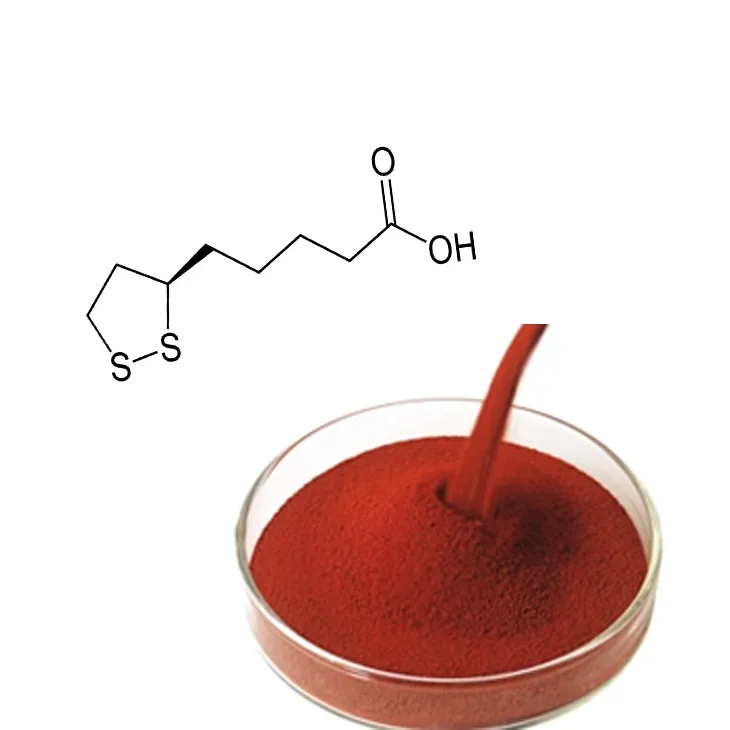
The chemical structure of Astaxanthin is what endows it with its extraordinary properties. It has a long conjugated double - bond system, which makes it an effective antioxidant. In fact, Astaxanthin is considered one of the most powerful antioxidants known to date. This antioxidant ability is crucial in the context of product development as it can protect against oxidative damage, which is a common cause of product degradation and quality loss.
2. The Scientific Significance of Astaxanthin
2.1 Antioxidant Activity
Astaxanthin's antioxidant activity is far superior to many other antioxidants. It can scavenge free radicals, which are highly reactive molecules that can cause damage to cells, proteins, and DNA. Free radicals are generated through various processes such as exposure to UV radiation, pollution, and normal metabolic activities. By neutralizing these free radicals, Astaxanthin helps in maintaining the integrity of the product's components. For example, in cosmetic products, it can prevent the oxidation of oils and fats, which can lead to rancidity and spoilage.
Moreover, Astaxanthin can also enhance the antioxidant defense system within the body. When used in nutraceutical or functional food products, it can stimulate the body's own antioxidant enzymes such as superoxide dismutase (SOD), catalase, and glutathione peroxidase. This not only helps in protecting the body from oxidative stress but also reflects positively on the product's health - promoting properties.
2.2 Anti - Inflammatory Properties
Inflammation is a natural response of the body to injury or infection. However, chronic inflammation can lead to various diseases and also affect the quality of life. Astaxanthin has been shown to possess anti - inflammatory properties. It can modulate the production of inflammatory mediators such as cytokines and prostaglandins.
In skincare products, this anti - inflammatory property can be beneficial for treating skin conditions such as acne, eczema, and psoriasis. It can reduce redness, swelling, and itching associated with these conditions. In food and dietary supplement products, it can help in reducing systemic inflammation, which is associated with many chronic diseases like heart disease, diabetes, and arthritis.
3. Improving Product Features with Astaxanthin

3.1 In Cosmetics
In the cosmetics industry, Astaxanthin offers a plethora of benefits. Firstly, as mentioned earlier, its antioxidant properties help in preventing the oxidation of cosmetic ingredients. This is especially important for products containing oils, such as moisturizers and lip balms. By preventing oxidation, the product can have a longer shelf - life and maintain its efficacy.
Secondly, Astaxanthin can improve the appearance of the skin. It can enhance skin elasticity and firmness, reducing the appearance of wrinkles and fine lines. This is because it can stimulate the production of collagen, a protein that is essential for maintaining the structure and elasticity of the skin. Additionally, it can also protect the skin from UV - induced damage, acting as a natural sunscreen to some extent.
- Moisturizers: Astaxanthin - infused moisturizers can provide deep hydration while also protecting the skin from environmental damage. - Serums: In serums, it can target specific skin concerns such as hyperpigmentation and dullness, leaving the skin with a more radiant and even - toned appearance. - Masks: Face masks with Astaxanthin can soothe irritated skin and improve overall skin texture.

3.2 In Food and Beverages
In the food and beverage industry, Astaxanthin is used not only for its health benefits but also for its color - enhancing properties. It can give a natural red or pink color to products, which is appealing to consumers. For example, in salmon farming, Astaxanthin is added to the feed to enhance the color of the fish flesh, making it more marketable.
In functional foods, such as energy bars and dietary supplements, Astaxanthin can be added to boost the antioxidant content. This can appeal to health - conscious consumers who are looking for products that can help in preventing oxidative - related diseases. In beverages, it can be added to juices or smoothies, providing both a nutritional boost and an attractive color.
- Energy Bars: Astaxanthin - added energy bars can offer a combination of energy - providing ingredients and antioxidant protection. - Dietary Supplements: In capsule or tablet form, Astaxanthin - based dietary supplements are popular for their potential health benefits. - Beverages: Whether it's a fruit - flavored juice or a green smoothie, Astaxanthin can be a valuable addition.
4. Contribution to Premium - Grade Product Creation
4.1 Meeting Consumer Demands
Consumers today are more conscious about the products they use. They are looking for products that are not only effective but also natural and sustainable. Astaxanthin, being a natural ingredient, fits well into this trend. Products containing Astaxanthin can be marketed as "natural" and "health - promoting", which can attract a wide range of consumers. For example, in the beauty market, consumers are increasingly interested in clean beauty products, and Astaxanthin - based cosmetics can be a part of this trend.
Moreover, as consumers become more aware of the importance of antioxidants in maintaining health, they are more likely to choose products that contain Astaxanthin. In the food and beverage sector, products with added Astaxanthin can target health - conscious consumers who are willing to pay a premium for products with added nutritional value.
4.2 Differentiating Products in the Market
In a highly competitive market, it is essential for products to stand out. Astaxanthin can be a key differentiating factor. For instance, in the skincare market, there are numerous products available, but those with Astaxanthin can claim unique benefits such as superior antioxidant protection and skin - rejuvenating properties.
In the food industry, products with Astaxanthin can offer something different compared to their competitors. For example, a juice brand that adds Astaxanthin can promote its product as a more nutritious and antioxidant - rich option compared to regular juices. This can help in creating a niche for the product and attracting a specific target market.
5. Conclusion
Astaxanthin is a powerful and versatile natural ingredient that has the potential to transform products across various industries. Its scientific significance in terms of antioxidant and anti - inflammatory properties makes it a valuable asset in improving product features. Whether it is in cosmetics, food, or other product categories, Astaxanthin can contribute to the creation of high - quality, premium - grade products that meet the demands of today's consumers. As research on Astaxanthin continues to unfold, we can expect to see even more innovative applications of this remarkable compound in the future.
FAQ:
Q1: What is Astaxanthin?
Astaxanthin is a natural pigment. It belongs to the family of carotenoids and is known for its antioxidant properties. It is found in certain algae, yeast, and some aquatic organisms. Astaxanthin has a unique molecular structure that gives it strong antioxidant capabilities, which can help protect cells from oxidative damage.
Q2: How is Astaxanthin sourced?
As mentioned before, Astaxanthin can be sourced from nature. It is commonly found in microalgae such as Haematococcus pluvialis. Some yeast species can also produce Astaxanthin. In addition, it can be obtained from certain shellfish and fish that consume Astaxanthin - rich organisms in their diet.
Q3: In what ways can Astaxanthin improve product features?
Astaxanthin can enhance the antioxidant content of products. In the case of skincare products, it can help reduce signs of aging by combating free radicals that damage the skin. In food products, it can act as a natural preservative, extending the shelf - life while also adding a natural color. For nutritional supplements, it can contribute to overall health by providing antioxidant support.
Q4: Why is Astaxanthin considered valuable for creating high - quality products?
Its antioxidant power is a major factor. High - quality products often require ingredients that can offer protection against degradation and improve functionality. Astaxanthin can also give products a unique selling point. For example, in cosmetics, products containing Astaxanthin may be more appealing to consumers looking for anti - aging solutions. In the food industry, it can be used to create healthier and more visually appealing products.
Q5: Are there any regulations regarding the use of Astaxanthin in product creation?
Yes, there are regulations. In the food industry, for example, the use of Astaxanthin as a food additive is regulated to ensure safety. The allowed dosage and purity standards are set to protect consumers. In the cosmetics and supplement industries as well, there are guidelines to ensure that products containing Astaxanthin are safe for use and are properly labeled.
Related literature
- The Role of Astaxanthin in Health and Disease Prevention"
- "Astaxanthin: A Potent Antioxidant for High - Quality Product Formulation"
- "Sourcing and Utilizing Astaxanthin in the Creation of Premium Products"


-

Selenium yeast
2024-12-19
-

Elderberry Extract
2024-12-19
-

Acerola Extract
2024-12-19
-

Yam Extract
2024-12-19
-

Lemon Juice Powder
2024-12-19
-

Echinacea Extract
2024-12-19
-

Bitter Melon Extract
2024-12-19
-

Hops Extract
2024-12-19
-

Calendula Extract
2024-12-19
-

Cranberry Extract
2024-12-19