


1. Introduction to Curcumin
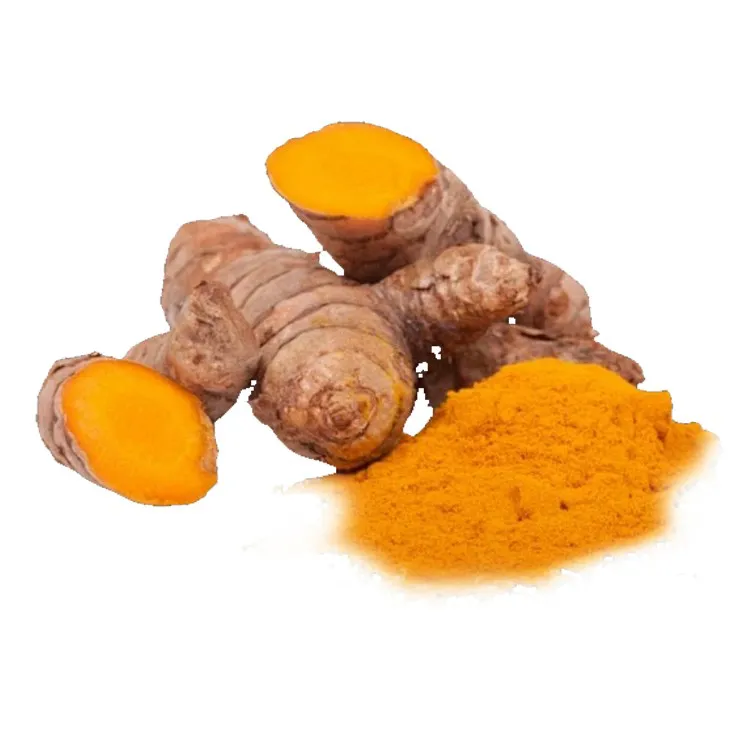
Curcumin is a polyphenol compound that is the main active ingredient in turmeric. Turmeric, a plant of the ginger family, has been used for centuries in traditional medicine in Asian countries. Curcumin is responsible for the characteristic yellow color of turmeric and has been the subject of extensive scientific research in recent years due to its numerous potential uses.
2. Health -related Uses
2.1 Cancer Prevention and Treatment
One of the most significant areas of research regarding Curcumin is its potential role in cancer prevention and treatment. Some studies have shown that Curcumin can inhibit the growth of cancer cells. It is thought to do this through multiple mechanisms. For example, Curcumin can interfere with the signaling pathways that are involved in cell proliferation. Cancer cells often have abnormal activation of these pathways, which leads to uncontrolled growth. Curcumin can also induce apoptosis, or programmed cell death, in cancer cells. This is an important process as it helps to eliminate damaged or abnormal cells from the body.
Moreover, Curcumin has antioxidant properties. Oxidative stress is associated with the development of cancer, as it can cause damage to DNA and other cellular components. By scavenging free radicals and reducing oxidative stress, Curcumin may help to prevent the initial mutations that can lead to cancer.

2.2 Anti - inflammatory Effects
Chronic inflammation is linked to many diseases, including heart disease, diabetes, and arthritis. Curcumin has powerful anti - inflammatory properties. It can modulate the activity of various inflammatory mediators in the body. For instance, it can inhibit the production of cytokines, which are small proteins that play a crucial role in the immune response and inflammation. By reducing inflammation, Curcumin may help to alleviate symptoms associated with inflammatory diseases and potentially slow down the progression of these conditions.

2.3 Immune System Boosting
In the field of natural medicine, Curcumin is known for its ability to boost the immune system. It can enhance the function of immune cells such as macrophages and lymphocytes. Macrophages are responsible for engulfing and destroying foreign invaders like bacteria and viruses. Lymphocytes play a key role in the adaptive immune response, including the production of antibodies. By strengthening the immune system, Curcumin helps the body to better defend itself against infections.
3. Applications in the Food and Beverage Industry

3.1 Natural Coloring Agent
Curcumin is widely used as a natural coloring agent in the food and beverage industry. It imparts a bright yellow color to various products. For example, in mustard, Curcumin is what gives it that characteristic yellow - brown color. It is also used in some cheeses to add a yellow tint. Compared to synthetic food colorings, Curcumin is considered a safer and more natural alternative. It is also often used in the production of curry powders, not only for its color but also for its flavor contribution.
3.2 Flavor Enhancer
In addition to its coloring properties, Curcumin also serves as a flavor enhancer. It has a warm, earthy, and slightly bitter taste that can add depth and complexity to food products. In many Asian cuisines, turmeric (and thus Curcumin) is a key ingredient in curries, adding both color and flavor. In the beverage industry, it can be used in certain herbal teas or specialty drinks to provide a unique flavor profile.
4. Cosmetic and Skincare Applications

4.1 Anti - aging Properties
Curcumin has potential anti - aging benefits in the field of cosmetics and skincare. Its antioxidant properties help to protect the skin from damage caused by free radicals. Free radicals can break down collagen and elastin in the skin, which are important for maintaining skin's elasticity and firmness. By neutralizing these free radicals, Curcumin can help to reduce the appearance of wrinkles and fine lines, keeping the skin looking youthful.
4.2 Skin Health and Healing
Curcumin also has anti - inflammatory and antibacterial properties that can be beneficial for skin health. It can be used to treat various skin conditions such as acne, eczema, and psoriasis. For acne, its anti - inflammatory action can reduce redness and swelling associated with pimples. In the case of eczema and psoriasis, it can help to soothe irritated skin and reduce the itching sensation. Additionally, Curcumin may promote wound healing by stimulating the growth of new skin cells and improving blood circulation to the affected area.
5. Other Potential Uses
5.1 Neurological Health
There is growing interest in the potential of Curcumin for neurological health. Some research suggests that it may have a role in protecting against neurodegenerative diseases such as Alzheimer's and Parkinson's. In Alzheimer's disease, there is a buildup of amyloid - beta plaques in the brain. Curcumin has been shown to bind to these plaques and potentially reduce their formation. It may also help to improve cognitive function by reducing inflammation in the brain and enhancing the function of neurons.
5.2 Digestive Health
Curcumin can also contribute to digestive health. It has been used in traditional medicine to treat digestive disorders such as indigestion, bloating, and ulcers. It can stimulate the production of bile, which is important for the digestion and absorption of fats. Additionally, its anti - inflammatory properties can help to soothe the lining of the digestive tract, reducing irritation and promoting overall digestive well - being.
6. Conclusion
Curcumin is a versatile compound with a wide range of potential uses. From its role in health, including cancer prevention, anti - inflammatory effects, and immune system boosting, to its applications in the food and beverage, cosmetic, and other industries, it has attracted significant attention. However, more research is still needed to fully understand its mechanisms of action and to optimize its use in various fields. Despite this, Curcumin holds great promise as a natural and beneficial compound for improving human health and enhancing various products.
FAQ:
Q1: How does Curcumin prevent cancer?
Some research indicates that Curcumin can prevent cancer by inhibiting the growth of cancer cells. However, more in - depth studies are still needed to fully understand the exact mechanisms.
Q2: Can Curcumin really boost the immune system?
Yes, in the field of natural medicine, Curcumin is considered to be able to boost the immune system. It helps the body better fight off infections, but the specific immune - enhancing mechanisms are still under research.
Q3: Why is Curcumin used as a natural coloring agent in the food and beverage industry?
Curcumin can provide a characteristic yellow color. In the food and beverage industry, products such as mustard and some cheeses need this yellow color, so Curcumin is used as a natural coloring agent.
Q4: Are there any side effects when using Curcumin for health purposes?
When used in normal amounts, Curcumin is generally considered safe. However, in some cases, high - dose Curcumin may cause some side effects such as digestive problems. But overall, it is relatively safe compared to many synthetic substances.
Q5: How can one consume Curcumin for health benefits?
One can consume Curcumin through turmeric - containing foods like turmeric - spiced dishes or by taking Curcumin supplements. However, it is important to consult a doctor before taking supplements, especially for those with certain health conditions or on medications.
Related literature
TAGS:


-

Mulberry leaf Extract
2025-01-09
-

Lemon Balm Extract
2025-01-09
-

Plantain extract
2025-01-09
-

Banana juice powder
2025-01-09
-

Kelp Extract Powder
2025-01-09
-

Agaricus Blazei Extract
2025-01-09
-

Hesperidin
2025-01-09
-

Golden Seal Extract
2025-01-09
-

Cat Claw Extract
2025-01-09
-

Bromelain
2025-01-09