


1. Medicinal Uses
Mulberry leaf Extracts have been the focus of numerous medical studies due to their potential health - enhancing properties.
1.1 Regulation of Blood Lipid Levels
Mulberry leaf Extracts are being investigated for their role in regulating blood lipid levels. High levels of lipids such as cholesterol and triglycerides in the blood are associated with an increased risk of cardiovascular diseases. Some components in the Mulberry leaf Extracts may interfere with the absorption or synthesis of lipids in the body. For example, they might inhibit certain enzymes involved in lipid metabolism. In vitro and in vivo studies have shown that these extracts can reduce the levels of "bad" cholesterol (LDL - cholesterol) and triglycerides while potentially increasing the levels of "good" cholesterol (HDL - cholesterol). This lipid - regulating effect could be beneficial for individuals with hyperlipidemia or those at risk of developing heart - related problems.

1.2 Improvement of Immune Function
Another important aspect of Mulberry leaf Extracts in medicine is their potential to improve immune function. The immune system is the body's defense mechanism against various pathogens, including bacteria, viruses, and fungi. Components in the Mulberry leaf Extracts may stimulate the activity of immune cells such as macrophages, lymphocytes, and natural killer cells. Macrophages are responsible for engulfing and destroying foreign invaders, while lymphocytes play a crucial role in recognizing and remembering specific antigens. Natural killer cells can directly kill virus - infected cells and tumor cells. By enhancing the function of these immune cells, Mulberry leaf Extracts may help the body better defend against infections and diseases. Additionally, some studies suggest that these extracts may also have anti - inflammatory properties, which can further support the immune system by reducing excessive inflammation that can sometimes be harmful to the body.
2. Agricultural Uses
In the agricultural field, Mulberry leaf Extracts offer several valuable applications.
2.1 Natural Pesticide
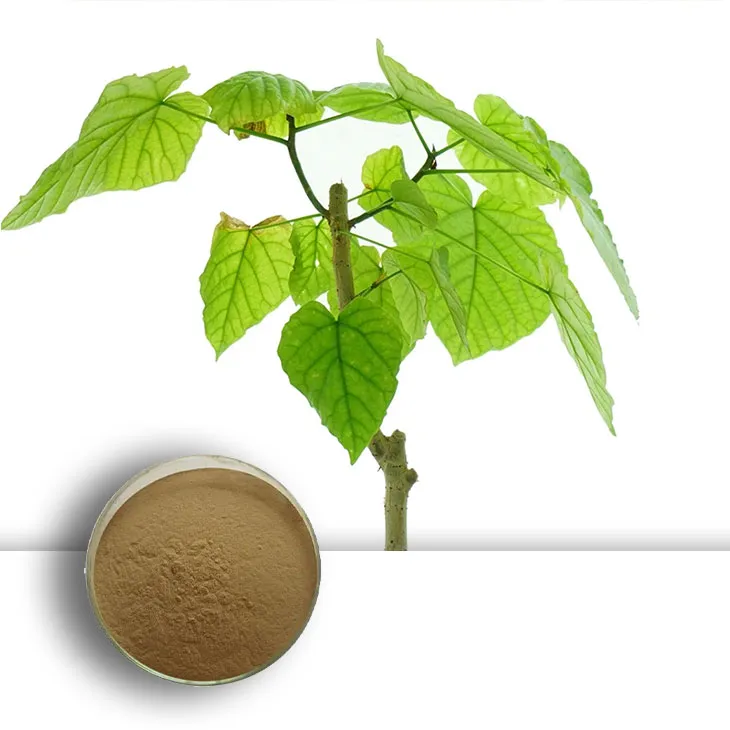
Mulberry leaf Extracts can serve as a natural pesticide. In an era where there is an increasing concern about the environmental and health impacts of synthetic pesticides, natural alternatives are highly sought after. The extracts contain certain bioactive compounds that can act as deterrents or toxins to pests. For example, some components may interfere with the nervous system of insects, causing paralysis or death. Others may disrupt the feeding or reproductive behavior of pests. This can be particularly useful in integrated pest management strategies, where the goal is to reduce the reliance on synthetic pesticides and promote more sustainable farming practices. Farmers can use Mulberry leaf Extracts in the form of sprays to protect their crops from a variety of pests, including aphids, caterpillars, and mites.
2.2 Growth Regulator for Plants
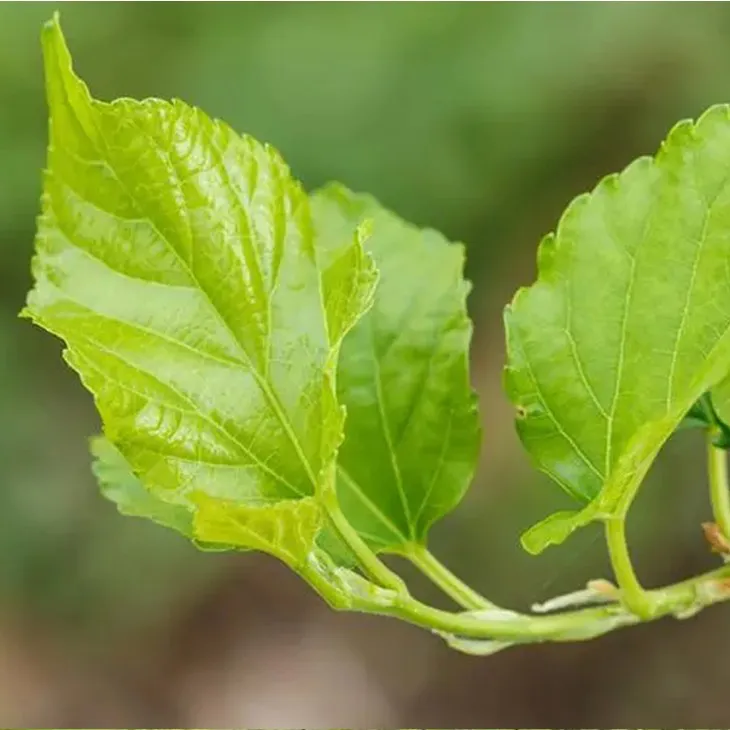
As a growth regulator, Mulberry leaf Extracts can have a positive impact on plant growth and development. They may contain hormones or hormone - like substances that can influence various physiological processes in plants. For instance, these extracts can stimulate root growth, which is crucial for plant anchorage and nutrient uptake. A strong root system allows plants to better access water and nutrients from the soil, thereby enhancing their overall growth and productivity. Additionally, Mulberry leaf Extracts may also affect shoot growth, leaf development, and flowering. They can promote the production of more and larger leaves, which are important for photosynthesis. In some cases, they may also influence the timing and quality of flowering, which is essential for fruit and seed production. By using Mulberry leaf Extracts as a growth regulator, farmers and gardeners can potentially improve the quality and yield of their crops.
3. Cosmetic Uses
The cosmetic industry has also recognized the potential of Mulberry leaf Extracts.
3.1 Hair Care Products
Mulberry leaf Extracts are highly beneficial for hair care products. One of the main advantages is their ability to promote hair growth. Hair loss is a common concern for many people, and various factors such as genetics, hormonal imbalances, and environmental stressors can contribute to it. Components in the Mulberry leaf Extracts may stimulate the hair follicles, which are the structures responsible for hair growth. They can increase the blood supply to the hair follicles, providing them with the necessary nutrients for growth. Additionally, these extracts can also improve hair quality. They can make the hair stronger, shinier, and more manageable. For example, they may help to repair damaged hair shafts by providing essential proteins or lipids. This can be especially useful for individuals with dry, brittle, or damaged hair. Mulberry leaf Extracts can be incorporated into various hair care products such as shampoos, conditioners, and hair masks.
3.2 Skin Care Products
In addition to hair care, Mulberry leaf Extracts also have potential applications in skin care products. The extracts may possess antioxidant properties, which are important for protecting the skin from damage caused by free radicals. Free radicals are unstable molecules that can be generated by factors such as UV radiation, pollution, and stress. They can cause oxidative stress in the skin, which is associated with premature aging, wrinkles, and skin diseases. By neutralizing free radicals, Mulberry leaf Extracts can help to maintain the skin's health and youthful appearance. Moreover, these extracts may also have anti - inflammatory and moisturizing properties. They can soothe irritated skin, reduce redness, and keep the skin hydrated. Mulberry leaf Extracts can be used in products such as creams, lotions, and serums for facial and body skin care.
4. Other Potential Uses
Besides the above - mentioned major uses, Mulberry leaf Extracts may have other potential applications as well.
4.1 Food Additive
There is growing interest in using Mulberry leaf Extracts as a food additive. They may add a unique flavor or aroma to food products. Moreover, due to their potential health - promoting properties, they can be used to enrich food with functional ingredients. For example, in the development of functional beverages or health - promoting snacks, Mulberry leaf Extracts can be added to provide additional nutritional value. However, further research is needed to ensure their safety and regulatory compliance as food additives.
4.2 Textile Industry
In the textile industry, Mulberry leaf Extracts may find use in dyeing processes. They can potentially provide natural and eco - friendly dyes with unique colors. This can be an alternative to synthetic dyes, which often have environmental and health concerns associated with their production and use. The extracts may also have properties that can improve the quality of the fabric, such as imparting antibacterial or antifungal properties to the textile. This can be beneficial for the production of clothing and other textile products with added functionality.
FAQ:
Q1: How does Mulberry leaf Extract regulate blood lipid levels?
Studies suggest that certain components in Mulberry leaf Extracts may interact with lipid - metabolizing enzymes or receptors in the body. For example, it may enhance the activity of enzymes that break down lipids or reduce the absorption of dietary fats, thereby helping to regulate blood lipid levels. However, more research is still needed to fully understand the exact mechanisms.
Q2: Can Mulberry leaf Extract really improve immune function? What's the evidence?
There is some evidence indicating that Mulberry leaf Extract can improve immune function. It may contain bioactive substances such as flavonoids and polysaccharides. These substances can modulate the activity of immune cells, like macrophages and lymphocytes. For instance, they may stimulate the production of cytokines which are important for immune responses. But the research in this area is still in progress, and more comprehensive studies are required to firmly establish its effectiveness.
Q3: How is Mulberry leaf Extract used as a natural pesticide in agriculture?
Mulberry leaf Extract contains certain natural compounds that can act as deterrents or toxins to pests. It may disrupt the physiological functions of pests, such as interfering with their feeding behavior, reproduction, or nervous system. Some of these compounds can also inhibit the growth of fungi or bacteria that are harmful to plants, thus protecting the plants from diseases. However, the application methods and concentrations need to be carefully determined to ensure effectiveness while minimizing any potential negative impacts on the environment.
Q4: In what ways does Mulberry leaf Extract function as a plant growth regulator?
Mulberry leaf Extract can influence plant growth in multiple ways. It may contain growth - promoting substances like hormones or hormone - like compounds. These can affect plant cell division, elongation, and differentiation. For example, it might stimulate root growth by promoting cell division in the root meristem. It could also enhance the photosynthetic efficiency of plants, leading to better growth and development. But the specific mechanisms and optimal application conditions vary depending on different plant species.
Q5: How does Mulberry leaf Extract promote hair growth in hair care products?
The extract may supply nutrients necessary for hair follicles. It might contain vitamins, minerals, and other bioactive molecules. These components can nourish the hair follicles, improve the microenvironment around them, and stimulate the cells in the hair follicles to divide and grow. Additionally, it may have antioxidant properties that protect the hair follicles from damage caused by free radicals, which is beneficial for promoting hair growth.
Related literature
- The Pharmacological Effects of Mulberry leaf Extracts on Blood Lipid Regulation"
- "Mulberry leaf Extract and Immune System: Current Research and Future Prospects"
- "Natural Pesticide Potential of Mulberry leaf Extract in Agricultural Pest Management"
- "Mulberry leaf Extract as a Plant Growth Regulator: Mechanisms and Applications"
- "The Role of Mulberry leaf Extract in Hair Growth and Hair Care"


-

Grape Seed Extract Powder
2024-12-21
-

Natural grape seed extract
2024-12-21
-

Citrus bioflavonoids
2024-12-21
-

Apricot Powder
2024-12-21
-

Dandelion Leaf Extract
2024-12-21
-

Dan Shen Root Extract/Salvia Root Extract
2024-12-21
-

Oat Straw Extract Powder
2024-12-21
-

Selenium yeast
2024-12-21
-

Soy Extract
2024-12-21
-

Vitamin K2
2024-12-21