


1. Introduction to Rose Hip Extract
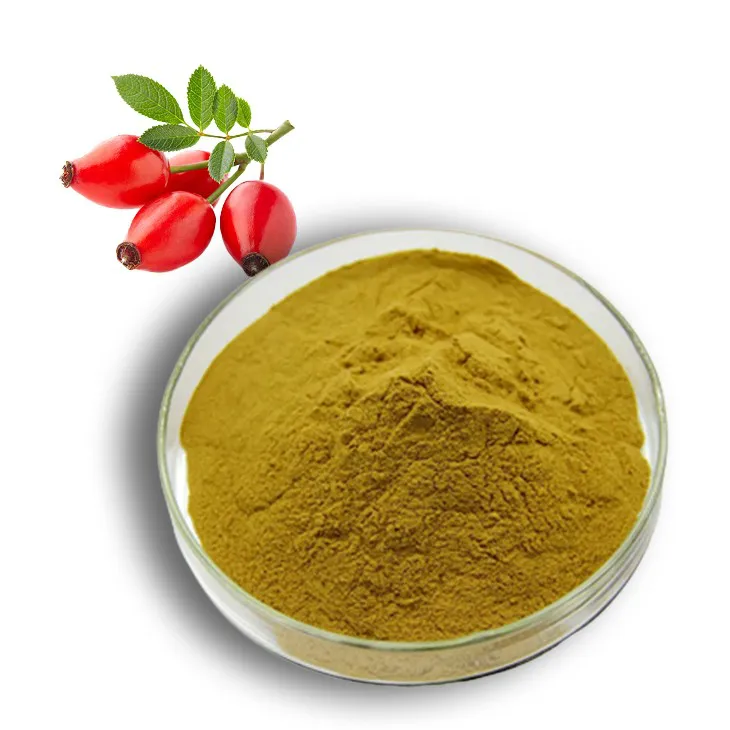
Rose Hip Extract is a natural substance that is derived from the fruit of the rose plant. It has been used for centuries in various cultures for its medicinal and nutritional properties. The extract is rich in a variety of bioactive compounds, which contribute to its diverse range of uses.
2. Skincare Applications
Anti - Aging Properties: One of the most significant uses of Rose Hip Extract in skincare is its role in anti - aging. It is packed with vitamins, particularly Vitamin C, which is a well - known antioxidant. Vitamin C helps in collagen synthesis. Collagen is a protein that is essential for maintaining skin elasticity. As we age, collagen production decreases, leading to wrinkles and sagging skin. Rose Hip Extract, with its high Vitamin C content, can stimulate collagen production, thereby reducing wrinkles and improving skin firmness.
Antioxidant Effects: The antioxidants present in Rose Hip Extract play a crucial role in protecting the skin from damage caused by free radicals. Free radicals are unstable molecules that are produced in the body due to various factors such as pollution, UV radiation, and stress. These free radicals can damage skin cells, leading to premature aging. The antioxidants in Rose Hip Extract neutralize these free radicals, preventing them from causing harm to the skin. This results in a more youthful and radiant complexion.
Essential Fatty Acids for Skin Health: Rose Hip Extract contains essential fatty acids like omega - 3 and omega - 6. These fatty acids are important for maintaining the skin's lipid barrier. A healthy lipid barrier helps to keep the skin hydrated by preventing water loss. It also protects the skin from external irritants and infections. When the skin's lipid barrier is compromised, it can become dry, itchy, and more prone to developing skin conditions. By providing these essential fatty acids, Rose Hip Extract helps to keep the skin's lipid barrier intact, resulting in healthier and more supple skin.
Healing of Skin Lesions: Rose Hip Extract has been found to have properties that can aid in the healing of skin lesions. It can promote cell regeneration, which is beneficial for treating minor cuts, burns, and abrasions. When applied topically, the extract can accelerate the healing process by providing the necessary nutrients and promoting cell turnover.
3. Medical Uses
3.1 Anti - Inflammatory Properties
Rose Hip Extract has potent anti - inflammatory properties. It contains compounds such as polyphenols and flavonoids that can reduce inflammation in the body. Inflammation is a natural response of the body to injury or infection, but chronic inflammation can lead to various health problems.
Relief of Joint Pain: In the case of joint pain, whether it is due to arthritis or other conditions, Rose Hip Extract can be beneficial. It can reduce the inflammation in the joints, which in turn can relieve pain and improve joint mobility. For example, in patients with osteoarthritis, regular use of Rose Hip Extract has been shown to reduce pain and stiffness in the affected joints.
Treatment of Arthritis: Arthritis is a group of diseases that cause inflammation in the joints. Rose Hip Extract has been studied for its potential in treating different types of arthritis. In rheumatoid arthritis, which is an autoimmune disease, the extract may help in reducing the autoimmune response that causes joint inflammation. In addition to reducing pain and inflammation, it may also slow down the progression of the disease.
3.2 Potential in Autoimmune Diseases
Some autoimmune diseases are characterized by an overactive immune system that attacks the body's own tissues. Rose Hip Extract, with its anti - inflammatory and immunomodulatory properties, may have a role in the treatment of these diseases. It may help in regulating the immune system, reducing the excessive immune response that causes tissue damage.
However, more research is needed to fully understand its effectiveness in treating autoimmune diseases and to determine the appropriate dosage and treatment regimens.
4. Food Industry Applications

4.1 Natural Flavor Enhancer
Rose Hip Extract can be used as a natural flavor enhancer in the food industry. It has a unique, slightly sweet and tangy flavor that can add depth and complexity to various food products. For example, it can be added to fruit juices, smoothies, and desserts to enhance their flavor profiles.

4.2 Source of Nutrition
As a source of nutrition, Rose Hip Extract is rich in vitamins, minerals, and antioxidants. It can be incorporated into different food products to boost their nutritional value. In teas, Rose Hip Extract can be added not only for its flavor but also for its health - promoting properties. It can be used in the production of jams and jellies, adding a natural source of nutrition. Additionally, it is often included in dietary supplements to provide a concentrated dose of its beneficial compounds.
5. Conclusion
Rose Hip Extract has a wide range of uses in skincare, medicine, and the food industry. Its diverse properties, including anti - aging, anti - inflammatory, and nutritional benefits, make it a valuable natural product. However, it is important to note that while Rose Hip Extract shows great potential in various applications, more research is still needed to fully explore its mechanisms of action and to optimize its use for different purposes.
FAQ:
1. How does rosehip extract reduce wrinkles in skincare?
Rosehip extract is rich in vitamins (especially Vitamin C), antioxidants, and essential fatty acids like omega - 3 and omega - 6. These elements work together to boost collagen production in the skin. Collagen is crucial for maintaining skin firmness and elasticity. By promoting collagen synthesis, rosehip extract helps to fill in fine lines and wrinkles, thus reducing their appearance and contributing to a more youthful complexion.
2. Can rosehip extract really help with joint pain?
Yes, it can. Rosehip extract has anti - inflammatory properties. Inflammation is often a major factor in joint pain. By reducing inflammation in the joints, rosehip extract can alleviate pain and discomfort associated with conditions like arthritis. Some studies also suggest that it may play a role in improving joint mobility over time.
3. What makes rosehip extract a good natural flavor enhancer in the food industry?
Rosehip extract has a unique and pleasant flavor profile. It has a slightly sweet and tangy taste that can add depth and complexity to various food products. This natural flavor can enhance the taste of teas, jams, and other food items without the need for artificial flavorings.
4. Are there any side effects of using rosehip extract in skincare?
For most people, rosehip extract is well - tolerated in skincare. However, some individuals may experience mild irritation, especially if they have very sensitive skin. It's always advisable to do a patch test before applying it to a large area of the skin. If any redness, itching, or swelling occurs, discontinue use.
5. How is rosehip extract used in dietary supplements?
Rosehip extract is often encapsulated or made into tablets or powders for use in dietary supplements. It can be taken orally to provide the body with its beneficial nutrients, such as vitamins, antioxidants, and essential fatty acids. These supplements are typically recommended for those who may not get enough of these nutrients from their regular diet or who are looking to support overall health, including skin health and joint health.
Related literature
- The Therapeutic Potential of Rosehip Extract in Inflammatory Diseases"
- "Rosehip Extract: A Natural Ingredient for Skincare"
- "Nutritional and Functional Properties of Rosehip in the Food Industry"


-

Mulberry leaf Extract
2025-01-15
-

Red Vine Extract
2025-01-15
-

L-Theanine Powder
2025-01-15
-

D-Mannose
2025-01-15
-

Berberis aristata Extract
2025-01-15
-

Hawthorn Extract
2025-01-15
-

Vitamin C
2025-01-15
-

Andrographis Paniculata Extract Powder
2025-01-15
-

Lemon Extract
2025-01-15
-

Horse Chestnut Extract
2025-01-15