


1. Introduction
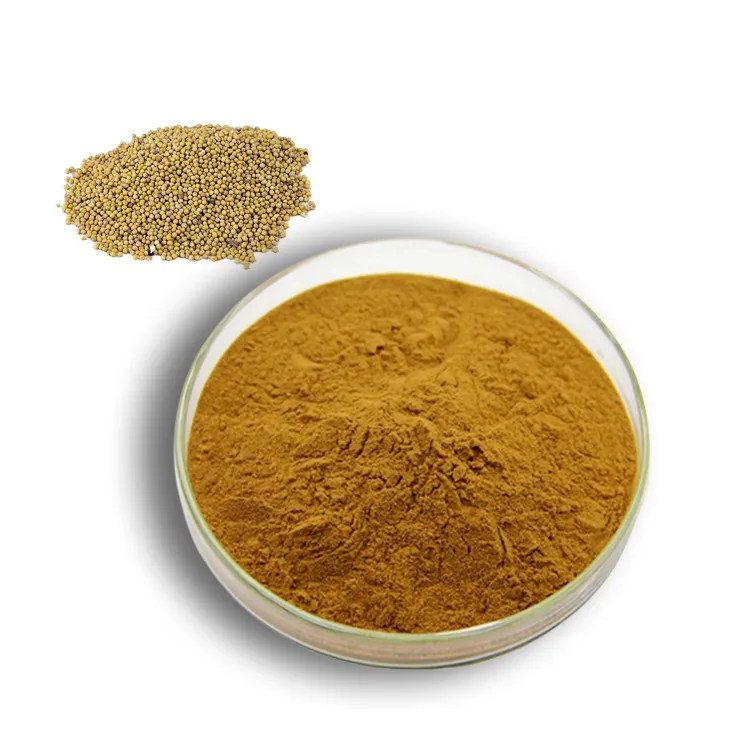
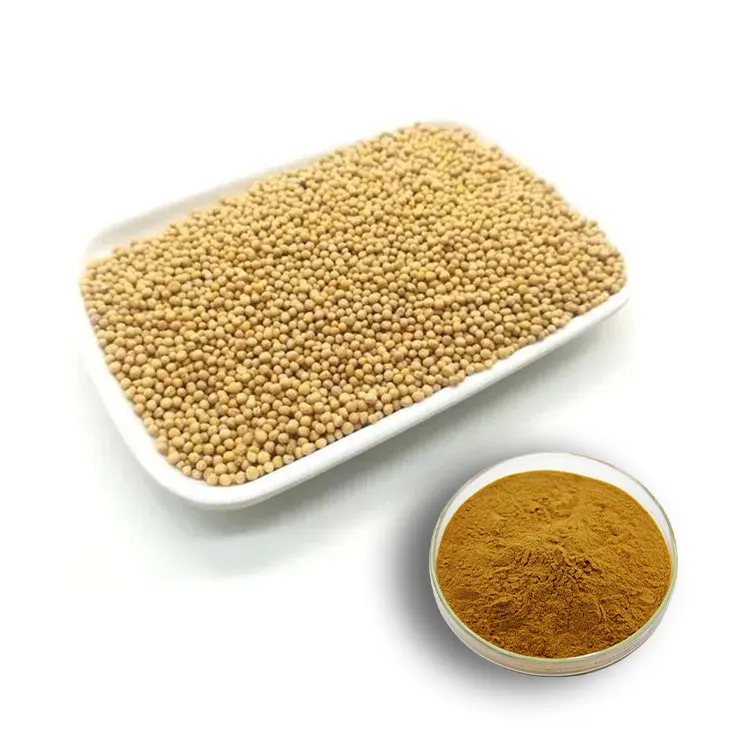
White mustard seed extract has emerged as a substance with a wide range of potential uses. Derived from the white mustard seeds (Sinapis alba), this extract contains various bioactive compounds that contribute to its diverse applications. These compounds include glucosinolates, phenolic acids, and flavonoids, among others. The presence of these components endows the extract with properties that are being explored in different fields such as medicine, cosmetology, and agriculture.
2. Use in Traditional Medicine
2.1 Anti - inflammatory Properties
In traditional medicine, White mustard seed extract has been recognized for its potential anti - inflammatory properties. Inflammation is a natural response of the body's immune system to injury or infection. However, chronic inflammation can lead to various health problems. The bioactive compounds in the White mustard seed extract may interact with the body's inflammatory pathways. For example, some of the glucosinolates in the extract can be broken down into compounds that have been shown in pre - clinical studies to modulate the activity of cytokines, which are small proteins involved in cell signaling during the inflammatory process. This modulation may help in reducing inflammation throughout the body.
2.2 Analgesic Effects
Another important use in traditional medicine is its potential as an analgesic, or pain reliever. The exact mechanism of its analgesic action is not fully understood, but it is hypothesized that it may interact with pain receptors in the body. Some of the phenolic acids present in the White mustard seed extract may have a role in this. For instance, they could potentially interfere with the transmission of pain signals from the site of injury to the brain. In traditional herbal medicine practices, preparations containing White mustard seed extract have been used topically or in some cases, internally (under proper medical supervision) to relieve pain associated with conditions such as arthritis, muscle aches, and minor joint pain.3. Application in Cosmetology
3.1 Skin Aging Prevention
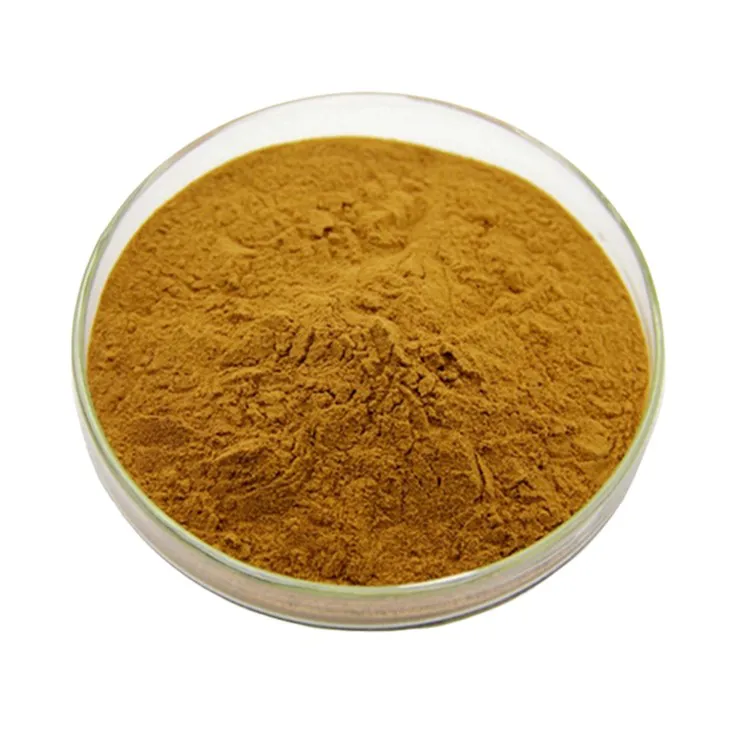
In the field of cosmetology, White mustard seed extract can be a valuable ingredient in skincare products. One of the main concerns in skincare is skin aging, which is caused by a combination of factors such as exposure to ultraviolet (UV) radiation, pollution, and the natural aging process. The extract contains antioxidant components, mainly flavonoids and phenolic acids. These antioxidants play a crucial role in combating skin aging by neutralizing free radicals. Free radicals are unstable molecules that are produced in the body as a result of various metabolic processes and external factors. They can cause damage to skin cells, including the breakdown of collagen and elastin, which are essential for maintaining the skin's elasticity and firmness. By neutralizing these free radicals, White mustard seed extract can help to protect the skin from premature aging, reducing the appearance of wrinkles and fine lines.
3.2 Skin Health Promotion
Moreover, White mustard seed extract may also contribute to overall skin health. It has potential antimicrobial properties, which can help in preventing skin infections. This is particularly important for individuals with oily or acne - prone skin, as it can inhibit the growth of certain bacteria that are associated with acne formation. Additionally, the extract may have a moisturizing effect on the skin. Some of the compounds in the extract can help to improve the skin's barrier function, preventing moisture loss and keeping the skin hydrated. This can result in a more supple and healthy - looking skin.4. Role in Agriculture

4.1 Natural Pesticide
In the agricultural sector, White mustard seed extract can act as a natural pesticide. Crops are often under threat from various pests, and the use of synthetic pesticides has raised concerns due to their potential environmental and health impacts. The bioactive compounds in White mustard seed extract, such as glucosinolates, can act as deterrents to certain pests. When pests come into contact with the extract or consume plant tissues containing the extract, the glucosinolates are broken down into compounds that are toxic or repellent to the pests. For example, some pests may find the smell or taste of plants treated with White mustard seed extract unappealing and will avoid feeding on them. This natural pesticidal property can be an effective alternative to synthetic pesticides, especially in organic farming systems where the use of synthetic chemicals is restricted.
4.2 Crop Protection and Growth Promotion
In addition to its pesticidal effects, White mustard seed extract may also contribute to crop protection and growth promotion in other ways. It may enhance the plant's natural defense mechanisms against diseases. Some studies suggest that the extract can stimulate the production of certain defense - related proteins in plants. This can make the plants more resistant to fungal, bacterial, or viral infections. Furthermore, the extract may also have a positive impact on soil health. When white mustard is grown as a cover crop and then incorporated into the soil, its residues can release compounds that may improve soil structure and nutrient availability. This, in turn, can benefit the growth of subsequent crops.5. Conclusion
White mustard seed extract has a diverse range of uses. In traditional medicine, it offers potential anti - inflammatory and analgesic benefits. In cosmetology, it can contribute to skin health and anti - aging. And in agriculture, it serves as a natural pesticide and can promote crop protection and growth. However, further research is still needed to fully understand the mechanisms of action of its various components and to optimize its applications in different fields. With continued research, White mustard seed extract has the potential to be more widely utilized and integrated into various products and practices for the betterment of human health, beauty, and agricultural sustainability.
FAQ:
Q1: How does White mustard seed extract show anti - inflammatory effects in traditional medicine?
White mustard seed extract may contain certain bioactive compounds that interact with the body's immune system. These compounds could potentially modulate the inflammatory response by affecting the production of cytokines or other mediators involved in the inflammation process. However, more research is needed to fully understand the exact mechanisms.
Q2: Can White mustard seed extract be used for all types of skin?
While White mustard seed extract has antioxidant properties beneficial for skin, it may not be suitable for all skin types. People with very sensitive skin might experience irritation. It is always advisable to do a patch test before using skincare products containing this extract. Additionally, individual allergies or sensitivities to the components of the extract can also vary.
Q3: What are the main bioactive compounds in White mustard seed extract that make it a natural pesticide?
Some of the main bioactive compounds in White mustard seed extract that contribute to its pesticidal properties are glucosinolates. When these compounds are broken down, they release substances that can be toxic or deterrent to certain pests. These compounds act as a natural defense mechanism against pests in the agricultural environment.
Q4: Are there any side effects of using White mustard seed extract in cosmetology?
There can be potential side effects. As mentioned before, for those with sensitive skin, it may cause irritation, redness, or allergic reactions. Also, if the extract is not properly formulated or used in excessive amounts in skincare products, it could disrupt the skin's natural barrier function. However, when used correctly and in appropriate formulations, the risk of side effects can be minimized.
Q5: How effective is White mustard seed extract as a natural pesticide compared to synthetic pesticides?
The effectiveness of White mustard seed extract as a natural pesticide compared to synthetic pesticides can vary. White mustard seed extract is generally more environmentally friendly and less likely to leave harmful residues. However, it may not be as potent or long - lasting as some synthetic pesticides. Its effectiveness also depends on factors such as the type of pest, the crop, and the environmental conditions. In some cases, it can be used as part of an integrated pest management strategy to reduce reliance on synthetic pesticides.
Related literature
- The Medicinal and Therapeutic Potential of White mustard seed extract"
- "White mustard seed extract in Cosmetic Applications: A Review"
- "White mustard seed extract as a Natural Pesticide: Efficacy and Sustainability"


-

Kelp Extract Powder
2024-12-13
-

Vitamin B9
2024-12-13
-

Hericium erinaceus extract powder
2024-12-13
-

Hawthorn Extract
2024-12-13
-

Lemon Juice Powder
2024-12-13
-

White Peony Extract
2024-12-13
-

Acerola Juice Powder
2024-12-13
-

Wheat Germ Extract
2024-12-13
-

Berberis aristata Extract
2024-12-13
-

Selenium yeast
2024-12-13