


1. Introduction to Rose Hip Extract
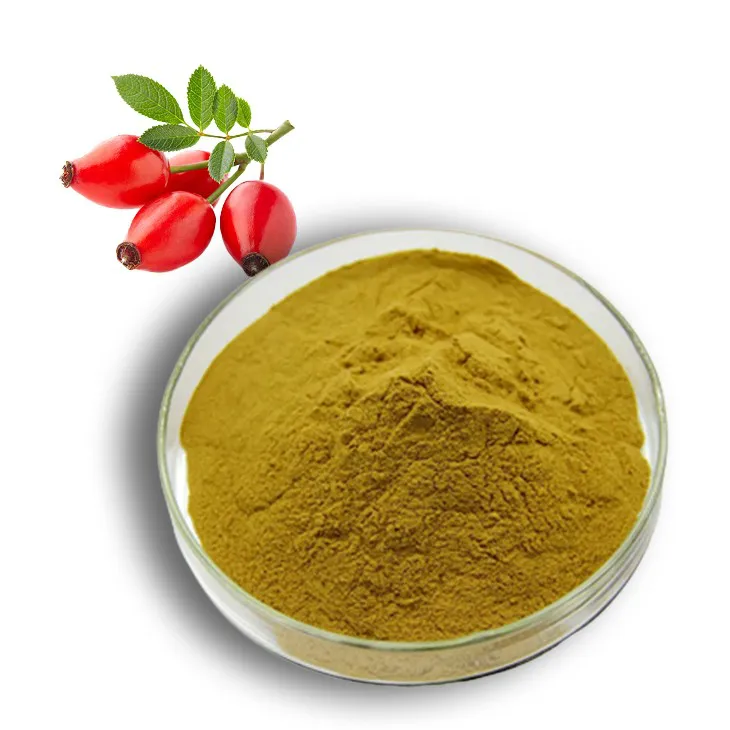
Rose Hip Extract has emerged as a highly sought - after ingredient in the cosmetics industry. Derived from the fruit of the rose plant, it is rich in a variety of beneficial compounds. It has a long history of use in traditional medicine, and its application in cosmetics is a testament to its numerous properties that can enhance the health and appearance of the skin.
2. Promoting Cell Turnover
Rose Hip Extract contains retinoids, which play a crucial role in promoting cell turnover. In the skin, this is a fundamental process. Old and dead skin cells can accumulate on the surface, leading to a dull complexion and rough texture. The retinoids in Rose Hip Extract encourage the shedding of these old cells and simultaneously stimulate the growth of new, healthy cells.
This process is like a natural rejuvenation for the skin. As the old cells are sloughed off, the new cells take their place, resulting in a smoother and softer skin texture. It can also help to reduce the appearance of fine lines and wrinkles over time, as the continuous renewal of cells keeps the skin looking fresh and youthful.
3. Anti - Inflammatory Properties
One of the significant functions of Rose Hip Extract in cosmetics is its anti - inflammatory nature. Skin can become irritated due to various factors such as sunburn, acne, or other skin conditions. When the skin is inflamed, it can be red, itchy, and uncomfortable.
Rose Hip Extract can soothe this irritated skin. It acts as a natural calming agent, reducing the redness and inflammation associated with these skin problems. For those with sensitive skin, it is an especially valuable ingredient as it provides relief without causing further irritation. It can be used in products such as creams, lotions, and serums designed for sensitive skin types.
4. Antioxidant and Anti - Aging Capabilities
Rose Hip Extract contains flavonoids, which are powerful antioxidants. In the context of skin health, antioxidants are essential for combating free radicals. Free radicals are unstable molecules that can damage skin cells, leading to premature aging.
The flavonoids in Rose Hip Extract work in harmony with other components in the extract to neutralize these free radicals. By doing so, they protect the skin from oxidative stress, which is a major contributor to the development of wrinkles, loss of elasticity, and dullness.
Moreover, the antioxidant properties of Rose Hip Extract also contribute to its anti - aging capabilities. By protecting the skin cells and promoting the production of collagen, it helps to enhance the skin's elasticity and firmness. Collagen is a protein that gives the skin its structure and elasticity, and as we age, its production decreases. Rose Hip Extract can help to slow down this process, keeping the skin looking plump and youthful.
5. Moisturizing and Hydrating
Another function of Rose Hip Extract in cosmetics is its ability to moisturize and hydrate the skin. It contains essential fatty acids, such as omega - 3 and omega - 6, which are important for maintaining the skin's lipid barrier.
The skin's lipid barrier is like a protective shield that prevents water loss from the skin. When this barrier is intact, the skin stays hydrated and supple. Rose Hip Extract helps to strengthen this barrier, thereby reducing moisture loss and keeping the skin well - hydrated. This is beneficial for all skin types, especially dry and dehydrated skin.
Products containing Rose Hip Extract can provide long - lasting hydration, leaving the skin feeling soft, smooth, and nourished. It can be used in moisturizers, facial oils, and masks to deliver this moisturizing effect.
6. Hyperpigmentation Reduction
Rose Hip Extract can also play a role in reducing hyperpigmentation. Hyperpigmentation occurs when there is an overproduction of melanin in certain areas of the skin, resulting in dark spots or patches.
The retinoids and antioxidants in Rose Hip Extract can help to regulate melanin production. By inhibiting the overproduction of melanin, it can gradually fade existing hyperpigmentation and prevent new dark spots from forming. This makes it a useful ingredient in products designed for skin brightening and evening out the skin tone.
7. Scar Healing
For those dealing with scars, Rose Hip Extract may offer some benefits. It has been shown to have properties that can aid in scar healing.
The extract's ability to promote cell turnover and its anti - inflammatory properties are key factors in this regard. By encouraging the growth of new, healthy cells and reducing inflammation around the scar area, it can help to improve the appearance of scars over time. Whether it is acne scars or other types of scars, Rose Hip Extract - containing products may be a potential option for scar treatment.
8. Incorporating Rose Hip Extract in Cosmetic Products
Rose Hip Extract can be found in a wide variety of cosmetic products. Here are some common ways it is incorporated:
8.1. Skincare Creams and Lotions
These are perhaps the most common forms of products containing Rose Hip Extract. Creams and lotions are designed to be applied directly to the skin, providing a range of benefits. They can be used daily as part of a skincare routine to moisturize, soothe, and improve the overall appearance of the skin.
8.2. Serums
Serums are concentrated formulations that often contain high levels of active ingredients. Rose Hip Extract - based serums can target specific skin concerns such as anti - aging, hyperpigmentation, or acne. They are typically applied before creams or lotions to allow the active ingredients to penetrate the skin more effectively.

8.3. Facial Oils
Facial oils are becoming increasingly popular in skincare. Rose hip oil, which is rich in Rose Hip Extract, can be used alone or blended with other oils. It provides intense hydration and nourishment to the skin, and is especially beneficial for dry or mature skin types.
8.4. Masks
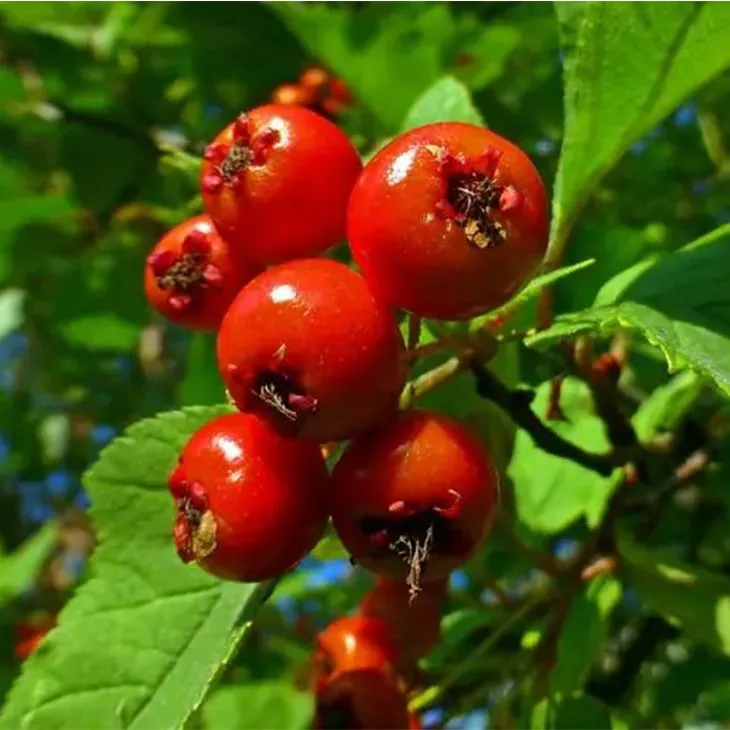
Face masks that contain Rose Hip Extract can provide a more intensive treatment. They are usually left on the face for a certain period of time, allowing the extract to deeply penetrate the skin. Masks can be used once or twice a week to boost the skin's health and address specific skin issues.
9. Conclusion
In conclusion, Rose Hip Extract is a multi - functional ingredient in cosmetics. Its ability to promote cell turnover, reduce inflammation, act as an antioxidant, moisturize, reduce hyperpigmentation, and aid in scar healing makes it a valuable addition to a wide range of cosmetic products. Whether for general skincare or targeting specific skin concerns, Rose Hip Extract has proven to be a beneficial ingredient that can enhance the beauty and health of the skin.
FAQ:
Is rosehip extract suitable for all skin types?
Rosehip extract is generally suitable for most skin types. Its anti - inflammatory properties make it great for sensitive skin as it can soothe irritation. For normal skin, it helps with cell turnover to maintain a healthy complexion. However, those with extremely oily skin or a particular allergy to rosehip should be cautious and may need to do a patch test first.
How does rosehip extract improve skin elasticity?
The flavonoids in rosehip extract contribute to its antioxidant and anti - aging capabilities. These components work together to enhance the skin's elasticity and firmness by promoting collagen production and protecting the skin from damage caused by free radicals.
Can rosehip extract help with acne - prone skin?
Yes, it can. Rosehip extract is anti - inflammatory, which can soothe the skin that is inflamed due to acne. It also promotes cell turnover, helping to unclog pores by getting rid of dead skin cells, which can be beneficial for acne - prone skin.
Does rosehip extract have any side effects in cosmetics?
While rosehip extract is generally safe for use in cosmetics, some people may experience allergic reactions. It is also important to note that if the extract is not properly sourced or processed, it could potentially contain contaminants. However, when used in high - quality, well - formulated cosmetics, side effects are rare.
How much rosehip extract is typically used in cosmetics?
The amount of rosehip extract used in cosmetics can vary widely depending on the type of product and its intended function. For example, in a serum, the concentration may be relatively high to target specific skin concerns, while in a moisturizer, it may be a smaller proportion as part of a blend of ingredients. Generally, concentrations can range from 1% to 10% or more in different cosmetic formulations.
Related literature
- The Role of Rosehip Extract in Skincare: A Comprehensive Review"
- "Beneficial Effects of Rosehip - Based Cosmetics on Skin Health"


-

Polygonum multiflorum extract
2025-01-07
-

Ivy Extract
2025-01-07
-

Hawthorn powder
2025-01-07
-

Horse Chestnut Extract
2025-01-07
-

Saffron Extract Powder
2025-01-07
-

Ginkgo Biloba Extract
2025-01-07
-

Olive leaf extract
2025-01-07
-

Kelp Extract Powder
2025-01-07
-

Pomegranate Extract
2025-01-07
-

Plantain extract
2025-01-07