


1. Introduction
Pine bark Extract Powder has gained popularity in various fields, including the health and beauty industries. For exam - takers who are considering wholesaling this product, there are several important factors to take into account. This article will explore these factors in detail to ensure a safe, legal, and cost - effective wholesale purchase.
2. Quality Verification
2.1. Source of Pine Bark
The source of the pine bark is crucial. High - quality Pine bark Extract Powder often comes from well - managed forests. Look for suppliers who can provide information about the origin of the pine bark. For example, pine bark from certain regions may be subject to strict environmental regulations, which can be an indication of quality control. Suppliers should be able to prove that the pine bark is sustainably sourced, such as having certifications like the Forest Stewardship Council (FSC) certification.
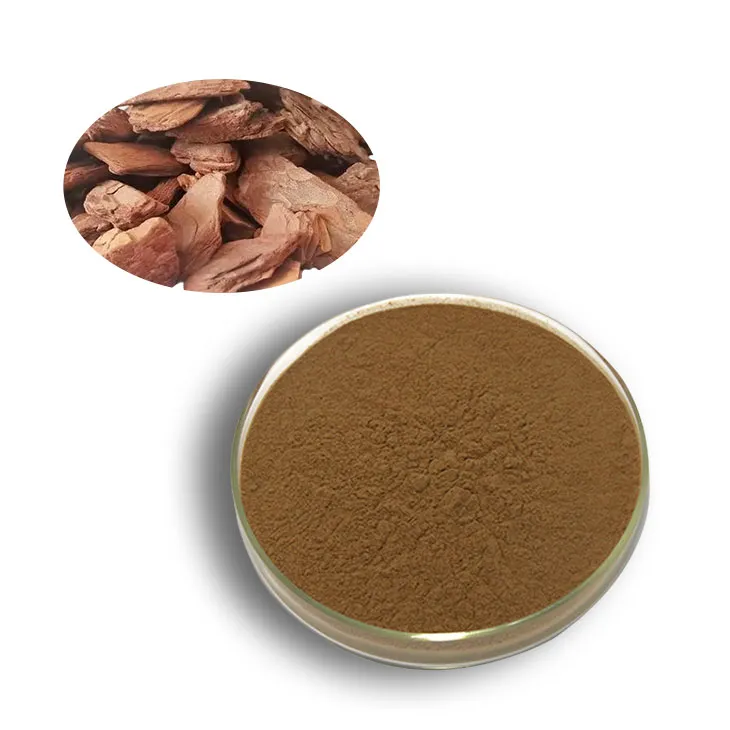
2.2. Extraction Method
Different extraction methods can significantly impact the quality of the Pine bark Extract Powder.
- Solvent - based extraction: This is a common method. However, it is important to ensure that the solvents used are safe and do not leave harmful residues in the final product. For example, ethyl acetate is often considered a relatively safe solvent for extraction, but suppliers should be able to provide evidence of proper solvent removal during the manufacturing process.
- Supercritical fluid extraction: This is a more advanced method that can produce a higher - quality extract. It uses substances like carbon dioxide under supercritical conditions. When considering a supplier using this method, check if they have the appropriate technology and expertise to carry out the process effectively.
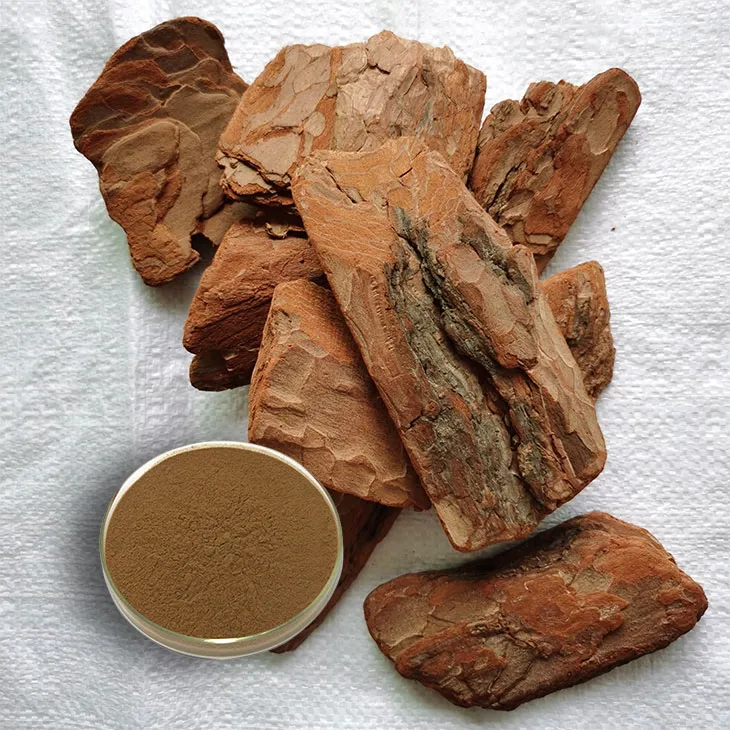
2.3. Active Ingredient Content
The content of active ingredients in Pine bark Extract Powder is a key quality indicator.
- One of the main active ingredients is proanthocyanidins. Look for products with a clearly stated proanthocyanidin content. A higher content of proanthocyanidins generally indicates a more potent product. However, be cautious of suppliers who claim extremely high levels without proper verification methods.
- Other bioactive compounds, such as flavonoids, should also be considered. Suppliers should be able to provide an analysis of the complete profile of active ingredients in their product.
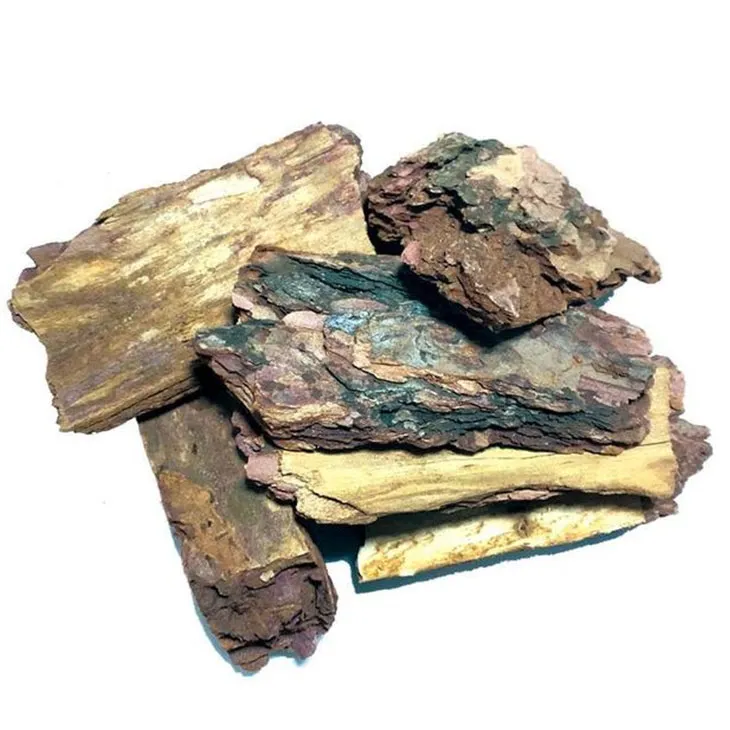
2.4. Quality Testing and Certificates
Quality testing is essential for ensuring the safety and efficacy of Pine bark Extract Powder.
- Ask suppliers if they conduct regular in - house quality testing. This can include tests for purity, microbial contamination, and heavy metal content.
- Look for external certifications. For example, Good Manufacturing Practice (GMP) certification indicates that the manufacturing process meets certain quality standards. ISO certifications can also be an indication of a well - managed quality system.
3. Ensuring Legality
3.1. Regulatory Requirements
Different regions have different regulatory requirements for Pine bark Extract Powder.
- In the food and supplement industries, there may be specific regulations regarding the use, labeling, and marketing of Pine bark Extract Powder. For example, in the European Union, products need to comply with the relevant food safety regulations such as the European Food Safety Authority (EFSA) guidelines.
- In the United States, the Food and Drug Administration (FDA) has regulations for dietary supplements. Wholesalers need to ensure that the products they purchase meet these requirements. This includes proper labeling with ingredient lists, dosage instructions, and any necessary warnings.
3.2. Import and Export Regulations
If the Pine bark Extract Powder is being imported or exported, there are additional legal considerations.
- For imports, check the country's import regulations. Some countries may require specific permits or certifications for the import of Pine bark Extract Powder. For example, certain countries may require phytosanitary certificates to ensure that the product is free from pests and diseases.
- For exports, understand the destination country's regulations. This may involve compliance with different labeling requirements, quality standards, or even restrictions on certain ingredients.
3.3. Intellectual Property Rights
Be aware of any intellectual property rights associated with Pine bark Extract Powder.
- If a particular brand or formulation has a patent, make sure that the wholesale purchase is in compliance with the patent holder's rights. Unauthorized distribution of patented products can lead to legal issues.
- Also, be cautious of trademarks. Suppliers should have the legal right to use any trademarks associated with the Pine bark Extract Powder they are selling.
4. Price Comparison
4.1. Understanding the Market Price Range
Before making a wholesale purchase, it is important to have a good understanding of the market price range for Pine bark Extract Powder.
- Research different suppliers and their price offerings. This can be done through online marketplaces, industry directories, or by directly contacting suppliers. Keep in mind that extremely low prices may be a sign of poor quality or unethical business practices.
- Consider factors that can influence the price, such as the quality of the raw materials, the extraction method used, and the scale of production. A higher - quality product with advanced extraction methods may be priced higher, but it may also offer better value in the long run.
4.2. Hidden Costs
When comparing prices, also be aware of hidden costs.
- Shipping costs can significantly impact the overall cost of the wholesale purchase. Some suppliers may offer lower product prices but charge high shipping fees. Look for suppliers who can provide clear shipping cost estimates upfront and offer competitive shipping options.
- Customs duties and taxes are another potential hidden cost, especially for international purchases. Understand the import/export regulations of your country and factor in these costs when comparing prices.
- Minimum order quantities (MOQs) can also affect the cost. Some suppliers may require a large MOQ, which may not be feasible for all exam - takers. Calculate the cost per unit based on the MOQ to ensure that it fits within your budget.
4.3. Negotiating the Price
Once you have a good understanding of the market price and potential hidden costs, you can consider negotiating the price with suppliers.
- If you are planning a large - volume wholesale purchase, you may have more bargaining power. Approach suppliers with a clear understanding of your requirements and see if they are willing to offer a discount.
- Consider alternative payment terms. For example, some suppliers may offer a lower price if you are willing to pay in a lump sum or within a shorter payment period.
5. Supplier Reputation
5.1. Industry Experience
A supplier's industry experience can be an important factor in determining their reliability.
- Suppliers with a long - standing presence in the industry are more likely to have established relationships with reliable raw material sources and manufacturing partners. They are also more likely to have a better understanding of quality control and regulatory requirements.
- Look for suppliers who have experience in wholesaling Pine bark Extract Powder specifically. Their experience in handling this product can ensure a smoother purchasing process.
5.2. Customer Reviews and Testimonials
Customer reviews and testimonials can provide valuable insights into a supplier's reputation.
- Search for reviews on independent review platforms, industry forums, or business directories. Positive reviews regarding product quality, on - time delivery, and customer service are good signs.
- If possible, try to contact previous customers directly to get a more in - depth understanding of their experience with the supplier.
5.3. Business Integrity
Assessing a supplier's business integrity is crucial.
- Check if the supplier has any history of legal disputes or unethical business practices. This can be done through business registries or by conducting a simple online search.
- Ensure that the supplier is transparent in their business operations. They should be willing to provide information about their manufacturing process, quality control measures, and pricing structure.
6. Packaging and Labeling
6.1. Packaging Requirements
Appropriate packaging is necessary to protect the Pine bark Extract Powder during storage and transportation.
- The packaging should be moisture - proof, light - proof, and air - tight to prevent degradation of the product. For example, using aluminum - lined bags or sealed containers can help maintain the quality of the extract powder.
- Consider the size and type of packaging. It should be convenient for handling and storage, especially if you are purchasing in large quantities. Some suppliers may offer customized packaging options, which can be beneficial for branding or specific storage requirements.
6.2. Labeling Information
Labeling information is not only a legal requirement but also important for end - users.
- The label should clearly state the product name, the name and quantity of the main ingredients (including the Pine bark Extract Powder), the net weight, the manufacturing date, the expiration date, and any necessary warnings or instructions for use.
- If the product is intended for a specific market, such as the food or supplement market, the label should also comply with the relevant regulatory labeling requirements of that market.
7. Conclusion
Wholesaling Pine bark Extract Powder requires careful consideration of multiple factors. By paying attention to quality verification, ensuring legality, comparing prices, assessing supplier reputation, and considering packaging and labeling, exam - takers can make a more informed and successful wholesale purchase. This will not only ensure the safety and efficacy of the product but also contribute to a cost - effective and sustainable business operation.
FAQ:
Question 1: How can one verify the quality of Pine bark Extract Powder when wholesaling?
When wholesaling Pine bark Extract Powder, quality verification is crucial. Firstly, check for certificates such as GMP (Good Manufacturing Practice) certification of the supplier. This indicates that the production process meets certain quality standards. Secondly, look at the purity level of the extract. High - quality Pine bark Extract Powder should have a high percentage of the active ingredients, which can often be determined by laboratory analysis reports if available. Also, examine the physical characteristics like color, texture, and smell. Unusual or off - putting characteristics may indicate a problem with the quality.
Question 2: What legal aspects should candidates be aware of when wholesaling Pine bark Extract Powder?
There are several legal aspects to consider. Ensure that the Pine bark Extract Powder complies with all relevant food and drug regulations in your area. For example, in some regions, there may be specific labeling requirements regarding the ingredients, origin, and usage instructions. It is also important to check if there are any restrictions on the import or export of the product, especially if you are dealing with international wholesaling. Additionally, make sure that the supplier has the proper licenses to produce and sell the Pine bark Extract Powder to avoid any legal issues.
Question 3: How can one compare prices effectively when wholesaling Pine bark Extract Powder?
To compare prices effectively, first, gather quotes from multiple suppliers. However, don't just look at the price per unit but also consider the quality and quantity offered. Some suppliers may offer a lower price but with a lower quality product or smaller quantity per unit price. Calculate the overall cost for the amount you actually need. Also, take into account any additional costs such as shipping fees, taxes, and handling charges. Sometimes, a slightly higher - priced product from a closer supplier may end up being more cost - effective when all these factors are considered.
Question 4: Are there any specific storage requirements for Pine bark Extract Powder during wholesaling?
Yes, there are. Pine bark Extract Powder should generally be stored in a cool, dry place away from direct sunlight. It is often recommended to store it in airtight containers to prevent moisture absorption and oxidation, which can degrade the quality of the powder. Temperature and humidity control are important factors to maintain the stability and shelf - life of the product. If stored improperly, it may lose its potency or develop mold, which can render the product unfit for use.
Question 5: How can one ensure the authenticity of the Pine bark Extract Powder when wholesaling?
To ensure authenticity, research the reputation of the supplier. Look for reviews and testimonials from other customers. A well - established and reputable supplier is more likely to provide authentic products. You can also request samples before making a large - scale purchase and have them analyzed by a reliable laboratory. The analysis can confirm if the powder contains the expected ingredients and is free from contaminants or adulterants. Additionally, check the origin of the pine bark used in the extract. Some regions are known for producing high - quality pine bark, and products sourced from these areas may be more likely to be authentic.
Related literature
- Pine Bark Extract: Properties, Production, and Applications"
- "Quality Control in Pine bark Extract Powder Manufacturing"
- "Legal Regulations for Botanical Extracts in the Wholesale Market"


-

White Willow Bark Extract
2024-12-10
-

S-Adenosyl L-methionine(SAMe)
2024-12-10
-

Echinacea Extract
2024-12-10
-

L-Arginine
2024-12-10
-

Lemon Juice Powder
2024-12-10
-

Giant Knotweed Extract
2024-12-10
-

Gynostemma pentaphyllum extract
2024-12-10
-

Almond Extract Powder
2024-12-10
-

Astaxanthin
2024-12-10
-

Nutmeg Extract
2024-12-10