


1. Introduction
Lemon Extracts are widely used in various industries, such as the food and beverage, cosmetic, and pharmaceutical industries. When customers are considering wholesaling Lemon Extracts, there are several important factors that need to be taken into account. This article will discuss these factors in detail to help customers make informed decisions.
2. Quality Assessment
2.1 Source of Lemons
The source of lemons is a crucial factor in determining the quality of Lemon Extracts. Firstly, customers should check whether the lemons are organically grown. Organically grown lemons are generally considered to be of higher quality as they are grown without the use of synthetic pesticides and fertilizers. This not only ensures the purity of the extract but also makes it safer for consumption or use in various products.
Secondly, the geographical origin of the lemons can also affect the quality of the extract. For example, lemons grown in certain regions may have a more intense flavor or a higher content of certain beneficial compounds due to the local climate and soil conditions. Customers should research and choose Lemon Extracts sourced from regions known for producing high - quality lemons.
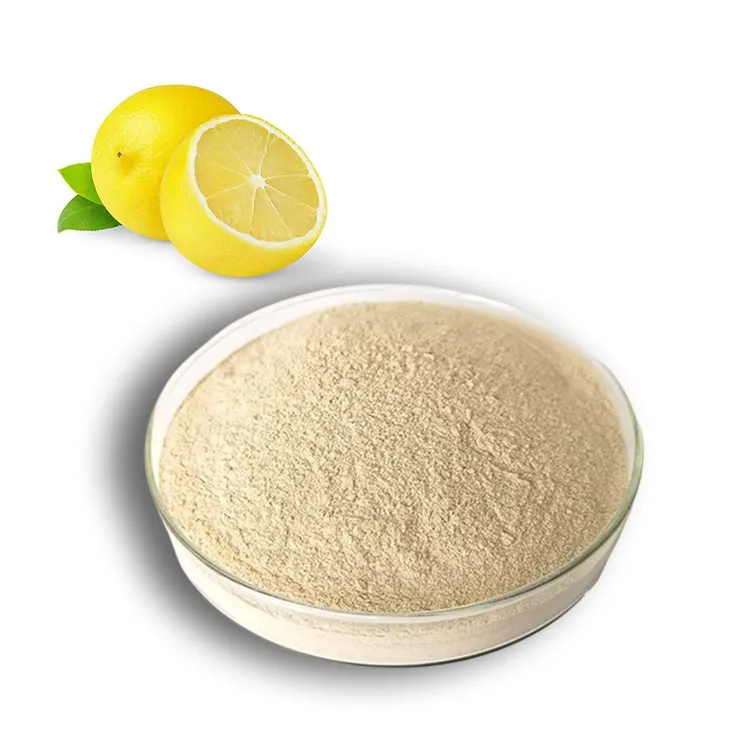
2.2 Purity of the Extract
The purity of the Lemon Extract is another important aspect to consider. A high - purity extract will have a more concentrated and consistent flavor, as well as a higher content of the active compounds. Customers can look for information on the extract's purity from the supplier, such as the percentage of lemon essence in the extract. Additionally, they can request samples to test the purity themselves, for example, by using chromatography techniques to analyze the composition of the extract.

2.3 Quality Standards and Certifications
Customers should also check whether the Lemon Extract complies with relevant quality standards and has obtained certifications. For example, in the food industry, Lemon Extracts may need to meet certain food safety standards, such as those set by regulatory agencies like the FDA in the United States. Certifications such as organic certifications, GMP (Good Manufacturing Practice) certifications can also serve as indicators of the product's quality. These certifications ensure that the extract has been produced under strict quality control conditions and meets certain industry - recognized standards.
3. Extraction Method

3.1 Cold - Pressing
Cold - pressing is a popular method for extracting Lemon Extracts. This method involves mechanically pressing the lemons to extract the juice and essential oils without the use of heat or solvents. The advantage of cold - pressing is that it can preserve the natural flavor, aroma, and nutritional value of the lemons. Cold - pressed Lemon Extracts are often considered to be of higher quality, especially for applications where the natural properties of the lemons are highly valued, such as in high - end food products or natural cosmetics.

3.2 Solvent Extraction
Solvent extraction is another method used to obtain Lemon Extracts. In this method, a solvent, such as ethanol or hexane, is used to dissolve the active compounds from the lemons. While solvent extraction can be an efficient way to obtain a high - yield of extract, it has some potential drawbacks. The use of solvents may leave residues in the extract, which could affect its safety and quality. However, if the extraction process is carefully controlled and the solvents are completely removed, solvent - extracted Lemon Extracts can also be of good quality. Customers should be aware of the extraction method used and ensure that any potential solvent residues are within acceptable limits.
3.3 Comparison of Different Extraction Methods
When comparing different extraction methods, customers should consider the specific requirements of their intended use. For example, if they are wholesaling Lemon Extracts for use in a natural and pure - tasting food product, cold - pressed extracts may be the better choice. On the other hand, if cost - effectiveness and high - yield are the main concerns, and the end - product can tolerate some solvent residues within regulatory limits, solvent - extracted extracts may be a viable option. Additionally, different extraction methods can result in differences in the chemical composition of the extract, which may affect its functionality in various applications. For example, cold - pressed extracts may have a higher content of certain volatile compounds that contribute to the aroma, while solvent - extracted extracts may have a higher concentration of some non - volatile compounds.
4. Reputation of the Supplier
4.1 Product Quality Consistency
A reliable supplier is essential for ensuring consistent product quality. Customers should look for suppliers who have a track record of providing high - quality Lemon Extracts. This can be determined by checking customer reviews, testimonials, or by asking for references from other customers who have purchased from the supplier. A supplier who can consistently deliver Lemon Extracts with the same flavor, aroma, and chemical composition is more likely to meet the customers' expectations and requirements.
4.2 Packaging
Proper packaging is another aspect to consider when evaluating a supplier. The packaging of Lemon Extracts should be designed to protect the product from factors such as light, air, and moisture, which can degrade the quality of the extract. Suppliers should use high - quality packaging materials, such as dark - colored glass bottles or sealed foil pouches, to ensure the stability and shelf - life of the extract. Additionally, the packaging should be clearly labeled with information such as the product name, ingredients, extraction method, batch number, and expiration date.
4.3 On - Time Delivery
On - time delivery is crucial for customers who are wholesaling Lemon Extracts. Delays in delivery can disrupt the customers' production schedules or business operations. Customers should choose suppliers who have a reliable logistics system and a proven history of delivering products on time. They can inquire about the supplier's delivery policies, average delivery times, and any contingency plans in case of unforeseen circumstances.
5. Price Considerations
5.1 Cost - Benefit Analysis
When wholesaling Lemon Extracts, customers need to conduct a cost - benefit analysis. The price of the extract should be compared with its quality and the value it can bring to the end - product. A lower - priced extract may seem attractive at first, but if it is of inferior quality, it may not be cost - effective in the long run. On the other hand, a high - priced extract may offer superior quality and unique properties that can justify the higher cost, especially for high - end products or specialized applications.
5.2 Pricing Structure
Customers should also understand the supplier's pricing structure. Some suppliers may offer volume discounts for large - quantity purchases, which can be beneficial for wholesalers. Additionally, the pricing may be affected by factors such as the extraction method, quality of the lemons, and any additional processing or certifications. By understanding the pricing structure, customers can negotiate better deals and optimize their purchasing costs.
6. Regulatory Compliance
6.1 Industry - Specific Regulations
Depending on the intended use of the Lemon Extracts, different industries may have specific regulations. For example, in the food and beverage industry, Lemon Extracts must comply with food safety regulations, including limits on certain contaminants and additives. In the cosmetic industry, there are regulations regarding the safety of ingredients and labeling requirements. Customers should ensure that the Lemon Extracts they are wholesaling meet the relevant industry - specific regulations to avoid any legal issues.
6.2 Import and Export Regulations
If the Lemon Extracts are being imported or exported, customers need to be aware of import and export regulations. These regulations may include requirements for documentation, such as certificates of origin, phytosanitary certificates, and customs declarations. There may also be restrictions or tariffs on certain types of Lemon Extracts depending on the country of origin and destination. Customers should work with suppliers who are familiar with these regulations and can ensure compliance to avoid any delays or additional costs during the import/export process.
7. Conclusion
When wholesaling Lemon Extracts, customers need to consider multiple factors, including quality assessment, extraction method, reputation of the supplier, price considerations, and regulatory compliance. By carefully evaluating these aspects, customers can make informed decisions and choose Lemon Extracts that meet their specific needs and requirements. This will not only ensure the success of their wholesale business but also contribute to the quality and safety of the end - products in which the Lemon Extracts are used.
FAQ:
Q1: How can customers determine if the Lemon Extract is of high quality?
Customers can determine the quality of Lemon Extract in several ways. Firstly, check the source of the lemons. If they are organically grown, it generally indicates a higher quality and purity. Secondly, examine the extraction method. For example, cold - pressed Lemon Extract may retain more natural flavors and nutrients compared to solvent - extracted ones. Also, look for any certifications or quality control labels on the product packaging.
Q2: What are the differences between different extraction methods of Lemon Extract?
The main extraction methods for Lemon Extract are cold - pressing and solvent extraction. Cold - pressing is a more natural method that generally preserves more of the lemon's original flavors, aromas, and nutrients. Solvent extraction, on the other hand, may use chemicals to extract the active compounds. This method can be more efficient in terms of yield but may introduce some unwanted residues if not properly purified. The properties of the resulting extract can also be different, with cold - pressed extract often having a fresher and more natural" taste.
Q3: How important is the reputation of the supplier when wholesaling Lemon Extract?
The reputation of the supplier is extremely important when wholesaling Lemon Extract. A reliable supplier is more likely to provide consistent product quality. This means that each batch of Lemon Extract will have similar characteristics in terms of flavor, potency, and purity. They will also ensure proper packaging to protect the product from spoilage or contamination during transportation and storage. Moreover, a reputable supplier is more likely to deliver the products on time, which is crucial for maintaining a smooth business operation.
Q4: Are there any specific certifications to look for in Lemon Extract?
Yes, there are some certifications to look for in Lemon Extract. For example, if the lemons are organically grown, there should be an organic certification label. This indicates that the product has been produced without the use of synthetic pesticides, fertilizers, or genetically modified organisms. Additionally, some quality control certifications like GMP (Good Manufacturing Practice) can be an indication that the manufacturing process of the Lemon Extract meets certain standards of quality and safety.
Q5: How can customers ensure the safety of the Lemon Extract they wholesale?
Customers can ensure the safety of the Lemon Extract they wholesale in several ways. Firstly, as mentioned before, check for certifications such as organic certifications and GMP. Secondly, verify the source of the lemons to ensure they are from a clean and safe environment. Thirdly, ask the supplier for detailed information about the extraction process and any quality control measures they have in place. Also, conduct sample testing if possible to check for contaminants or impurities.
Related literature
- "The Quality Assessment of Lemon Extracts: A Comprehensive Review"
- "Lemon Extract: Production, Quality, and Market Trends"
- "Ensuring the Safety and Quality of Wholesale Lemon Extracts"


-

Tormentil Extract
2024-12-16
-

Hesperidin
2024-12-16
-

L-Citrullin-DL-malate
2024-12-16
-

Alfalfa Meal
2024-12-16
-

Bilberry Extract
2024-12-16
-

Natural grape seed extract
2024-12-16
-

Genistein
2024-12-16
-

Rutin
2024-12-16
-

Dragon Fruit Powder
2024-12-16
-

Saw Palmetto Extract
2024-12-16