


1. Introduction
In the world of herbal medicine, there are a plethora of ingredients with various properties and potential benefits. Among them, White mustard seed extract has been gaining attention, but it exists alongside many other well - known herbal ingredients. This article aims to explore the dominance of White mustard seed extract in comparison to other herbal ingredients through examining their pharmacological effects, historical uses, and market shares.
2. Pharmacological Effects
2.1 White mustard seed extract
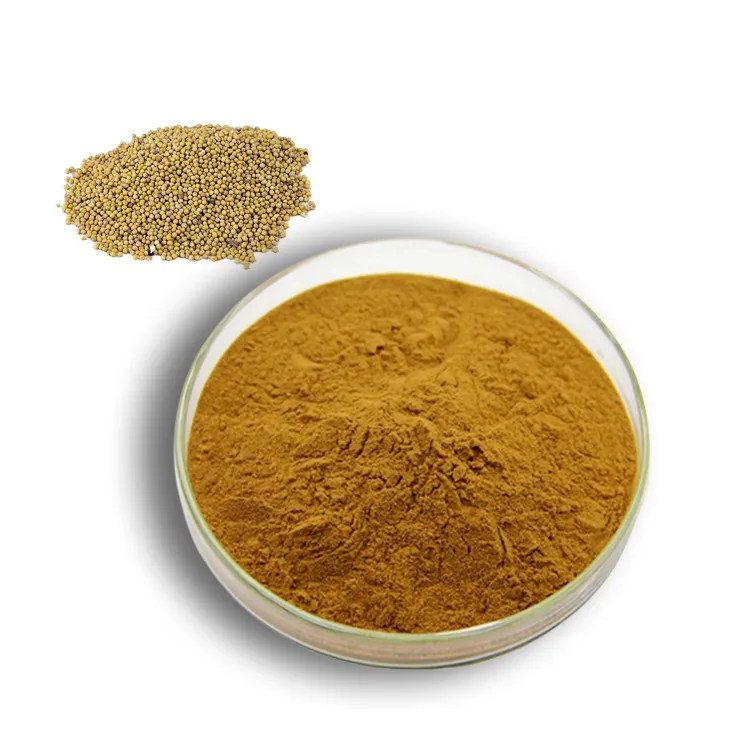
White mustard seed extract contains compounds such as glucosinolates, which are known for their antioxidant and anti - inflammatory properties. Glucosinolates are converted into isothiocyanates when the seeds are crushed or processed. These isothiocyanates have been shown to have potential benefits in reducing the risk of certain cancers by interfering with cancer cell growth and promoting apoptosis (programmed cell death). Additionally, White mustard seed extract may have digestive benefits. It can stimulate the production of digestive enzymes, which helps in better absorption of nutrients from food.
2.2 Other Herbal Ingredients
There are many other herbal ingredients with diverse pharmacological effects. For example, ginseng is renowned for its adaptogenic properties. It can help the body adapt to stress, improve energy levels, and enhance cognitive function. The active compounds in ginseng, such as ginsenosides, act on the adrenal glands to regulate the body's stress response. Another example is turmeric, which contains Curcumin. Curcumin has strong antioxidant, anti - inflammatory, and anti - microbial properties. It has been studied for its potential in treating a variety of conditions, including arthritis, neurodegenerative diseases, and digestive disorders.
3. Historical Uses
3.1 White Mustard Seed
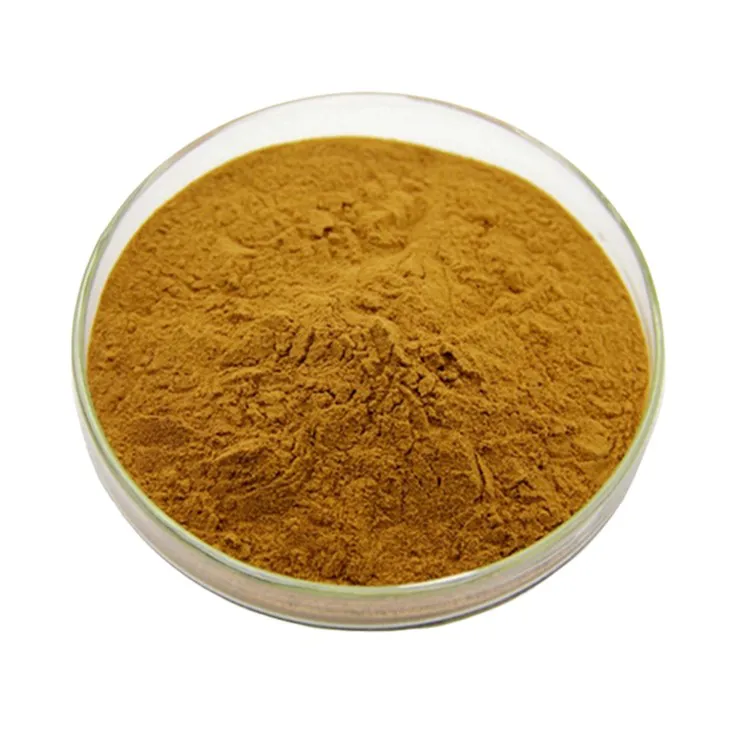
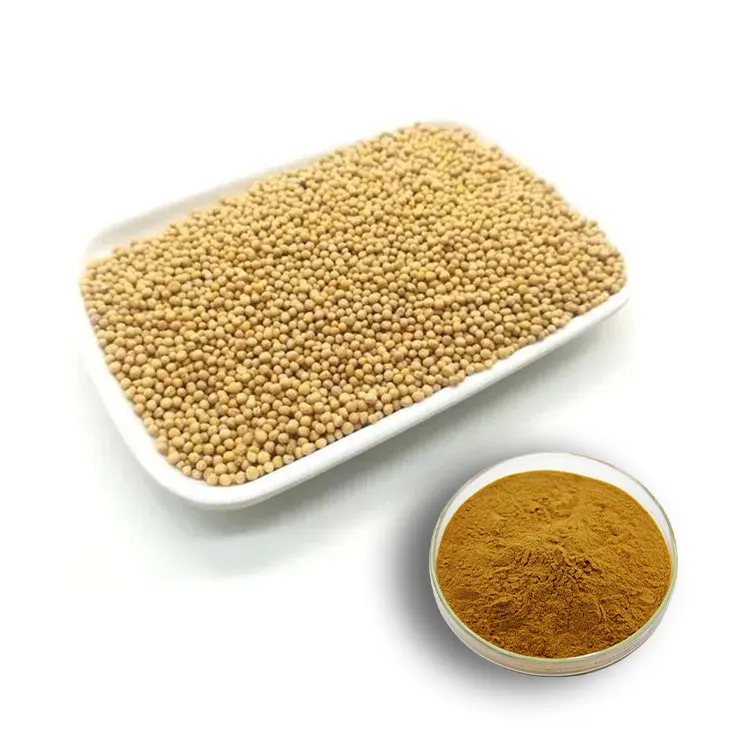
White mustard seeds have a long history of use in traditional medicine. They were used in ancient Greek and Roman medicine for their warming and expectorant properties. In traditional European medicine, mustard plasters were made from white mustard seeds and applied topically to relieve pain, congestion, and muscle soreness. The seeds were also used as a digestive aid, often consumed in small amounts before or after meals to help with digestion.
3.2 Other Herbs
- Ginger: Ginger has been used in Asian and Ayurvedic medicine for thousands of years. It was used to treat nausea, vomiting, and motion sickness. It was also considered a warming herb, used to improve circulation and relieve cold symptoms. - Garlic: Garlic has a long history of use in various cultures for its medicinal properties. It was used as an antimicrobial agent, to treat infections, and also for its potential cardiovascular benefits. Ancient Egyptians even used garlic in their mummification process.
4. Market Shares

4.1 Current Market Situation
In the current herbal supplement market, there are many factors that influence the market share of different herbal ingredients. White mustard seed extract is still a relatively niche product compared to some of the more well - known herbal ingredients. For example, turmeric supplements have a significant market share due to their wide - ranging health claims and extensive research support. Ginseng also has a large market share, especially in the Asian market where it has been used for centuries.
4.2 Factors Affecting Market Share
- Research and Evidence: The amount of scientific research available on an herbal ingredient plays a crucial role in its market share. Ingredients like turmeric and ginseng, which have been extensively studied, are more likely to be trusted by consumers and thus have a larger market share. - Marketing and Branding: Effective marketing and strong branding can significantly boost the market share of an herbal ingredient. Companies that are able to promote the benefits of their products in an appealing and convincing manner are more likely to succeed. - Availability and Cost: The availability of an herbal ingredient and its cost also affect its market share. If an ingredient is difficult to source or is very expensive, it may have a limited market share.
5. Which One is Dominant?
Determining which herbal ingredient is dominant is not a straightforward task. It depends on various factors such as the specific application, target market, and current trends. In terms of pharmacological effects, while White mustard seed extract has its unique properties, it cannot be said to be more dominant than other well - studied herbs like ginseng or turmeric. Each herb has its own set of benefits that are valuable in different contexts.
Historically, some herbs like ginger and garlic have a much longer and more widespread use across different cultures compared to white mustard seeds. However, this does not mean that white mustard seeds are not important, but rather that their historical use has been more limited in scope.
In the market, currently more popular herbs like turmeric and ginseng clearly have a larger market share. But as research on White mustard seed extract continues and more people become aware of its potential benefits, its market share may grow in the future.
6. Conclusion
In conclusion, while White mustard seed extract has potential as an herbal ingredient with its own pharmacological benefits and historical uses, it is not currently dominant when compared to some other well - known herbal ingredients. However, the herbal market is dynamic, and with further research, marketing, and changing consumer trends, the situation may change in the future. It is important for consumers, researchers, and the herbal industry to continue exploring the potential of all herbal ingredients, including White mustard seed extract, to fully realize their benefits for human health.
FAQ:
What are the main pharmacological effects of White mustard seed extract?
White mustard seed extract has several pharmacological effects. It may have anti - inflammatory properties, which can help reduce inflammation in the body. It might also have potential analgesic effects, being able to relieve pain to some extent. Additionally, it could play a role in improving digestion as it has been traditionally associated with digestive health.
What are the historical uses of other herbal ingredients?
Different herbal ingredients have diverse historical uses. For example, chamomile has been used for centuries to calm the nerves and aid in sleep. Lavender was often used for its pleasant smell and also for its potential to soothe skin irritations. Echinacea was historically used to boost the immune system, especially during cold and flu seasons.
How is the market share of White mustard seed extract determined?
The market share of White mustard seed extract is determined by several factors. Firstly, the demand for products containing it in various industries such as the pharmaceutical, cosmetic, and food industries plays a role. If there is a growing trend in using products with White mustard seed extract for health or beauty purposes, its market share may increase. Secondly, the production capacity and availability of the extract also impact its market share. If it can be produced in large quantities at a reasonable cost, it is more likely to gain a larger market share.
What factors influence the dominance of herbal ingredients in the market?
Several factors influence the dominance of herbal ingredients in the market. Efficacy is a crucial factor. If an herbal ingredient is proven to be highly effective for a particular condition or use, it is more likely to be dominant. Marketing and brand awareness also matter. A well - marketed herbal ingredient with strong brand recognition is more likely to dominate. Additionally, regulatory approval and safety play a role. If an ingredient has clear regulatory approval and is known to be safe, it can gain more market share and dominance.
Can White mustard seed extract and other herbal ingredients be used together?
Yes, in many cases White mustard seed extract and other herbal ingredients can be used together. However, it is important to consider potential interactions. Some combinations may enhance the overall effect, while others may lead to unwanted side effects. For example, if using it in a dietary supplement, it is necessary to ensure that the combination is safe and effective according to scientific research or under the guidance of a healthcare professional.
Related literature
- The Pharmacological Properties of White mustard seed extract"
- "Historical and Modern Uses of Herbal Ingredients"
- "Market Analysis of Herbal Ingredients: Determining Dominance"


-

Curcuma Longa Extract/Turmeric extract
2024-12-13
-

Pine bark Extract Powder
2024-12-13
-

Bamboo Leaf extract
2024-12-13
-

Antler Extract
2024-12-13
-

Bitter Melon Extract
2024-12-13
-

Propolis Extract Powder
2024-12-13
-

Lotus leaf extract
2024-12-13
-

L-Citrullin-DL-malate
2024-12-13
-

L-Arginine
2024-12-13
-

S-Adenosyl L-methionine(SAMe)
2024-12-13