


1. Introduction
White mustard seeds have been used for various purposes throughout history. The extract obtained from these seeds is a subject of increasing interest due to its rich composition of valuable components. This extract has the potential to be used in multiple industries, making it a versatile and promising substance.
2. Components of White mustard seed extract
2.1 Glucosinolates
One of the most characteristic and important components of White mustard seed extract is glucosinolates. Glucosinolates are a group of sulfur - containing compounds that are known for their diverse biological activities. These compounds are enzymatically hydrolyzed to produce a variety of products, including isothiocyanates, which have been associated with numerous health - promoting effects.
2.2 Other Components
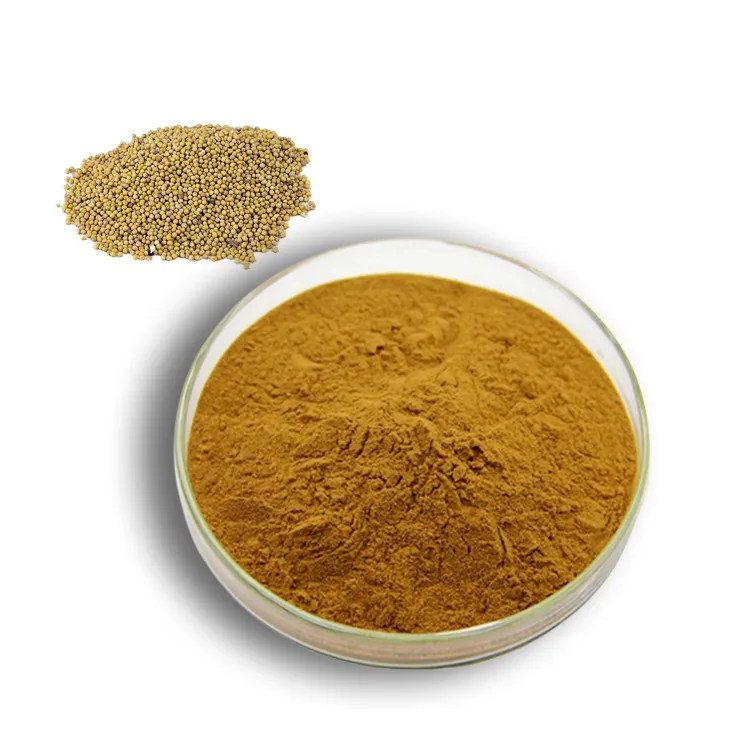
In addition to glucosinolates, White mustard seed extract contains other components such as proteins, lipids, and various minerals. The proteins in the extract can contribute to its nutritional value, while the lipids may play a role in its stability and emulsifying properties. Minerals like calcium, iron, and magnesium are also present, which can add to its potential health benefits.
3. Applications in the Pharmaceutical Industry
3.1 Treatment of Respiratory Diseases
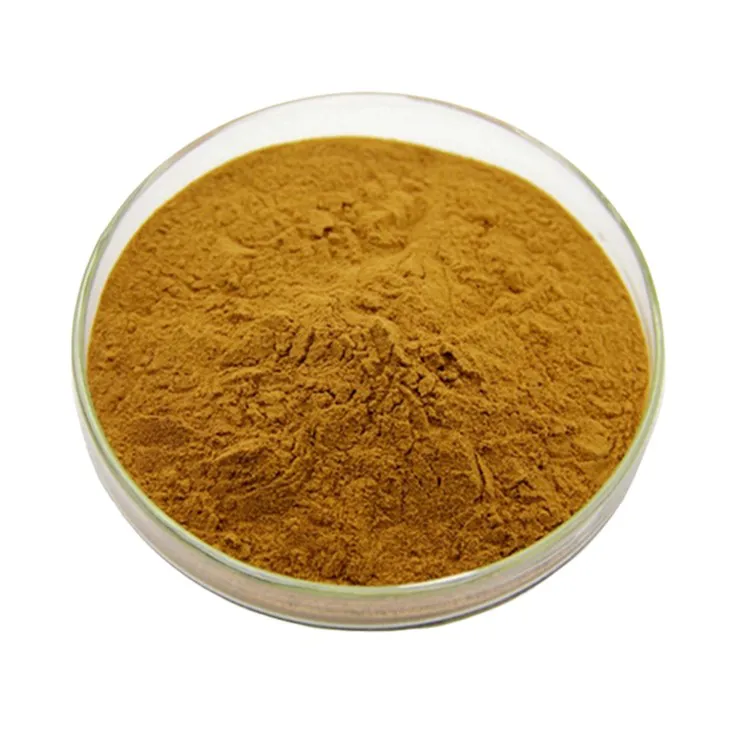
White mustard seed extract has shown potential in the treatment of respiratory diseases. The presence of certain compounds, possibly related to the glucosinolates, may help in relieving cough and congestion. For example, the anti - inflammatory properties of the extract can reduce the swelling and irritation in the respiratory tract, which are often associated with coughing and difficulty in breathing. It may also have expectorant properties, helping to expel mucus from the lungs and airways, thereby improving breathing.
3.2 Other Potential Pharmaceutical Applications
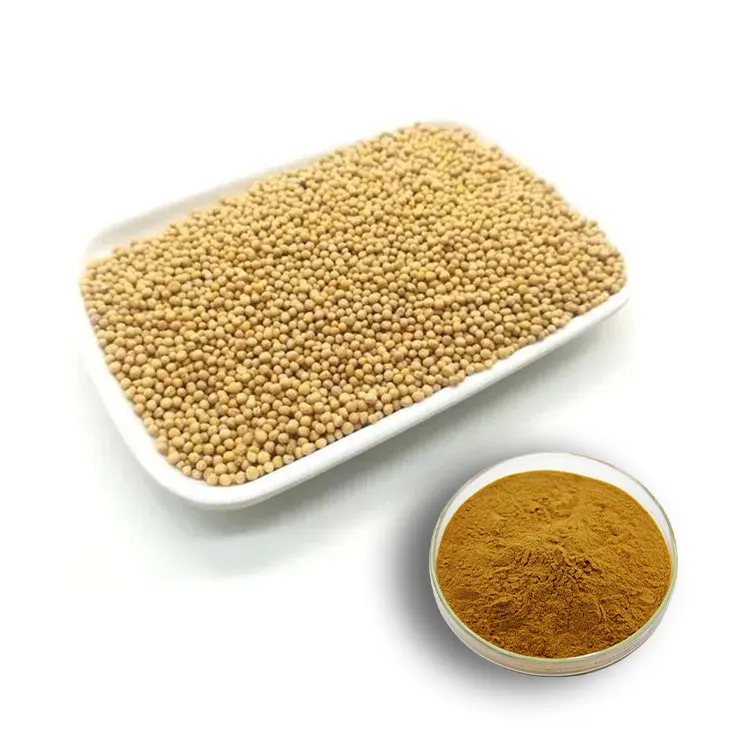
Beyond respiratory diseases, the extract may also have applications in other areas of medicine. Some studies suggest that it could have antioxidant properties, which can be beneficial in preventing cellular damage caused by free radicals. This could potentially be relevant in the treatment of diseases related to oxidative stress, such as certain types of cancer and neurodegenerative disorders. Additionally, the anti - microbial properties of White mustard seed extract may make it useful in the development of new antibiotics or anti - fungal agents.
4. Applications in the Food Industry

4.1 Flavor Enhancer
In the food industry, White mustard seed extract is recognized as a flavor enhancer. It imparts a unique, pungent flavor to foods, which is characteristic of mustard. This flavor can enhance the taste of a wide variety of dishes, including meats, vegetables, and sauces. It can be used in both processed and fresh foods, adding a distinct and appetizing flavor. For example, in the production of sausages, a small amount of White mustard seed extract can enhance the overall flavor profile, making the sausages more savory and appealing.
4.2 Preservative Properties
Another important application in the food industry is its potential as a preservative. The antimicrobial properties of the extract can help in inhibiting the growth of bacteria, yeast, and molds in food products. This can extend the shelf - life of foods, reducing the need for artificial preservatives. For instance, in some traditional pickled products, White mustard seed extract can be used to preserve the freshness and quality of the pickles, while also adding its characteristic flavor.
5. Applications in the Biotechnology Field
5.1 Enzyme Production
White mustard seed extract has shown potential in the field of biotechnology, particularly in enzyme production. Some enzymes can be produced using the components present in the extract as substrates or inducers. For example, certain enzymes involved in the hydrolysis of glucosinolates can be produced more efficiently in the presence of White mustard seed extract. These enzymes can then be used in various biotechnological processes, such as in the production of biofuels or in the degradation of complex organic compounds.
5.2 Bioremediation
The extract may also have applications in bioremediation. Due to its potential to interact with certain pollutants, it could be used to clean up contaminated environments. For example, it may be able to bind to heavy metals or degrade organic pollutants in soil or water. This could provide a more environmentally friendly approach to remediation compared to traditional chemical methods.
6. Challenges and Future Directions
6.1 Challenges in Extraction and Processing
One of the main challenges associated with White mustard seed extract is the extraction and processing methods. Ensuring the efficient extraction of the desired components while maintaining their integrity and bioactivity can be difficult. Different extraction techniques, such as solvent extraction, supercritical fluid extraction, or enzymatic extraction, may have different effects on the quality and quantity of the extract. Additionally, the purification and standardization of the extract are also important issues that need to be addressed to ensure its consistent quality for various applications.
6.2 Future Research Directions
There are several areas for future research in relation to White mustard seed extract. Firstly, more in - depth studies are needed to fully understand the mechanisms of action of its components, especially in relation to its pharmaceutical applications. Secondly, research on improving the extraction and processing methods to enhance the yield and quality of the extract is essential. Thirdly, exploring new applications in emerging fields, such as nanotechnology or personalized medicine, could open up new opportunities for the use of White mustard seed extract.
7. Conclusion
White mustard seed extract is a rich source of valuable components with a wide range of applications. From the pharmaceutical industry, where it shows potential in treating respiratory diseases and other health conditions, to the food industry as a flavor enhancer and preservative, and in the biotechnology field for enzyme production and bioremediation. However, there are still challenges to overcome in terms of extraction, processing, and standardization. With further research and development, the potential of White mustard seed extract is likely to be fully realized, offering new solutions in various industries.
FAQ:
What are the main components in White mustard seed extract?
The main components in White mustard seed extract are glucosinolates. These are characteristic compounds in the extract.
How can White mustard seed extract be used in the pharmaceutical industry?
In the pharmaceutical industry, White mustard seed extract can be a source of new drugs for treating respiratory diseases. It may help relieve cough and congestion.
What role does White mustard seed extract play in the food industry?
In the food industry, White mustard seed extract can be used as a flavor enhancer.
Why is White mustard seed extract considered valuable in biotechnology?
White mustard seed extract has shown potential in the field of biotechnology for enzyme production.
Are there any potential side effects of using White mustard seed extract?
There is currently no comprehensive information indicating significant side effects of using White mustard seed extract. However, more research may be needed, especially when considering its use in large - scale pharmaceutical or food applications.
Related literature
- The Chemical Composition and Bioactivity of White mustard seed extracts"
- "Applications of Mustard Seed Extracts in Different Industries: A Review"


-

Curcuma Longa Extract/Turmeric extract
2025-01-11
-

Beta Carotene
2025-01-11
-

Agaricus Blazei Extract
2025-01-11
-

Vitamin D3
2025-01-11
-

Melatonin
2025-01-11
-

Pomegranate Extract
2025-01-11
-

Lemon Juice Powder
2025-01-11
-

Propolis Extract Powder
2025-01-11
-

Natural grape seed extract
2025-01-11
-

Okra Extract
2025-01-11