


1. Introduction
Yellow Pine Extract is an interesting natural product that has attracted much attention in various fields. It possesses unique properties and requires specific processing methods. This article will delve into its properties, processing techniques, and applications.
2. Properties of Yellow Pine Extract
2.1 Bioactive Compounds
The Yellow Pine Extract is rich in bioactive compounds. One of the significant components is lignans. Lignans are known for their potential health - promoting effects, such as hormonal regulation. For example, some lignans can interact with the body's hormonal system and help in maintaining hormonal balance. Another important group of compounds are tannins. Tannins endow the extract with certain astringent properties, which can be useful in different applications. For instance, in skincare products, the astringent nature of tannins can help tighten the skin.
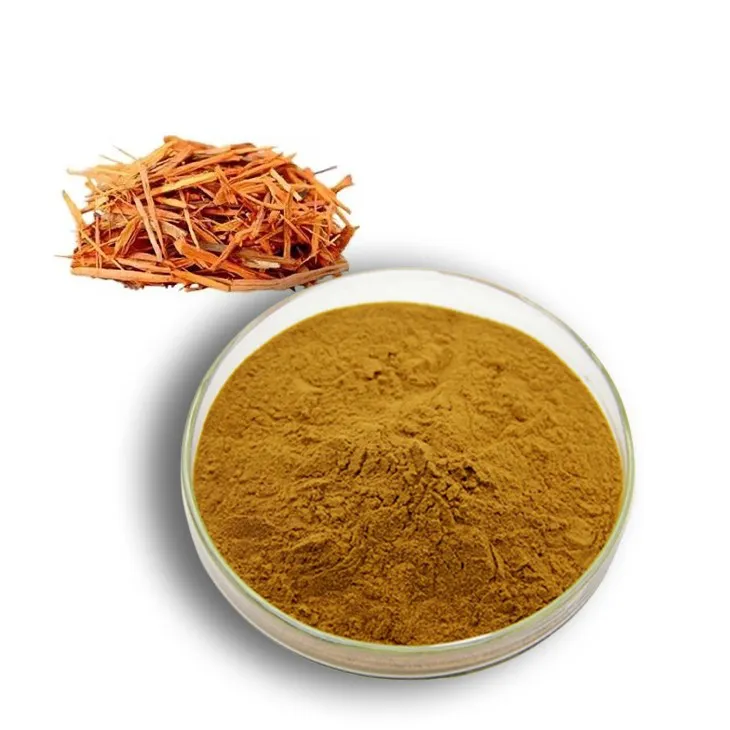
2.2 Physical Properties
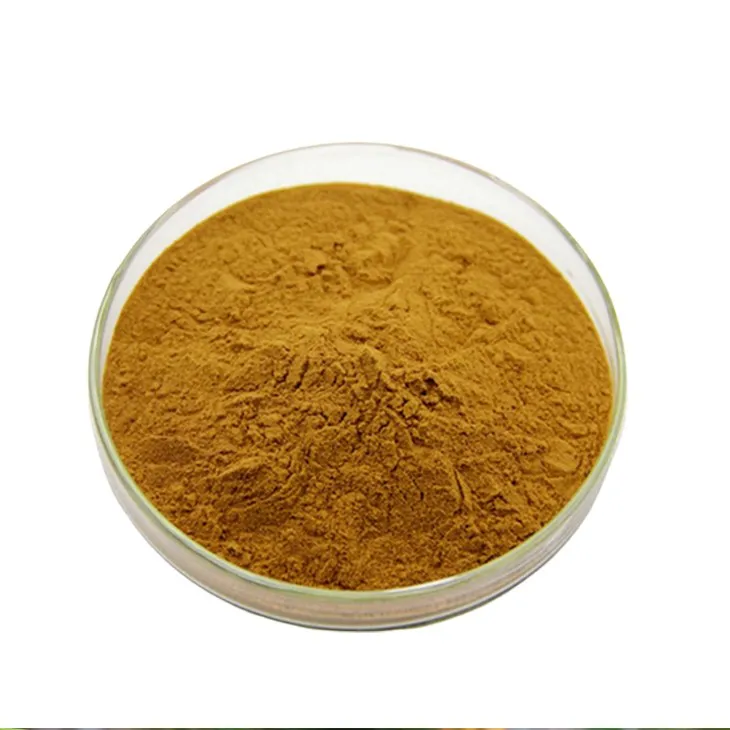
The physical properties of Yellow Pine Extract are also notable. Its viscosity is relatively high, which is influenced by the extraction method and concentration. Different extraction techniques and varying concentrations of the extract can lead to differences in viscosity. The density of the extract is also a characteristic that cannot be ignored. This property is important when formulating products in different industries. For example, in the pharmaceutical industry, the density of the extract may affect the way it is incorporated into tablets or capsules.
2.3 Ecological Significance
Since the Yellow Pine Extract is derived from yellow pine trees, it has ecological significance. If the extraction process is carried out sustainably, it can have a positive impact on forest ecosystems. Sustainable extraction can be part of a holistic forestry approach. For example, proper extraction can promote tree health by removing parts of the tree that may be diseased or overgrown. It can also contribute to biodiversity as it can be managed in a way that allows other organisms in the forest to thrive.
3. Processing of Yellow Pine Extract

3.1 Pretreatment of Raw Materials
Before the extraction process, the yellow pine materials need to be pretreated properly.
- Drying: Drying is an important step. By reducing the moisture content of the yellow pine materials, the extraction efficiency can be improved. High moisture content can interfere with the extraction process as it may dilute the solvents used or prevent proper interaction between the plant material and the solvents.
- Grinding or Chopping: Another pretreatment method is to grind or chop the pine parts into smaller pieces. This increases the surface area available for extraction. When the surface area is increased, more of the bioactive compounds can be exposed to the solvents, resulting in a more efficient extraction process.
3.2 Multi - stage Extraction
A multi - stage extraction process is often employed to obtain a more comprehensive range of compounds from the yellow pine.
- In the first stage, a less polar solvent can be used. This is mainly to extract lipid - soluble components. For example, solvents like hexane can be effective in this initial stage as they can dissolve lipids and related compounds present in the yellow pine.
- In the subsequent stage, a more polar solvent is used. This is to extract water - soluble and polar compounds. For instance, ethanol or water - based solvents can be used in this stage. This multi - stage approach ensures that a wider variety of bioactive compounds are obtained from the yellow pine extract.
3.3 Purification and Concentration
After the extraction process, purification and concentration steps are crucial.
- Purification: Purification is necessary to remove impurities such as resins and other unwanted plant materials. This can be achieved through various methods such as filtration, centrifugation, or chromatography. For example, filtration can be used to remove large particles of resins, while chromatography can be more precise in separating different compounds and removing unwanted ones.
- Concentration: Concentration techniques are used to increase the concentration of the active compounds in the extract. Two common methods are rotary evaporation and freeze - drying. Rotary evaporation involves heating the extract under reduced pressure to evaporate the solvent and increase the concentration of the active compounds. Freeze - drying, on the other hand, involves freezing the extract and then removing the water or solvent through sublimation, which also results in a concentrated form of the extract.
4. Benefits and Applications
4.1 In Nutraceuticals
The Yellow Pine Extract can be formulated into dietary supplements due to its bioactive compounds. These compounds can provide various health benefits. For example, they can play a role in improving cardiovascular health by reducing oxidative stress. Oxidative stress is associated with many cardiovascular problems, and the antioxidants present in the extract can help counteract this stress. Additionally, the lignans in the extract may have other health - promoting effects such as anti - inflammatory properties.
4.2 In the Perfume Industry
The Yellow Pine Extract has a unique odor profile that makes it useful in the perfume industry. It can be used as a base note in perfumes. The earthy and woody scent of the extract can add depth and complexity to fragrance compositions. When combined with other floral or fruity notes, it can create a more balanced and long - lasting perfume.
4.3 In Traditional Medicine
The Yellow Pine Extract has been used in some traditional medicine systems for treating ailments like rheumatism. Although more scientific research is needed to fully validate its efficacy, its long - standing use indicates potential medicinal value. In traditional medicine, it may be used in the form of decoctions or topical applications. However, it is important to note that modern scientific research should be carried out to ensure its safety and effectiveness.
5. Conclusion
In conclusion, Yellow Pine Extract is a natural product with diverse properties and a wide range of applications. Its unique bioactive compounds, physical properties, and ecological significance make it an interesting subject for further study. The proper processing methods are crucial for obtaining a high - quality extract with maximum benefits. With continued research, it is likely that more applications and benefits of Yellow Pine Extract will be discovered in the future.
FAQ:
What are the main bioactive compounds in Yellow Pine Extract?
The main bioactive compounds in Yellow Pine Extract include lignans, which are known for potential health - promoting effects such as hormonal regulation, and tannins that give it astringent properties.
Why is pretreatment important in the processing of Yellow Pine Extract?
Pretreatment is important in the processing of Yellow Pine Extract. Drying can reduce moisture content, which affects extraction efficiency. Grinding or chopping the pine materials into smaller pieces increases the surface area available for extraction.
How does multi - stage extraction work for Yellow Pine Extract?
Multi - stage extraction for Yellow Pine Extract involves using a less polar solvent in the first stage to extract lipid - soluble components. Then, a more polar solvent is used in the subsequent stage to extract water - soluble and polar compounds.
What are the benefits of Yellow Pine Extract in the nutraceuticals industry?
In the nutraceuticals industry, Yellow Pine Extract can be formulated into dietary supplements. Its bioactive compounds can provide various health benefits, such as improving cardiovascular health by reducing oxidative stress.
How is Yellow Pine Extract used in the perfume industry?
In the perfume industry, Yellow Pine Extract is used for its unique odor profile. It can be used as a base note, and its earthy and woody scent can add depth and complexity to fragrance compositions.
Related literature
- Properties and Applications of Yellow Pine Extract"
- "The Processing of Yellow Pine - Derived Natural Products"
- "Bioactive Compounds in Yellow Pine: A Comprehensive Review"


-

Mangosteen extract powder
2024-12-21
-

Curcumin
2024-12-21
-

Carrageenan Extract Powder
2024-12-21
-

Shikonin
2024-12-21
-

Citrus bioflavonoids
2024-12-21
-

Vitamin C
2024-12-21
-

L-Cysteine
2024-12-21
-

Sea buckthorn oil
2024-12-21
-

Plantain extract
2024-12-21
-

Bayberry Extract
2024-12-21