


1. Raw Material Selection
The quality of Artichoke Leaf Extract powder begins with the selection of raw materials. High - quality artichoke leaves are crucial for producing a top - notch extract powder. When choosing artichoke leaves, several factors need to be considered.
Firstly, the source of the artichokes matters. Artichokes grown in clean, unpolluted environments are more likely to yield better - quality leaves. Organic farms are often preferred as they minimize the exposure of the plants to pesticides and other harmful chemicals.
Secondly, the maturity of the leaves is an important aspect. Leaves that are at the optimal stage of growth tend to have a higher concentration of the desired compounds. Immature leaves may not have fully developed the beneficial substances, while over - mature leaves might have started to lose some of their potency.
Another factor to consider is the variety of artichoke. Different artichoke varieties can have varying levels of the active ingredients in their leaves. For example, some varieties may be richer in cynarin, which is one of the key components in Artichoke Leaf Extract known for its potential health benefits.
2. Cleaning and Preparation
Once the artichoke leaves are selected, the next step is cleaning and preparation for extraction.
Cleaning
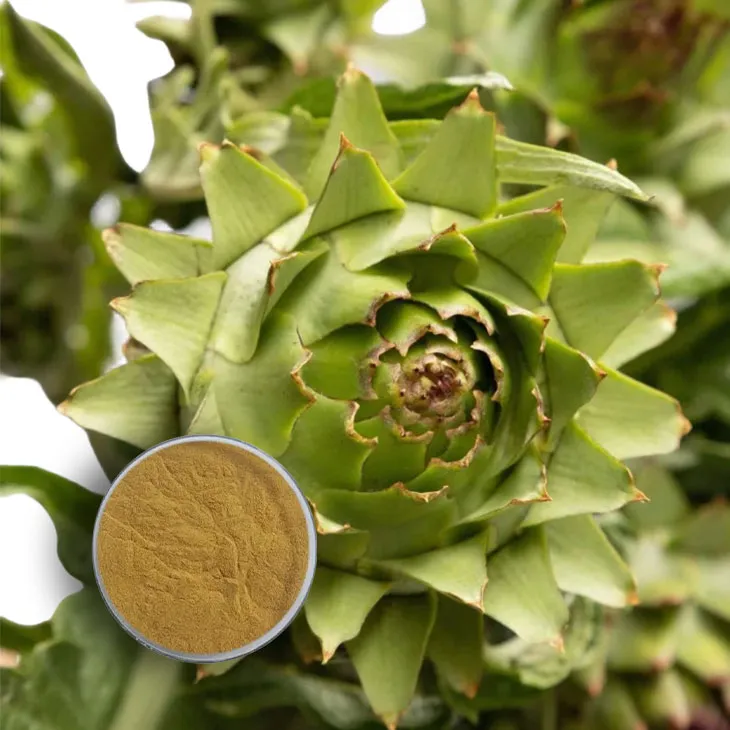
The leaves need to be thoroughly cleaned to remove any dirt, debris, or contaminants. This is typically done using a gentle washing process. Soft water is often preferred to avoid leaving any mineral deposits on the leaves. Special care is taken not to damage the leaves during the cleaning process as this could potentially affect the extraction process later on.
Drying
After cleaning, the leaves are dried. There are different methods of drying, such as air drying and low - temperature drying. Air drying is a more natural method but may take longer. Low - temperature drying, on the other hand, can be more controlled and can help preserve the integrity of the active compounds in the leaves. The drying process should be carried out until the leaves reach an appropriate moisture level, usually around 10 - 15% moisture content.
Shredding
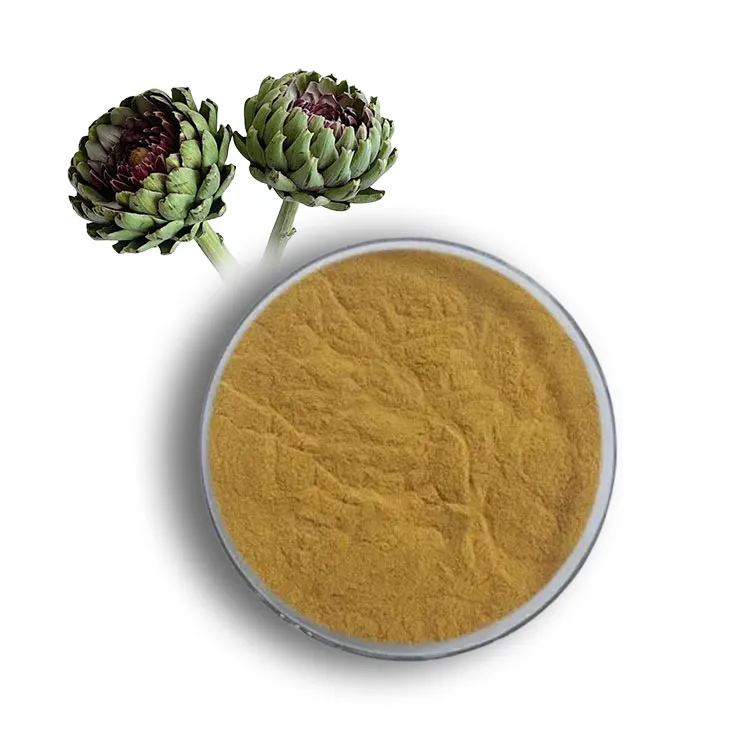
Once dried, the artichoke leaves are shredded into smaller pieces. This increases the surface area of the leaves, which is beneficial for the extraction process. The shredding should be done evenly to ensure consistent extraction across all the leaf material.
3. Extraction Methods
There are several methods available for extracting the active compounds from artichoke leaves to produce the extract powder.
Solvent Extraction
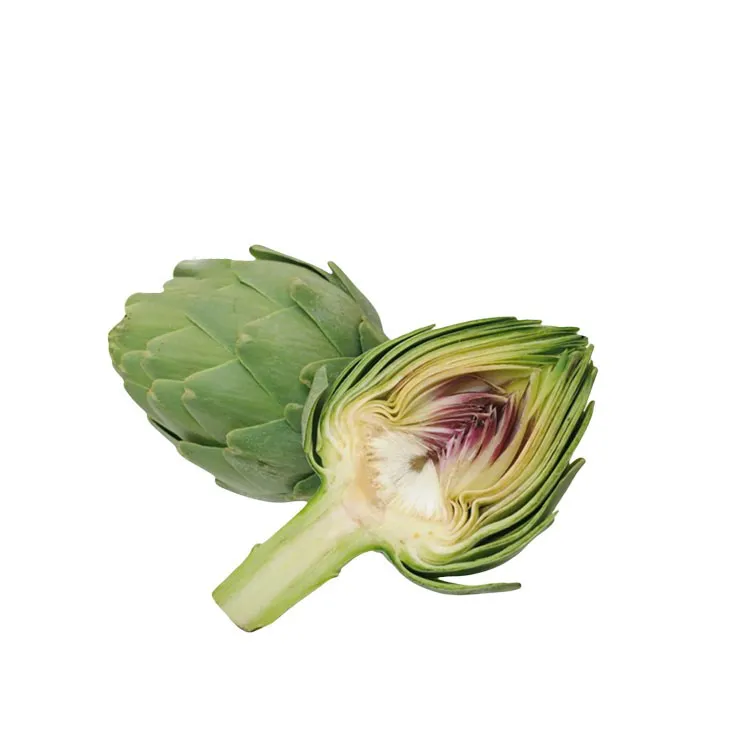
Solvent extraction is one of the most common methods. In this process, a suitable solvent is used to dissolve the active compounds from the shredded artichoke leaves. Ethanol is often a popular choice as a solvent due to its ability to effectively extract a wide range of compounds while being relatively safe and easy to handle. The shredded leaves are soaked in the ethanol solution for a certain period, usually several hours to days, depending on the desired extraction efficiency.
After the soaking period, the solution is filtered to separate the liquid extract containing the dissolved compounds from the solid leaf residue. The filtrate is then concentrated, either by evaporation or other concentration methods, to increase the concentration of the active compounds in the solution.
Supercritical Fluid Extraction
Another method is supercritical fluid extraction, which uses a supercritical fluid, often carbon dioxide (CO₂), as the extracting agent. Supercritical CO₂ has properties that make it an excellent solvent for extracting natural products. It can penetrate the plant material easily and selectively extract the desired compounds. This method has the advantage of being a "cleaner" extraction process as it leaves no solvent residues in the final product, which is especially important for applications in the food and pharmaceutical industries.
However, supercritical fluid extraction requires specialized equipment and higher operating costs compared to solvent extraction. The extraction conditions, such as pressure and temperature, need to be carefully controlled to optimize the extraction of the active compounds from the artichoke leaves.
4. Concentration and Drying
After the extraction process, the next steps involve concentration and drying to obtain the Artichoke Leaf Extract powder.
Concentration
The extract obtained from the extraction process may still have a relatively low concentration of the active compounds. To increase the concentration, various methods can be used. As mentioned earlier, evaporation is a common method for concentrating the extract. By applying heat and reduced pressure, the solvent is removed, leaving behind a more concentrated solution of the active compounds.
Another method is membrane concentration, which uses semi - permeable membranes to separate the solvent from the active compounds. This method can be more selective and can help preserve the integrity of the active compounds better than simple evaporation.
Drying
Once the extract has been concentrated, it is dried to obtain the powder form. Spray drying is a widely used drying method in the production of Artichoke Leaf Extract powder. In spray drying, the concentrated extract is sprayed into a hot air chamber. The hot air rapidly evaporates the remaining solvent, leaving behind fine powder particles.
Freeze - drying is another option, especially for extracts that are sensitive to heat. In freeze - drying, the extract is frozen first, and then the ice is removed by sublimation under reduced pressure. This method can help preserve the biological activity of the active compounds in the extract better than spray drying, but it is also more expensive and time - consuming.
5. Quality Control
Quality control is an essential part of Artichoke Leaf Extract powder processing to ensure that the final product meets the required standards.
Identity and Purity Testing
One of the first steps in quality control is to confirm the identity and purity of the extract. Analytical techniques such as high - performance liquid chromatography (HPLC) are used to identify and quantify the active compounds in the extract. This helps to ensure that the extract contains the expected compounds, such as cynarin and other flavonoids, in the correct amounts.
Purity testing also involves checking for the presence of any contaminants, such as heavy metals, pesticides, and residual solvents. These contaminants can be harmful if present in the final product and can affect its safety and quality.
Microbial Testing
Microbial testing is carried out to ensure that the Artichoke Leaf Extract powder is free from harmful microorganisms. Tests for bacteria, yeasts, and molds are typically performed. The acceptable limits for microbial contamination are set based on regulatory requirements and the intended use of the product. For example, products intended for use in the food or pharmaceutical industries have stricter limits on microbial contamination compared to products for other applications.
Stability Testing
Stability testing is important to determine the shelf - life of the Artichoke Leaf Extract powder. The extract powder is subjected to different storage conditions, such as different temperatures and humidities, over a period of time. Analytical tests are then carried out at regular intervals to monitor the stability of the active compounds in the powder. This helps to determine the expiration date of the product and also provides information on how to store the product properly to maintain its quality.
6. Packaging and Storage
The final steps in Artichoke Leaf Extract powder processing are packaging and storage to protect the product and ensure its long - term quality.
Packaging
The Artichoke Leaf Extract powder is typically packaged in airtight containers. This helps to prevent moisture absorption, which can affect the quality of the powder. For products that are sensitive to light, opaque containers may be used to protect the powder from light - induced degradation.
The packaging material should also be inert and not react with the extract powder. For example, plastic or glass containers are commonly used. Additionally, proper labeling is essential, including information such as the product name, ingredients, batch number, expiration date, and storage instructions.
Storage
The Artichoke Leaf Extract powder should be stored in a cool, dry place. The ideal storage temperature is usually around 2 - 8°C for maximum stability. However, if stored properly at room temperature, the powder can still maintain its quality for a reasonable period of time.
It is also important to avoid storing the powder near strong odors or chemicals, as it can absorb these odors and potentially affect its quality. Regular inventory checks should be carried out to ensure that the product is stored under the correct conditions and to detect any signs of spoilage or degradation early.
FAQ:
Question 1: What are the key factors in raw material selection for Artichoke Leaf Extract powder?
The key factors include the freshness of artichoke leaves. Fresh leaves are more likely to contain higher levels of active compounds. The origin also matters. Artichokes grown in certain regions may have better quality due to soil, climate and farming practices. Additionally, the variety of artichoke is crucial as different varieties may have different compositions of beneficial substances.
Question 2: How is the extraction process carried out?
Typically, the extraction process may involve solvent extraction. Ethanol or water - ethanol mixtures are often used as solvents. The artichoke leaves are first ground into a fine powder or slurry. Then, the solvent is added and the mixture is agitated for a period to allow the active compounds to dissolve into the solvent. After that, filtration and concentration steps are carried out to obtain a more concentrated extract.
Question 3: What are the main active compounds in Artichoke Leaf Extract powder?
The main active compounds include cynarin, chlorogenic acid, and flavonoids. Cynarin is known for its potential health - promoting effects on digestion and liver function. Chlorogenic acid has antioxidant properties, and flavonoids contribute to overall antioxidant and anti - inflammatory activities.
Question 4: How is the quality of the final Artichoke Leaf Extract powder controlled?
Quality control involves several aspects. Firstly, the purity of the extract is measured, ensuring that there are no excessive impurities or contaminants. Chemical analysis is carried out to determine the levels of active compounds to ensure they are within the expected range. Microbiological testing is also important to check for the presence of harmful microorganisms. Packaging materials are selected to protect the powder from moisture, light and oxygen, which could degrade the product.
Question 5: Are there any environmental considerations in the processing?
Yes, there are. For example, the choice of solvents should be made with environmental impact in mind. Solvents that are more environmentally friendly and easier to recycle or dispose of properly are preferred. Also, waste management during the processing, such as the disposal of leftover plant materials and used solvents, needs to be carried out in an environmentally responsible way.
Question 6: Can the processing method affect the bioavailability of the active compounds?
Yes, it can. If the extraction process is not optimized, some active compounds may be degraded or not fully extracted, which can reduce their bioavailability. For example, over - exposure to heat during concentration steps may damage heat - sensitive compounds. Therefore, careful control of the processing conditions is necessary to ensure maximum bioavailability of the active compounds in the final product.
Related literature
- Artichoke (Cynara scolymus L.) Leaf Extract: Chemical Composition, Pharmaceutical Properties and Food Applications"
- "The Bioactive Compounds of Artichoke and Their Potential Health Benefits"
- "Processing and Quality Control of Herbal Extracts: The Case of Artichoke Leaf Extract"


-

Vitamin C
2024-12-06
-

Shikonin
2024-12-06
-

Black Rice Extract
2024-12-06
-

Lotus leaf extract
2024-12-06
-

Olive leaf extract
2024-12-06
-

Lemon Juice Powder
2024-12-06
-

Troxerutin
2024-12-06
-

Fenugreek Extract Powder
2024-12-06
-

Moringa powder
2024-12-06
-

Sophora Japonica Flower Extract
2024-12-06