


1. Introduction to Purple Sweet Potato Extract Powder
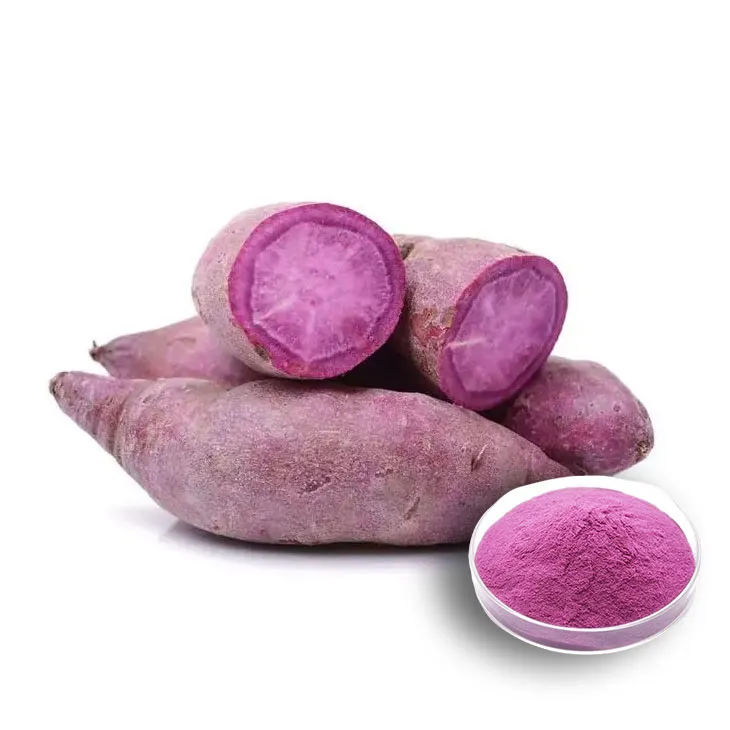
Purple Sweet Potato Extract powder is a product that has gained significant attention in recent years. It is derived from purple sweet potatoes, which are known for their rich nutritional content. Purple sweet potatoes are a great source of antioxidants, dietary fiber, vitamins, and minerals. The extract powder is obtained through a series of processing steps that aim to concentrate these beneficial components.
2. Initial Steps in Processing
2.1 Selection and Cleaning
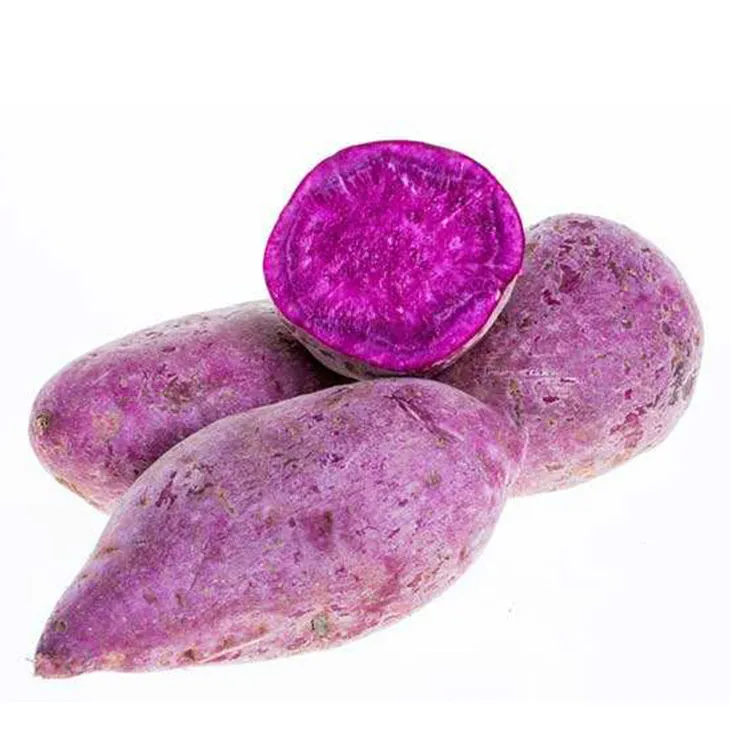
The first step in processing Purple Sweet Potato Extract powder is the careful selection of high - quality purple sweet potatoes. Only those that are free from diseases, bruises, and other defects should be chosen. Once selected, the potatoes need to be thoroughly cleaned. This is crucial as it removes dirt, soil, and any potential contaminants from the surface of the potatoes.

2.2 Peeling
After cleaning, the purple sweet potatoes are peeled. Peeling can be done manually or using mechanical peelers. Manual peeling may be more time - consuming but can ensure more precise removal of the skin. Mechanical peelers, on the other hand, are more efficient for large - scale processing. However, care must be taken to ensure that not too much of the flesh is removed during peeling.
3. Extraction Process
3.1 Grinding
Once peeled, the purple sweet potato flesh is ground into a fine pulp. This can be achieved using a grinder or a blender. The goal is to break down the tissue structure of the potato to release the intracellular components. Grinding also helps to increase the surface area, which is beneficial for the subsequent extraction steps.

3.2 Solvent Extraction
After grinding, solvent extraction is often used to obtain the desired extract. Common solvents such as water, ethanol, or a combination of both can be employed. Water extraction is a more natural and environmentally friendly option, but ethanol extraction may be more effective in extracting certain hydrophobic components. The choice of solvent depends on the specific components that are targeted for extraction. During solvent extraction, the ground purple sweet potato pulp is mixed with the solvent and allowed to soak for a certain period. This allows the active components to dissolve into the solvent.
4. Purification and Concentration
4.1 Filtration
After extraction, the mixture needs to be filtered to remove the solid residues. Filtration can be done using various methods such as filter paper, filter presses, or membrane filtration. Filtration helps to obtain a clear extract free from large particles. This step is important for ensuring the purity of the final product.
4.2 Concentration
The filtered extract is then concentrated to increase the content of the active components. Concentration can be achieved through evaporation, either under normal pressure or reduced pressure. Reduced - pressure evaporation is often preferred as it can be carried out at lower temperatures, which helps to preserve the heat - sensitive components in the extract. As the solvent is evaporated, the concentration of the extract increases, and the final product in the form of a thick liquid or semi - solid is obtained.
5. Drying and Powder Formation
5.1 Drying
The concentrated extract needs to be dried to obtain the powder form. Drying can be done using different methods such as air drying, freeze - drying, or spray - drying. Air drying is a simple and cost - effective method, but it may take a longer time and may cause some degradation of the components due to exposure to air and relatively high temperatures. Freeze - drying is a more gentle method that can preserve the structure and activity of the components well, but it is more expensive. Spray - drying is a commonly used method in industrial production. It involves spraying the concentrated extract into a hot air stream, which quickly evaporates the remaining water and forms fine powder particles.
5.2 Powder Formation
After drying, the resulting solid is further processed to form a fine powder. This may involve grinding the dried material to a uniform particle size. The powder should have a smooth texture and be free from lumps. Quality control measures are important at this stage to ensure that the powder meets the required specifications.
6. Potential Applications
- Food Industry: Purple Sweet Potato Extract powder can be used as a natural food coloring agent. It can add a vibrant purple color to various food products such as bakery items, confectionery, and dairy products. It can also be used as an ingredient in functional foods due to its rich nutritional content. For example, it can be added to breakfast cereals, energy bars, or smoothies to enhance their nutritional value.
- Cosmetic Industry: The antioxidant properties of Purple Sweet Potato Extract powder make it a valuable ingredient in cosmetics. It can be used in skin care products such as creams, lotions, and serums to protect the skin from oxidative stress and premature aging. It may also have anti - inflammatory properties that can help soothe irritated skin.
- Pharmaceutical Industry: There is potential for Purple Sweet Potato Extract powder in the pharmaceutical field. It may be studied for its role in preventing or treating certain diseases related to oxidative damage, such as cardiovascular diseases or cancer. However, more research is needed to fully understand its pharmacological effects and develop appropriate pharmaceutical formulations.
7. Processing Challenges
- Component Stability: During processing, some of the active components in Purple Sweet Potato Extract powder may be unstable. For example, the antioxidants may be degraded by heat, light, or oxygen. Therefore, appropriate processing conditions need to be carefully controlled to preserve the stability of these components.
- Yield Optimization: Maximizing the yield of the extract powder is a challenge. Factors such as the choice of extraction method, extraction time, and solvent - to - material ratio can affect the yield. Process optimization is required to ensure high - quality product with maximum yield.
- Quality Control: Ensuring the quality of the final product is crucial. There are many aspects to consider, such as the purity of the extract, the particle size of the powder, and the absence of contaminants. Strict quality control measures need to be implemented throughout the processing steps.
8. Safety Considerations
When it comes to Purple Sweet Potato Extract powder processing, safety is of utmost importance.
- Solvent Residue: If solvents are used in the extraction process, it is essential to ensure that there are no harmful solvent residues in the final product. Adequate drying and purification steps should be carried out to remove any remaining solvents.
- Allergen Control: Purple sweet potatoes are a food source, and there is a possibility of allergen contamination. During processing, strict measures should be taken to prevent cross - contamination with other allergens, especially if the extract powder is intended for use in food or cosmetic products.
- Microbial Contamination: Throughout the processing, steps should be taken to prevent microbial growth. This includes proper cleaning and sanitization of equipment, storage at appropriate temperatures, and using good manufacturing practices to ensure that the final product is free from harmful microorganisms.
FAQ:
Question 1: What are the initial steps in Purple Sweet Potato Extract powder processing?
The initial steps typically involve sourcing high - quality purple sweet potatoes. These are then thoroughly washed to remove dirt, debris, and any surface contaminants. After washing, they are usually peeled to eliminate the outer skin which may contain unwanted substances. Next, the peeled sweet potatoes are cut into small pieces to prepare them for further processing, such as extraction.
Question 2: What methods are commonly used for extraction in Purple Sweet Potato Extract powder processing?
One common method is solvent extraction. This may involve using solvents like ethanol or water to extract the desired components from the purple sweet potato pieces. Another method is enzymatic extraction, where specific enzymes are used to break down the cell walls and release the beneficial compounds. Supercritical fluid extraction is also sometimes used, which offers advantages in terms of selectivity and purity of the extract.
Question 3: What are the potential applications of Purple Sweet Potato Extract powder?
Purple Sweet Potato Extract powder has a wide range of potential applications. In the food industry, it can be used as a natural colorant due to its rich purple hue, replacing synthetic colorants. It is also used in functional foods and dietary supplements because it contains antioxidants, such as anthocyanins. In the cosmetic industry, it can be incorporated into skincare products for its antioxidant properties, which may help in protecting the skin from oxidative damage.
Question 4: What are the main processing challenges in Purple Sweet Potato Extract powder production?
One of the main challenges is maintaining the stability of the active compounds, especially the anthocyanins. These are sensitive to factors such as heat, light, and pH. Another challenge is achieving high extraction efficiency while minimizing the use of solvents, especially if organic solvents are involved, due to cost and potential environmental and safety concerns. Additionally, ensuring consistent quality of the final extract powder can be difficult, as the composition of purple sweet potatoes can vary depending on factors such as the variety, growing conditions, and harvesting time.
Question 5: What are the safety considerations in Purple Sweet Potato Extract powder processing?
When using solvents for extraction, it is crucial to ensure that all solvent residues are removed to safe levels in the final product. Also, if there are any potential allergens in the purple sweet potato or introduced during processing, proper labeling and handling procedures need to be in place. The microbial safety of the raw materials and the processed product must be ensured through proper washing, sterilization, and storage conditions.
Related literature
- Purple Sweet Potato: A Promising Source of Bioactive Compounds"
- "Processing and Utilization of Purple Sweet Potato for Nutraceutical and Functional Food Applications"
- "Anthocyanin Extraction from Purple Sweet Potato: A Review of Current Methods and Challenges"


-

Hops Extract
2024-12-07
-

Acerola Juice Powder
2024-12-07
-

Angelica sinensis extract
2024-12-07
-

Clove Powder
2024-12-07
-

Antler Extract
2024-12-07
-

Olive leaf extract
2024-12-07
-

Licorice Root Extract Powder
2024-12-07
-

Feverfew Extract
2024-12-07
-

Aguaje Extract
2024-12-07
-

Ginger Extract
2024-12-07