


1. Introduction to Yellow Pine
Yellow pine is a remarkable tree species with numerous qualities that make it a valuable source for extract powder production. Yellow pine is known for its hardiness and wide distribution across various regions. It has been used in traditional medicine in some cultures for centuries due to its perceived health - promoting properties.
In the modern extract powder industry, yellow pine offers a rich source of bioactive compounds. These compounds can potentially be used in various applications such as dietary supplements, pharmaceuticals, and cosmeceuticals. The chemical composition of yellow pine includes a variety of phenolic compounds, terpenes, and other secondary metabolites that are of great interest to researchers and manufacturers alike.
2. Key Processes in Yellow Pine Extract Powder Production
2.1 Extraction
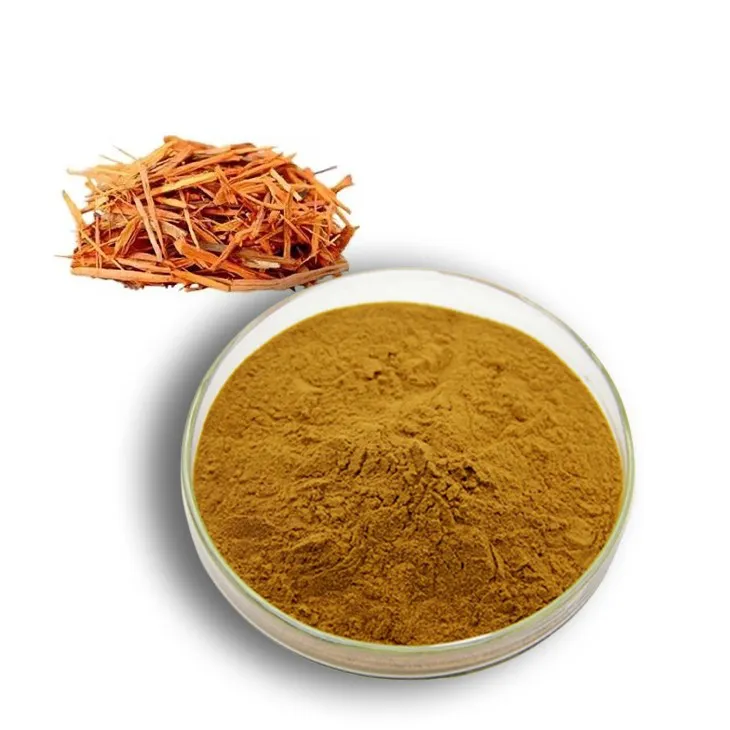
The extraction process is the first and crucial step in obtaining Yellow Pine Extract powder. There are several methods available for extraction, each with its own advantages and limitations.
- Solvent extraction: This is a commonly used method. Organic solvents such as ethanol or methanol are often employed to dissolve the bioactive compounds from the yellow pine. The choice of solvent depends on factors like the solubility of the target compounds and the safety requirements. For example, ethanol is a relatively safe solvent that can effectively extract a wide range of phenolic compounds from yellow pine.
- Supercritical fluid extraction: This advanced technique uses supercritical fluids, usually carbon dioxide, as the extracting agent. Supercritical carbon dioxide has properties similar to both a gas and a liquid, allowing it to penetrate the plant material and extract the desired compounds with high selectivity. It has the advantage of being a "green" extraction method as it leaves no solvent residue in the final product.
To improve extraction efficiency, parameters such as temperature, pressure, and extraction time need to be carefully optimized. Higher temperatures can generally increase the solubility of the compounds, but excessive heat may also lead to the degradation of some heat - sensitive compounds. Similarly, increasing pressure can enhance extraction, but it also requires appropriate equipment to ensure safety.
2.2 Purification
After extraction, the resulting extract contains a mixture of compounds, and purification is necessary to obtain a high - quality Yellow Pine Extract powder.
- Filtration: This is a simple yet effective purification step. It can remove large particles, such as plant debris and insoluble substances, from the extract. Different types of filters, such as membrane filters or filter papers, can be used depending on the nature of the impurities.
- Chromatography: This is a more sophisticated purification method. Techniques like high - performance liquid chromatography (HPLC) can be used to separate and purify the individual bioactive compounds in the Yellow Pine Extract. HPLC works based on the differential affinity of the compounds towards the stationary and mobile phases in the chromatographic column.
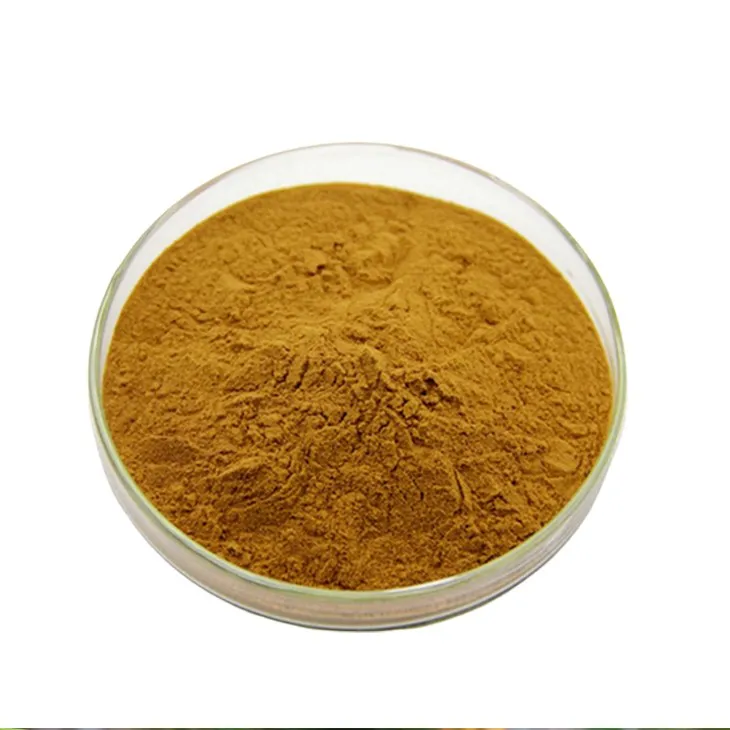
The purification process not only improves the purity of the extract but also enhances the stability and efficacy of the final product. By removing unwanted impurities, the risk of chemical reactions between different components in the extract is reduced, which helps to maintain the integrity of the active ingredients.
2.3 Ensuring the Stability of Active Ingredients
During the processing of Yellow Pine Extract powder, it is crucial to ensure the stability of the active ingredients. These bioactive compounds are often sensitive to environmental factors such as light, heat, and oxygen.
- Packaging: Appropriate packaging materials can play a significant role in protecting the active ingredients. For example, using light - resistant and oxygen - impermeable packaging can prevent the degradation of light - sensitive and oxidation - prone compounds. Vacuum packaging or packaging with inert gases can also reduce the exposure of the extract powder to oxygen.
- Additives: The addition of certain stabilizers or antioxidants can enhance the stability of the active ingredients. For instance, natural antioxidants like Vitamin C or tocopherols can be added to prevent the oxidation of phenolic compounds in the Yellow Pine Extract powder. However, the use of additives needs to comply with relevant safety regulations.
Storage conditions also have a great impact on the stability of the active ingredients. The Yellow Pine Extract powder should be stored in a cool, dry place away from direct sunlight. Maintaining a constant temperature and humidity level can help to prolong the shelf - life of the product and ensure the effectiveness of the active ingredients.
3. Safety and Regulatory Aspects

3.1 Safety Considerations in Production
When producing Yellow Pine Extract powder, safety is of utmost importance. The raw materials, solvents, and processing equipment all need to be carefully managed to ensure the safety of the workers and the final product.
- Raw material safety: Yellow pine should be sourced from reliable suppliers to ensure that it is free from contaminants such as pesticides, heavy metals, and microbial toxins. Before processing, the raw materials should be thoroughly inspected and tested for quality and safety.
- Solvent safety: If organic solvents are used in the extraction process, proper handling and storage procedures must be followed. Solvents are often flammable and toxic, so appropriate ventilation systems, fire - prevention measures, and personal protective equipment are required in the production facility.
- Equipment safety: The processing equipment should be regularly maintained and inspected to ensure its proper operation. High - pressure and high - temperature equipment, such as those used in supercritical fluid extraction, need to be equipped with safety valves and pressure - relief devices to prevent accidents.
During the purification and formulation steps, the use of chemicals and additives also needs to be carefully monitored to ensure that they do not pose any safety risks to the consumers. All chemicals should be used in accordance with their approved safety limits and handling instructions.
3.2 Regulatory Requirements
The production of Yellow Pine Extract powder is subject to various regulatory requirements depending on its intended use. For example, if it is to be used as a dietary supplement, it needs to comply with the regulations set by the relevant food and drug regulatory agencies.
- Quality standards: Regulatory agencies often specify quality standards for Yellow Pine Extract powder, including requirements for purity, potency, and stability. Manufacturers are required to conduct regular quality control tests to ensure that their products meet these standards. These tests may include chemical analysis, microbiological testing, and stability studies.
- Labeling requirements: Clear and accurate labeling is essential for Yellow Pine Extract powder products. The label should include information such as the product name, ingredients, dosage instructions, and any warnings or precautions. In addition, if the product makes any health claims, these claims must be supported by scientific evidence and comply with the regulatory guidelines.
Manufacturers also need to obtain the necessary approvals and licenses before marketing their Yellow Pine Extract powder products. This process may involve submitting product dossiers, including information on the production process, safety data, and efficacy studies, to the regulatory authorities for review.
4. Applications of Yellow Pine Extract Powder
Yellow Pine Extract powder has a wide range of potential applications due to its rich content of bioactive compounds.
4.1 Dietary Supplements
As a dietary supplement, Yellow Pine Extract powder can provide various health benefits. The phenolic compounds and terpenes present in the extract may have antioxidant, anti - inflammatory, and immune - modulating properties. It can be formulated into capsules, tablets, or powders for easy consumption. For example, some dietary supplements containing Yellow Pine Extract powder claim to support cardiovascular health by reducing oxidative stress and inflammation in the body.
4.2 Pharmaceuticals
There is growing research interest in the pharmaceutical applications of Yellow Pine Extract powder. Some of the bioactive compounds in the extract may have potential therapeutic effects against certain diseases. For instance, preliminary studies have shown that certain compounds in Yellow Pine Extract may have anti - cancer properties by inhibiting the growth and proliferation of cancer cells. However, further research is needed to fully explore and validate these potential pharmaceutical applications.
4.3 Cosmeceuticals
In the field of cosmeceuticals, Yellow Pine Extract powder can be used in skin - care products. The antioxidant properties of the extract can help to protect the skin from oxidative damage caused by environmental factors such as UV radiation and pollution. It can also be incorporated into creams, lotions, and serums to improve skin hydration, reduce wrinkles, and enhance skin elasticity. For example, some cosmeceutical products use Yellow Pine Extract powder as an ingredient to provide anti - aging benefits.
5. Future Trends in Yellow Pine Extract Powder Processing
The field of Yellow Pine Extract powder processing is constantly evolving, and several future trends can be anticipated.
- Sustainable production: With the increasing awareness of environmental protection, there will be a greater emphasis on sustainable sourcing of yellow pine and environmentally friendly processing methods. This may include the use of renewable energy sources in the production process and the adoption of more efficient extraction and purification techniques to reduce waste.
- Advanced analytical techniques: The development of more advanced analytical techniques will enable a more in - depth understanding of the chemical composition and biological activities of Yellow Pine Extract powder. This will help in the identification and isolation of new bioactive compounds, as well as in the quality control of the product.
- Personalized products: As the concept of personalized medicine and nutrition gains popularity, there may be a trend towards the development of personalized Yellow Pine Extract powder products. These products could be tailored to the specific needs of individual consumers based on factors such as their genetic makeup, health conditions, and lifestyle.
These future trends will not only drive the innovation and development of the Yellow Pine Extract powder industry but also ensure its long - term viability and competitiveness in the market.
6. Conclusion
In conclusion, Yellow Pine Extract powder processing is a complex but highly promising field. Understanding the key processes, safety and regulatory aspects, and potential applications of Yellow Pine Extract powder is essential for both producers and consumers. As the industry continues to develop, future trends such as sustainable production, advanced analytical techniques, and personalized products will shape the future of Yellow Pine Extract powder processing. By adhering to strict safety and regulatory requirements and continuously exploring new opportunities, the Yellow Pine Extract powder industry can thrive and contribute to the health and well - being of society.
FAQ:
Q1: What is yellow pine?
Yellow pine is a type of pine tree. It has certain characteristics that make it valuable in the extract powder industry. It contains various compounds that can be used for different purposes, such as in the production of extract powder with potential health benefits or other industrial applications.
Q2: Why is the extraction efficiency important in Yellow Pine Extract powder processing?
High extraction efficiency is crucial in Yellow Pine Extract powder processing. A higher extraction efficiency means more of the valuable compounds from the yellow pine can be obtained. This not only maximizes the use of the raw material but also can lead to a more cost - effective production process. Moreover, it ensures that the final extract powder contains a sufficient amount of the active ingredients, which is important for its effectiveness in various applications.
Q3: What are the main purification steps in making Yellow Pine Extract powder?
The purification steps typically involve removing impurities such as resins, tannins, and other unwanted substances. Filtration is often used to separate solid particles from the extract. Chromatography techniques may also be applied to separate and purify specific compounds. Distillation can be another method to purify the extract by separating components based on their different boiling points. These purification steps help to improve the quality and purity of the Yellow Pine Extract powder.
Q4: How can the stability of active ingredients be ensured during Yellow Pine Extract powder processing?
To ensure the stability of active ingredients, proper temperature and pH control are essential. Maintaining a suitable temperature during processing can prevent the degradation of the active ingredients. Controlling the pH within a certain range can also help to keep the compounds stable. Additionally, the use of appropriate additives or stabilizers may be considered. Packaging in a suitable container that protects from light, air, and moisture can further enhance the stability of the active ingredients in the Yellow Pine Extract powder.
Q5: What are the safety considerations in Yellow Pine Extract powder production?
Safety is of great importance in Yellow Pine Extract powder production. Workers need to be protected from potential hazards such as exposure to dust and chemicals during processing. Quality control measures should be in place to ensure that the final product is free from contaminants that could pose a risk to consumers. Also, compliance with safety regulations regarding handling of raw materials and production equipment is necessary to prevent accidents and ensure a safe working environment.
Q6: What are the regulatory aspects related to Yellow Pine Extract powder production?
The regulatory aspects cover various areas. There may be regulations regarding the quality standards of the raw materials used. Product labeling requirements are also important, which should include information such as the ingredients, usage instructions, and any potential side effects. Regulatory authorities may also set limits on certain substances in the extract powder. Manufacturers need to ensure that their production processes and the final product comply with all relevant regulations to be able to legally produce and market the Yellow Pine Extract powder.
Related literature
- Yellow Pine Extract: Properties and Applications"
- "Processing Techniques for Botanical Extract Powders: A Focus on Yellow Pine"
- "Safety and Regulatory Guidelines for Yellow Pine - Based Products"


-

Taurine
2024-12-07
-

Plantain extract
2024-12-07
-

Maitake Mushroom Extract
2024-12-07
-

Banana juice powder
2024-12-07
-

Lemon Balm Extract
2024-12-07
-

Konjac Powder
2024-12-07
-

Reishi mushroom extract
2024-12-07
-

S-Adenosyl L-methionine(SAMe)
2024-12-07
-

Stevia Extract
2024-12-07
-

Phellodendron Extract
2024-12-07