


1. What is Ginseng Root Extract Powder?
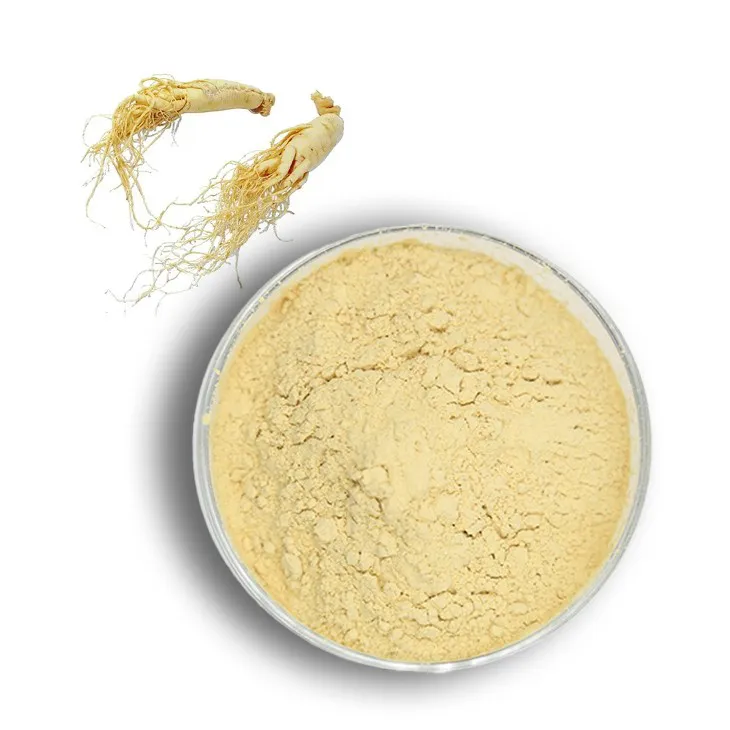
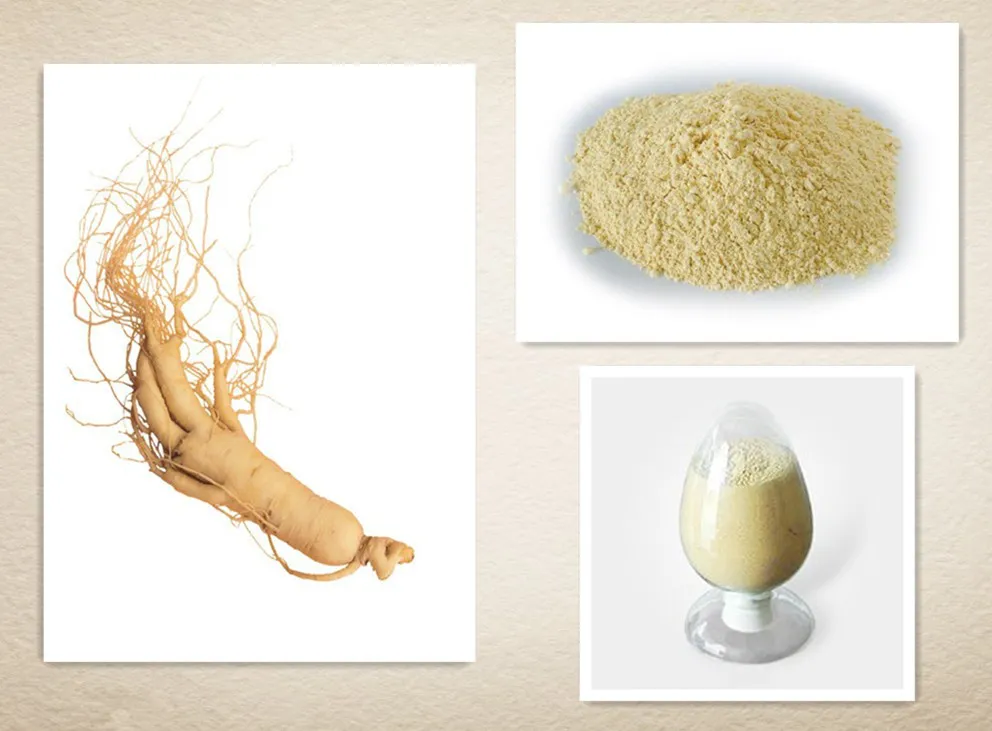
Ginseng Root Extract powder is a concentrated form of the beneficial compounds found in ginseng roots. Ginseng, a well - known herb in traditional medicine systems, especially in Asian cultures, has been used for centuries for its potential health - promoting properties. The extract powder is made by carefully processing the ginseng roots to isolate and concentrate these active components.
The main active ingredients in Ginseng Root Extract powder include ginsenosides, which are a group of steroid - like compounds. These ginsenosides are believed to be responsible for many of the health benefits associated with ginseng, such as boosting the immune system, improving cognitive function, and enhancing energy levels.
2. What are the Raw Materials for Ginseng Root Extract Powder Processing?
The primary raw material for Ginseng Root Extract powder processing is, of course, the ginseng root. However, not all ginseng roots are the same. There are different species of ginseng, with Panax ginseng (Asian ginseng) and Panax quinquefolius (American ginseng) being the most commonly used in commercial processing.
- Panax ginseng: This type of ginseng is native to Asia, mainly China, Korea, and Japan. It has a long history of use in traditional Chinese medicine. The roots of Panax ginseng are typically thick and fleshy, and they contain a variety of ginsenosides in different proportions compared to other ginseng species.
- Panax quinquefolius: American ginseng is found in North America. It has a somewhat different chemical composition compared to Asian ginseng. American ginseng is often preferred for its potentially more cooling properties, which is in contrast to the relatively warming nature of Asian ginseng in traditional medicine concepts.
In addition to the type of ginseng root, the quality of the raw material also depends on factors such as the age of the root, the growing conditions (including soil quality, climate, and altitude), and the harvesting methods. For example, older ginseng roots generally contain a higher concentration of active ingredients.
3. How is Ginseng Root Extract Powder Processed?
3.1 Harvesting
The first step in Ginseng Root Extract powder processing is harvesting the ginseng roots. This is a crucial step as it determines the quality of the raw material. Ginseng roots are typically harvested when they reach a certain age, which can vary depending on the species and intended use.
- For Panax ginseng, it is often harvested after 4 - 6 years of growth. During harvesting, great care must be taken to avoid damaging the roots, as any damage can lead to a loss of active ingredients.
- American ginseng, on the other hand, is usually harvested after 3 - 5 years. Harvesters use special tools to carefully dig up the roots from the soil.
3.2 Cleaning
Once harvested, the ginseng roots need to be thoroughly cleaned. This involves removing any dirt, debris, and other impurities that may be attached to the roots. Cleaning can be done using gentle brushing and washing techniques. However, excessive washing should be avoided as it may wash away some of the water - soluble active ingredients.

3.3 Drying
After cleaning, the roots are dried. Drying is an important step as it helps to preserve the roots and prevent the growth of mold and bacteria. There are different drying methods available:
- Air - drying: This is a traditional method where the roots are simply hung in a well - ventilated area and allowed to dry naturally. It is a slow process but can preserve the natural properties of the roots well.
- Oven - drying: In some cases, ginseng roots are dried in ovens at a controlled temperature. This method can be faster but requires careful monitoring of the temperature to avoid over - drying or burning the roots.

3.4 Extraction
Once the roots are dried, the extraction process begins. There are several extraction methods, but the most common ones involve using solvents such as alcohol or water.
- Alcohol extraction: Alcohol, typically ethanol, is a good solvent for extracting ginsenosides from ginseng roots. The dried roots are soaked in alcohol for a period of time, usually several days to weeks. The alcohol then dissolves the active ingredients, creating an extract. This method is effective in extracting a wide range of ginsenosides.
- Water extraction: Water can also be used as a solvent. However, water extraction may not be as effective as alcohol extraction in terms of the variety and quantity of ginsenosides extracted. But it is a more natural and cost - effective method in some cases.

3.5 Concentration and Drying to Powder
After the extraction, the resulting extract may be concentrated to increase the concentration of the active ingredients. This can be done through methods such as evaporation under reduced pressure. Once the extract is concentrated, it is further dried to form a powder. This final drying step can be done using techniques like spray - drying or freeze - drying.
- Spray - drying: In spray - drying, the concentrated extract is sprayed into a hot chamber where the liquid quickly evaporates, leaving behind a fine powder. This method is efficient and can produce a powder with good flow properties.
- Freeze - drying: Freeze - drying involves freezing the extract first and then removing the water content under vacuum. The resulting powder from freeze - drying may have better preservation of the active ingredients' structure compared to spray - drying.
4. What are the Quality Control Measures in Ginseng Root Extract Powder Processing?
Quality control is essential in Ginseng Root Extract powder processing to ensure the safety and efficacy of the final product. There are several aspects to quality control:
4.1 Raw Material Inspection
Before processing, the ginseng roots are carefully inspected. This includes checking for the correct species, the quality of the roots (such as their size, shape, and absence of diseases or pests), and ensuring that they meet the required standards for harvesting age and growing conditions.
4.2 Processing Parameter Monitoring
During the processing steps, various parameters are monitored closely. For example:
- During drying, the temperature and humidity are monitored to ensure proper drying without damaging the roots or the active ingredients.
- In the extraction process, the concentration of the solvent, the extraction time, and the temperature (if applicable) are controlled to optimize the extraction of ginsenosides.
4.3 Final Product Testing
Once the Ginseng Root Extract powder is produced, it undergoes comprehensive testing. This includes:
- Analysis of active ingredients: The concentration of ginsenosides in the powder is determined using techniques such as high - performance liquid chromatography (HPLC). This ensures that the product contains the expected amount of active ingredients.
- Microbial testing: To check for the presence of harmful bacteria, fungi, or other microorganisms. The powder should meet the required microbiological safety standards.
- Heavy metal testing: Since ginseng roots can absorb heavy metals from the soil, it is necessary to test for the presence of heavy metals such as lead, mercury, and cadmium in the extract powder. The levels of heavy metals should be within the acceptable limits.
5. What are the Potential Applications of Ginseng Root Extract Powder?
Ginseng Root Extract powder has a wide range of potential applications, both in the field of traditional medicine and in modern health - related industries.
5.1 Dietary Supplements
One of the most common applications is in dietary supplements. Ginseng Root Extract powder is often added to various supplement formulations due to its potential health - promoting properties. It can be found in supplements marketed for improving energy, enhancing cognitive function, and strengthening the immune system.
5.2 Cosmetics
The antioxidant and anti - inflammatory properties of Ginseng Root Extract powder make it a valuable ingredient in cosmetics. It can be used in skincare products such as creams, lotions, and serums. In these products, it may help to reduce wrinkles, improve skin elasticity, and soothe irritated skin.
5.3 Functional Foods
With the increasing trend of functional foods, Ginseng Root Extract powder is also being incorporated into certain food products. For example, it may be added to energy bars, drinks, or other products that are designed to provide additional health benefits beyond basic nutrition.
6. What are the Safety Considerations in Using Ginseng Root Extract Powder?
While Ginseng Root Extract powder has many potential benefits, there are also some safety considerations to keep in mind.
6.1 Dosage
Proper dosage is crucial. Taking too much Ginseng Root Extract powder can lead to adverse effects such as insomnia, nervousness, and increased blood pressure. The appropriate dosage can vary depending on factors such as the individual's age, health condition, and the specific form of the extract powder. It is always advisable to follow the recommended dosage instructions provided by the manufacturer or consult a healthcare professional.
6.2 Interactions with Medications
Ginseng Root Extract powder may interact with certain medications. For example, it can interact with blood - thinning medications, increasing the risk of bleeding. It may also interact with medications for diabetes or high blood pressure. Therefore, if you are taking any medications, it is important to inform your doctor before using Ginseng Root Extract powder.
6.3 Allergic Reactions
Some individuals may be allergic to ginseng. Allergic reactions can range from mild symptoms such as skin rashes to more severe reactions like difficulty breathing. If you have a known allergy to ginseng or other related plants, it is best to avoid using Ginseng Root Extract powder.
FAQ:
Question 1: What are the main steps in Ginseng Root Extract powder processing?
The main steps typically include raw material selection, cleaning the ginseng roots thoroughly, drying them to an appropriate moisture level, pulverizing the dried roots into a coarse powder, and then using extraction methods such as solvent extraction (using solvents like ethanol) to obtain the active compounds. After that, further purification steps may be involved to remove impurities, and finally, the extract is dried again to form the powder.
Question 2: How do you ensure the quality of Ginseng Root Extract powder during processing?
Quality control starts with sourcing high - quality ginseng roots. During processing, strict parameters for drying temperature and time are maintained to preserve the active ingredients. For extraction, the choice of solvent and extraction time are optimized to ensure maximum extraction of beneficial compounds while minimizing the extraction of unwanted substances. Regular testing for purity, potency, and the presence of contaminants is carried out using advanced analytical techniques like HPLC (High - Performance Liquid Chromatography).
Question 3: What are the common extraction methods used for Ginseng Root Extract powder?
One of the common methods is solvent extraction, as mentioned before, where ethanol is often used due to its ability to dissolve many of the active components in ginseng. Another method is supercritical fluid extraction, which uses supercritical carbon dioxide. This method has the advantage of being relatively clean as it leaves no solvent residue. Maceration, which involves soaking the ginseng roots in a solvent for an extended period, is also sometimes used.
Question 4: Are there any safety concerns during Ginseng Root Extract powder processing?
Yes, there are some safety concerns. For example, when using solvents in extraction, proper handling and ventilation are crucial to prevent the risk of fire and exposure to toxic fumes. Also, during drying processes, if the temperature is too high, it may cause degradation of some active ingredients. Contamination from equipment or improper storage of raw materials can also pose risks. Therefore, strict safety protocols and good manufacturing practices (GMP) need to be followed throughout the processing.
Question 5: How does the processing affect the bioavailability of Ginseng Root Extract powder?
The processing methods can significantly affect bioavailability. For instance, the particle size reduction during pulverization can increase the surface area, which may enhance the dissolution rate and thus improve bioavailability. However, improper extraction methods that damage the active compounds can decrease bioavailability. Also, the formulation of the final powder product, such as adding appropriate carriers or excipients, can also influence how well the body can absorb the active ingredients.
Related literature
- Ginseng: Processing, Quality Control and Standardization"
- "Advances in Ginseng Root Extract Processing Technology"
- "The Impact of Processing on the Properties of Ginseng Root Extract Powder"


-

Berberis aristata Extract
2024-12-07
-

Bamboo Leaf extract
2024-12-07
-

Hesperidin
2024-12-07
-

Europen Bilberry Extract
2024-12-07
-

Grape Leaf Extract
2024-12-07
-

Sea buckthorn oil
2024-12-07
-

Kidney Bean Extract
2024-12-07
-

Curcuma Longa Extract/Turmeric extract
2024-12-07
-

N-Acetyl-L-cysteine(NAC)
2024-12-07
-

Reishi mushroom extract
2024-12-07