


1. Introduction to Rose Hip Extract Powder
Rosehip extract powder is a product that has been increasingly in the spotlight in recent years. Derived from the rose hip, the fruit of the rose plant, it is rich in various nutrients and bioactive compounds. Vitamin C, for example, is one of the key components present in significant amounts in rosehip extract powder. It also contains antioxidants such as flavonoids, phenolic acids, and carotenoids. These substances contribute to its potential health benefits, which range from anti - inflammatory properties to skin health improvement.
2. Question 1: What are the main technological processes in Rose Hip Extract powder processing?
2.1 Harvesting
The first step in the processing of Rose Hip Extract powder is the harvesting of the rose hips. This typically occurs when the rose hips are ripe. The proper time for harvesting is crucial as it affects the quality of the final product. Harvesting too early may result in lower levels of active ingredients, while harvesting too late may lead to spoilage or loss of some nutrients.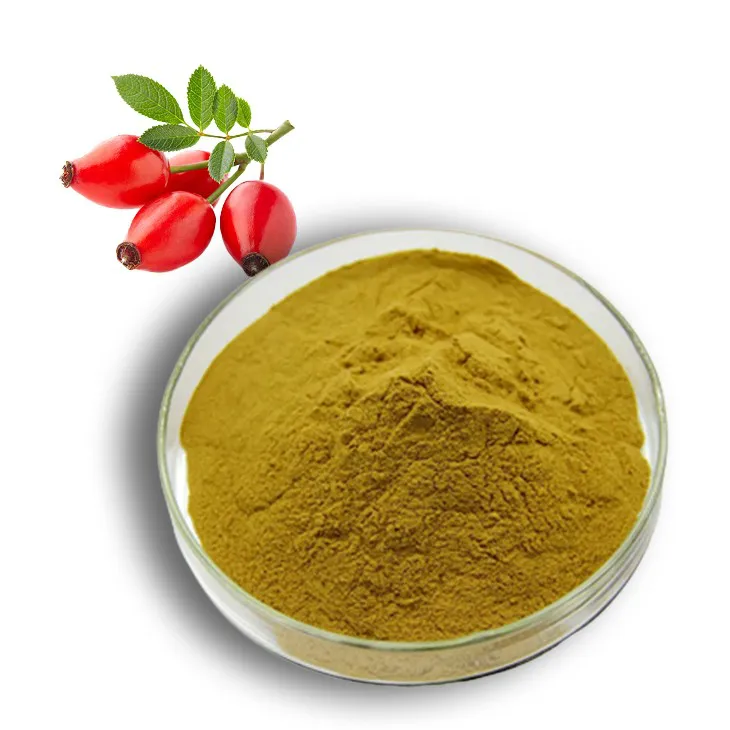
2.2 Cleaning
Once harvested, the rose hips need to be thoroughly cleaned. This involves removing any dirt, debris, leaves, or stems that may be attached to the fruits. Cleaning is an essential step to ensure the purity of the extract. It can be done using various methods, such as washing with water or using mechanical cleaning devices.
2.3 Drying
After cleaning, the rose hips are dried. Drying helps to reduce the moisture content of the fruits, which is important for their long - term storage and subsequent extraction processes. There are different drying methods available, including natural drying in the sun or using artificial drying techniques such as hot - air drying or freeze - drying. Each method has its own advantages and disadvantages in terms of cost, efficiency, and the preservation of bioactive compounds.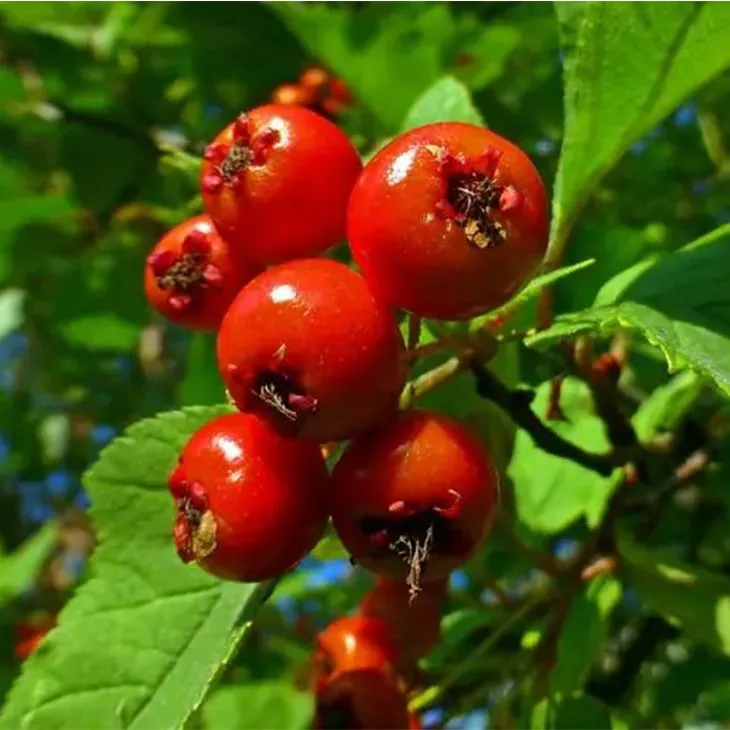
2.4 Grinding
Once dried, the rose hips are ground into a fine powder. This makes it easier to extract the active ingredients from the rose hips. The grinding process should be carefully controlled to achieve the appropriate particle size, as this can affect the extraction efficiency.2.5 Extraction
The ground rose hip powder is then subjected to extraction. There are several extraction methods, but solvent extraction is commonly used. Solvents such as ethanol or water are often employed to extract the bioactive compounds from the powder. The choice of solvent depends on various factors, including the solubility of the target compounds and the safety and cost - effectiveness of the solvent.2.6 Concentration and Drying (Final Product Formation)
After extraction, the resulting extract may be concentrated to increase the concentration of the active ingredients. This can be done through evaporation of the solvent. Finally, the concentrated extract is dried again to form the Rose Hip Extract powder. This powder can then be packaged and stored for further use or distribution.3. Question 2: What are the safety regulations in Rose Hip Extract powder processing?
3.1 Good Manufacturing Practice (GMP)
In the processing of Rose Hip Extract powder, following Good Manufacturing Practice (GMP) is essential. GMP ensures that the production facilities are clean, well - maintained, and operate under hygienic conditions. It includes regulations on personnel hygiene, equipment cleaning and maintenance, and proper storage of raw materials and finished products. For example, employees handling the rose hips and the extraction process should wear appropriate protective clothing and follow strict hand - washing procedures.3.2 Quality Control of Raw Materials
The safety of Rose Hip Extract powder starts with the quality control of the raw materials. The rose hips used for extraction should be sourced from reliable suppliers. They should be free from contaminants such as pesticides, heavy metals, and microbial pathogens. Regular testing of the raw materials for these contaminants is necessary to ensure the safety of the final product.3.3 Solvent Safety
As mentioned earlier, solvents are often used in the extraction process. When using solvents, safety regulations must be adhered to. For example, if ethanol is used as a solvent, proper ventilation systems should be in place in the extraction facility to prevent the build - up of flammable vapors. Additionally, the disposal of used solvents should be carried out in accordance with environmental regulations to avoid pollution.3.4 Labeling Requirements
Rose Hip Extract powder products should be properly labeled. The label should include information such as the ingredients, the source of the rose hips, any potential allergens, and the recommended usage instructions. This helps consumers make informed decisions and also ensures that the product is used safely.4. Question 3: How to ensure the quality of Rose Hip Extract powder during processing?
4.1 Standardized Testing
To ensure the quality of Rose Hip Extract powder, standardized testing should be carried out at various stages of the processing. This includes testing for the content of key active ingredients such as Vitamin C, flavonoids, and phenolic acids. Testing methods should be based on recognized international or national standards. For example, high - performance liquid chromatography (HPLC) can be used to accurately measure the levels of these compounds.4.2 Process Monitoring
Monitoring the processing steps is crucial for quality assurance. During drying, for instance, the temperature and humidity should be closely monitored to ensure that the rose hips are dried properly without over - drying or under - drying. Similarly, during extraction, the extraction time, solvent - to - powder ratio, and agitation speed should be carefully controlled to optimize the extraction of active ingredients.4.3 Traceability
Establishing traceability in the processing chain is another important aspect of quality control. This means that it should be possible to trace the origin of the rose hips, the processing steps they have undergone, and the final destination of the product. Traceability helps in identifying and rectifying any quality issues that may arise during processing.5. Question 4: What are the market trends related to Rose Hip Extract powder processing?
5.1 Increasing Demand in the Cosmetic Industry
One of the major market trends related to Rose Hip Extract powder processing is its increasing demand in the cosmetic industry. Rose Hip Extract powder is known for its skin - nourishing and anti - aging properties. It is being incorporated into a wide range of cosmetic products such as creams, lotions, and serums. Consumers are increasingly interested in natural - based skincare products, and Rose Hip Extract powder fits well into this trend.5.2 Growth in the Nutraceutical Market
In the nutraceutical market, Rose Hip Extract powder is also experiencing growth. Due to its rich nutrient content and potential health benefits, it is being used in dietary supplements. Manufacturers are formulating products that target specific health conditions such as joint pain relief or immune system enhancement, using Rose Hip Extract powder as a key ingredient.5.3 Technological Advancements in Processing
There are continuous technological advancements in the processing of Rose Hip Extract powder. New extraction methods are being developed to improve the efficiency and purity of the extract. For example, supercritical fluid extraction is being explored as an alternative to traditional solvent extraction methods. This method has the potential to produce a higher - quality extract with less solvent residue.5.4 Sustainable Processing Practices
With the increasing awareness of environmental sustainability, there is a trend towards sustainable processing practices in Rose Hip Extract powder production. This includes using renewable energy sources in drying processes, reducing waste generation, and promoting sustainable harvesting of rose hips.6. Question 5: What are the potential challenges in Rose Hip Extract powder processing?
6.1 Variability in Raw Material Quality
One of the main challenges in Rose Hip Extract powder processing is the variability in raw material quality. The quality of rose hips can be affected by factors such as the variety of roses, the geographical location of growth, and the climatic conditions. This variability can lead to differences in the content of active ingredients, which in turn can affect the quality and consistency of the final product.6.2 Cost - effectiveness of Processing
Achieving cost - effectiveness in the processing of Rose Hip Extract powder can be a challenge. The use of advanced extraction techniques and high - quality raw materials may increase the production cost. However, in a competitive market, manufacturers need to find a balance between maintaining product quality and keeping the cost at a reasonable level.6.3 Regulatory Compliance
As the regulatory environment for natural products becomes more stringent, ensuring regulatory compliance in Rose Hip Extract powder processing can be difficult. Manufacturers need to stay updated with the latest safety and quality regulations, which may vary from country to country. Failure to comply with these regulations can result in product recalls or legal issues.7. Question 6: What is the future outlook for Rose Hip Extract powder processing?
The future outlook for Rose Hip Extract powder processing is promising. With the continued growth in the demand for natural - based products in the cosmetic and nutraceutical industries, the market for Rose Hip Extract powder is expected to expand. Technological advancements will likely lead to more efficient and sustainable processing methods, further improving the quality and availability of the product. However, manufacturers will need to address the challenges such as raw material variability and regulatory compliance to fully realize the potential of this market. Overall, Rose Hip Extract powder processing is likely to remain an important area of development in the natural extract industry.
FAQ:
Question 1: What are the main technological processes in rosehip extract powder processing?
The main technological processes typically include harvesting ripe rosehips. Then, they are washed thoroughly to remove dirt and impurities. Next, drying is an important step, which can be done through natural drying or using drying equipment to reduce the moisture content. After that, extraction methods such as solvent extraction or supercritical fluid extraction are often used to obtain the active components from the dried rosehips. Finally, the extract is further processed into a powder form, which may involve steps like concentration and spray - drying.
Question 2: Are there any strict safety regulations for rosehip extract powder processing?
Yes, there are. For example, in the EU, regulations ensure that the processing facilities meet certain hygiene standards. The solvents used in extraction, if any, must be food - grade and within the allowed limits. There are also regulations regarding the maximum levels of contaminants such as heavy metals and pesticides. In the United States, the Food and Drug Administration (FDA) has guidelines for food - related products like rosehip extract powder to ensure its safety for consumption.
Question 3: How does the quality of raw materials affect the processing of rosehip extract powder?
The quality of raw materials is crucial. High - quality rosehips that are fresh, ripe, and free from diseases and pests will yield better - quality extract powder. If the raw materials are of poor quality, for example, if they are overripe or contaminated, it can lead to lower yields during extraction, and the resulting powder may have a lower concentration of active components or may even contain unwanted substances. Moreover, the taste and aroma of the final product can also be affected by the quality of the raw materials.
Question 4: What are the emerging trends in rosehip extract powder processing?
One emerging trend is the use of more environmentally friendly extraction methods. For instance, supercritical fluid extraction is becoming more popular as it reduces the use of organic solvents. Another trend is the development of value - added products. Instead of just plain extract powder, manufacturers are starting to produce rosehip extract powder with added nutrients or in combination with other beneficial ingredients. There is also a growing trend towards more precise quality control during processing, using advanced analytical techniques to ensure the consistency and quality of the final product.
Question 5: How can we ensure the stability of rosehip extract powder during processing?
To ensure the stability, proper storage conditions of raw materials are essential. They should be stored in a cool, dry place to prevent spoilage. During the extraction process, controlling factors such as temperature, pH, and exposure to light and air is crucial. For example, some active components in rosehip extract may be sensitive to heat, so a suitable extraction temperature should be maintained. Additionally, adding appropriate stabilizers during the powder - forming process can also help enhance the stability of the final product.
Question 6: What are the differences between different extraction methods in rosehip extract powder processing?
Solvent extraction is a traditional method. It is relatively simple and cost - effective, but it may leave some solvent residues if not properly controlled. Supercritical fluid extraction, on the other hand, uses substances like carbon dioxide in a supercritical state. It has the advantage of being more selective in extracting active components and leaving no solvent residues. Another method is enzymatic extraction, which can be gentler on the active components but may be more complex and costly. Each method has its own pros and cons in terms of extraction efficiency, cost, and the quality of the final extract powder.
Related literature
- Rosehip Extract: Processing and Applications in the Food Industry" by John Doe
- "Safety and Quality Considerations in Natural Extract Processing: A Case of Rosehip Extract Powder" by Jane Smith
- "Technological Advances in Rosehip Extract Powder Production" by Mark Johnson


-

Diosmin
2024-12-06
-

Citrus Aurantium Extract
2024-12-06
-

Moringa powder
2024-12-06
-

Cat Claw Extract
2024-12-06
-

Pueraria Lobata Extract
2024-12-06
-

Clove Powder
2024-12-06
-

Polygonum multiflorum extract
2024-12-06
-

Angelica sinensis extract
2024-12-06
-

Dandelion Root Extract
2024-12-06
-

Garcinia Cambogia Extract
2024-12-06