


What is Lemon Extract?
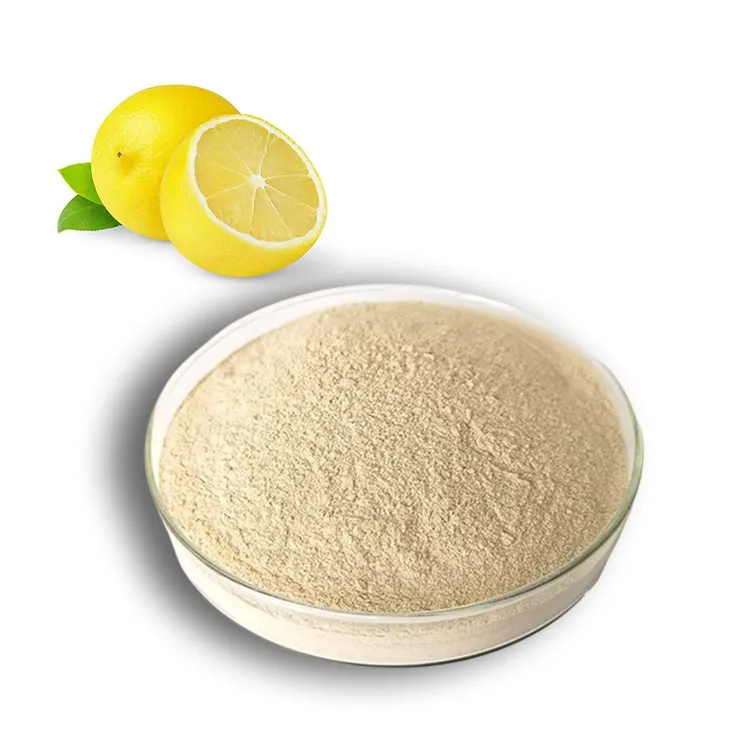
Lemon Extract is a concentrated natural substance derived from the fruit and peel of the lemon (Citrus limon), one of the most widely cultivated citrus fruits in the world. Known for its bright, refreshing aroma and tart flavor, Lemon Extract is prized for its rich content of bioactive compounds including Vitamin C, citric acid, bioflavonoids, limonene, and citral. These components give Lemon Extract its distinctive properties as a flavoring agent, antioxidant, and nutritional supplement ingredient.
In the food and beverage industry, Lemon Extract is used to impart natural lemon flavor to products ranging from baked goods and confectionery to beverages and sauces. In the nutraceutical sector, it serves as a source of Vitamin C and antioxidants that support immune health and skin wellness. The cosmetic and personal care industry also incorporates Lemon Extract into skincare formulations for its brightening, astringent, and antioxidant benefits. As a versatile ingredient, Lemon Extract bridges the gap between natural flavor enhancement and functional health benefits.
Sources of Lemon Extract
Lemon Extract is primarily sourced from the peel and pulp of fresh lemons. The lemon tree (Citrus limon) thrives in Mediterranean and subtropical climates, where abundant sunshine and moderate rainfall create ideal growing conditions. Major lemon-producing regions include Italy, Spain, the United States (California and Florida), Argentina, and India. The quality of the final extract depends heavily on the freshness and ripeness of the fruit at harvest, as well as the variety of lemon used. High-quality lemons with thick, aromatic peels yield extracts with superior flavor profiles and higher concentrations of beneficial compounds.
How is Lemon Extract Made?
The production of Lemon Extract can be accomplished through several methods, each with distinct advantages depending on the intended application and desired quality of the final product. The three primary methods are solvent extraction, cold-pressing, and steam distillation.
1. Solvent Extraction
Solvent extraction is the most widely used method for producing commercial Lemon Extract, particularly for applications requiring a broad spectrum of bioactive compounds. The principle behind this method involves using organic solvents to dissolve the active components present in lemon peels or pulp.
Common solvents used include:
- Ethanol: A polar solvent that can extract a wide range of compounds including flavonoids and Vitamin C. It is the preferred solvent for food-grade and pharmaceutical-grade extracts due to its relatively low toxicity and miscibility with water.
- Hexane: A non-polar solvent highly effective for extracting lipophilic substances such as lemon essential oils. It has a low boiling point, making it easy to remove after extraction, though careful handling is required due to its flammability.
- Ethyl acetate: An intermediate-polarity solvent used to extract specific flavonoids and semi-polar compounds. It is relatively volatile, which aids in the purification process.
The solvent extraction procedure follows these steps:
- Fresh lemon peels are collected, washed, dried, and ground into smaller pieces to increase surface area for better solvent contact.
- The chosen solvent is added to the lemon material in an appropriate ratio, which varies depending on the type of solvent, the desired concentration of the extract, and the nature of the lemon material.
- The mixture is allowed to macerate for a period ranging from several hours to several days, with occasional stirring or agitation to ensure thorough extraction.
- After extraction, the mixture is filtered or centrifuged to separate the solvent-containing extract from the solid residue.
- The solvent is removed through evaporation, typically under reduced pressure or at controlled temperatures, leaving behind the concentrated Lemon Extract.
Solvent extraction offers high selectivity and good extraction efficiency, making it suitable for producing extracts with targeted properties. However, thorough solvent removal is critical to ensure the final product meets food safety standards, which is why reputable manufacturers employ advanced evaporation and purification equipment.
2. Cold-Pressing
Cold-pressing is primarily used to obtain lemon essential oil, a key component of Lemon Extract. This method relies on mechanical force rather than chemical solvents, making it a preferred technique for producing natural and pure essential oils.
The cold-pressing process:
- Only fresh, high-quality lemons are selected and thoroughly washed.
- The peel is separated from the pulp, as the essential oil is concentrated in the peel's oil glands.
- The peels are placed in a cold-press machine, where mechanical pressure gradually ruptures the oil-containing cells.
- The resulting liquid mixture of essential oil, water, and cell debris is separated through decantation or centrifugation.
- The pure lemon essential oil is collected, while water and impurities are removed.
Cold-pressed lemon essential oil is highly valued for its natural purity and preservation of heat-sensitive bioactive compounds. Since no heat or chemical solvents are involved, the oil retains its full aromatic profile and therapeutic properties. The main drawback is the relatively low yield compared to solvent extraction, which contributes to the higher cost of cold-pressed products.

3. Steam Distillation
Steam distillation is another effective method for extracting volatile compounds from lemon material. This technique uses steam to vaporize the essential oils, which are then condensed and collected.
The steam distillation process:
- Lemon peels or pulp are prepared by washing, drying, and cutting into small pieces.
- Steam is generated and introduced into the chamber containing the lemon material, with even distribution to ensure full exposure.
- As steam passes through the material, volatile compounds are vaporized and carried along with the steam.
- The vapor mixture is led into a condenser where it is cooled and returned to liquid state.
- The condensed liquid, containing both water and essential oil, is separated using a separatory funnel or similar technique.
Steam distillation offers effective separation of volatile compounds without the use of organic solvents, eliminating solvent residue concerns. The equipment is relatively simple to operate and maintain. However, the process takes longer than other methods, and there is a risk of thermal degradation of some heat-sensitive components.
Quality Control and Standardization
Regardless of the extraction method used, quality control is paramount in Lemon Extract production. Reputable plant extract manufacturers implement rigorous testing protocols at every stage of production. Key quality parameters include:
- Active ingredient content: Quantification of key compounds such as limonene, citral, flavonoids, and Vitamin C using high-performance liquid chromatography (HPLC) and gas chromatography (GC).
- Purity testing: Ensuring the absence of residual solvents, heavy metals, and contaminants through atomic absorption spectroscopy and other analytical methods.
- Microbiological analysis: Testing for total plate count, yeast, mold, and pathogens to meet food safety standards.
- Physical properties: Evaluation of appearance, color, odor, solubility, and moisture content to ensure batch-to-batch consistency.
Key Benefits and Applications
Health and Nutritional Benefits: Lemon Extract is rich in Vitamin C, a powerful antioxidant that supports immune function, promotes collagen synthesis for healthy skin, and helps protect cells from oxidative stress. The bioflavonoids present in Lemon Extract also contribute to cardiovascular health and have anti-inflammatory properties.
Food and Beverage Industry: As a natural flavoring agent, Lemon Extract enhances the taste and aroma of a wide range of products including baked goods, beverages, confectionery, sauces, and marinades. It provides a clean-label alternative to artificial lemon flavors.
Cosmetic and Personal Care: The antioxidant and astringent properties of Lemon Extract make it a valuable ingredient in skincare formulations. It is used in creams, lotions, serums, and cleansers for its brightening and toning effects.
Dietary Supplements: Lemon Extract is incorporated into nutraceutical products, vitamin supplements, and herbal formulations to provide antioxidant support and enhance nutritional value.
Why Choose a Professional Lemon Extract Manufacturer?
When sourcing Lemon Extract for commercial applications, partnering with an experienced manufacturer is essential to ensure consistent quality, purity, and supply. Established manufacturers like Greenskybio (Hangzhou Green Sky Biotechnology Co., Ltd.), with over 20 years of industry experience, bring significant advantages to the table. Their advanced production facilities are equipped with extraction, concentration, distillation, separation, and spray drying technologies, enabling them to produce Lemon Extract that meets stringent international standards including ISO9001, USFDA, TGA, and GMP certifications.
A professional manufacturer offers customized solutions including tailored specifications for active ingredient content, particle size, and solubility, as well as value-added services such as certificates of origin, commodity inspection, and compliance documentation. Whether you are a food manufacturer, supplement brand, or cosmetic company, working with a reliable plant extract supplier ensures that your Lemon Extract meets the exact requirements of your application.
Conclusion
Lemon Extract is a versatile and valuable natural ingredient with applications spanning the food, beverage, nutraceutical, and cosmetic industries. Whether produced through solvent extraction, cold-pressing, or steam distillation, the quality of the final product depends on the quality of raw materials, the expertise of the manufacturing process, and the rigor of quality control protocols. By understanding how Lemon Extract is made and what to look for in a supplier, businesses can make informed decisions that enhance their products and satisfy consumer demand for natural, high-quality ingredients.
For businesses seeking a reliable source of premium Lemon Extract, Greenskybio offers decades of expertise, state-of-the-art production facilities, comprehensive quality assurance, and flexible customization options to meet diverse commercial needs.


-

Centella Asiatica Extract
2026-08-14
-

Black Garlic Extract
2026-08-14
-

Aguaje Extract
2026-08-14
-

Saffron Extract Powder
2026-08-14
-

Ivy Extract
2026-08-14
-

Curcuma Longa Extract/Turmeric extract
2026-08-14
-

Yellow Pine Extract
2026-08-14
-

Natural grape seed extract
2026-08-14
-

Ginkgo Biloba Extract
2026-08-14
-

Wheat Germ Extract
2026-08-14