


1. Introduction to Curcumin
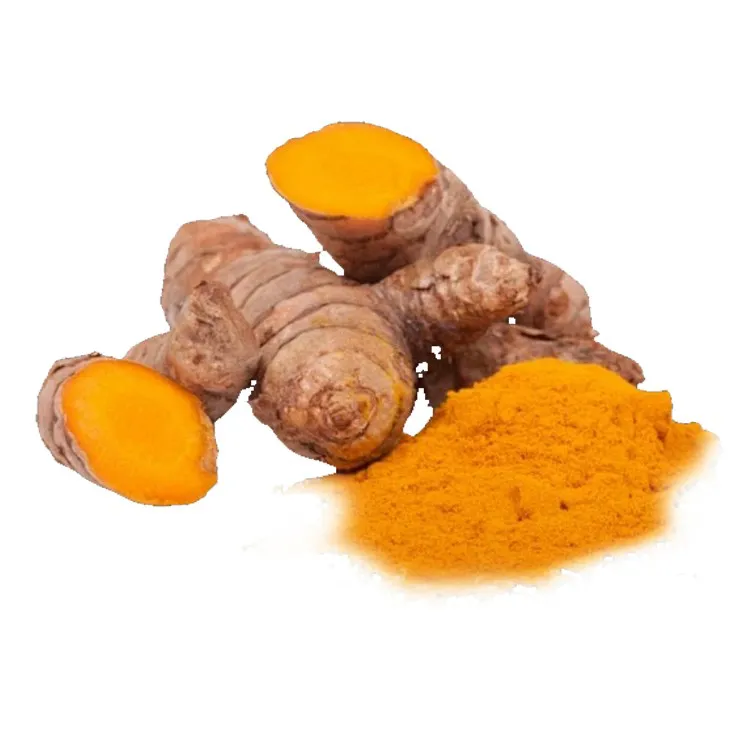
Curcumin is the active compound in turmeric, which has been an important part of traditional medicine for centuries. It has a bright yellow color and a distinct flavor. Medicinally, Curcumin is a powerhouse. It is well - known for its anti - inflammatory properties. Inflammation is a natural response of the body to injury or infection, but chronic inflammation can lead to various health problems such as arthritis, heart disease, and certain cancers. Curcumin helps to reduce this inflammation, acting as a natural remedy.
Another significant aspect of Curcumin is its antioxidant activity. Antioxidants are substances that can prevent or slow damage to cells caused by free radicals. Free radicals are unstable molecules that are produced in the body during normal metabolism and can also be generated by external factors like pollution and radiation. By neutralizing these free radicals, Curcumin helps to protect the body's cells and tissues, which may contribute to preventing various diseases and slowing down the aging process.
Moreover, Curcumin has shown potential in treating a wide range of diseases. For example, in the field of oncology, some studies suggest that it may have anti - cancer properties. It could potentially interfere with the growth and spread of cancer cells. In addition, it may be beneficial for neurological disorders. There is research indicating that Curcumin might play a role in improving cognitive function and reducing the risk of neurodegenerative diseases such as Alzheimer's and Parkinson's.
2. Ideal Conditions in Tamil Nadu for Turmeric Cultivation
Tamil Nadu, a state in southern India, has a climate and soil that are highly conducive to turmeric cultivation, which is the primary source of Curcumin.
2.1 Climate
Tamil Nadu experiences a tropical climate with distinct wet and dry seasons. The warm and humid climate during the monsoon season provides the necessary moisture for turmeric plants to grow. Turmeric plants require a significant amount of water, especially during their initial growth stages. The monsoon rains in Tamil Nadu ensure that the fields are well - irrigated without the need for excessive artificial irrigation. Additionally, the sunny days between the rain spells allow for proper photosynthesis. The plants need sunlight to produce the energy required for growth and the synthesis of Curcumin. The temperature range in Tamil Nadu, which is generally warm throughout the year, is also favorable for turmeric. It does not experience extreme cold that could damage the plants, as turmeric is a tropical plant that thrives in warm conditions.

2.2 Soil
The soil in Tamil Nadu is rich in nutrients that are essential for turmeric cultivation. It contains a good amount of organic matter, which provides the necessary fertility for the plants. Turmeric plants require well - drained soil that is rich in potassium, a nutrient that is crucial for the growth and development of the plant as well as for the production of Curcumin. The soil in Tamil Nadu often has the right texture and composition to ensure proper drainage while retaining enough moisture for the plants. This combination of a nutrient - rich and well - drained soil is a significant advantage for turmeric farmers in the state.
3. Economic Growth Potential through Curcumin Production
The production of Curcumin in Tamil Nadu has the potential to drive significant economic growth, both at the local and larger scales.

3.1 Local Economic Impact
At the local level, Curcumin production can transform the economies of rural areas in Tamil Nadu. Turmeric farming can become a major source of income for farmers. With the increasing demand for Curcumin - based products, farmers can expect higher prices for their turmeric crops. This increased income can improve their living standards, allowing them to invest in better housing, education for their children, and healthcare. Moreover, the growth of Curcumin production will also lead to the development of related industries in the local area. For example, there will be a need for small - scale processing units to extract Curcumin from turmeric. These processing units can provide employment opportunities for local residents, further boosting the local economy.

3.2 Larger - scale Economic Impact
On a larger scale, Tamil Nadu can become a major player in the global Curcumin market. As the global demand for Curcumin - based products continues to rise, the state can export its Curcumin - rich turmeric or processed Curcumin products. This can bring in foreign exchange earnings for the state and the country as a whole. The economic multiplier effect of Curcumin production can be significant. It can stimulate other sectors of the economy such as transportation, as turmeric and Curcumin products need to be transported from farms to processing units and then to markets, both domestic and international. Additionally, it can also boost the service sector, as there will be a need for marketing, quality control, and research and development related to Curcumin products.
4. Employment Opportunities in Curcumin - related Sectors
Curcumin production in Tamil Nadu can create a wide range of employment opportunities across different sectors.
4.1 Farming
- The first and most obvious employment opportunity is in turmeric farming. As the demand for Curcumin - based products grows, more land may be dedicated to turmeric cultivation. This will require more farmers and agricultural laborers. Farmers will be involved in activities such as land preparation, sowing, weeding, and harvesting. Agricultural laborers can find work during the peak seasons of turmeric farming, especially during the harvest time when a large workforce is needed to collect the turmeric rhizomes.
- Farmers may also need to be trained in modern farming techniques to improve the yield and quality of turmeric. This can create opportunities for agricultural extension workers and trainers, who can impart knowledge on topics such as proper irrigation, use of fertilizers, and pest control specific to turmeric cultivation.

4.2 Processing
- Once the turmeric is harvested, it needs to be processed to extract Curcumin. This creates employment in the processing sector. There will be a need for workers in processing plants to handle tasks such as cleaning, drying, and grinding the turmeric. These workers need to be trained in handling the machinery and following the proper processing procedures to ensure the quality of the Curcumin extract.
- Skilled technicians and engineers will also be required to maintain and operate the advanced processing equipment used for Curcumin extraction. This includes equipment for purification and concentration of Curcumin, which requires technical expertise to ensure its proper functioning.
4.3 Marketing
- The marketing of Curcumin - based products is another area with significant employment potential. Sales representatives are needed to promote these products in domestic and international markets. They need to have a good understanding of the product's benefits and be able to communicate effectively with potential customers.
- Marketing managers are also required to develop marketing strategies, conduct market research, and manage brand building for Curcumin - based products. Additionally, there will be a need for logistical support staff to ensure the timely delivery of products to customers, which includes activities such as inventory management and transportation coordination.
5. Challenges and Solutions in Curcumin Production
While the potential for Curcumin production in Tamil Nadu is great, there are also several challenges that need to be addressed.
5.1 Quality Control
- One of the main challenges is ensuring the quality of Curcumin. There are different grades of Curcumin, and the market demands high - quality, pure Curcumin for various applications such as in the pharmaceutical and nutraceutical industries. To meet this demand, strict quality control measures need to be implemented at every stage of production, from farming to processing. Farmers need to be educated about the importance of using proper fertilizers and pesticides to avoid contaminants in the turmeric. In the processing plants, advanced testing equipment should be used to monitor the purity and potency of Curcumin.
- Certification and standardization are also important aspects of quality control. Tamil Nadu should work towards getting international certifications for its Curcumin products to gain access to global markets. This may require compliance with strict regulatory requirements of different countries regarding product safety, quality, and labeling.
5.2 Competition
- Tamil Nadu faces competition from other turmeric - producing regions in India and around the world. Some regions may have lower production costs or better established marketing channels. To compete effectively, Tamil Nadu needs to focus on differentiating its Curcumin products. This can be achieved through promoting the unique qualities of its turmeric, such as its high Curcumin content due to the favorable growing conditions. The state can also invest in research and development to develop new and innovative Curcumin - based products that are not available from competitors.
- Building strong brand identities for Tamil Nadu's Curcumin products can also help in the face of competition. This requires effective marketing and promotion strategies that highlight the origin, quality, and benefits of the products. For example, promoting the use of traditional farming methods in Tamil Nadu that may contribute to the superior quality of the turmeric and Curcumin.
5.3 Research and Development
- Continuous research and development (R&D) are essential for the growth of the Curcumin industry in Tamil Nadu. There is still much to be learned about Curcumin, such as its optimal extraction methods, new applications, and ways to enhance its bioavailability. The state should encourage academic institutions and private companies to invest in R&D related to Curcumin. This can be done through providing incentives such as research grants, tax breaks, and infrastructure support.
- Collaboration between different stakeholders in the R&D process is also crucial. Farmers, processors, researchers, and marketers need to work together to share knowledge and resources. For example, farmers can provide samples of their turmeric for research, processors can share their experiences in extraction techniques, and marketers can give insights into market trends and customer demands.
6. Conclusion
Tamil Nadu has a golden opportunity with Curcumin production. The state's favorable climate and rich soil for turmeric cultivation, combined with the numerous advantages of Curcumin, present a great potential for economic growth and employment creation. However, to fully realize this potential, it is necessary to address the challenges such as quality control, competition, and the need for continuous research and development. By taking appropriate measures, Tamil Nadu can establish itself as a leading producer of high - quality Curcumin - based products in the global market, thereby reaping the economic and social benefits that come with it.
FAQ:
What are the main advantages of Curcumin?
Curcumin is well - known for its medicinal properties. It is anti - inflammatory and antioxidant. Moreover, it has potential in treating various diseases.
Why is Tamil Nadu suitable for Curcumin production?
Tamil Nadu has a favorable climate and rich soil, which provide ideal conditions for turmeric cultivation. Since Curcumin is sourced from turmeric, this makes the state suitable for Curcumin production.
How can Curcumin production contribute to Tamil Nadu's economic growth?
The global demand for Curcumin - based products is increasing. In Tamil Nadu, Curcumin production can lead to economic growth both locally and on a larger scale. It can also create employment opportunities in farming, processing, and marketing sectors, which will transform the state's economic landscape.
What sectors in Tamil Nadu can benefit from Curcumin production in terms of employment?
The farming, processing, and marketing sectors can benefit from Curcumin production in terms of employment. The growth of Curcumin production will create more job opportunities in these sectors.
What is the relationship between turmeric and Curcumin?
Turmeric is the source of Curcumin. Curcumin is the active compound in turmeric.
Related literature
TAGS:


-

Gynostemma pentaphyllum extract
2024-08-21
-

Pine bark Extract Powder
2024-08-21
-

Angelica sinensis extract
2024-08-21
-

Coconut Water Powder
2024-08-21
-

Wheat Germ Extract
2024-08-21
-

Vitamin B9
2024-08-21
-

Chasteberry Extract
2024-08-21
-

Cassia Seed Extract
2024-08-21
-

Natural grape seed extract
2024-08-21
-

Taurine
2024-08-21