


1. Introduction to Astaxanthin
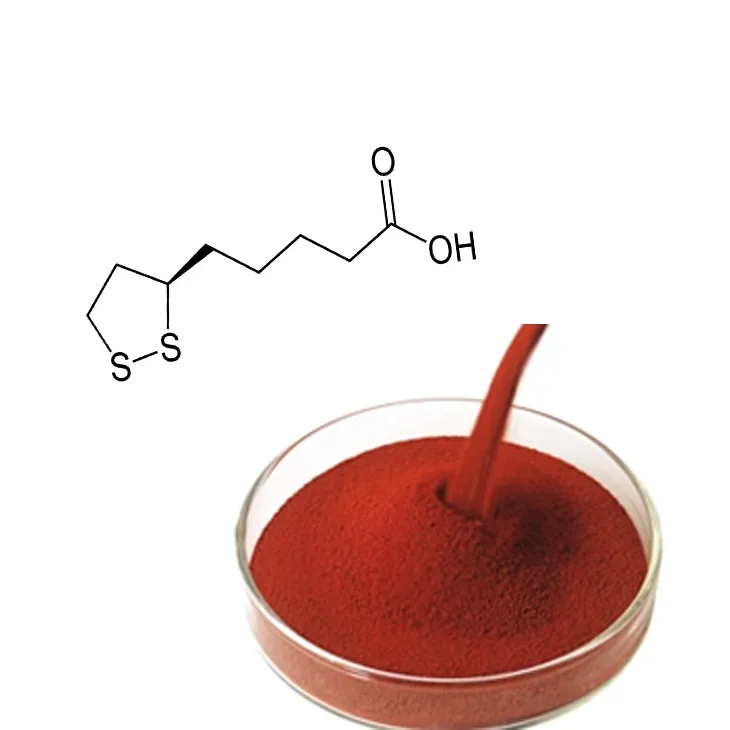
Astaxanthin is a powerful antioxidant that has been gaining significant attention in recent years. It is a carotenoid pigment that is naturally found in certain marine organisms such as microalgae, yeast, salmon, trout, and shrimp. Astaxanthin is known for its vivid red - orange color and has a wide range of applications in various industries due to its numerous health - promoting and functional properties.
2. Applications of Astaxanthin in India
2.1 Cosmetic Industry
In the cosmetic industry in India, Astaxanthin has emerged as a valuable ingredient. Its antioxidant properties are far superior to many other antioxidants commonly used in skincare products. For instance, it has been shown to be effective in combating free radicals, which are known to cause premature aging of the skin. Free radicals can damage the skin cells' DNA, collagen, and elastin, leading to wrinkles, fine lines, and a loss of skin elasticity.
Astaxanthin is added to various skincare products such as creams, lotions, and serums. It not only helps in reducing the signs of aging but also improves the overall skin tone and texture. It has a unique ability to penetrate the skin layers deeply, providing long - lasting protection against environmental stressors like UV radiation and pollution. Moreover, it can also help in reducing skin inflammation, which is often associated with various skin disorders such as acne, eczema, and psoriasis.
2.2 Aquaculture Industry
The aquaculture industry in India is another significant area where Astaxanthin finds its application. In fish farming, the color of the fish is an important factor that affects its market value. Consumers often prefer fish with a bright and attractive color. Astaxanthin is added to the feed of farm - raised fish, such as salmon and trout, to enhance their color. This gives the fish a more natural and appealing appearance, similar to their wild - caught counterparts.
Beyond just color enhancement, Astaxanthin also plays a crucial role in improving the health of the fish. It boosts their immune system, making them more resistant to diseases. In a densely populated aquaculture environment, fish are more susceptible to various infections. Astaxanthin helps in reducing the oxidative stress in the fish's body, which in turn enhances their overall well - being and growth performance. It also improves the quality of the fish meat, making it more nutritious and appealing to consumers.
3. The Wholesale Market of Astaxanthin in India

3.1 Rising Demand
There has been a rising demand for Astaxanthin in the Indian market in recent years. This can be attributed to several factors. Firstly, the increasing awareness among consumers about the health benefits of Astaxanthin has led to a greater demand for products containing this ingredient. As more research is being conducted on Astaxanthin and its positive effects on human health, consumers are becoming more interested in incorporating it into their daily routines.
Secondly, the growth of the industries where Astaxanthin is applied, such as the cosmetic and aquaculture industries, has also contributed to the increased demand. In the cosmetic industry, the demand for natural and effective anti - aging products is on the rise. Astaxanthin, with its unique properties, has become a sought - after ingredient in the formulation of such products. In the aquaculture industry, as the production of farm - raised fish continues to expand, the need for Astaxanthin to improve fish color and health also grows.

3.2 Import and Export Activities
Regarding import and export activities related to Astaxanthin in India, there has been a notable increase. India, being a large and diverse market, has both domestic producers and importers of Astaxanthin. However, currently, a significant portion of the Astaxanthin used in the country is imported. This is mainly because the production capacity of Astaxanthin within India is still relatively limited compared to the growing demand.
On the export side, India may have the potential to export Astaxanthin - related products in the future. As the country's research and development in Astaxanthin production and application progress, and if domestic production can be scaled up, it may be able to enter the international market with value - added Astaxanthin products, such as high - quality skincare products containing Astaxanthin or Astaxanthin - enriched fish products.
3.3 Factors Influencing the Market
The wholesale market of Astaxanthin in India is influenced by several factors:
- Consumer Trends: As mentioned earlier, the increasing preference for natural and health - promoting products among consumers is a significant trend that affects the market. Consumers are more likely to choose products that contain Astaxanthin, whether it is a skincare product or a food item. This trend is also driven by the growing health consciousness in the Indian population, which is more aware of the importance of antioxidants and other beneficial substances in maintaining good health.
- Scientific Research on its Benefits: Continued scientific research on Astaxanthin and its multiple benefits has a direct impact on the market. New research findings that highlight its effectiveness in areas such as anti - aging, disease prevention, and improving animal health can boost the demand for Astaxanthin. For example, if a new study shows that Astaxanthin can significantly reduce the risk of a particular disease, it can lead to an increased interest from both consumers and industries in using Astaxanthin - based products.
- Price Fluctuations: The price of Astaxanthin can vary depending on factors such as the source of production (natural vs. synthetic), production volume, and market competition. Fluctuations in the price of Astaxanthin can have a significant impact on the wholesale market. If the price of Astaxanthin increases, it may lead to higher costs for the industries using it, which could potentially affect the demand. On the other hand, if the price decreases, it may attract more buyers and lead to an expansion of the market.
4. Role of Indian Wholesalers
4.1 Sourcing Reliable Supplies
Indian wholesalers play a crucial role in the Astaxanthin market. One of their main tasks is to source reliable supplies of Astaxanthin. Given the fact that a significant portion of Astaxanthin is imported, wholesalers need to establish strong relationships with international suppliers. They have to ensure that the Astaxanthin they import meets the required quality standards. This involves conducting thorough quality checks on the products, verifying the authenticity of the source, and ensuring compliance with relevant regulations.
Wholesalers also need to keep an eye on the supply chain to avoid any disruptions. They may need to diversify their sources of supply to reduce the risk of shortages due to factors such as changes in production in the source countries or transportation issues. For example, if a major supplier in a particular country experiences a production cut - back, having alternative suppliers can help the wholesaler to maintain a stable supply of Astaxanthin to the Indian market.
4.2 Educating Consumers
In addition to sourcing, Indian wholesalers are also involved in educating consumers about the value of Astaxanthin. Since Astaxanthin is a relatively new ingredient in the Indian market, many consumers may not be fully aware of its benefits. Wholesalers can work with retailers and manufacturers to promote the use of Astaxanthin - containing products through various means.
They can provide educational materials such as brochures, pamphlets, or online content that explain what Astaxanthin is, where it comes from, and what its health and beauty benefits are. Wholesalers can also participate in trade shows, exhibitions, and health - related events to showcase Astaxanthin - based products and raise awareness among the general public. By educating consumers, wholesalers can help to create a larger market for Astaxanthin - related products, which in turn benefits the entire supply chain.
5. Challenges and Opportunities in the Astaxanthin Market in India
5.1 Challenges
The Astaxanthin market in India also faces several challenges:
- High Cost of Production: If domestic production of Astaxanthin is to be increased, one of the main challenges is the high cost of production. Producing Astaxanthin, especially from natural sources such as microalgae, requires advanced technology and significant investment in research and development, production facilities, and quality control. This high cost can make domestic - produced Astaxanthin less competitive compared to imported products, especially if the imported products are available at a lower cost.
- Regulatory Hurdles: The regulatory environment in India can also pose challenges for the Astaxanthin market. There are regulations regarding the use of new ingredients in food, cosmetics, and other products. Ensuring compliance with these regulations can be time - consuming and costly for producers and wholesalers. For example, getting approval for the use of Astaxanthin in a new type of food product may require extensive testing and documentation to prove its safety and efficacy.
- Lack of Awareness in Rural Areas: While there is a growing awareness of Astaxanthin in urban areas, in rural areas of India, the awareness level is still relatively low. Rural consumers may not have access to the same information sources as urban consumers, and they may be more traditional in their product choices. This lack of awareness in rural areas can limit the overall market potential of Astaxanthin - related products.
5.2 Opportunities
Despite the challenges, there are also several opportunities in the Astaxanthin market in India:
- Untapped Rural Market: The low awareness in rural areas can also be seen as an opportunity. With the right marketing and education strategies, there is a large potential market in rural India for Astaxanthin - related products. Rural consumers are gradually becoming more health - conscious and open to new products, especially if they are presented with the right information about the benefits.
- Research and Development: There is an opportunity for India to invest more in research and development related to Astaxanthin. By developing more cost - effective production methods, either through improving existing natural production processes or exploring synthetic alternatives, India can reduce its dependence on imports and potentially become a major exporter of Astaxanthin - based products in the future.
- Growing Health and Wellness Industry: The overall growth of the health and wellness industry in India provides a favorable environment for Astaxanthin. As more people are interested in maintaining good health and using natural products, Astaxanthin can find a larger market share within this growing industry. Collaborations between Astaxanthin producers and other players in the health and wellness sector, such as fitness centers, spas, and nutritionists, can help to further promote the use of Astaxanthin - based products.
- Astaxanthin: Applications and Market Trends in India"
- "The Role of Astaxanthin in Indian Cosmetics and Aquaculture"
- "Astaxanthin Wholesale Market in India: A Comprehensive Analysis"
6. Conclusion
In conclusion, Astaxanthin has a wide range of applications in India, particularly in the cosmetic and aquaculture industries. The wholesale market for Astaxanthin in India is growing, driven by factors such as rising consumer demand, increasing import and export activities, and various market - influencing factors. Indian wholesalers have an important role to play in sourcing reliable supplies and educating consumers. While there are challenges in the Astaxanthin market in India, such as high production costs, regulatory hurdles, and lack of awareness in rural areas, there are also significant opportunities. With the right strategies, India can further develop its Astaxanthin market, both in terms of domestic consumption and international trade.
FAQ:
1. What are the main applications of Astaxanthin in India?
Astaxanthin in India has two main applications. In the cosmetic industry, it is added to skincare products for its anti - aging and skin - enhancing qualities. In the aquaculture industry, it is used to improve the color and health of farm - raised fish.
2. Why is there a rising demand for Astaxanthin in the Indian wholesale market?
The rising demand for Astaxanthin in the Indian wholesale market is due to several factors. Firstly, consumer trends play a role, as more consumers are becoming aware of its benefits. Secondly, scientific research on its advantages has increased its desirability. Additionally, import and export activities related to Astaxanthin are on the rise, which also contributes to the growing demand.
3. How do Indian wholesalers ensure a stable supply of Astaxanthin?
Indian wholesalers are constantly looking for reliable sources to ensure a stable supply of Astaxanthin. They may establish long - term partnerships with suppliers, both domestic and international. They also keep an eye on market trends and try to anticipate any potential shortages or disruptions in the supply chain.
4. What challenges do Indian wholesalers face in the Astaxanthin market?
Indian wholesalers face several challenges in the Astaxanthin market. One of the main challenges is price fluctuations, which can make it difficult to plan and manage costs. Another challenge is ensuring the quality of the Astaxanthin they source, as there may be counterfeit or low - quality products in the market. Additionally, they need to educate consumers about the value of Astaxanthin, which can be a time - consuming and resource - intensive process.
5. How does scientific research influence the Astaxanthin market in India?
Scientific research has a significant influence on the Astaxanthin market in India. Research on its benefits, such as its anti - aging and skin - enhancing qualities in the cosmetic industry and its role in improving the color and health of farm - raised fish in the aquaculture industry, has increased its demand. It has also made consumers more aware of its potential, leading to a growing market for Astaxanthin in India.
Related literature


-

Red Clover Extract
2024-12-13
-

Carrageenan Extract Powder
2024-12-13
-

L-Arginine alpha-ketoglutarate
2024-12-13
-

Nettle Root Extract
2024-12-13
-

Green coffee bean Extract
2024-12-13
-

Purple Sweet Potato Extract
2024-12-13
-

Medicinal Marshmallow Extract
2024-12-13
-

Panax Ginseng Leaf Extract
2024-12-13
-

Red Yeast Rice
2024-12-13
-

Polygonum Cuspidatum Extract
2024-12-13