


1. Introduction to Astaxanthin
Astaxanthin is a remarkable compound that has been garnering significant attention in various industries. It is a carotenoid pigment, which is responsible for its characteristic red - orange color. Naturally, it can be found in certain marine organisms such as microalgae, salmon, trout, and shrimp. This natural origin makes it an appealing ingredient for those seeking natural and sustainable solutions in different applications.
2. The Biochemistry of Astaxanthin
2.1. Unique Structure
Biochemically, Astaxanthin has a very unique structure. Its long carbon - chain with conjugated double bonds is what gives it its extraordinary antioxidant capabilities. This structure allows it to interact with free radicals in a highly effective manner. In comparison to other antioxidants like Vitamin C and E, Astaxanthin has a more complex and efficient molecular structure for scavenging free radicals.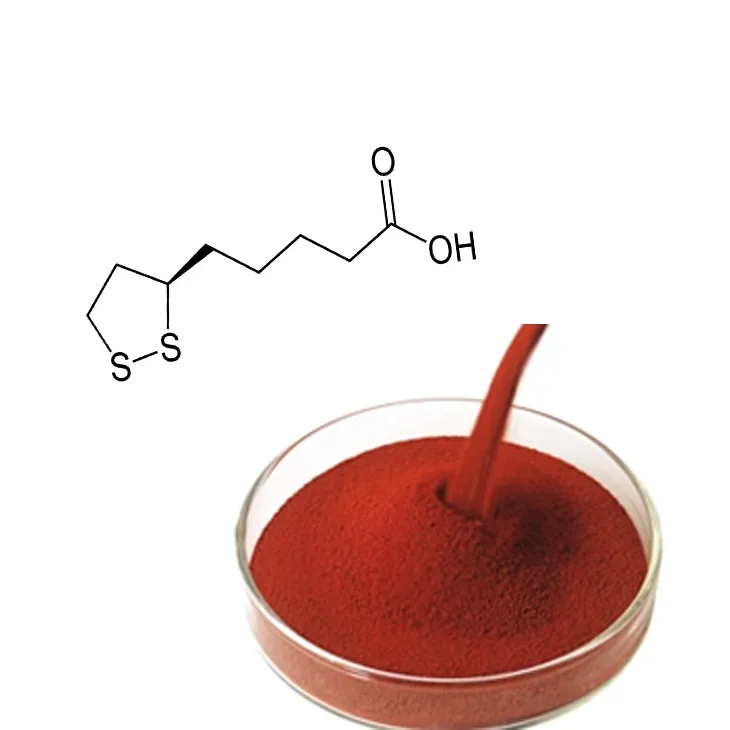
2.2. Antioxidant Mechanisms
When it comes to antioxidant mechanisms, Astaxanthin can donate electrons to neutralize free radicals without itself becoming a highly reactive species. This is crucial as many antioxidants can become pro - oxidants under certain conditions. Astaxanthin's antioxidant power is measured in terms of its ability to quench singlet oxygen and peroxyl radicals. It has been found to be much more effective than other common antioxidants in this regard. For example, in vitro studies have shown that Astaxanthin can be several times more effective than Vitamin C or E in protecting cells from oxidative stress.3. Astaxanthin in the Beauty and Cosmetic Realm

3.1. Skin Penetration and Free Radical Scavenging
In the beauty and cosmetic world, Astaxanthin is truly a star ingredient. One of its most important properties is its ability to penetrate deep into the skin layers. Due to its relatively small molecular size and lipophilic nature, it can easily cross the lipid bilayers of the skin cells. Once inside the skin, it starts to scavenge free radicals. Free radicals are constantly generated in the skin due to various factors such as UV radiation, pollution, and stress. These free radicals can cause damage to the skin cells, leading to premature aging, wrinkles, and dull complexion. By neutralizing these free radicals, Astaxanthin helps to prevent these skin problems caused by oxidative damage.
3.2. Anti - Aging and Skin Health Benefits
Astaxanthin also offers significant anti - aging benefits. It can stimulate the production of collagen, which is a key protein for maintaining skin elasticity. As we age, the production of collagen decreases, resulting in sagging skin. By promoting collagen synthesis, Astaxanthin can help to keep the skin firm and supple. Moreover, it has anti - inflammatory properties, which can reduce redness and irritation in the skin. This is especially beneficial for those with sensitive skin or skin conditions such as acne or rosacea. In addition, Astaxanthin can improve the skin's moisture - retaining ability, leading to a more hydrated and glowing complexion.4. Astaxanthin in the Dietary Supplement Area
4.1. Immune System Boost
In the area of dietary supplements, Astaxanthin shows great potential. One of its main benefits is its ability to boost the immune system. The immune system is constantly under attack from various pathogens such as bacteria, viruses, and fungi. Astaxanthin can enhance the function of immune cells such as macrophages and lymphocytes. Macrophages are responsible for engulfing and destroying foreign invaders, while lymphocytes play a crucial role in recognizing and responding to specific antigens. By strengthening these immune cells, Astaxanthin can help the body to better defend against infections.4.2. Muscle Endurance and Exercise Performance
Another important aspect of Astaxanthin in dietary supplements is its impact on muscle endurance during exercise. Studies have shown that Astaxanthin can reduce muscle fatigue and improve exercise performance. During exercise, the muscles produce a large amount of free radicals, which can cause muscle damage and fatigue. Astaxanthin's antioxidant properties can protect the muscles from this oxidative damage, allowing for longer and more intense workouts. It can also enhance the recovery process after exercise, reducing muscle soreness and promoting muscle repair.4.3. Potential Anti - Cancer Properties
Astaxanthin is also being studied for its possible anti - cancer properties. Although more research is needed, initial studies have shown some promising results. It is thought that Astaxanthin can interfere with the growth and spread of cancer cells through various mechanisms. For example, it may induce apoptosis (programmed cell death) in cancer cells, or it may inhibit the angiogenesis (formation of new blood vessels) that is necessary for tumor growth. However, it is important to note that Astaxanthin should not be considered a substitute for conventional cancer treatments, but rather as a potential complementary therapy.5. Astaxanthin in the Food Industry
5.1. Natural Colorant
In the food industry, Astaxanthin has multiple applications. One of the most obvious uses is as a natural colorant. It can give a natural red - orange color to various food products such as salmon fillets, shrimp, and processed foods. This is particularly important as consumers are increasingly demanding natural and clean - label ingredients in their food. Unlike synthetic colorants, which may have potential health risks, Astaxanthin is a safe and natural alternative. It can also be used in beverages, adding a visually appealing color while also providing other potential health benefits.5.2. Nutritional Value Addition
In addition to being a colorant, Astaxanthin also adds nutritional value to food. As mentioned earlier, it has powerful antioxidant properties, which can help to protect the body from oxidative damage. Incorporating Astaxanthin - rich foods into the diet can be a way to increase the intake of antioxidants. It can also have positive effects on eye health, as some studies have suggested that it may help to prevent age - related macular degeneration. Moreover, Astaxanthin may have a role in improving cardiovascular health by reducing inflammation and oxidative stress in the blood vessels.6. Conclusion
Astaxanthin is a truly versatile ingredient with a wide range of applications. From its role in the beauty and cosmetic industry in maintaining skin health, to its potential in dietary supplements for boosting the immune system and enhancing exercise performance, and its uses in the food industry as a natural colorant and a source of nutrition, it offers many benefits. However, more research is still needed to fully understand its mechanisms of action and to explore its potential in other areas. As the demand for natural and functional ingredients continues to grow, Astaxanthin is likely to play an increasingly important role in various industries.
FAQ:
What makes Astaxanthin a versatile ingredient?
Biochemically, Astaxanthin has a unique structure which endows it with extraordinary antioxidant capabilities. These capabilities allow it to be used in different areas such as beauty, dietary supplements, and the food industry, making it a versatile ingredient.
How does Astaxanthin work in the beauty and cosmetic realm?
In the beauty and cosmetic field, Astaxanthin can penetrate deep into the skin layers. It scavenges free radicals, and by doing so, it can prevent skin problems that are caused by oxidative damage.
What are the benefits of Astaxanthin in dietary supplements?
Astaxanthin in dietary supplements has several benefits. It can boost the immune system and enhance muscle endurance during exercise. Moreover, it is currently being studied for its possible anti - cancer properties.
How is Astaxanthin used in the food industry?
In the food industry, Astaxanthin serves as a natural colorant for various products. Besides, it also adds nutritional value to the food.
Is Astaxanthin safe for all applications?
Generally, Astaxanthin is considered safe for its common applications. However, as with any ingredient, excessive use may have potential risks, and specific safety may also depend on the quality and purity of the Astaxanthin product. It is always advisable to follow the recommended dosage guidelines.
Related literature
- The Antioxidant and Anti - Inflammatory Properties of Astaxanthin: A Comprehensive Review"
- "Astaxanthin in Cosmetics: Mechanisms of Action and Efficacy"
- "Dietary Astaxanthin and Its Impact on the Immune System"


-

Olive leaf extract
2024-12-17
-

Mango flavored powder
2024-12-17
-

Ivy Extract
2024-12-17
-

Alfalfa Meal
2024-12-17
-

Hedyotis Diffusa Extract
2024-12-17
-

Acai Berry Extract
2024-12-17
-

Hesperidin
2024-12-17
-

Yohimbine Bark Extract
2024-12-17
-

Yam Extract
2024-12-17
-

White Peony Extract
2024-12-17