


1. Introduction to Astaxanthin
Astaxanthin is a remarkable compound known for its powerful antioxidant properties. It belongs to the carotenoid family, which is responsible for the vivid colors seen in many organisms. Antioxidants play a crucial role in protecting cells from damage caused by free radicals. Free radicals are unstable molecules that can cause oxidative stress, which is linked to various health problems, including aging, cancer, and heart disease. Astaxanthin's antioxidant capacity is much stronger than many other well - known antioxidants such as Vitamin C and vitamin E. This makes it highly sought - after in a wide range of applications, from health supplements to cosmetics.
2. Trinidad and Tobago's Marine Resources
Trinidad and Tobago, as a twin - island nation in the Caribbean, is blessed with rich marine resources. The coastal waters are teeming with life, providing a diverse ecosystem that could be a significant source of Astaxanthin.
2.1. Biodiversity in the Coastal Waters
The waters around Trinidad and Tobago are home to a vast array of organisms. There are numerous species of fish, crustaceans, and mollusks. These organisms interact in a complex web of life, and many of them either produce Astaxanthin or are part of the food chain that leads to Astaxanthin production. For example, certain species of shrimp and lobster contain Astaxanthin, which gives them their characteristic red color.
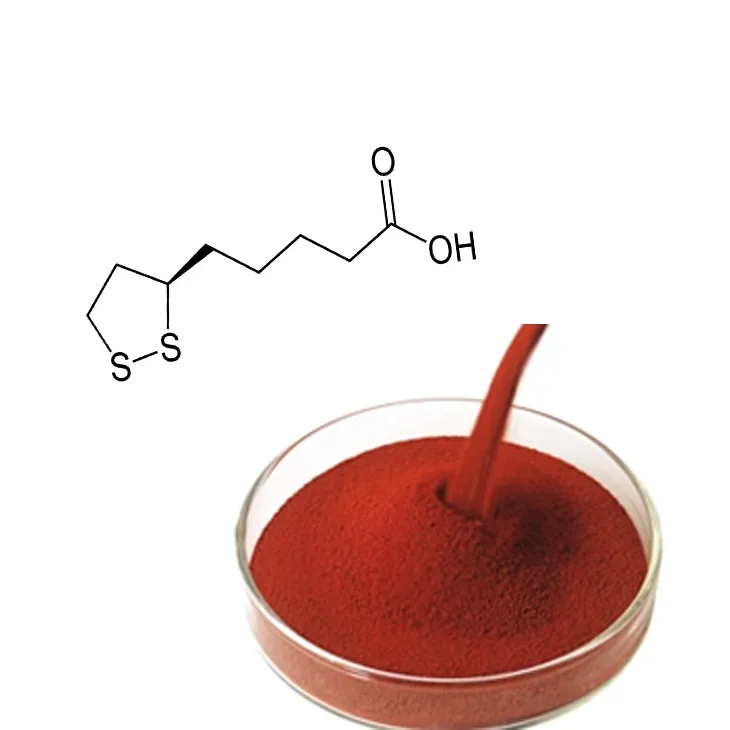
2.2. Microalgae as Astaxanthin Producers
Microalgae are of particular interest when it comes to Astaxanthin production in Trinidad and Tobago. Microalgae are microscopic photosynthetic organisms that can be found in large numbers in the coastal waters. Some species of microalgae are known to be prolific producers of Astaxanthin. They use sunlight, carbon dioxide, and nutrients from the water to synthesize this valuable pigment. The presence of these microalgae in the local waters offers a natural and sustainable source of Astaxanthin that can be exploited for various economic and scientific purposes.
3. Potential for Astaxanthin Production
The potential for Astaxanthin production in Trinidad and Tobago is significant. Given the rich marine resources, there are several ways in which Astaxanthin can be harvested or produced.

3.1. Cultivation of Microalgae
One option is the cultivation of microalgae that produce Astaxanthin. This can be done in controlled environments such as ponds or bioreactors. By providing the optimal conditions for growth, including the right amount of light, temperature, and nutrients, the production of Astaxanthin - rich microalgae can be maximized. For example, maintaining a specific pH level in the growth medium can enhance the growth and Astaxanthin production of microalgae. Additionally, the selection of the most productive microalgae strains is crucial. Through genetic research and screening, the most efficient Astaxanthin - producing microalgae can be identified and cultivated on a larger scale.

3.2. Harvesting from Marine Organisms
Another approach is to harvest Astaxanthin directly from marine organisms. As mentioned earlier, certain fish, shrimp, and lobster contain Astaxanthin. By developing sustainable fishing and harvesting methods, it is possible to extract Astaxanthin from these organisms. However, this needs to be done carefully to ensure the long - term viability of the marine populations. For instance, setting appropriate catch limits and using selective harvesting techniques can help protect the overall health of the marine ecosystem while still obtaining Astaxanthin.
4. Economic Opportunities
The study and exploitation of Astaxanthin in Trinidad and Tobago can open up new economic opportunities in multiple sectors.
4.1. Nutraceuticals
In the field of nutraceuticals, Astaxanthin has great potential. With the increasing awareness of health and the demand for natural supplements, Astaxanthin - based products can find a large market. Astaxanthin is believed to have benefits for eye health, skin health, and cardiovascular health. It can be formulated into capsules, tablets, or powders and sold as dietary supplements. Trinidad and Tobago could develop its own brand of Astaxanthin - rich nutraceuticals, targeting both the domestic and international markets. This would not only generate revenue but also create jobs in areas such as production, marketing, and research.
4.2. Cosmetics
Cosmetics is another area where Astaxanthin can make a significant impact. Its antioxidant properties make it an ideal ingredient for anti - aging and skin - protecting products. It can be added to creams, lotions, and serums to improve skin elasticity, reduce wrinkles, and protect against UV damage. Trinidad and Tobago could leverage its Astaxanthin resources to develop high - quality, natural cosmetics. This could attract international beauty brands to collaborate or invest in the local cosmetics industry, further boosting the economy.
5. Environmental and Ecological Research
The study of Astaxanthin in Trinidad and Tobago also holds great promise in terms of environmental and ecological research.
5.1. Understanding Local Ecosystems
By studying Astaxanthin production and its role in local ecosystems, scientists can gain a better understanding of the overall health and functioning of the coastal waters. For example, changes in the Astaxanthin levels in microalgae or marine organisms could be an indicator of environmental stressors such as pollution, temperature changes, or nutrient imbalances. Monitoring Astaxanthin can thus serve as an early - warning system for the health of the marine environment.
5.2. Conservation Efforts
Understanding Astaxanthin also contributes to broader conservation efforts. If Astaxanthin - producing organisms are identified as key components of the ecosystem, conservation measures can be put in place to protect them. This includes protecting the habitats of microalgae, fish, and other marine organisms. By conserving these organisms, not only is the production of Astaxanthin safeguarded, but also the overall biodiversity and ecological balance of the coastal waters are maintained.
6. Challenges and Solutions
While there are great opportunities associated with Astaxanthin in Trinidad and Tobago, there are also several challenges that need to be addressed.
6.1. Technological Limitations
One of the main challenges is technological limitations in Astaxanthin production and extraction. For example, the cultivation of microalgae on a large scale requires advanced bioreactor technology and efficient harvesting methods. Currently, the cost of these technologies can be high, making it difficult for small - scale producers in Trinidad and Tobago to enter the market. To overcome this, investment in research and development is needed to develop more cost - effective and efficient production and extraction techniques. This could involve collaboration with international research institutions or attracting foreign investment in the local Astaxanthin industry.
6.2. Regulatory and Quality Control
Another challenge is regulatory and quality control. In order to enter the international market for nutraceuticals and cosmetics, products containing Astaxanthin need to meet strict quality and safety standards. Trinidad and Tobago needs to establish and enforce its own regulatory framework for Astaxanthin production. This includes setting standards for purity, safety, and labeling. Additionally, quality control measures need to be in place throughout the production process, from the cultivation of microalgae or harvesting of marine organisms to the final product formulation.
7. Conclusion
In conclusion, Astaxanthin in Trinidad and Tobago represents a significant opportunity. The nation's rich marine resources provide a potential source for Astaxanthin production, which can have far - reaching implications in the economic, environmental, and scientific fields. While there are challenges to overcome, with the right strategies and investments, Trinidad and Tobago can harness the power of Astaxanthin to boost its economy, contribute to environmental research and conservation, and make a mark in the international market for Astaxanthin - based products.
FAQ:
What is the connection between Trinidad and Tobago and Astaxanthin?
Trinidad and Tobago, as a twin - island nation in the Caribbean, has a connection to Astaxanthin mainly through its rich marine resources. The coastal waters are home to diverse organisms like microalgae which can produce Astaxanthin.
Why is Astaxanthin significant in Trinidad and Tobago?
Astaxanthin is significant in Trinidad and Tobago because it can open new avenues for the local economy, especially in the areas of nutraceuticals and cosmetics. Also, with the global demand for natural antioxidants rising, the Astaxanthin from there has the chance to enter the international market. Moreover, it has potential in environmental and ecological research for conservation efforts.
What are the sources of Astaxanthin in Trinidad and Tobago?
The main sources of Astaxanthin in Trinidad and Tobago are the diverse organisms in the coastal waters. Microalgae are known to be producers of this pigment.
How can Astaxanthin benefit the economy of Trinidad and Tobago?
Astaxanthin can benefit the economy of Trinidad and Tobago by being used in the production of nutraceuticals and cosmetics. As the global demand for natural antioxidants is growing, it can be sold in the international market, thus bringing economic benefits.
What role can Astaxanthin play in environmental and ecological research in Trinidad and Tobago?
Understanding the production of Astaxanthin and its role in local ecosystems can contribute to broader conservation efforts. It can help in studying the local marine ecosystems better and support environmental protection initiatives.
Related literature
- Astaxanthin Production from Marine Organisms in Trinidad and Tobago"
- "The Potential of Astaxanthin in Trinidad and Tobago's Nutraceutical Industry"
- "Astaxanthin and Marine Ecosystems in Trinidad and Tobago"


-

Fig Extract
2024-12-06
-

L-Cysteine
2024-12-06
-

Giant Knotweed Extract
2024-12-06
-

Gynostemma pentaphyllum extract
2024-12-06
-

Resveratrol Extract
2024-12-06
-

Eucommia Ulmoides Extract
2024-12-06
-

Konjac Powder
2024-12-06
-

Vitamin B9 powder
2024-12-06
-

Apple Vinegar Powder
2024-12-06
-

Passionflower Extract
2024-12-06