


1. Introduction to Astaxanthin
Astaxanthin is a powerful antioxidant that has gained significant attention in the global market. It is a carotenoid pigment, which is responsible for the red color in various organisms such as salmon, shrimp, and krill. Astaxanthin has numerous health benefits, including anti - inflammatory properties, protection against oxidative stress, and potential benefits for skin health, eye health, and cardiovascular health. Due to these properties, it has become a popular ingredient in dietary supplements, cosmetics, and the food and beverage industry.
2. Types of Astaxanthin Suppliers
2.1. Natural Astaxanthin Suppliers
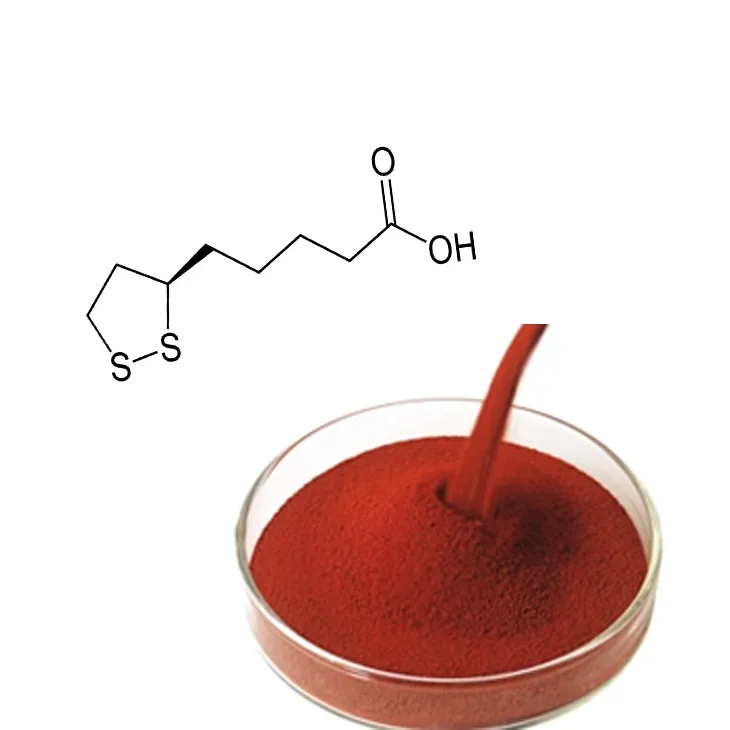
Natural Astaxanthin suppliers obtain the pigment from natural sources. One of the main natural sources is the microalgae Haematococcus pluvialis. These suppliers cultivate the microalgae in large - scale facilities under controlled conditions. The process of extracting Astaxanthin from Haematococcus pluvialis involves several steps, including harvesting the microalgae, disrupting the cell walls, and then purifying the pigment. Natural Astaxanthin is highly valued in the market because it is considered to be of higher quality and purity compared to synthetic forms.
2.2. Synthetic Astaxanthin Suppliers
Synthetic Astaxanthin suppliers produce the pigment through chemical synthesis. This method is more cost - effective compared to natural production methods, which allows for large - scale production at a relatively lower cost. However, synthetic Astaxanthin may not be as well - received in certain markets, especially those that prefer natural or organic products. Synthetic Astaxanthin is mainly used in the aquaculture industry, where it is added to fish feed to enhance the color of farmed fish.

2.3. Organic Astaxanthin Suppliers
Organic Astaxanthin suppliers operate under strict organic farming or extraction standards. They are required to follow guidelines regarding the use of fertilizers, pesticides, and other chemicals in the cultivation or extraction process. Organic Astaxanthin is often targeted at niche markets, where consumers are willing to pay a premium for high - quality, environmentally - friendly products. These suppliers need to obtain organic certifications, which involve regular inspections and audits to ensure compliance with organic standards.
3. The Role of Astaxanthin Exporters

3.1. Logistics and Transportation
Exporters of Astaxanthin are responsible for ensuring that the product reaches its destination in optimal condition. This involves complex logistics operations, such as proper packaging to protect the product from moisture, light, and temperature changes. They also need to select the appropriate transportation mode, whether it is by air, sea, or land, depending on the destination, quantity, and urgency of the shipment. For example, if the destination is a far - away international market and the product has a relatively long shelf - life, sea freight may be a more cost - effective option. However, if the product is time - sensitive, air freight may be preferred.
3.2. Price Negotiation
Exporters play a crucial role in price negotiation. They need to be aware of the market prices in different regions, as well as the production costs and quality of the Astaxanthin they are exporting. By understanding these factors, they can negotiate favorable prices with importers. They also need to consider factors such as currency exchange rates, trade tariffs, and market competition. For instance, if there is high competition in a particular market, exporters may need to offer more competitive prices or additional value - added services to secure business.
3.3. Market Positioning
Another important role of Astaxanthin exporters is market positioning. They need to identify the target markets and customer segments for their products. This involves conducting market research to understand the needs, preferences, and purchasing power of potential customers. Based on this research, they can develop marketing strategies to position their Astaxanthin products effectively. For example, in some markets, the focus may be on the health benefits of Astaxanthin for athletes, while in others, it may be on its anti - aging properties for the beauty market.
3.4. Educating Customers in Emerging Markets
In emerging markets, Astaxanthin exporters may face the challenge of educating potential customers about the product's benefits. Many consumers in these markets may be unfamiliar with Astaxanthin and its applications. Exporters can use various marketing and educational tools, such as product brochures, seminars, and online campaigns, to raise awareness about the product. They can also collaborate with local partners, such as distributors, retailers, or healthcare professionals, to promote the product and build trust among consumers.
4. The Synergy between Suppliers and Exporters
4.1. Supplier Responsiveness to Exporter Demands
The success of Astaxanthin in the global market depends on the synergy between suppliers and exporters. Suppliers need to be responsive to the demands of exporters. For example, exporters may require customized packaging for different markets. Some markets may prefer smaller, individual - use packaging for dietary supplements, while others may require larger bulk packaging for industrial use. Suppliers should be able to provide such customized packaging options. Additionally, exporters may request specific product formulations, such as different concentrations of Astaxanthin or combinations with other ingredients. Suppliers need to have the flexibility and capabilities to meet these requirements.
4.2. Exporter Feedback to Suppliers
Exporters, in turn, should provide feedback to suppliers based on market trends. If they notice that a particular market is demanding higher - quality Astaxanthin with specific purity levels, they should communicate this to the suppliers. This feedback can drive continuous improvement in the production and quality of Astaxanthin. For example, if consumers in a certain market are increasingly concerned about the environmental impact of production processes, exporters can inform suppliers about the need to adopt more sustainable practices. This can help suppliers stay competitive in the global market and meet the evolving demands of customers.
5. Challenges Faced by Astaxanthin Suppliers and Exporters
5.1. Quality Control
Both suppliers and exporters of Astaxanthin face challenges in quality control. For suppliers, ensuring consistent quality throughout the production process can be difficult, especially when dealing with natural sources that may be subject to variations in environmental conditions. Exporters also need to ensure that the product meets the quality standards of different markets. Different countries may have different regulations regarding the purity, safety, and labeling of Astaxanthin products. For example, some markets may require more stringent testing for heavy metals or contaminants.
5.2. Regulatory Compliance
Regulatory compliance is another significant challenge. The Astaxanthin market is subject to various regulations, both in the production and export/import processes. Suppliers need to comply with regulations regarding the use of raw materials, production methods, and environmental protection. Exporters need to be familiar with the import regulations of different countries, including requirements for product registration, labeling, and documentation. Failure to comply with these regulations can result in delays, fines, or even the rejection of shipments.
5.3. Market Competition
The Astaxanthin market is becoming increasingly competitive, with more suppliers and exporters entering the market. This can put pressure on prices and profit margins. Suppliers need to find ways to differentiate their products, such as through quality, innovation, or sustainable production methods. Exporters need to develop unique marketing strategies to stand out in the market. For example, they can focus on niche markets or offer value - added services such as technical support or after - sales service.
6. Strategies for Success in the Astaxanthin Market
6.1. Innovation in Production and Product Development
To succeed in the Astaxanthin market, suppliers and exporters can focus on innovation in production and product development. Suppliers can invest in research and development to improve the efficiency and quality of their production processes. For example, they can explore new methods of cultivating microalgae or extracting Astaxanthin that are more sustainable and cost - effective. Exporters can work with suppliers to develop new product formulations or applications. For instance, they can collaborate to create novel dietary supplements or cosmetics that incorporate Astaxanthin in unique ways.
6.2. Building Strong Relationships
Building strong relationships between suppliers and exporters is crucial. This can involve regular communication, mutual trust, and long - term cooperation. Suppliers can provide reliable product supply and quality assurance to exporters, while exporters can offer market insights and stable business opportunities to suppliers. By working together, they can better respond to market challenges and opportunities. For example, they can jointly participate in trade shows or industry events to promote their Astaxanthin products.
6.3. Sustainability and Corporate Social Responsibility
Embracing sustainability and corporate social responsibility can also be a successful strategy in the Astaxanthin market. Suppliers can adopt sustainable production practices, such as reducing energy consumption, minimizing waste, and protecting the environment. Exporters can promote these sustainable aspects of the product to environmentally - conscious consumers. For example, they can highlight the use of organic or sustainable sources of Astaxanthin in their marketing materials. This can enhance the brand image of both suppliers and exporters and attract more customers.
7. Conclusion
In conclusion, Astaxanthin has emerged as a valuable commodity in the global market. Suppliers and exporters play crucial and complementary roles in its success. While suppliers are responsible for the production and quality of Astaxanthin, exporters are essential for its international distribution and market penetration. The synergy between them is vital for meeting market demands, improving product quality, and achieving long - term success in the competitive Astaxanthin market. Despite the challenges they face, such as quality control, regulatory compliance, and market competition, by adopting strategies such as innovation, relationship building, and sustainability, they can enhance their competitiveness and contribute to the growth of the Astaxanthin market.
FAQ:
What are the main types of Astaxanthin suppliers?
There are mainly two types of Astaxanthin suppliers based on production methods. One type is organic Astaxanthin suppliers. They must follow strict organic farming or extraction standards. Another type may be those using non - organic production methods which might have different cost structures and target different market segments.
How do Astaxanthin exporters ensure the product quality during transportation?
Astaxanthin exporters are involved in complex logistics operations. They use proper packaging materials that can protect the product from factors like light, heat and moisture. Also, they may control the transportation environment such as temperature and humidity to ensure the Astaxanthin reaches its destination in optimal condition.
What are the challenges for Astaxanthin exporters in emerging markets?
In emerging markets, Astaxanthin exporters may face challenges such as lack of awareness about the product among potential customers. So they need to educate these customers about the product's benefits. Also, there may be regulatory and distribution network challenges that they need to overcome.
How do suppliers and exporters of Astaxanthin cooperate?
Suppliers need to be responsive to the demands of exporters. For example, they can provide customized packaging or product formulations according to the exporters' requirements. Exporters, in turn, should give feedback to suppliers based on market trends. This feedback can help suppliers improve the production process and product quality of Astaxanthin.
What factors influence the price of Astaxanthin in the international market?
The production method (organic or non - organic) can influence the price. Organic Astaxanthin usually costs more as it adheres to strict standards. The supply and demand situation also plays a role. If there is a high demand but limited supply, the price will increase. Additionally, the cost of production, including raw materials, labor, and transportation costs for both suppliers and exporters, can impact the price.
Related literature
- The Global Astaxanthin Market: Trends and Opportunities"
- "Astaxanthin Production and Its Impact on the Global Market"
- "Supply Chain Dynamics in Astaxanthin Exports"


-

Curcuma Longa Extract/Turmeric extract
2024-12-08
-

Panax Ginseng Leaf Extract
2024-12-08
-

Bitter Melon Extract
2024-12-08
-

Apricot Powder
2024-12-08
-

Citrus Aurantium Extract
2024-12-08
-

Red Yeast Rice
2024-12-08
-

Camu Camu Extract
2024-12-08
-

Andrographis Paniculata Extract Powder
2024-12-08
-

L-Arginine alpha-ketoglutarate
2024-12-08
-

Sophora Japonica Flower Extract
2024-12-08