


1. Introduction
The Curcumin market has been growing steadily in recent years, with both manufacturers and distributors playing crucial roles in its expansion. Bulk Curcumin, a key ingredient in various industries such as food, pharmaceuticals, and cosmetics, is subject to a complex supply chain. Understanding the differences and similarities between manufacturers and distributors is essential for anyone involved in this market.
2. The Role of Bulk Curcumin Manufacturers
2.1 Sourcing Raw Materials
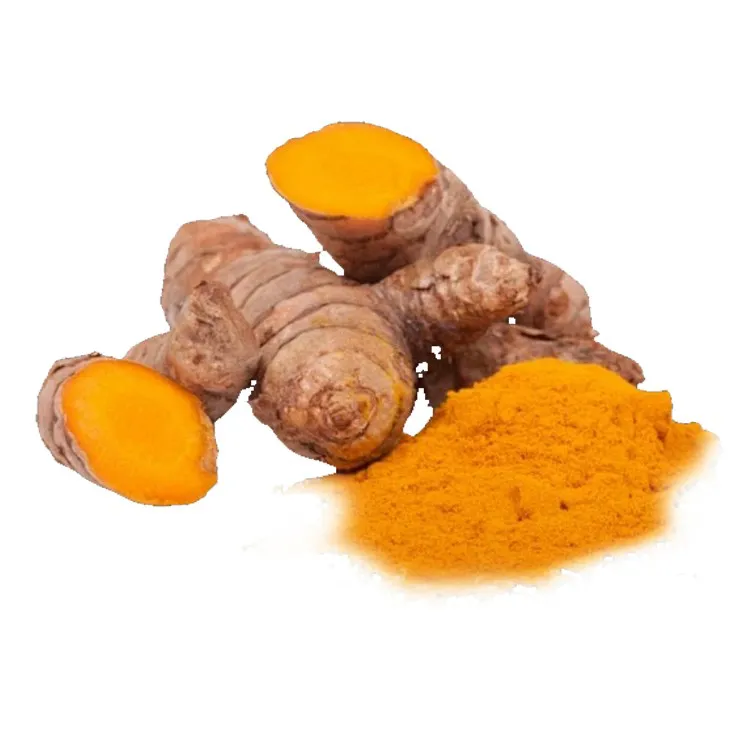
Manufacturers are responsible for sourcing high - quality raw materials for Curcumin production. Turmeric, the main source of Curcumin, must be carefully selected. They often have to consider factors such as the origin of the turmeric, its cultivation methods, and the quality of the soil. For example, turmeric sourced from regions known for their ideal growing conditions, such as certain parts of India, is highly prized. Manufacturers may also have to ensure that the turmeric is organically grown if they are targeting markets that demand organic products.

2.2 Production Processes
The production of bulk Curcumin involves multiple complex steps. After sourcing the turmeric, it goes through extraction processes. This can include methods such as solvent extraction or supercritical fluid extraction. Quality control is of utmost importance during these processes. Manufacturers need to ensure that the Curcumin extracted is pure and free from contaminants. They use advanced analytical techniques such as high - performance liquid chromatography (HPLC) to monitor the purity of the Curcumin. Additionally, they may also be involved in formulating Curcumin into different forms, such as powder, capsules, or liquid extracts, depending on the end - use requirements.

2.3 Research and Development
Manufacturers are constantly engaged in research and development (R & D). They are looking for ways to improve the extraction efficiency of Curcumin, enhance its bioavailability, and explore new applications. For instance, recent R & D efforts have focused on developing nano - Curcumin formulations to improve its absorption in the human body. This kind of innovation not only benefits the end - users but also gives the manufacturers a competitive edge in the market. Moreover, R & D also helps in meeting regulatory requirements, as different regions may have specific regulations regarding Curcumin products.
3. The Role of Bulk Curcumin Distributors

3.1 Logistics
Distributors play a vital role in the logistics aspect of the bulk Curcumin supply chain. They are responsible for transporting the Curcumin from the manufacturing facilities to various destinations. This involves coordinating with shipping companies, freight forwarders, and warehousing facilities. They need to ensure that the Curcumin is stored under appropriate conditions during transit to maintain its quality. For example, Curcumin should be stored in a cool, dry place away from direct sunlight to prevent degradation. Distributors also need to manage inventory levels to ensure a continuous supply to the market without overstocking or understocking.
3.2 Marketing
Marketing is another key function of distributors. They promote the bulk Curcumin products to potential customers. This can include creating marketing materials such as brochures, product catalogs, and websites. They also participate in trade shows and exhibitions to showcase the products. Distributors need to understand the unique selling points of the Curcumin products they are handling and communicate them effectively to the target market. For example, if the Curcumin has a high level of purity or a unique formulation, the distributor should highlight these features in their marketing efforts.

3.3 Customer Relations
Building and maintaining good customer relations is essential for distributors. They act as the first point of contact for customers who have inquiries or issues regarding the Curcumin products. They need to be able to provide accurate information about the product specifications, usage instructions, and any relevant regulatory compliance. For instance, if a customer in the food industry wants to use Curcumin as a natural colorant, the distributor should be able to advise on the appropriate dosage and any legal requirements. Good customer relations also lead to repeat business and positive word - of - mouth, which are crucial for the long - term success of the distributor.
4. Differences between Manufacturers and Distributors
- Core Focus: Manufacturers primarily focus on the production aspects, from raw material sourcing to final product formulation. Their main concern is ensuring product quality and compliance with production standards. In contrast, distributors are more centered around getting the product to the market and promoting it. Their focus is on logistics, marketing, and customer service.
- Expertise: Manufacturers need in - depth knowledge of chemical processes, quality control, and raw material handling. They require expertise in areas such as extraction techniques and formulation development. Distributors, on the other hand, need to have a good understanding of marketing strategies, logistics management, and customer relations. They should be well - versed in market trends and customer demands.
- Investment: Manufacturers typically make significant investments in production facilities, research and development, and quality control equipment. For example, setting up a state - of - the - art Curcumin extraction plant can cost a substantial amount of money. Distributors, while they may also invest in warehousing and transportation infrastructure, their investment is more focused on marketing and customer - facing operations.
5. Similarities between Manufacturers and Distributors
- Dependence on Quality: Both manufacturers and distributors rely on the quality of the Curcumin product. Manufacturers need to produce high - quality Curcumin to meet market demands and regulatory requirements. Distributors, in turn, can only succeed if they are promoting and distributing a quality product. A poor - quality Curcumin product will lead to dissatisfied customers and ultimately harm both the manufacturer and the distributor.
- Market Awareness: They both need to be aware of the market trends and demands. Manufacturers use this knowledge to develop products that are in line with market needs. For example, if there is an increasing demand for organic Curcumin in the food industry, manufacturers may adjust their production accordingly. Distributors, too, need to be aware of market trends to effectively market and distribute the products. They may target specific market segments based on emerging trends.
- Regulatory Compliance: Both parties are subject to regulatory requirements. Manufacturers need to comply with production regulations, such as Good Manufacturing Practice (GMP) standards. Distributors also need to ensure that they are handling and distributing the Curcumin products in accordance with relevant laws, including labeling requirements and import/export regulations.
6. The Symbiotic Relationship between Manufacturers and Distributors
Manufacturers and distributors have a symbiotic relationship that is crucial for the success of the bulk Curcumin market. Manufacturers depend on distributors to reach a wider market. Without distributors, manufacturers may find it difficult to get their products to various customers, especially those in different geographical locations. On the other hand, distributors rely on manufacturers for a steady supply of high - quality products. If a manufacturer fails to produce consistent quality Curcumin or faces production disruptions, it will directly impact the distributor's ability to serve their customers.
Moreover, manufacturers and distributors can collaborate in areas such as product development and marketing. For example, a manufacturer may work with a distributor to develop a new packaging design that is more appealing to the end - users. They can also jointly participate in marketing campaigns to increase brand awareness and product sales. This kind of collaboration not only benefits both parties but also strengthens the overall supply chain.
7. Impact on the Supply Chain
7.1 Product Availability
The relationship between manufacturers and distributors has a direct impact on product availability. If there is a smooth cooperation between them, Curcumin products will be available in the market in a timely manner. For example, if a manufacturer has a high - production capacity and a distributor has an efficient logistics network, Curcumin can be quickly supplied to various regions. However, if there are issues in their relationship, such as disputes over pricing or quality control, it can lead to shortages or delays in product availability.
7.2 Pricing
Both manufacturers and distributors play a role in determining the price of bulk Curcumin. Manufacturers consider their production costs, including raw material costs, labor, and R & D expenses when setting the base price. Distributors then add their markup to cover their costs such as logistics, marketing, and profit margins. Any changes in the costs at either the manufacturing or the distribution level can affect the final price of the Curcumin product. For example, if the cost of turmeric raw materials increases for the manufacturer, it may lead to an increase in the price of the Curcumin product, which will then be passed on to the end - users by the distributor.
8. Impact on End - Users
The relationship between manufacturers and distributors ultimately affects the end - users. If the manufacturers produce high - quality Curcumin and the distributors ensure its proper distribution and marketing, end - users will benefit. They will have access to pure, effective Curcumin products that are conveniently available. On the other hand, if there are problems in the supply chain, such as sub - standard quality control or poor marketing, end - users may end up with inferior products or may not be aware of the benefits of Curcumin at all.
For example, in the pharmaceutical industry, end - users (patients) rely on high - quality Curcumin products for potential health benefits. If the manufacturers cut corners in production or if the distributors do not store or transport the products properly, the efficacy of the Curcumin may be compromised, which could have negative impacts on the patients' health. In the food and cosmetics industries as well, end - users expect consistent quality products, and any disruptions in the supply chain can lead to dissatisfaction.
9. Conclusion
In conclusion, bulk Curcumin manufacturers and distributors have distinct yet interconnected roles in the supply chain. While manufacturers are focused on production, quality control, and R & D, distributors are centered around logistics, marketing, and customer relations. Their differences are clear in terms of core focus, expertise, and investment. However, they also share similarities in their dependence on product quality, market awareness, and regulatory compliance. The symbiotic relationship between them is crucial for the success of the bulk Curcumin market, impacting product availability, pricing, and ultimately, the end - users. Understanding these aspects is essential for all stakeholders in the Curcumin market, whether they are involved in production, distribution, or consumption.
FAQ:
What are the main tasks of bulk Curcumin manufacturers?
Manufacturers are mainly involved in the production process. They start with sourcing raw materials and then formulate high - quality Curcumin. They also focus on quality control, research, and development to ensure the purity and efficacy of the product.
What is the role of bulk Curcumin distributors?
Distributors act as a bridge between manufacturers and the wider market. Their tasks include dealing with logistics, marketing, and customer relations.
How do manufacturers ensure the quality of bulk Curcumin?
Manufacturers ensure the quality of bulk Curcumin through strict quality control measures. They also invest in research and development to enhance product purity and efficacy. This may involve testing raw materials, monitoring the production process, and conducting final product inspections.
How do distributors contribute to the availability of bulk Curcumin in the market?
Distributors contribute to the availability of bulk Curcumin by handling logistics. They ensure that the product is transported from the manufacturer to various locations in the market. Their marketing efforts also help in creating awareness and demand, which in turn affects product availability.
What is the symbiotic relationship between bulk Curcumin manufacturers and distributors?
The symbiotic relationship between manufacturers and distributors is based on mutual dependence. Manufacturers rely on distributors to reach a wider market, while distributors depend on manufacturers for a reliable supply of high - quality Curcumin. The manufacturers' focus on quality and production pairs with the distributors' skills in logistics, marketing, and customer relations to ensure the product reaches the end - users effectively.
Related literature
TAGS:


-

Fenugreek Extract Powder
2024-12-11
-

Resveratrol Extract
2024-12-11
-

Bayberry Extract
2024-12-11
-

Carrageenan Extract Powder
2024-12-11
-

Citrus Aurantium Extract
2024-12-11
-

Yohimbine Bark Extract
2024-12-11
-

Saponin Extract
2024-12-11
-

Grapefruit Seed Extract Powder
2024-12-11
-

Angelica sinensis extract
2024-12-11
-

Antler Extract
2024-12-11