


1. Introduction
The bulk Yellow Pine Extract industry is a significant part of the natural product market. Yellow Pine Extract has various applications, from traditional medicine to the cosmetic and food industries. In this complex ecosystem, two key players are the manufacturers and the distributors. Understanding their roles, differences, and relationships is crucial for anyone involved in or interested in this industry.
2. Manufacturers of Bulk Yellow Pine Extract
2.1 The Extraction Process
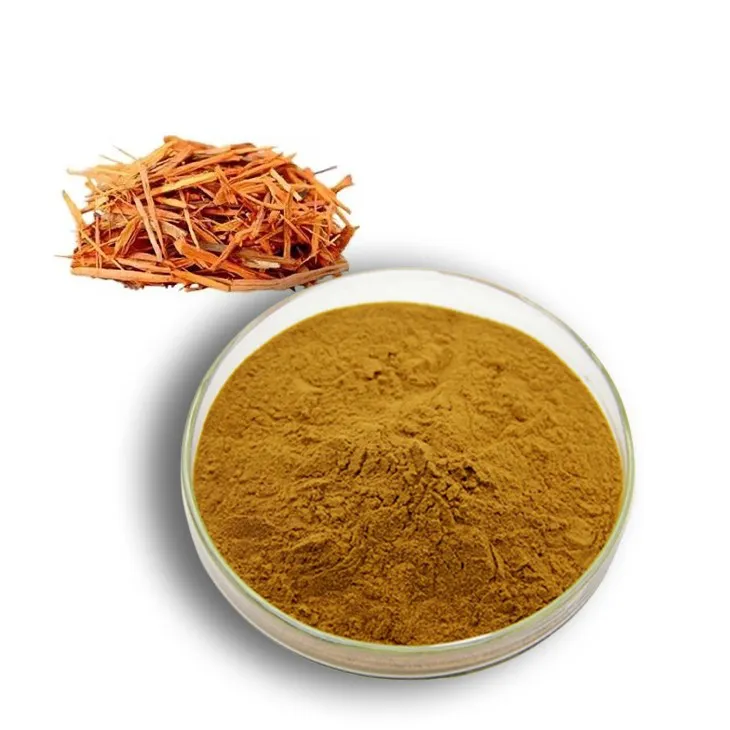
Manufacturers are at the very beginning of the supply chain. They are responsible for obtaining the raw material, which is the yellow pine. The extraction process is a complex and highly technical procedure. It often involves several steps. First, the raw yellow pine is carefully selected and prepared. This may include cleaning, drying, and chopping it into appropriate sizes.
Then, various extraction methods can be used. For example, solvent extraction is a common method. In this process, solvents are used to dissolve the active compounds from the yellow pine. The choice of solvent is crucial as it can affect the quality and purity of the extract. Another method is supercritical fluid extraction, which uses supercritical fluids, such as carbon dioxide, under specific pressure and temperature conditions to extract the desired components.
2.2 Quality Control
Quality control is a top priority for manufacturers. They must ensure that the Yellow Pine Extract meets certain standards. This starts with the raw material. Manufacturers need to source high - quality yellow pine from reliable suppliers. During the extraction process, strict monitoring is carried out. Parameters such as temperature, pressure, and extraction time are carefully controlled to ensure consistent quality.
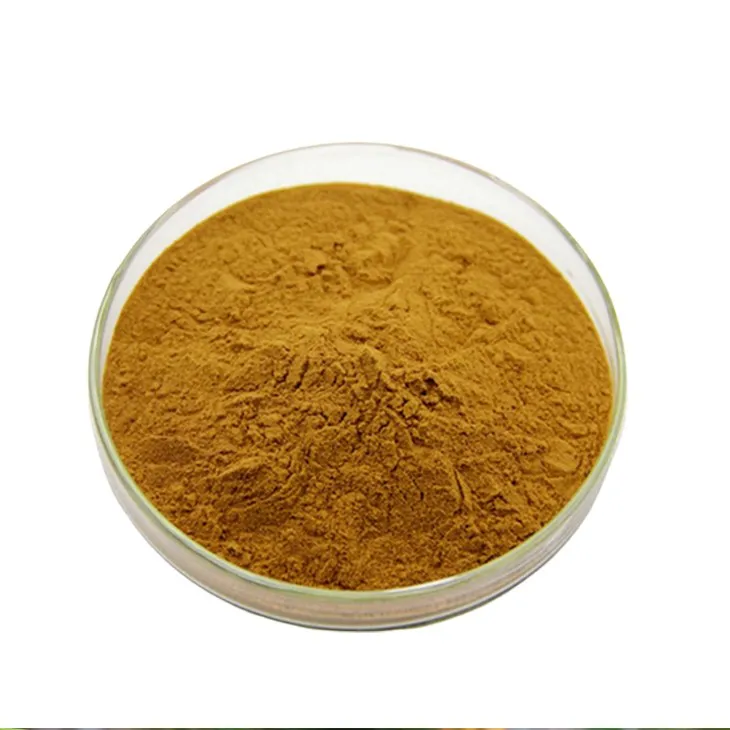
After extraction, the extract undergoes a series of quality tests. These tests may include assays for the active ingredients, purity tests, and checks for contaminants. For example, tests for heavy metals, pesticides, and microbial contaminants are essential. Only when the extract passes all these quality tests can it be considered suitable for further distribution.
2.3 Research and Development (R & D)
Manufacturers also play a vital role in R & D. They are constantly exploring new ways to improve the extraction process. This could involve finding more efficient extraction methods that can increase the yield of the active compounds while reducing costs.
Additionally, R & D efforts are focused on discovering new applications for Yellow Pine Extract. For instance, research may be carried out to explore its potential in treating certain diseases or in enhancing the performance of cosmetic products. Manufacturers may collaborate with research institutions or universities to conduct these studies.
3. Distributors of Bulk Yellow Pine Extract

3.1 Market Reach
Distributors are responsible for getting the Yellow Pine Extract from the manufacturers to the end - users. One of their key functions is to expand the market reach. They have an extensive network of contacts, including wholesalers, retailers, and industrial users. Distributors can reach different geographical regions, both domestic and international.
For example, a distributor may have connections with cosmetic companies in Europe and food manufacturers in Asia. They are able to bridge the gap between the manufacturer, who may be located in a specific region, and the diverse customers around the world. This global reach is essential for the growth of the Yellow Pine Extract market.
3.2 Customer Service
Another important role of distributors is providing customer service. They are the first point of contact for customers who have questions or concerns about the Yellow Pine Extract. Distributors need to be knowledgeable about the product's properties, applications, and quality.
They can provide technical support to customers. For example, if a food manufacturer wants to use Yellow Pine Extract in a new product but is unsure about the appropriate dosage or formulation, the distributor can offer advice based on their knowledge and experience. Additionally, distributors handle customer complaints and ensure that any issues are resolved promptly.
3.3 Logistics and Inventory Management
Distributors are also in charge of logistics and inventory management. They need to ensure that the Yellow Pine Extract is stored and transported under appropriate conditions. This is crucial to maintain the quality of the product.
In terms of inventory management, distributors need to balance the supply and demand. They must have enough stock to meet customer orders promptly but also avoid overstocking, which can lead to increased costs. They use inventory management systems to track the quantity of Yellow Pine Extract in stock, monitor its shelf - life, and plan for re - orders.
4. Differences between Manufacturers and Distributors
4.1 Core Competencies
The core competencies of manufacturers lie in production and quality control. They are experts in the extraction process, understanding the nuances of different extraction methods and how to optimize them for maximum yield and quality. Their focus is on the scientific and technical aspects of creating a high - quality Yellow Pine Extract.
On the other hand, distributors' core competencies are in marketing, logistics, and customer service. They are skilled in building relationships with customers, managing inventory, and ensuring the smooth flow of products from the manufacturer to the end - user.
4.2 Investment and Cost Structure
Manufacturers typically require significant investment in production facilities, research equipment, and skilled personnel. The cost structure for manufacturers is mainly composed of raw material costs, production costs (including energy, labor, and equipment maintenance), and R & D expenses.
Distributors, in contrast, have a different cost structure. Their main costs are related to logistics (transportation, warehousing), marketing, and customer service. They may also need to invest in inventory management systems and building a sales network.
4.3 Risk Profiles
Manufacturers face risks related to raw material availability and price fluctuations, production process failures, and regulatory compliance in the extraction and production of Yellow Pine Extract. For example, if there is a shortage of yellow pine due to environmental factors or over - harvesting, the manufacturer may struggle to maintain production levels.
Distributors' risks are more related to market demand fluctuations, customer defaults, and logistics disruptions. If there is a sudden decrease in the demand for Yellow Pine Extract in a particular market, the distributor may be left with excess inventory.
5. The Relationship between Manufacturers and Distributors
5.1 Mutual Dependence
Manufacturers and distributors are mutually dependent. Manufacturers rely on distributors to reach a wider market and sell their products. Without distributors, manufacturers may find it difficult to connect with end - users, especially those in different regions or industries.
Distributors, in turn, depend on manufacturers for a reliable supply of high - quality Yellow Pine Extract. If the manufacturer fails to produce a consistent quality product or faces production shortages, it can directly impact the distributor's business.
5.2 Collaboration in Marketing
There is often collaboration between manufacturers and distributors in marketing. Manufacturers can provide technical information and product features to distributors, which can be used in marketing materials. For example, if the manufacturer has discovered new health benefits of Yellow Pine Extract through R & D, they can share this information with the distributor.
Distributors, on the other hand, can provide market feedback to manufacturers. They can inform the manufacturer about customer preferences, market trends, and competitor activities. This feedback can be invaluable for manufacturers in product development and improvement.
5.3 Contractual Agreements
To formalize their relationship, manufacturers and distributors usually enter into contractual agreements. These agreements typically cover aspects such as product pricing, delivery schedules, quality standards, and territory rights.
For example, the contract may specify the price at which the distributor can purchase the Yellow Pine Extract from the manufacturer. It may also define the delivery schedule, ensuring that the distributor receives the products on time. Quality standards are clearly stated to ensure that the distributor receives a product that meets the required specifications. Territory rights are important to avoid conflicts between different distributors in different regions.
6. Conclusion
In the bulk Yellow Pine Extract industry, manufacturers and distributors play distinct but equally important roles. Manufacturers are the foundation, focusing on production, quality control, and R & D. Distributors, on the other hand, are the connectors, responsible for market reach, customer service, and logistics. Understanding their differences and the nature of their relationship is essential for the success of both parties and for the overall growth of the Yellow Pine Extract market.
FAQ:
1. What are the main production processes involved in bulk Yellow Pine Extract manufacturing?
The manufacturing of bulk Yellow Pine Extract typically involves several key processes. First, the raw yellow pine materials need to be carefully selected and prepared. Then, extraction methods such as solvent extraction or supercritical fluid extraction may be used to obtain the active compounds from the pine. After extraction, purification steps are often carried out to remove impurities. Finally, the extract is concentrated and standardized to meet the required quality and potency levels.
2. How do bulk Yellow Pine Extract distributors ensure product quality?
Distributors of bulk Yellow Pine Extract ensure product quality in multiple ways. They often source from reliable manufacturers who have strict quality control measures in place. Distributors may also conduct their own quality checks, such as verifying the purity, potency, and authenticity of the extract. Additionally, proper storage and handling during distribution are crucial to maintain product quality. They ensure that the extract is stored in appropriate conditions, away from factors that could degrade it, such as excessive heat, moisture, or sunlight.
3. What are the advantages of buying directly from bulk Yellow Pine Extract manufacturers?
Buying directly from manufacturers has several advantages. Firstly, it may be more cost - effective as there are no middle - men markups. Secondly, manufacturers usually have in - depth knowledge about the product, which can be beneficial for getting accurate technical information. Thirdly, there is a higher chance of getting customized products or specific batches according to the buyer's requirements. Moreover, direct communication with the source can lead to better understanding of the production processes and quality control measures.
4. How do bulk Yellow Pine Extract distributors contribute to market expansion?
Distributors play a significant role in market expansion. They have an extensive network of customers, which includes wholesalers, retailers, and end - users. By leveraging their distribution channels, they can introduce the bulk Yellow Pine Extract to a wider range of markets. Distributors also understand local market demands and can adapt their marketing strategies accordingly. They can provide market - specific packaging, labeling, and promotional activities to increase the product's visibility and acceptance in different regions.
5. What are the R & D efforts typically made by bulk Yellow Pine Extract manufacturers?
Manufacturers of bulk Yellow Pine Extract are often involved in various R & D efforts. They may research on more efficient and sustainable extraction methods to improve yield and reduce environmental impact. Additionally, they study the potential health benefits of different components in the Yellow Pine Extract to develop new products or enhance the existing ones. R & D is also focused on improving the stability and shelf - life of the extract. Manufacturers may collaborate with scientific institutions or research centers to stay updated with the latest technological advancements in the field.
Related literature
- Bulk Yellow Pine Extract: Production and Quality Control"
- "The Role of Distributors in the Yellow Pine Extract Market"
- "R & D Trends in Bulk Yellow Pine Extract Manufacturing"


-

Oat Straw Extract Powder
2024-12-15
-

L-Cysteine
2024-12-15
-

Chia Seed Powder
2024-12-15
-

Apple Vinegar Powder
2024-12-15
-

Banana juice powder
2024-12-15
-

Panax Ginseng Leaf Extract
2024-12-15
-

Orange Flavor Powder
2024-12-15
-

Agaricus Blazei Extract
2024-12-15
-

Thunder God Vine Extract
2024-12-15
-

Chaste Berry Extract
2024-12-15