


I. Introduction to Cordyceps Extract
Cordyceps Extract has emerged as a highly valuable substance in the health and wellness industry. Cordyceps, a unique fungus, has been used in traditional medicine for centuries. The extract contains various bioactive compounds that are believed to offer a wide range of health benefits, such as enhancing immunity, improving respiratory function, and increasing energy levels.
II. Manufacturers of Cordyceps Extract
A. Selection of Cordyceps Species
Manufacturers of Cordyceps Extract face the crucial task of carefully selecting the cordyceps species. Different species of cordyceps, such as Cordyceps sinensis and Cordyceps militaris, possess different chemical compositions and efficacy. For example, Cordyceps sinensis is often considered more precious and has been traditionally used for treating various ailments in some Asian cultures. However, Cordyceps militaris is also rich in bioactive components and is more widely cultivated. Manufacturers need to base their selection on factors like availability, cost - effectiveness, and the specific market demands for different health benefits.

B. The Extraction Process
The extraction process of Cordyceps Extract is a highly complex and precise operation. Manufacturers need to precisely control several parameters:
- Temperature: Different temperatures can significantly affect the extraction efficiency. Too low a temperature may result in incomplete extraction of active ingredients, while too high a temperature might cause degradation of some sensitive compounds. For instance, in some extraction methods, a temperature range of 40 - 60°C has been found to be optimal for extracting certain key bioactive substances from cordyceps.
- Pressure: Controlling pressure is also essential. Appropriate pressure can help to enhance the solubility of the active ingredients in the solvent, facilitating their extraction. High - pressure extraction techniques have been developed in recent years, which can improve the extraction yield under certain conditions.
- Solvent Usage: The choice of solvent is critical. Commonly used solvents include water, ethanol, and their mixtures. Water - based extraction is often preferred for its safety and environmental - friendliness, but ethanol - based extraction may be more effective in extracting some lipophilic compounds. Manufacturers need to carefully balance the type and amount of solvent used to maximize the extraction of active ingredients while minimizing impurities.

C. Quality Control in Manufacturing
Quality control is of utmost importance in the manufacturing of Cordyceps Extract. Manufacturers need to implement strict quality control measures at every stage of production:
- Raw Material Inspection: Before starting the extraction process, the cordyceps raw materials should be thoroughly inspected for quality. This includes checking for purity, absence of contaminants, and compliance with relevant standards. For example, any signs of mold or other fungal infections in the cordyceps samples should be detected and rejected.
- During - Process Monitoring: During the extraction and subsequent processing steps, parameters such as temperature, pressure, and extraction time need to be continuously monitored. Any deviations from the set values should be immediately corrected to ensure consistent product quality.
- Final Product Testing: The finished Cordyceps Extract should undergo comprehensive testing. This includes analysis of the content of key active ingredients, such as polysaccharides, nucleosides, and sterols. Additionally, tests for heavy metals, pesticides, and microbiological contaminants should be carried out to ensure the product is safe for consumption.
III. Suppliers of Cordyceps Extract
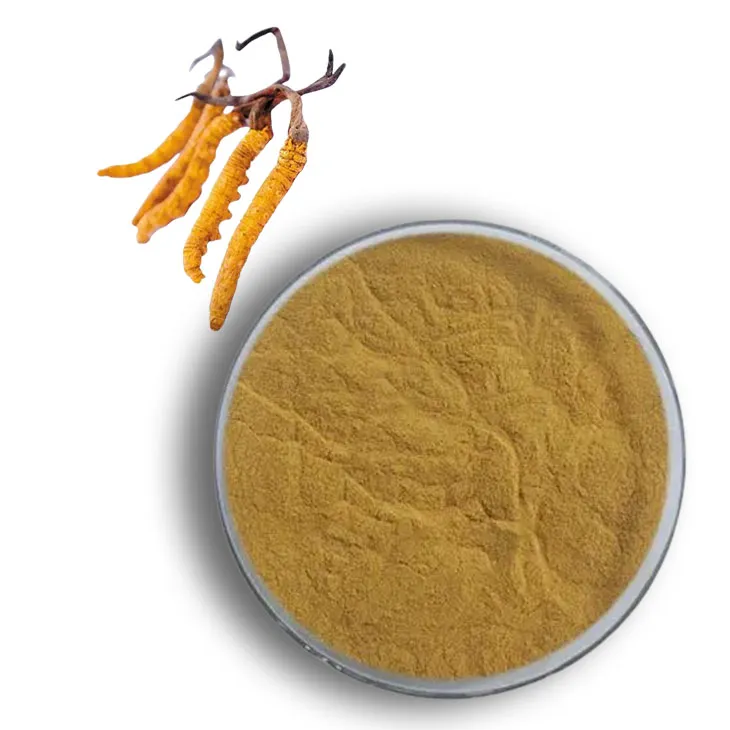
A. Sourcing from Multiple Manufacturers
Suppliers play a vital role in making Cordyceps Extract widely available in the market. They often source from multiple manufacturers to offer a diverse range of products. By collaborating with different manufacturers, suppliers can provide customers with a variety of Cordyceps Extracts with different characteristics, such as extracts from different cordyceps species, extracts with different extraction methods, and extracts with different levels of purity.
B. Ensuring Quality
Good suppliers are not only concerned with quantity but also with quality. They have a set of strict quality assessment criteria for the Cordyceps Extracts they source. This includes:
- Verifying the manufacturing processes of the manufacturers they work with. Suppliers should ensure that the manufacturers follow good manufacturing practices (GMP) and have proper quality control systems in place.
- Conducting their own independent quality tests on the products they receive. This helps to double - check the quality of the Cordyceps Extract and ensure that it meets their own quality standards as well as the requirements of their customers.
C. Providing Technical Support and Advice
Suppliers often have in - depth knowledge of the product, which enables them to provide technical support and advice to their customers. For example, they can offer guidance on the appropriate dosage of Cordyceps Extract for different health purposes, the best ways to store the product to maintain its stability, and how to incorporate Cordyceps Extract into various health products or dietary supplements.
IV. International Aspects
A. Keeping Up with the Latest Research Findings
In the international arena, both manufacturers and suppliers of Cordyceps Extract need to stay updated with the latest research findings. New research on cordyceps can uncover previously unknown health benefits or more efficient extraction methods. For example, recent studies have explored the potential of Cordyceps Extract in anti - aging and anti - cancer applications. By staying informed, manufacturers can develop new and improved products, and suppliers can better market these products to their customers.
B. Regulatory Requirements in Different Countries
Another important aspect for Cordyceps Extract manufacturers and suppliers in the international market is being aware of different regulatory requirements in various countries. Different countries have different regulations regarding the production, sale, and import/export of health products containing Cordyceps Extract.
- In some countries, Cordyceps Extract may be classified as a dietary supplement, and specific labeling requirements and safety standards need to be met. For example, the United States has strict regulations on dietary supplement labeling, which requires clear information about the ingredients, dosage, and potential side effects.
- In other countries, Cordyceps Extract may be considered a traditional medicine, and different regulatory frameworks may apply. For instance, in some Asian countries where cordyceps has a long history of use in traditional medicine, there may be specific regulations related to its quality control and clinical usage.
- Manufacturers and suppliers need to ensure seamless import and export of their products. This involves compliance with customs regulations, obtaining necessary import/export licenses, and providing accurate product documentation. Failure to comply with these regulations can lead to product seizures, fines, or even bans in international markets.
V. Conclusion
Cordyceps Extract manufacturers and suppliers are crucial components in the health and wellness industry. Manufacturers need to focus on the quality of the production process, from species selection to extraction and quality control. Suppliers, on the other hand, are responsible for sourcing high - quality products and providing support to customers. In the international market, both parties need to keep up with research and regulatory requirements to ensure the continued success and growth of the Cordyceps Extract business.
FAQ:
What are the key factors for manufacturers in the production of Cordyceps Extract?
Manufacturers need to carefully select the cordyceps species as different species may have different chemical compositions and efficacy. Also, they must precisely control parameters such as temperature, pressure, and solvent usage during the extraction process to maximize the extraction of active ingredients and minimize impurities.
Why are suppliers important in the Cordyceps Extract market?
Suppliers are essential for the widespread availability of Cordyceps Extract. They source from multiple manufacturers to offer a diverse range of products. Moreover, good suppliers are concerned with both quantity and quality, and they can provide technical support and advice to customers due to their in - depth knowledge of the product.
How do Cordyceps Extract manufacturers and suppliers keep up with international trends?
They need to stay updated with the latest research findings in the international arena. This helps them in product development and marketing. Also, they must be aware of different regulatory requirements in various countries to ensure seamless import and export of their products.
What should customers look for when choosing a Cordyceps Extract supplier?
Customers should look for suppliers that are concerned with both quantity and quality. A good supplier should have in - depth knowledge of the product and be able to provide technical support and advice. They should also source from reliable manufacturers.
How do manufacturers ensure the quality of Cordyceps Extract?
Manufacturers ensure quality by carefully selecting the cordyceps species and precisely controlling the extraction process parameters like temperature, pressure, and solvent usage. They also likely have quality control measures in place to check for impurities and ensure the proper concentration of active ingredients.
Related literature
- Cordyceps: A Comprehensive Review of Its Bioactive Compounds and Potential Health Benefits"
- "Production and Quality Control of Cordyceps Extract in the Modern Industry"
- "The Global Market of Cordyceps Extract: Manufacturers, Suppliers, and Regulatory Aspects"


-

Mulberry leaf Extract
2024-12-07
-

Peppermint Oil
2024-12-07
-

Hedyotis Diffusa Extract
2024-12-07
-

Tinospora cordifolia extract
2024-12-07
-

Chasteberry Extract
2024-12-07
-

N-Acetyl-L-cysteine(NAC)
2024-12-07
-

Lemon Balm Extract
2024-12-07
-

Red Date Extract
2024-12-07
-

S-Adenosyl L-methionine(SAMe)
2024-12-07
-

Shikonin
2024-12-07