


1. Chemical Composition of Curcumin
Curcumin, a remarkable bioactive compound, is a major constituent of turmeric. Its molecular structure is rather complex and is characterized by the presence of phenolic and methoxy groups. These groups are not just structural features but are integral to its biological activities. Phenolic groups in Curcumin are known for their ability to donate hydrogen atoms, which is crucial in its antioxidant functions. The methoxy groups, on the other hand, contribute to the compound's solubility and stability, as well as play a role in its interaction with biological molecules.
2. Antioxidant Properties of Curcumin
One of the most significant aspects of Curcumin is its antioxidant nature. In living organisms, cells are constantly exposed to harmful reactive oxygen species (ROS) and reactive nitrogen species (RNS). These are generated as by - products of normal cellular metabolism or due to external factors such as environmental pollutants, radiation, and certain drugs.
Curcumin can effectively neutralize these ROS and RNS. For example, it can scavenge free radicals like superoxide anions, hydroxyl radicals, and peroxynitrite. By doing so, it protects cells from oxidative damage, which is associated with a wide range of diseases including cancer, neurodegenerative disorders, and cardiovascular diseases. Oxidative damage at the cellular level can lead to DNA mutations, lipid peroxidation in cell membranes, and protein oxidation, all of which can disrupt normal cellular functions. Curcumin's antioxidant activity helps maintain the integrity of cells by preventing or reducing such damage.
3. Anti - Inflammatory Effects of Curcumin
In the medical field, Curcumin's anti - inflammatory effects are of great importance. Inflammation is a complex biological response of the body to harmful stimuli, such as pathogens, damaged cells, or irritants. It involves a cascade of events mediated by various molecules in the body.
Curcumin modulates the immune response by regulating cytokines. Cytokines are small proteins that play a crucial role in cell signaling during inflammation. For example, Curcumin can reduce the production of pro - inflammatory cytokines like interleukin - 1β (IL - 1β), interleukin - 6 (IL - 6), and tumor necrosis factor - α (TNF - α). It also regulates other inflammatory mediators such as prostaglandins and leukotrienes. By modulating these factors, Curcumin helps in reducing inflammation. This makes it a potential candidate for the treatment of various inflammatory diseases such as arthritis, inflammatory bowel disease, and asthma.
4. Role of Curcumin in Cardiovascular Health
Curcumin has also been extensively investigated for its potential benefits in cardiovascular health.
4.1 Cholesterol Level Reduction
One of the ways Curcumin may contribute to cardiovascular health is by helping in reducing cholesterol levels. High levels of cholesterol, particularly low - density lipoprotein (LDL) cholesterol, are a major risk factor for cardiovascular diseases. Curcumin has been shown to interfere with cholesterol absorption in the intestine and also promote the conversion of cholesterol into bile acids, which are then excreted from the body. This helps in maintaining a healthy cholesterol profile.

4.2 Endothelial Function Improvement
The endothelium is the inner lining of blood vessels. Improving endothelial function is crucial for cardiovascular health. Curcumin can enhance the production of nitric oxide (NO) in endothelial cells. Nitric oxide is a vasodilator, which means it helps in relaxing blood vessels, reducing blood pressure, and improving blood flow. By improving endothelial function, Curcumin can potentially reduce the risk of atherosclerosis, a condition characterized by the buildup of plaque in the arteries.

4.3 Platelet Aggregation Prevention
Platelet aggregation, or the clumping together of platelets, can lead to the formation of blood clots. Blood clots can block blood vessels and cause serious cardiovascular events such as heart attacks and strokes. Curcumin has been found to prevent platelet aggregation by inhibiting platelet activation. This anti - platelet activity further adds to its potential cardiovascular benefits.
5. Uses of Curcumin in the Food Industry
In the food industry, Curcumin has several important applications.

5.1 As a Natural Colorant
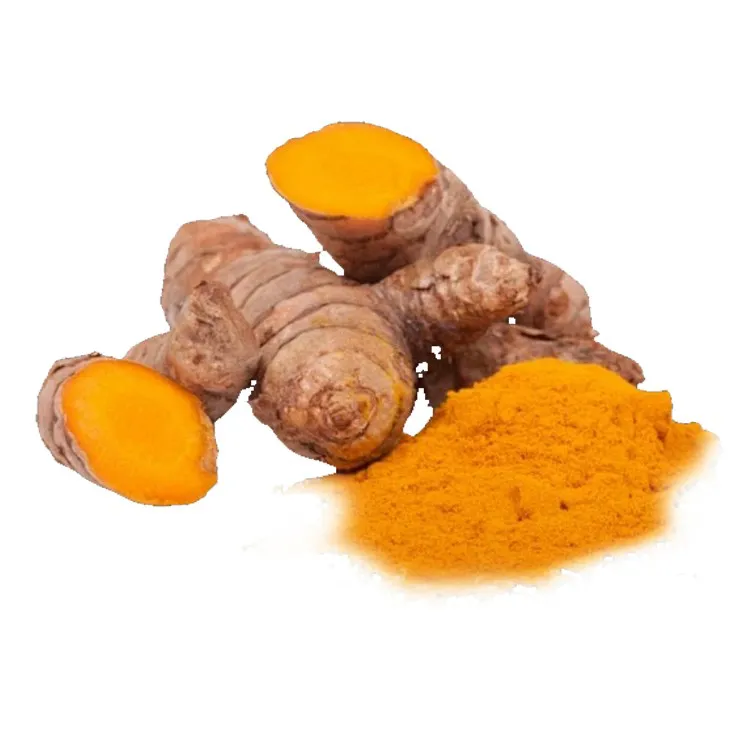
Curcumin is widely used as a natural colorant. It imparts a bright yellow - orange color to food products. This makes it a popular choice for coloring various foods and beverages. For example, it is used in the coloring of mustard, curry powders, and some dairy products. Compared to synthetic colorants, Curcumin is considered a safer and more natural alternative, especially for consumers who prefer natural ingredients in their food.
5.2 As a Preservative
Due to its antimicrobial properties, Curcumin is also used as a preservative in the food industry. It can inhibit the growth of various microorganisms such as bacteria, yeasts, and molds. By preventing microbial growth, Curcumin helps in extending the shelf - life of food products. This is particularly useful for perishable food items, reducing food waste and ensuring food safety.
6. Future Perspectives
Despite the numerous potential benefits of Curcumin, there are still some challenges associated with its use. One of the main challenges is its low bioavailability. Curcumin has poor solubility in water, which limits its absorption in the body. However, researchers are actively exploring ways to improve its bioavailability, such as by formulating it with other substances or using novel delivery systems.
Another area of future research is the exploration of Curcumin's potential in other health areas. For example, there is growing interest in its possible role in metabolic syndrome, diabetes prevention, and even in anti - aging. As more research is conducted, it is likely that the applications of Curcumin will expand, not only in the medical and food industries but also in other fields such as cosmetics and nutraceuticals.
FAQ:
What is the main composition of Curcumin?
Curcumin is a bioactive compound. Its molecular structure contains phenolic and methoxy groups.
How does Curcumin show its antioxidant nature?
It can neutralize harmful reactive oxygen species (ROS) and reactive nitrogen species (RNS), thus protecting cells from oxidative damage.
What are the anti - inflammatory effects of Curcumin?
It modulates the immune response by regulating cytokines and other inflammatory mediators.
How is Curcumin related to cardiovascular health?
It may help in reducing cholesterol levels, improving endothelial function, and preventing platelet aggregation.
Why is Curcumin used in the food industry?
It is used as a natural colorant and preservative in the food industry. Because of its antimicrobial properties, it can add color and extend the shelf - life of products.
Related literature
TAGS:


-

Lotus leaf extract
2024-12-11
-

Red Clover Extract
2024-12-11
-

Nutmeg Extract
2024-12-11
-

Green Tea Extract
2024-12-11
-

Maitake Mushroom Extract
2024-12-11
-

Vitamin K2
2024-12-11
-

Vitamin D3
2024-12-11
-

Epimedium extract powder
2024-12-11
-

Green coffee bean Extract
2024-12-11
-

L-carnitine
2024-12-11