


1. Introduction
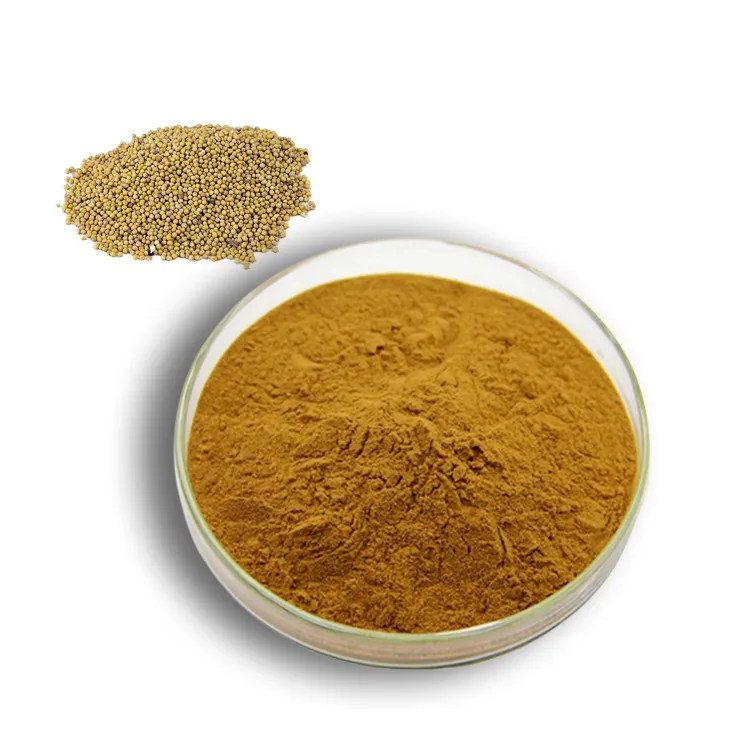
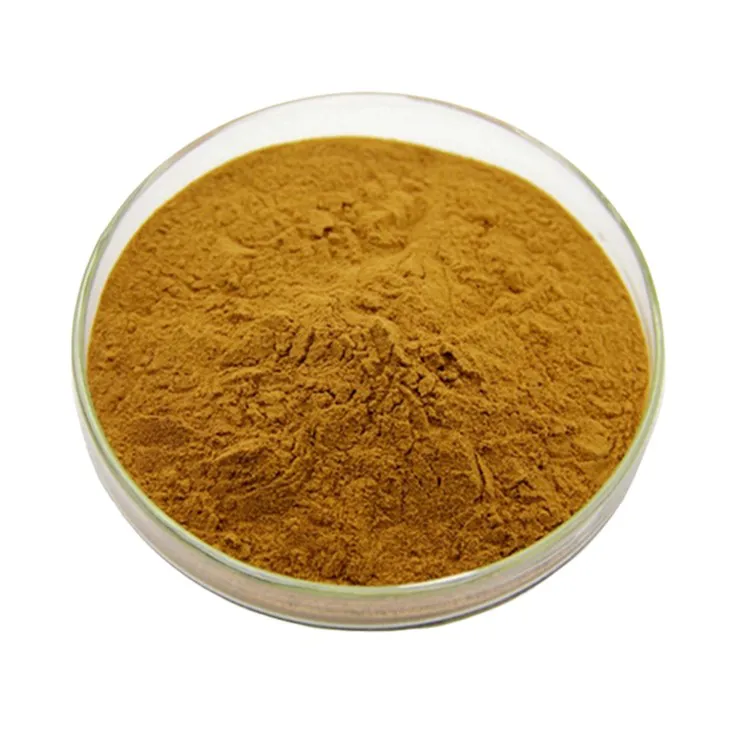
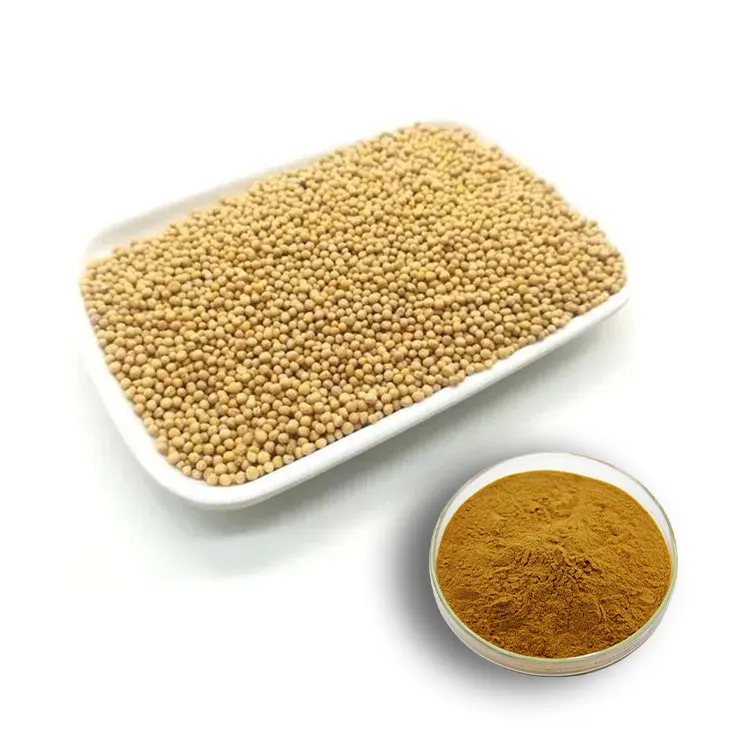
White mustard seed extract has emerged as a product with significant potential in various fields. The white mustard plant, scientifically known as Sinapis alba, has been used for centuries in traditional medicine and food applications. However, with modern research techniques, the focus has shifted towards extracting and harnessing the bioactive compounds present in its seeds for more diverse and sophisticated applications. These extract products are becoming increasingly important due to their potential to offer natural and sustainable solutions in areas such as agriculture, pharmaceuticals, and nutraceuticals.
2. Bioactive Compounds in White mustard seed extract
White mustard seed extract is rich in a variety of bioactive compounds, which contribute to its diverse applications.
2.1 Glucosinolates
One of the most prominent groups of compounds in White mustard seed extract is glucosinolates. Glucosinolates are sulfur - containing glycosides that play a crucial role in plant defense mechanisms. When the plant tissue is damaged, glucosinolates are hydrolyzed by an enzyme called myrosinase, resulting in the release of biologically active compounds such as isothiocyanates. These isothiocyanates have been shown to possess antimicrobial, anti - inflammatory, and antioxidant properties. In addition, they may also have potential in cancer prevention as they can modulate cellular processes related to carcinogenesis.
2.2 Proteins and Amino Acids
The extract also contains a significant amount of proteins and amino acids. Proteins in white mustard seeds are a valuable source of nutrition and can be used in dietary supplements. Amino acids such as methionine are present in relatively high amounts. Methionine is an essential amino acid that is important for various physiological functions in the body, including protein synthesis, methylation reactions, and antioxidant defense.
2.3 Fatty Acids
White mustard seed extract contains fatty acids, mainly oleic acid, which is a monounsaturated fatty acid. Oleic acid has been associated with various health benefits, such as reducing the risk of heart disease by improving lipid profiles. In addition, the presence of fatty acids in the extract can also affect its physical and chemical properties, making it suitable for certain applications in the cosmetic and pharmaceutical industries.
2.4 Minerals and Vitamins
The extract is also a source of minerals such as calcium, magnesium, and potassium, as well as vitamins like vitamin E. These nutrients are important for maintaining overall health and can contribute to the value of White mustard seed extract in nutraceutical products.
3. Extraction Process of White mustard seed extract
The extraction process is a critical step in obtaining high - quality White mustard seed extract. There are several methods available, each with its own advantages and limitations.

3.1 Solvent Extraction
Solvent extraction is one of the most commonly used methods. Organic solvents such as ethanol or hexane can be used to extract the bioactive compounds from white mustard seeds. Ethanol is a popular choice as it is relatively safe, and it can effectively extract a wide range of compounds. The process typically involves grinding the seeds into a fine powder, followed by soaking in the solvent for a certain period of time. After that, the mixture is filtered to separate the extract from the solid residue. However, the choice of solvent needs to be carefully considered as it can affect the purity and quality of the extract, and also has implications for environmental and safety aspects.
3.2 Supercritical Fluid Extraction
Supercritical fluid extraction (SFE) is a more advanced and environmentally friendly method. In this process, a supercritical fluid, usually carbon dioxide, is used as the extraction solvent. Carbon dioxide in its supercritical state has properties that are similar to both a gas and a liquid, which allows it to penetrate the plant material effectively and extract the desired compounds. SFE has several advantages over traditional solvent extraction, including a higher selectivity for specific compounds, no residue of toxic solvents, and a relatively mild extraction process that can preserve the bioactivity of the compounds. However, the equipment required for SFE is more expensive, which may limit its widespread application.
3.3 Enzyme - Assisted Extraction
Enzyme - assisted extraction is another approach. Enzymes can be used to break down the cell walls of white mustard seeds, making it easier to extract the bioactive compounds. For example, cellulases and proteases can be added to the extraction system. This method can increase the yield of the extract and may also improve the quality by reducing the degradation of the bioactive compounds. However, the use of enzymes requires careful optimization of the reaction conditions, such as temperature, pH, and enzyme concentration.
4. Applications in Agriculture
White mustard seed extract has shown great potential in the field of agriculture.
4.1 Natural Pesticide
As a natural pesticide, the bioactive compounds in White mustard seed extract, especially isothiocyanates, can have pesticidal effects against a wide range of pests. These compounds can disrupt the physiological processes of pests, such as their nervous system function or their ability to feed and reproduce. For example, in laboratory and field trials, White mustard seed extract has been shown to be effective against aphids, nematodes, and certain fungal pathogens. Using White mustard seed extract as a pesticide offers several advantages over synthetic pesticides. It is generally considered more environmentally friendly as it is biodegradable and has a lower impact on non - target organisms. Moreover, it can reduce the development of pesticide resistance in pests, which is a major problem associated with the overuse of synthetic pesticides.
4.2 Plant Growth Regulator
The extract can also act as a plant growth regulator. Some of the compounds in the extract can stimulate root growth, enhance nutrient uptake, and improve plant tolerance to environmental stresses such as drought and salinity. For instance, the presence of certain growth - promoting hormones or their precursors in the extract may influence the hormonal balance in plants, leading to increased growth and productivity. In addition, White mustard seed extract can also be used in organic farming systems, where the use of synthetic growth regulators is restricted.
5. Applications in the Pharmaceutical Industry
The pharmaceutical potential of White mustard seed extract is currently an area of active research.
5.1 Anti - Inflammatory Properties
The glucosinolates and their breakdown products in White mustard seed extract have been shown to possess anti - inflammatory properties. Inflammation is a key factor in many diseases, including arthritis, cardiovascular diseases, and certain autoimmune disorders. The extract can modulate the inflammatory response by inhibiting the production of pro - inflammatory cytokines and enzymes. For example, in vitro and in vivo studies have demonstrated that White mustard seed extract can reduce inflammation in animal models of arthritis, suggesting its potential as a therapeutic agent for this disease.
5.2 Antimicrobial Activity
White mustard seed extract also exhibits antimicrobial activity against a variety of bacteria, fungi, and viruses. The isothiocyanates and other bioactive compounds in the extract can disrupt the cell membranes or interfere with the metabolic processes of microorganisms. This antimicrobial activity makes it a potential candidate for the development of new antimicrobial drugs, especially in the face of the growing problem of antibiotic resistance. For example, it has been shown to be effective against some common hospital - acquired pathogens such as Staphylococcus aureus and Escherichia coli.
5.3 Potential in Cancer Treatment
Some studies have suggested that White mustard seed extract may have potential in cancer treatment. The isothiocyanates in the extract can induce apoptosis (programmed cell death) in cancer cells, inhibit tumor cell proliferation, and prevent the spread of cancer cells (metastasis). However, more research is needed to fully understand the mechanisms of action and to develop effective cancer therapies based on White mustard seed extract.
6. Applications in the Nutraceutical Field
In the nutraceutical field, White mustard seed extract offers a range of possibilities.
6.1 Dietary Supplements
Due to its rich content of proteins, amino acids, vitamins, and minerals, White mustard seed extract can be developed into dietary supplements. These supplements can be used to address specific nutritional deficiencies or to support overall health. For example, the presence of methionine can be beneficial for individuals with a low - protein diet or those who need additional support for methylation reactions in the body. The antioxidant properties of the extract can also contribute to its use as a dietary supplement for promoting healthy aging and preventing chronic diseases.
6.2 Functional Foods
White mustard seed extract can also be incorporated into functional foods. Functional foods are foods that not only provide basic nutrition but also offer additional health benefits. The extract can be added to products such as bread, cereals, or beverages to enhance their nutritional value and provide specific health - promoting properties. For example, adding White mustard seed extract to a breakfast cereal can increase its protein content and provide antioxidant protection.
7. Conclusion
White mustard seed extract products have a wide range of potential applications in agriculture, pharmaceuticals, and nutraceuticals. The rich bioactive compounds present in the extract, along with the development of efficient extraction processes, make it a valuable resource. However, further research is still needed to fully explore its potential, especially in terms of understanding the mechanisms of action of its bioactive compounds, optimizing the extraction and formulation processes, and conducting more extensive clinical trials in the pharmaceutical area. By addressing these aspects, we can hope to fully utilize the potential of White mustard seed extract products and contribute to more sustainable and health - promoting solutions in various industries.
FAQ:
What are the main bioactive compounds in White mustard seed extract?
White mustard seed extract is rich in various bioactive compounds. Some of the main ones include glucosinolates, which are sulfur - containing compounds. These glucosinolates can be enzymatically hydrolyzed to produce isothiocyanates, which have shown antioxidant, anti - inflammatory, and other bioactive properties. Additionally, it may also contain proteins, amino acids, and some phenolic compounds.
How is the extraction process of White mustard seed extract carried out?
The extraction process of White mustard seed extract typically involves several steps. First, the white mustard seeds are cleaned to remove impurities. Then, a suitable solvent is chosen, such as ethanol or water, depending on the target compounds. The seeds are then soaked or refluxed in the solvent for a certain period to allow the bioactive compounds to dissolve into the solvent. After that, filtration is carried out to separate the solid residues from the extract. Finally, the extract may be further purified through techniques like chromatography if a higher - purity product is desired.
How effective is White mustard seed extract as a natural pesticide?
White mustard seed extract can be quite effective as a natural pesticide. The bioactive compounds in it, especially the isothiocyanates, have pesticidal properties. They can act against a variety of pests, including insects, nematodes, and some fungal pathogens. For example, they can disrupt the normal physiological functions of insects, such as interfering with their feeding behavior or their reproduction. However, the effectiveness may vary depending on factors such as the concentration of the extract, the type of pest, and the application method.
What potential diseases can White mustard seed extract be used to treat in the pharmaceutical industry?
In the pharmaceutical industry, White mustard seed extract is being studied for its potential role in treating several diseases. Some research suggests that its anti - inflammatory properties may be beneficial for conditions such as arthritis. Also, due to its antioxidant properties, it may have potential in preventing or treating diseases related to oxidative stress, like some cardiovascular diseases. However, more research is still needed to fully understand its efficacy and safety in treating these diseases.
What are the benefits of White mustard seed extract as a dietary supplement?
As a dietary supplement, White mustard seed extract offers several benefits. Its antioxidant properties can help protect the body's cells from damage caused by free radicals. The anti - inflammatory effects may contribute to reducing chronic inflammation in the body. Additionally, it may provide some nutritional value in terms of the amino acids and other compounds it contains. However, it should be used in moderation and under proper medical or nutritional guidance.
Related literature
- Bioactive Compounds in White mustard seed extract and Their Health Benefits"
- "The Role of White mustard seed extract in Sustainable Agriculture: Pesticidal and Growth - Promoting Effects"
- "White mustard seed extract in Pharmaceutical Research: Current Findings and Future Prospects"


-

Okra Extract
2025-01-08
-

Hawthorn powder
2025-01-08
-

Chasteberry Extract
2025-01-08
-

Garcinia Cambogia Extract
2025-01-08
-

Citrus bioflavonoids
2025-01-08
-

Oyster Mushroom Extract Powder
2025-01-08
-

Astaxanthin
2025-01-08
-

Grapefruit Seed Extract Powder
2025-01-08
-

Passionflower Extract
2025-01-08
-

Wheat Germ Extract
2025-01-08