


1. Introduction
Mulberry leaves have been used for centuries in traditional medicine and beauty practices in many cultures. With the development of modern extraction techniques, Mulberry leaf Extracts are now widely used in both the food and cosmetic industries. However, food - grade and cosmetic - grade Mulberry leaf Extracts are not the same. They are designed for different purposes and have distinct characteristics.
2. Composition and Nutrients
2.1 Food - grade Mulberry leaf Extract
Food - grade Mulberry leaf Extract contains a variety of nutrients. One of the main components is flavonoids. Flavonoids in Mulberry leaf Extract are known for their antioxidant properties. They can help to neutralize free radicals in the body, which are associated with various diseases such as cancer and heart disease. Another important component is polysaccharides. Polysaccharides may play a role in enhancing the immune system. Additionally, alkaloids are also present in food - grade Mulberry leaf Extract. Some alkaloids have been studied for their potential in regulating blood sugar levels. For example, 1 - deoxynojirimycin (DNJ), an alkaloid in mulberry leaves, has been shown to inhibit the activity of certain enzymes related to carbohydrate digestion, thus helping in blood sugar control.

2.2 Cosmetic - grade Mulberry leaf Extract
Cosmetic - grade Mulberry leaf Extract also contains some of the same components as food - grade, but the focus is more on those components beneficial for the skin and hair. It still contains flavonoids, which are important for their antioxidant effect on the skin. Antioxidants can prevent skin damage caused by environmental factors such as UV radiation and pollution. In addition, cosmetic - grade extract may contain specific peptides or amino acids that are beneficial for skin elasticity and hydration. For example, some peptides can stimulate collagen production in the skin, which is crucial for maintaining a youthful appearance. There may also be components in cosmetic - grade extract that have anti - inflammatory properties, which can help to soothe irritated skin.
3. Purpose and Function
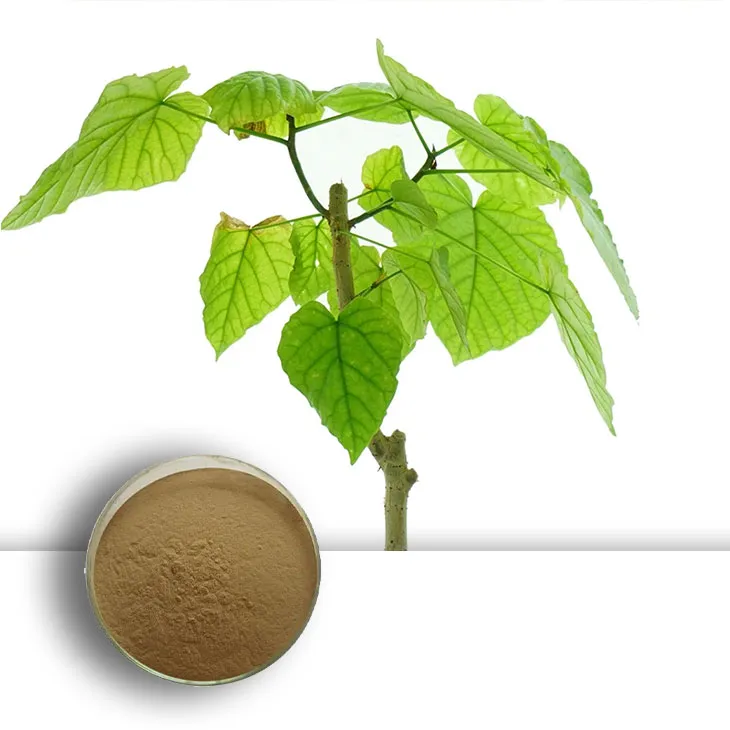
3.1 Food - grade Mulberry leaf Extract
The primary purpose of food - grade Mulberry leaf Extract is related to health promotion through consumption. As mentioned before, it can contribute to blood sugar regulation. This is especially important for people with diabetes or those at risk of developing diabetes. The antioxidant properties of the extract can also help to protect the body's cells from oxidative stress, which is linked to the aging process and the development of chronic diseases. Moreover, the potential immune - enhancing effect of the polysaccharides in the extract can help the body to fight off infections more effectively.
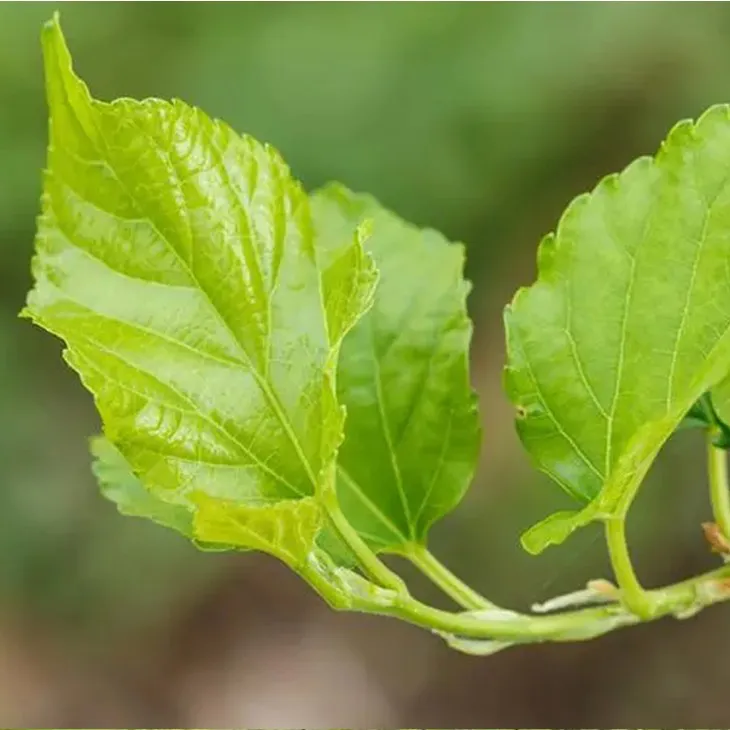
3.2 Cosmetic - grade Mulberry leaf Extract
Cosmetic - grade Mulberry leaf Extract is mainly used for improving the appearance and health of the skin and hair. In terms of skin, it can be used for anti - aging purposes. The antioxidants in the extract can reduce the appearance of wrinkles and fine lines by preventing the breakdown of collagen and elastin in the skin. It can also be used for skin brightening. Some components in the extract can inhibit the production of melanin, which is responsible for skin pigmentation. This can result in a more even skin tone. For hair, cosmetic - grade Mulberry leaf Extract can be used to improve hair strength and shine. It may also have a role in reducing dandruff and scalp inflammation.
4. Extraction and Processing
4.1 Food - grade Mulberry leaf Extract
The extraction process for food - grade Mulberry leaf Extract is mainly focused on obtaining the nutrients while ensuring safety for consumption. Usually, a solvent extraction method may be used. However, the solvents used must be food - safe, such as water or ethanol. After extraction, the extract may be further processed to remove impurities. This may include filtration and centrifugation steps. The final product needs to meet the safety and quality standards for food additives. For example, it should not contain any harmful substances such as heavy metals or pesticides above the permitted levels.
4.2 Cosmetic - grade Mulberry leaf Extract
Cosmetic - grade Mulberry leaf Extract often requires more refined extraction and processing methods. To preserve the active ingredients relevant to skincare, more gentle extraction techniques may be employed. For example, supercritical fluid extraction may be used, which can extract the desired components without using harsh solvents that could damage the active ingredients. After extraction, the cosmetic - grade extract typically undergoes more stringent purification processes. This is to ensure its compatibility with various cosmetic formulations. For instance, it needs to be free from any substances that could cause skin irritation or allergic reactions. It may also be formulated with other cosmetic ingredients to enhance its effectiveness, such as adding hyaluronic acid for better skin hydration or Vitamin C for enhanced antioxidant effect.
5. Quality Control and Standards
5.1 Food - grade Mulberry leaf Extract
For food - grade Mulberry leaf Extract, quality control is mainly centered around safety and nutritional value. Food safety regulations require that the extract be free from contaminants such as pathogens, heavy metals, and pesticides. In addition, the content of the main nutrients, such as flavonoids and polysaccharides, should be within a certain range. Manufacturers need to follow strict Good Manufacturing Practice (GMP) standards to ensure the quality of the product. This includes proper handling of raw materials, clean production facilities, and accurate labeling of the product with information such as ingredients, nutritional facts, and expiration date.
5.2 Cosmetic - grade Mulberry leaf Extract
Cosmetic - grade Mulberry leaf Extract has its own set of quality control standards. In addition to being free from harmful substances like heavy metals and allergens, it needs to meet certain cosmetic quality requirements. For example, it should have a certain level of purity to ensure its effectiveness in cosmetic products. The pH of the extract should also be within a suitable range for use in cosmetics. Cosmetic manufacturers also need to ensure that the extract is stable in different cosmetic formulations and does not cause any negative interactions with other ingredients. They need to conduct stability tests and compatibility tests during the product development process.
6. Market and Consumer Considerations
6.1 Food - grade Mulberry leaf Extract
Food - grade Mulberry leaf Extract is mainly targeted at consumers who are interested in natural health products. It may be used as an ingredient in functional foods, such as dietary supplements or health - promoting beverages. Consumers who are concerned about blood sugar control, antioxidant intake, or immune system enhancement may choose products containing food - grade Mulberry leaf Extract. In the market, food - grade extract products need to be clearly labeled with information about their ingredients, functions, and usage instructions. This helps consumers to make informed decisions.
6.2 Cosmetic - grade Mulberry leaf Extract
Cosmetic - grade Mulberry leaf Extract is aimed at consumers who are concerned about skin and hair care. It is used in a wide range of cosmetic products, including creams, lotions, serums, and shampoos. Consumers who are looking for anti - aging, skin - brightening, or anti - inflammatory skincare products may be attracted to those containing cosmetic - grade Mulberry leaf Extract. In the cosmetic market, the marketing of products containing this extract often focuses on highlighting its natural origin and the specific benefits for the skin and hair. However, consumers also need to be aware of potential allergens in cosmetic products and should check the ingredient list carefully.
7. Conclusion
In conclusion, while both food - grade and cosmetic - grade Mulberry leaf Extracts are derived from mulberry leaves, they have significant differences. Food - grade extract is more concerned with safety for consumption and health - promoting properties, while cosmetic - grade extract focuses on benefits for skin and hair. The extraction methods, quality control standards, and market considerations for the two types of extracts also vary. Understanding these differences can help both manufacturers and consumers to make more appropriate choices in the production and use of Mulberry leaf Extract - based products.
FAQ:
1. What are the main components in food - grade Mulberry leaf Extract?
Food - grade Mulberry leaf Extract mainly contains nutrients such as flavonoids, polysaccharides, and alkaloids.
2. How does cosmetic - grade Mulberry leaf Extract contribute to anti - aging?
Cosmetic - grade Mulberry leaf Extract contains certain active ingredients. These ingredients can help in anti - aging by, for example, reducing oxidative stress on the skin, promoting collagen production, or protecting skin cells from damage.
3. Are the extraction methods for food - grade and cosmetic - grade Mulberry leaf Extracts completely different?
No, they are not completely different. However, cosmetic - grade often uses more refined and gentle techniques. This is mainly to preserve the active ingredients relevant to skincare better, while food - grade extraction focuses more on obtaining the beneficial nutrients for consumption.
4. Why does cosmetic - grade Mulberry leaf Extract need more stringent purification processes?
Because it needs to ensure its compatibility with various cosmetic formulations and avoid any potential adverse reactions on the skin. Skin is more sensitive compared to the digestive system, so a higher standard of purification is required for cosmetic - grade extract.
5. Can food - grade Mulberry leaf Extract be used in cosmetics?
While food - grade Mulberry leaf Extract contains some beneficial ingredients, it may not be suitable for direct use in cosmetics. Cosmetic - grade extract is specifically processed to meet the requirements of cosmetic applications, such as skin compatibility and targeted functions for skin and hair.
Related literature
- Mulberry leaf Extract in Food and Cosmetics: A Comprehensive Review"
- "Differentiation of Mulberry leaf Extracts for Different Applications: Food and Cosmetics"


-

Fig Extract
2024-12-12
-

Sophora Flavescens Root Extract
2024-12-12
-

Bitter Melon Extract
2024-12-12
-

Saw Palmetto Extract
2024-12-12
-

Licorice Root Extract Powder
2024-12-12
-

Rosemary extract
2024-12-12
-

Quercetin
2024-12-12
-

Pueraria Lobata Extract
2024-12-12
-
Mulberry leaf Extract
2024-12-12
-

Thunder God Vine Extract
2024-12-12