


1. Introduction
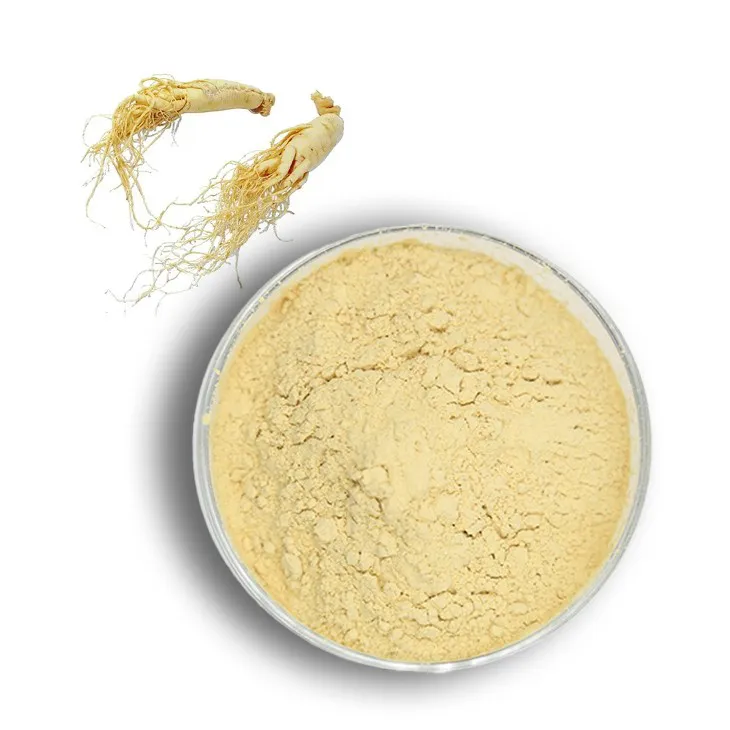
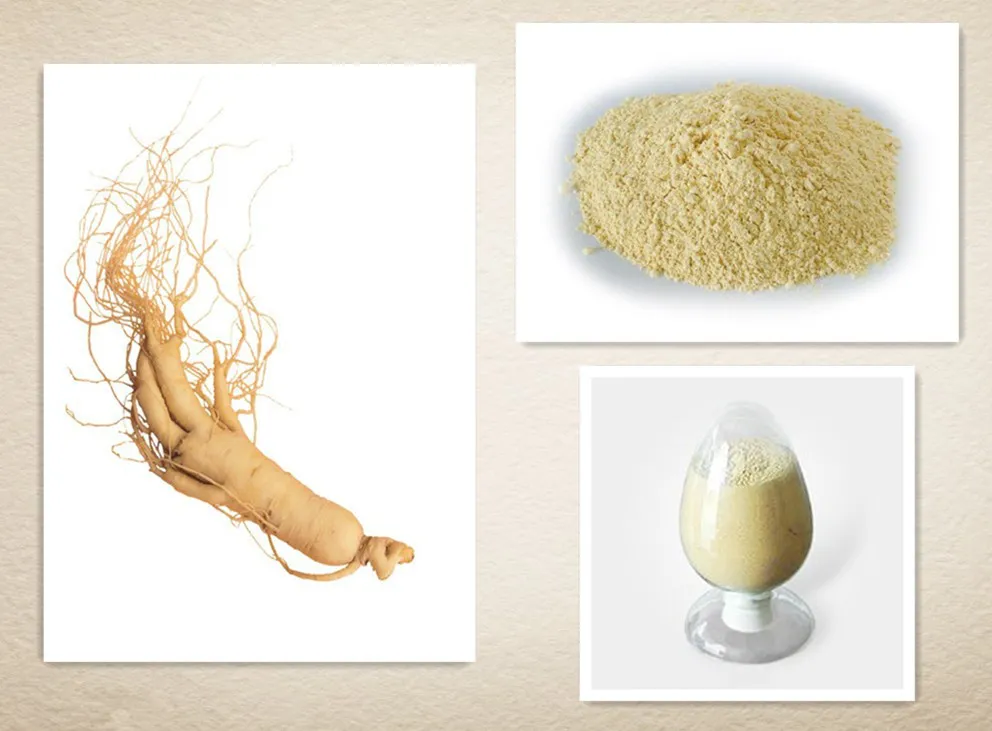
Ginseng has been highly valued in traditional medicine systems for centuries. Ginseng Root Extract is rich in a variety of bioactive compounds, such as ginsenosides, which are believed to have numerous health benefits. Understanding the extraction and distillation methods of Ginseng Root Extract is crucial for fully exploring its potential in various fields, including medicine, cosmetics, and the food industry.
2. Traditional Extraction Methods
2.1 Decoction
- Prepare the materials: Select high - quality ginseng roots and clean them thoroughly to remove any dirt or impurities.
- Cut and crush: Cut the ginseng roots into small pieces or crush them to increase the surface area for better extraction.
- Boil with water: Place the cut or crushed ginseng in a pot and add an appropriate amount of water. Bring the water to a boil and then simmer for a certain period, usually several hours. For example, it may be simmered for 2 - 3 hours.
- Filter: After simmering, use a filter, such as a fine - mesh sieve or cheesecloth, to separate the liquid extract from the solid residue.
2.2 Maceration
- Prepare the raw materials: Similar to the decoction method, start with clean and properly prepared ginseng roots.
- Immerse in solvent: Place the ginseng roots in a suitable solvent, such as alcohol (ethanol is commonly used). The ratio of ginseng to solvent should be determined according to the desired concentration. For example, a ratio of 1:5 (ginseng:solvent) can be used.
- Soak for a period: Let the ginseng soak in the solvent for an extended period, which can range from days to weeks. During this time, the solvent gradually extracts the active compounds from the ginseng root.
- Filter: After the soaking period, filter the mixture to obtain the macerated extract.
3. Modern Extraction Methods

3.1 Supercritical Fluid Extraction (SFE)
- Principle: Supercritical fluid extraction utilizes a supercritical fluid, usually carbon dioxide (CO₂), as the extraction solvent. At supercritical conditions (specific temperature and pressure), CO₂ has properties between a gas and a liquid, which allows it to penetrate the ginseng root matrix effectively and dissolve the target compounds.
- Procedure:
- Place the prepared ginseng roots in the extraction vessel.
- Adjust the temperature and pressure to the supercritical state of CO₂. For example, the typical temperature may be around 40 - 60 °C, and the pressure can be in the range of 10 - 30 MPa.
- The supercritical CO₂ is then passed through the ginseng roots, extracting the active compounds.
- After extraction, by changing the pressure and temperature conditions, the CO₂ can be easily separated from the extract, leaving behind a pure Ginseng Root Extract.
- Advantages:
- It is a clean and environmentally friendly method as CO₂ is non - toxic, non - flammable, and easily recyclable.
- Can selectively extract specific compounds, resulting in a high - quality extract with a relatively high concentration of desired components.
- Minimizes the degradation of heat - sensitive and oxygen - sensitive compounds compared to traditional extraction methods.

3.2 Ultrasonic - Assisted Extraction (UAE)
- Mechanism: Ultrasonic - assisted extraction uses ultrasonic waves to create cavitation bubbles in the extraction solvent. When these bubbles collapse, they generate intense local pressure and temperature changes, which help to break the cell walls of the ginseng roots and release the internal active compounds into the solvent more effectively.
- Steps:
- Prepare the ginseng roots and the extraction solvent (such as ethanol - water mixture) in an appropriate container.
- Immerse an ultrasonic probe or place the container in an ultrasonic bath.
- Apply ultrasonic waves for a specific period, usually ranging from 15 - 60 minutes, depending on the extraction conditions and the amount of ginseng.
- After ultrasonic treatment, filter the mixture to obtain the extract.
- Benefits:
- Significantly reduces the extraction time compared to traditional methods like maceration.
- Can increase the extraction yield of active compounds, especially for those that are difficult to extract by conventional means.
- Is a relatively simple and cost - effective method that can be easily scaled up for industrial production.

3.3 Microwave - Assisted Extraction (MAE)
- How it works: Microwave - assisted extraction uses microwave energy to heat the extraction system. The microwaves interact with the polar molecules in the ginseng roots and the solvent, causing rapid heating and creating internal pressure within the plant cells. This internal pressure helps to rupture the cell walls and release the active compounds into the solvent.
- Process:
- Put the ginseng roots and the solvent (such as a water - based solvent or a mixture of water and alcohol) in a microwave - compatible container.
- Place the container in a microwave oven and apply microwaves at a specific power level and for a certain time. For example, a power level of 300 - 600 watts may be used for 5 - 15 minutes, depending on the sample amount and the extraction requirements.
- After microwave treatment, cool the mixture and then filter it to obtain the Ginseng Root Extract.
- Advantages:
- Is very fast, often taking only a few minutes to complete the extraction process, which is much shorter than traditional methods.
- Can achieve high extraction efficiency, especially for heat - stable compounds.
- Reduces the consumption of solvents compared to some other extraction methods.
4. Distillation Methods for Ginseng Root Extract
4.1 Steam Distillation
- Set up the apparatus: A steam distillation setup typically consists of a distillation flask, a condenser, and a receiving flask. The Ginseng Root Extract or the raw material containing the extract is placed in the distillation flask.
- Generate steam: Steam is introduced into the distillation flask. This can be done by boiling water in a separate flask and passing the steam through a tube into the distillation flask containing the ginseng material.
- Distill the components: The steam causes the volatile components in the ginseng extract to vaporize. These vapors then pass through the condenser, where they are cooled and condensed back into a liquid, which is collected in the receiving flask.
- Separate and collect: The distilled components can be further separated if necessary, and the desired fractions of the Ginseng Root Extract can be collected for further use or analysis.
4.2 Vacuum Distillation
- Equipment and setup: A vacuum distillation system includes a distillation flask, a vacuum pump, a condenser, and a receiving flask. The Ginseng Root Extract is placed in the distillation flask, and the system is sealed.
- Create a vacuum: The vacuum pump is used to reduce the pressure inside the system. Lowering the pressure reduces the boiling point of the components in the ginseng extract, which allows for more gentle distillation, especially for heat - sensitive compounds.
- Distillation process: As the pressure is reduced, the components in the ginseng extract start to vaporize at lower temperatures. The vapors are then condensed in the condenser and collected in the receiving flask.
- Benefits:
- It is suitable for distilling compounds that are easily decomposed at high temperatures. By reducing the pressure, the distillation can be carried out at a lower temperature, minimizing the degradation of heat - sensitive components.
- Can improve the separation efficiency of different components in the Ginseng Root Extract, as the lower pressure can change the relative volatility of the components.
5. Applications of Ginseng Root Extract Obtained by Different Methods
- In medicine: Ginseng Root Extract has been used in traditional medicine for its potential adaptogenic, immunomodulatory, and anti - fatigue properties. Modern research also suggests its potential in treating various diseases such as diabetes, cardiovascular diseases, and neurodegenerative disorders. Different extraction and distillation methods can affect the composition and activity of the extract, so choosing the appropriate method is important for obtaining effective medicinal products.
- In cosmetics: Ginseng Root Extract is often added to cosmetics for its antioxidant, anti - aging, and skin - nourishing properties. For example, extracts obtained by ultrasonic - assisted extraction may contain a higher concentration of antioxidant compounds, which can be beneficial for formulating anti - aging creams.
- In the food industry: Ginseng Root Extract can be used as a natural flavor enhancer or a functional ingredient in food products. Steam - distilled extracts may contribute unique flavors to food, while supercritical fluid - extracted extracts can provide a more concentrated form of bioactive compounds for functional food development.
6. Conclusion
There are various extraction and distillation methods for Ginseng Root Extract, each with its own advantages and limitations. Traditional methods such as decoction and maceration are simple but may have lower efficiency and selectivity. Modern methods like supercritical fluid extraction, ultrasonic - assisted extraction, and microwave - assisted extraction offer higher efficiency, selectivity, and faster extraction times. Distillation methods, including steam distillation and vacuum distillation, are important for further purifying and separating the components of the extract. Understanding these methods and their applications can help in the optimal utilization of Ginseng Root Extract in different industries and for different purposes.
FAQ:
What are the traditional extraction methods of Ginseng Root Extract?
Traditional extraction methods of Ginseng Root Extract mainly include maceration and decoction. Maceration involves soaking the ginseng root in a solvent (such as ethanol or water) for a long time to allow the active components to dissolve into the solvent. Decoction is a method of boiling ginseng root in water for a certain period, and then collecting the extract. These traditional methods are relatively simple but may have lower extraction efficiency compared to modern methods.
What are the modern extraction methods for Ginseng Root Extract?
Modern extraction methods for Ginseng Root Extract include supercritical fluid extraction (SFE), ultrasonic - assisted extraction (UAE), and microwave - assisted extraction (MAE). SFE uses supercritical fluids (usually carbon dioxide) as solvents under specific pressure and temperature conditions to extract active components. UAE utilizes ultrasonic waves to enhance the mass transfer process during extraction, increasing the extraction efficiency. MAE uses microwaves to heat the sample and solvent rapidly, facilitating the extraction of active substances from ginseng root.
How does the distillation process work in obtaining Ginseng Root Extract?
Distillation in the context of Ginseng Root Extract is mainly used to separate and purify volatile components. In the distillation process, the Ginseng Root Extract is heated, and the volatile components are vaporized. These vapors are then condensed and collected. Different distillation techniques, such as steam distillation or fractional distillation, can be applied depending on the nature of the components to be isolated. For example, steam distillation is often used to extract essential oils from ginseng root, which are important components with potential pharmacological activities.
What are the advantages of modern extraction methods over traditional ones for Ginseng Root Extract?
Modern extraction methods for Ginseng Root Extract have several advantages over traditional methods. Firstly, they usually have higher extraction efficiency, which means more active components can be obtained in a shorter time. Secondly, modern methods often provide better selectivity, enabling the isolation of specific active components more precisely. For example, supercritical fluid extraction can be adjusted to target certain compounds. Thirdly, modern methods are generally more environmentally friendly, as they may use less solvent or generate less waste compared to traditional methods.
What are the potential benefits of Ginseng Root Extract obtained through these extraction and distillation methods?
The Ginseng Root Extract obtained through these methods may have various potential benefits. It is often associated with enhancing immunity, improving cognitive function, having antioxidant properties, and potentially being beneficial for cardiovascular health. These benefits are mainly attributed to the presence of active components such as ginsenosides, polysaccharides, and flavonoids in the Ginseng Root Extract. The extraction and distillation methods play a crucial role in obtaining these active components in an effective and pure form.
Related literature
- Advanced Extraction Techniques for Ginseng Components"
- "The Distillation and Purification of Ginseng Extracts: A Review"
- "Traditional and Modern Methods of Ginseng Root Extract Preparation: A Comparative Study"


-

Dragon Fruit Powder
2024-12-09
-

Cranberry Extract
2024-12-09
-

L-Cysteine
2024-12-09
-

Purple Sweet Potato Extract
2024-12-09
-

L-Arginine alpha-ketoglutarate
2024-12-09
-

Kelp Extract Powder
2024-12-09
-

Berberis aristata Extract
2024-12-09
-

Polygonum Cuspidatum Extract
2024-12-09
-

White Peony Extract
2024-12-09
-

Tormentil Extract
2024-12-09