


1. Introduction
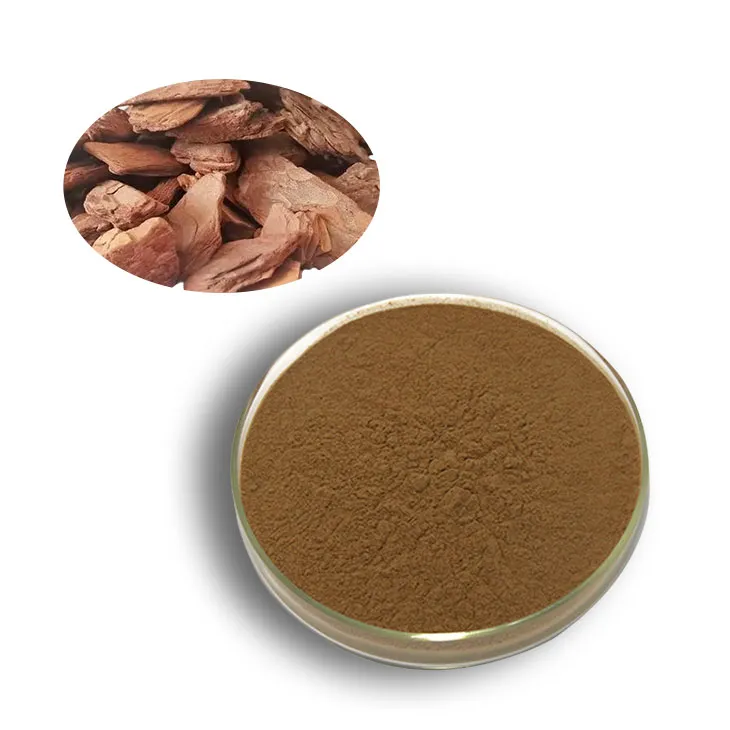
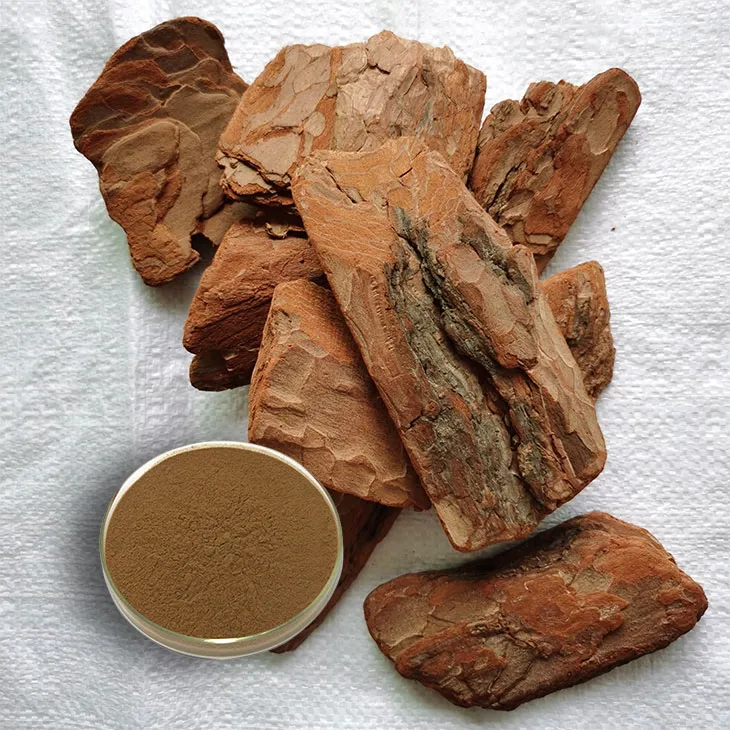
Pine bark Extract Powder has gained significant attention in various industries, including the pharmaceutical, cosmetic, and food sectors, due to its rich content of bioactive compounds. Understanding the extraction and distillation methods is crucial for obtaining high - quality Pine bark Extract Powder. This article will explore these methods in detail, considering aspects such as chemical composition changes during the processes and the optimization of extraction efficiency.
2. Chemical Composition of Pine Bark
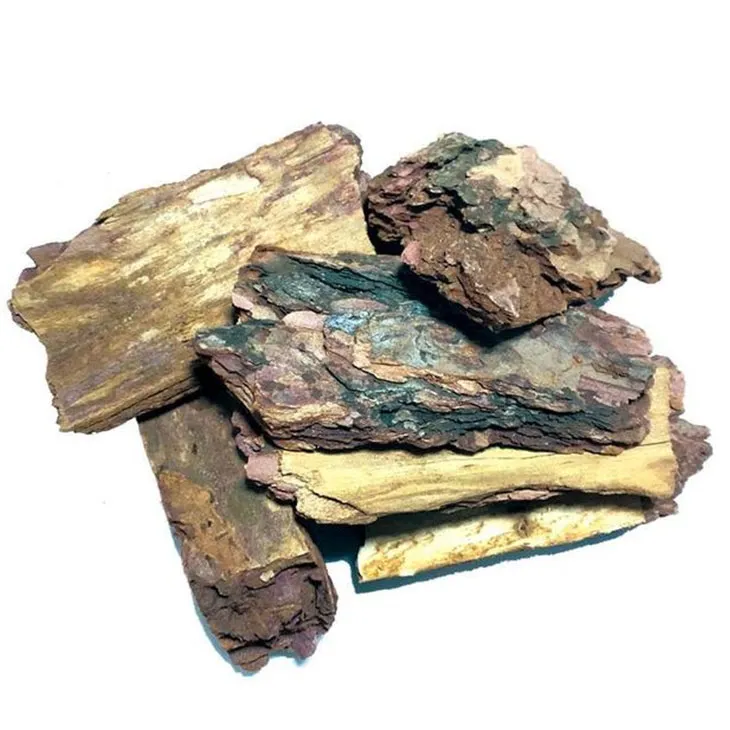
Before delving into the extraction and distillation methods, it is essential to understand the chemical composition of pine bark. Pine bark contains a variety of compounds, including proanthocyanidins, phenolic acids, flavonoids, and lignans.
- Proanthocyanidins are oligomers and polymers of flavan - 3 - ol units and are known for their antioxidant properties.
- Phenolic acids, such as ferulic acid and p - coumaric acid, contribute to the overall antioxidant and anti - inflammatory activities of pine bark extract.
- Flavonoids, like Quercetin and kaempferol, play a role in various biological activities, including antioxidant, anti - allergic, and anti - cancer effects.
- Lignans are also present in pine bark and have potential health - promoting properties.
3. Extraction Methods
3.1 Solvent Extraction
Solvent extraction is one of the most commonly used methods for extracting bioactive compounds from pine bark. The choice of solvent is crucial as it affects the extraction efficiency and the quality of the extract.
- Ethanol is a popular solvent for pine bark extraction. It has the ability to dissolve a wide range of compounds, including proanthocyanidins and phenolic acids. The extraction process typically involves mixing pine bark powder with ethanol in a specific ratio, usually at a certain temperature and for a defined period of time. For example, a common extraction may use 70% ethanol, with a bark - to - solvent ratio of 1:10, at a temperature of 50 - 60°C for 2 - 4 hours.
- Water can also be used as a solvent, especially for extracting water - soluble compounds such as some flavonoids. However, water extraction may result in a lower extraction yield compared to ethanol extraction for some hydrophobic compounds.
- Other solvents like acetone and ethyl acetate have been explored, but they may have some limitations, such as toxicity concerns or lower selectivity for certain compounds.
3.2 Supercritical Fluid Extraction (SFE)
Supercritical fluid extraction is a more advanced and environmentally friendly extraction method. In this method, a supercritical fluid, usually carbon dioxide (CO₂), is used as the extraction solvent.
- The supercritical CO₂ has properties between a gas and a liquid, which gives it unique solvating power. It can penetrate into the pine bark matrix more effectively compared to traditional solvents.
- The extraction process is carried out under specific pressure and temperature conditions. For example, typical pressure conditions range from 100 - 400 bar, and the temperature is usually around 40 - 60°C.
- One of the advantages of SFE is that it can be easily controlled by adjusting the pressure and temperature, allowing for the selective extraction of specific compounds. Also, since CO₂ is a non - toxic and non - flammable gas, it is a safer option compared to some organic solvents.
4. Chemical Composition Changes during Extraction
During the extraction process, the chemical composition of pine bark undergoes certain changes. These changes are influenced by factors such as the extraction method, solvent type, and extraction conditions.
- When using solvent extraction, the solubility of different compounds in the solvent determines which compounds are preferentially extracted. For example, in ethanol extraction, proanthocyanidins are usually the main compounds extracted due to their relatively high solubility in ethanol.
- In supercritical fluid extraction, the change in pressure and temperature can affect the selectivity of the extraction. As the pressure increases, the solubility of different compounds in supercritical CO₂ changes, leading to a different composition of the extract.
- Some compounds may also undergo chemical reactions during extraction. For instance, phenolic acids may be oxidized to some extent, especially under harsher extraction conditions. This can affect the antioxidant activity of the final extract.
5. Distillation Methods
5.1 Simple Distillation
Simple distillation is a basic distillation method that can be used to separate volatile components from the pine bark extract. In this method, the extract is heated, and the volatile components are vaporized and then condensed and collected.
- The extract is placed in a distillation flask and heated gently. As the temperature rises, the volatile compounds with lower boiling points start to vaporize.
- The vapor is then passed through a condenser, where it is cooled and condensed back into a liquid form.
- However, simple distillation has limitations. It is not very effective for separating components with close boiling points, and it may also cause some loss of non - volatile but important compounds in the extract.
5.2 Fractional Distillation
Fractional distillation is a more advanced distillation method that can be used to separate components with closer boiling points. It uses a fractionating column to achieve better separation.
- The fractionating column provides multiple stages of vapor - liquid equilibria, allowing for a more precise separation of components. As the vapor rises through the column, it undergoes repeated condensation and vaporization processes, which helps to separate the components based on their boiling points.
- For pine bark extract, fractional distillation can be used to separate different volatile compounds, such as essential oils and some low - molecular - weight phenolic compounds, more effectively compared to simple distillation.
- However, fractional distillation requires more complex equipment and careful control of operating conditions, such as the reflux ratio and the heating rate.
6. Optimization of Extraction Efficiency
Optimizing extraction efficiency is crucial for obtaining high - quality Pine bark Extract Powder in a cost - effective manner.
- Particle Size of Pine Bark: Reducing the particle size of pine bark can increase the surface area available for extraction. Finer pine bark powder can lead to better contact between the bark and the solvent, resulting in a higher extraction yield. However, too fine a powder may also cause problems such as clogging during extraction.
- Extraction Time and Temperature: Finding the optimal extraction time and temperature is essential. Longer extraction times may increase the yield, but it may also lead to the extraction of unwanted compounds or the degradation of desired compounds. Similarly, higher temperatures can increase the solubility of compounds, but excessive heat may cause thermal degradation.
- Solvent - to - Bark Ratio: Adjusting the ratio of solvent to bark can also affect the extraction efficiency. A higher solvent - to - bark ratio may result in a higher extraction yield, but it also increases the cost and the amount of solvent to be removed during subsequent processing steps.
7. Conclusion
In conclusion, the extraction and distillation methods play a vital role in the production of pine bark extract powder. Understanding the chemical composition of pine bark, choosing the appropriate extraction and distillation methods, and optimizing the extraction efficiency are all important factors for obtaining high - quality Pine bark Extract Powder with desired bioactive properties. Further research is still needed to continuously improve these processes and explore new applications of Pine bark Extract Powder in various industries.
FAQ:
Q1: What are the common extraction methods for Pine bark Extract Powder?
There are several common extraction methods for Pine bark Extract Powder. One is the solvent extraction method, which typically uses solvents like ethanol or water to dissolve and extract the active components from the pine bark. Another method is supercritical fluid extraction. Supercritical carbon dioxide can be used as a solvent in this case. It has the advantage of being able to extract components at a relatively mild temperature and pressure, which can better preserve the activity of the components.
Q2: How does the chemical composition change during the distillation process of Pine bark Extract Powder?
During the distillation process of Pine bark Extract Powder, the chemical composition may change in several ways. Volatile compounds may be removed or concentrated. For example, some low - boiling - point organic compounds may be evaporated first. If the distillation is carried out under certain conditions, some chemical reactions may also occur. For instance, hydrolysis or oxidation reactions might take place, which can lead to the transformation of some components. Some phenolic compounds may be oxidized, and their chemical structures may be altered, thereby affecting their antioxidant and other properties.
Q3: What factors can affect the extraction efficiency of Pine bark Extract Powder?
Several factors can influence the extraction efficiency of Pine bark Extract Powder. The choice of solvent is crucial. Different solvents have different solubility for the active components in pine bark. The particle size of the pine bark also matters. Smaller particle sizes generally increase the surface area exposed to the solvent, which can enhance the extraction efficiency. Temperature and extraction time are important factors as well. Higher temperatures usually increase the solubility of the components, but if the temperature is too high, it may cause degradation of some active components. Longer extraction times may lead to more complete extraction, but it also may introduce impurities.
Q4: How can the extraction efficiency of Pine bark Extract Powder be optimized?
To optimize the extraction efficiency of Pine bark Extract Powder, first, the appropriate solvent should be selected based on the properties of the target components. For example, if phenolic compounds are the main target, solvents with good solubility for phenolic compounds can be chosen. The particle size of the pine bark can be reduced to an appropriate level through grinding. Temperature and extraction time need to be carefully controlled. A response surface methodology can be used to design experiments to find the optimal combination of these factors. Additionally, the use of ultrasound - assisted extraction or microwave - assisted extraction techniques can also improve the extraction efficiency.
Q5: Are there any safety considerations during the extraction and distillation of Pine bark Extract Powder?
Yes, there are safety considerations during the extraction and distillation of Pine bark Extract Powder. When using solvents, especially organic solvents such as ethanol, proper ventilation is necessary to prevent the accumulation of flammable and toxic vapors. In the distillation process, the equipment should be properly maintained to ensure that it can withstand the pressure and temperature changes. Workers should be trained to handle the chemicals and equipment correctly to avoid accidents such as burns or chemical exposures.
Related literature
- Extraction and Characterization of Bioactive Compounds from Pine Bark"
- "Optimization of Pine Bark Extract Production: A Review of Extraction and Distillation Processes"
- "Chemical Changes in Pine Bark during Extraction and Distillation for Extract Powder Preparation"


-

Aged Garlic Extract
2024-12-13
-

Hericium erinaceus extract powder
2024-12-13
-

Lotus leaf extract
2024-12-13
-

Rosemary extract
2024-12-13
-

Grape Seed Extract Powder
2024-12-13
-

Black Pepper Extract
2024-12-13
-

Baicalin
2024-12-13
-

Mangosteen extract powder
2024-12-13
-

Ginseng Root Extract
2024-12-13
-

L-Arginine alpha-ketoglutarate
2024-12-13