


1. Introduction
The market for Ginkgo Biloba Extract has been growing steadily over the years, and is expected to continue its growth trajectory until 2032. This extract, derived from the Ginkgo Biloba tree, has a wide range of applications in the pharmaceutical, nutraceutical, and cosmetic industries. Understanding the market size, share, and forecast for this extract is crucial for industry players, investors, and researchers alike.
2. Factors Influencing the Ginkgo Biloba Extract Market
2.1 Raw Material Availability
The availability of raw materials, i.e., Ginkgo Biloba leaves, is a significant factor affecting the market. Ginkgo Biloba trees are mainly cultivated in China, South Korea, and some parts of Europe. Fluctuations in the production of these trees due to factors such as climate change, pests, and diseases can impact the supply of the extract. For instance, if there is a drought in the major cultivation regions, the yield of Ginkgo Biloba leaves may decrease, leading to a reduction in the extract production. Moreover, the quality of the raw materials also plays a role. High - quality leaves are required to produce a pure and effective extract.
2.2 Technological Advancements
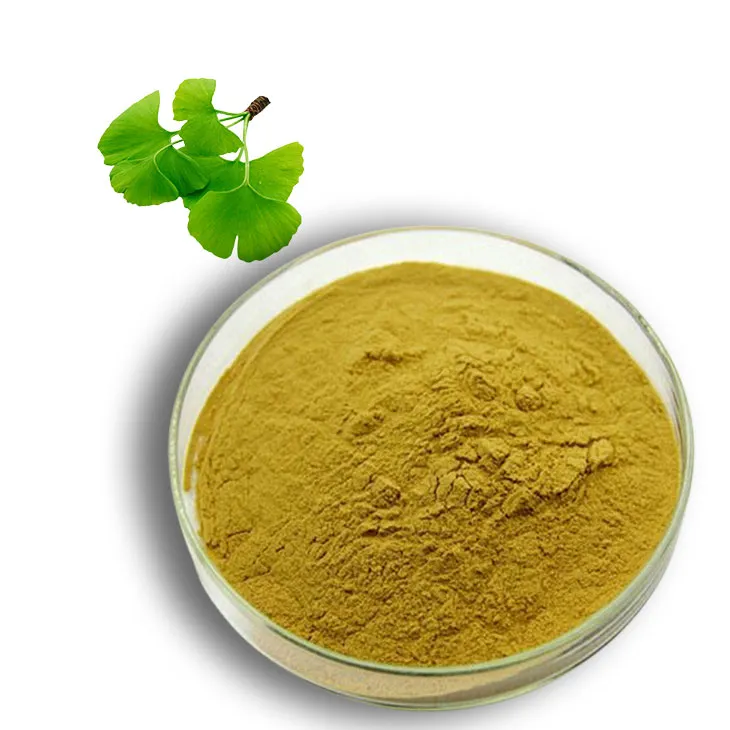
Technological advancements have had a profound impact on the Ginkgo Biloba Extract market. New extraction techniques have been developed to improve the efficiency and purity of the extract. For example, supercritical fluid extraction has emerged as a popular method as it can produce a high - quality extract with minimal solvent residue. This not only meets the strict quality requirements of the pharmaceutical and nutraceutical industries but also enhances the marketability of the extract. Additionally, advancements in analytical techniques allow for better quality control and standardization of the extract, ensuring its safety and efficacy.
2.3 Regulatory Environment
The regulatory environment also shapes the Ginkgo Biloba Extract market. Different countries have different regulations regarding the use, production, and marketing of herbal extracts. In some regions, strict regulations are in place to ensure the safety and quality of products containing Ginkgo Biloba Extract. For example, in the European Union, herbal products are subject to specific directives that govern their composition, labeling, and advertising. Compliance with these regulations is essential for market access and can influence the market share of companies operating in this sector.
3. Regional Market Dynamics

3.1 Asia - Pacific
The Asia - Pacific region is a major player in the Ginkgo Biloba Extract market. China, being the largest producer of Ginkgo Biloba, has a significant influence on the regional market. In addition to production, there is also a growing domestic demand for Ginkgo Biloba - based products, driven by the increasing awareness of traditional Chinese medicine. Other countries in the region, such as South Korea and Japan, also contribute to the market. South Korea has a vibrant nutraceutical industry that utilizes Ginkgo Biloba Extract, while Japan has a long - standing tradition of using herbal remedies, which includes products containing this extract.

3.2 Europe
Europe is another important region in the Ginkgo Biloba Extract market. The region has a high demand for natural and herbal products, especially in the pharmaceutical and cosmetic sectors. Countries such as Germany and France are leading consumers of Ginkgo Biloba - based products. The well - developed regulatory framework in Europe ensures the quality and safety of these products, which in turn promotes the growth of the market. However, competition from other herbal extracts and synthetic alternatives also exists in this region.
3.3 North America
In North America, the Ginkgo Biloba Extract market has been growing steadily. The increasing popularity of alternative medicine and the growing awareness of the health benefits of Ginkgo Biloba Extract have driven the market. The United States, in particular, has a large market for nutraceuticals and dietary supplements, where Ginkgo Biloba Extract is widely used. Canada also has a growing market for these products, although on a smaller scale compared to the United States.
4. Competitive Landscape
4.1 Key Players
The Ginkgo Biloba Extract market is highly competitive, with several key players operating globally. These companies are involved in activities such as raw material cultivation, extraction, and product formulation. Some of the well - known players include Indena, Naturex, and Schwabe. These companies have a strong brand presence, advanced production technologies, and extensive distribution networks. They invest heavily in research and development to improve product quality, develop new applications, and gain a competitive edge in the market.
4.2 Market Strategies
To compete in the Ginkgo Biloba Extract market, companies adopt various strategies. One common strategy is product differentiation. Companies strive to develop unique formulations of Ginkgo Biloba Extract - based products, targeting specific consumer needs. For example, some companies may develop products for cognitive health, while others may focus on cardiovascular health. Another strategy is cost leadership. By optimizing their production processes and supply chains, companies aim to reduce costs and offer competitive prices. Additionally, companies also engage in marketing and promotional activities to increase brand awareness and market share.
5. Market Size and Share Analysis
The market size of the Ginkgo Biloba Extract has been growing steadily over the past few years. In terms of volume, the production and consumption of the extract have increased due to the expanding applications in various industries. In terms of value, the market has also witnessed growth, driven by factors such as rising prices of high - quality extracts and increasing demand for premium products. The market share is distributed among different players, with the key players mentioned earlier having a significant portion. However, new entrants are also emerging, especially in the developing regions, which may gradually change the market share distribution in the future.
6. Forecast until 2032
Looking ahead to 2032, the Ginkgo Biloba Extract market is expected to continue its growth trend. The increasing demand for natural and herbal products, driven by the growing health - consciousness of consumers, will be a major driver. Technological advancements will further improve the quality and efficacy of the extract, expanding its applications. However, challenges such as raw material availability and regulatory compliance will also need to be addressed. In the Asia - Pacific region, the market is likely to grow significantly, especially in countries like China and India, where the population is large and the awareness of traditional medicine is high. In Europe and North America, the market will also experience growth, albeit at a relatively slower pace, due to the saturation of some segments and intense competition.
7. Conclusion
The Ginkgo Biloba Extract market is a dynamic and growing market with significant potential until 2032. Factors such as raw material availability, technological advancements, regional market dynamics, and the competitive landscape all play important roles in shaping the market. Industry players need to stay updated with these factors and adapt their strategies accordingly to succeed in this market. Investors can also find opportunities in this market, especially in emerging regions and in companies that are innovating in terms of product development and production technologies.
FAQ:
What are the main factors affecting the Ginkgo Biloba Extract market size?
The main factors include raw material availability. If there is a shortage of Ginkgo Biloba as the raw material, it will limit the production and thus affect the market size. Technological advancements also play a role. New extraction technologies may improve the efficiency and quality of Ginkgo Biloba Extract, which can influence the market size either by increasing production capacity or by enhancing the product's competitiveness. Consumer demand is another key factor. If the demand for products containing Ginkgo Biloba Extract, such as dietary supplements or herbal medicines, rises or falls, it will directly impact the market size.
How does technological advancement impact the Ginkgo Biloba Extract market?
Technological advancements have a multi - faceted impact on the Ginkgo Biloba Extract market. Firstly, advanced extraction techniques can increase the yield of the extract from the raw Ginkgo Biloba, which may lead to a greater supply in the market. Secondly, new technologies can improve the purity and quality of the extract. This makes the product more attractive to consumers and gives manufacturers a competitive edge. For example, if a new technology can remove impurities more effectively or preserve the active ingredients better, it can enhance the reputation and marketability of Ginkgo Biloba Extract products.
What are the regional market dynamics of the Ginkgo Biloba Extract market?
Different regions have diverse market dynamics for Ginkgo Biloba Extract. In some regions like Asia, where Ginkgo Biloba is native in some areas, there may be a relatively stable supply of raw materials. Also, traditional medicine usage in Asia might contribute to a higher acceptance and demand for Ginkgo Biloba Extract - based products. In Europe and North America, regulatory policies play a significant role. Stringent regulations regarding the safety and efficacy of herbal products can either promote or restrict the market development. Moreover, consumer awareness and preferences vary across regions. In some regions, consumers may be more health - conscious and more likely to use Ginkgo Biloba Extract products, while in others, the market penetration may be lower.
Who are the major competitors in the Ginkgo Biloba Extract market?
The major competitors in the Ginkgo Biloba Extract market include pharmaceutical companies that produce Ginkgo Biloba - based drugs and dietary supplement manufacturers. Some well - known pharmaceutical companies with a significant presence in the market may have advantages in terms of research and development capabilities, quality control, and brand recognition. Dietary supplement manufacturers, on the other hand, often target a broader consumer base with a variety of Ginkgo Biloba - based products. They compete on factors such as product formulation, price, and marketing strategies. Additionally, companies that are vertically integrated, i.e., those involved in both raw material sourcing and product manufacturing, may also have a competitive edge as they can better control the supply chain and cost.
What is the future trend of the Ginkgo Biloba Extract market until 2032?
Until 2032, the Ginkgo Biloba Extract market is likely to see several trends. There may be an increasing focus on research to discover new applications and health benefits of Ginkgo Biloba Extract. This could lead to the development of new products and expansion of the market. The market may also witness a shift in consumer preferences towards more natural and plant - based products, which could favor Ginkgo Biloba Extract. However, challenges such as regulatory changes and competition from other herbal or synthetic alternatives may also impact the market. Additionally, sustainability in raw material sourcing could become a more important consideration, and companies that can ensure a sustainable supply of Ginkgo Biloba may gain a competitive advantage.
Related literature
- The Potential of Ginkgo Biloba Extract in Modern Medicine"
- "Ginkgo Biloba Extract: From Traditional Use to Marketable Products"
- "Analysis of the Ginkgo Biloba Extract Supply Chain and Its Impact on the Market"


-

Almond Extract Powder
2024-12-07
-

Apple Vinegar Powder
2024-12-07
-

White mustard seed extract
2024-12-07
-

Aguaje Extract
2024-12-07
-

Coenzyme Q10
2024-12-07
-

Chasteberry Extract
2024-12-07
-

Mulberry leaf Extract
2024-12-07
-

Green Tea Extract
2024-12-07
-

Cassia Seed Extract
2024-12-07
-

Rutin
2024-12-07