


1. Introduction
In the ever - evolving world of organic food manufacturing, the search for natural ingredients that can enhance multiple aspects of food quality is a continuous process. Ginseng Root Extract has emerged as a remarkable component with far - reaching implications for the industry. This extract, derived from the ginseng root, a plant known for its numerous health benefits in traditional medicine, is now making waves in the realm of organic food production. It is not only adding value in terms of nutrition but also revolutionizing the color, texture, and preservation of organic foods.
2. Ginseng Root Extract: An Overview
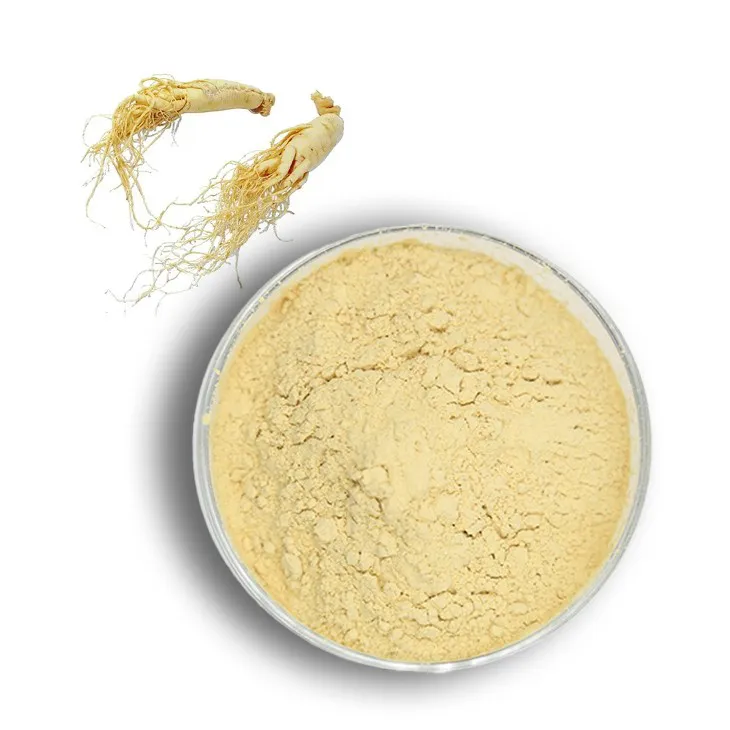
Ginseng, a perennial plant, has been used for centuries in Asian traditional medicine. The root of the ginseng plant is rich in a variety of bioactive compounds. These include ginsenosides, polysaccharides, flavonoids, and phenolic compounds. The extraction process of Ginseng Root Extract aims to isolate these beneficial compounds. Modern extraction techniques ensure that the extract retains its potency and purity.
2.1 Ginsenosides
Ginsenosides are the most studied and characteristic components of Ginseng Root Extract. They are triterpene saponins and are known for their antioxidant, anti - inflammatory, and immunomodulatory properties. In the context of organic food manufacturing, these properties can play a significant role in enhancing the quality and shelf - life of food products.
2.2 Polysaccharides
Ginseng Root Extract also contains polysaccharides. These complex carbohydrates have been associated with various biological activities, such as improving immunity and providing prebiotic effects. In organic foods, they can contribute to texture improvement and also have potential implications for food preservation.
3. Influence on Color
One of the most notable impacts of Ginseng Root Extract on organic food is its effect on color.

3.1 Natural Pigment Stabilization
Many organic foods, such as fruits and vegetables, contain natural pigments. However, these pigments can be unstable during processing and storage. Ginseng Root Extract can act as a natural pigment stabilizer. For example, in the case of berry - based organic products, the extract can help maintain the vibrant red, blue, or purple colors. This is due to the antioxidant properties of the ginsenosides and flavonoids present in the extract. These compounds can prevent the oxidation of pigments, which is often the cause of color fading.

3.2 Color Enhancement
In addition to stabilizing colors, Ginseng Root Extract can also enhance the color of organic foods. In baked goods made with organic flours, the addition of the extract can give a golden - brown hue that is more appealing. This is likely due to the Maillard reaction - enhancing properties of some of the compounds in the extract. The Maillard reaction is responsible for the browning and flavor development in foods during baking and cooking.
4. Impact on Texture
Texture is a crucial aspect of food quality, and Ginseng Root Extract has been found to have several positive effects on the texture of organic foods.

4.1 Moisture Retention
Organic foods, especially those with a high water content such as fresh produce and certain dairy products, are prone to moisture loss during storage. Ginseng Root Extract can help improve moisture retention. The polysaccharides in the extract can form a gel - like network that holds water molecules, preventing them from evaporating. This results in a longer - lasting freshness and a better - textured product. For example, in organic tomatoes, the addition of Ginseng Root Extract can keep them plump and juicy for a longer period.
4.2 Structure Reinforcement
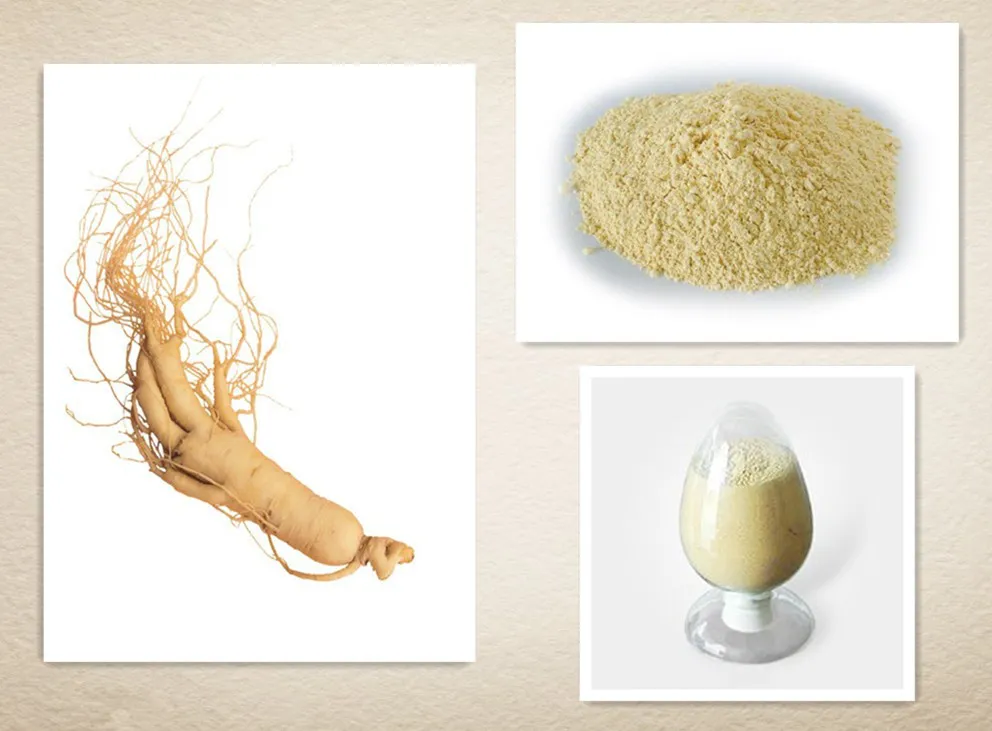
In processed organic foods like bread and pasta, Ginseng Root Extract can reinforce the structure. The proteins and polysaccharides in the extract interact with the existing food components, making the structure more stable. This can lead to a firmer texture in bread and a more elastic texture in pasta, which are highly desirable characteristics in these products.
5. Role in Preservation
The preservation of organic foods is a major concern for manufacturers and consumers alike. Ginseng Root Extract offers several solutions in this regard.
5.1 Antimicrobial Activity
The bioactive compounds in Ginseng Root Extract, particularly ginsenosides, possess antimicrobial properties. They can inhibit the growth of spoilage - causing bacteria, fungi, and yeasts. In organic meat products, for example, the addition of the extract can extend the shelf - life by preventing the growth of harmful microorganisms. This reduces the need for artificial preservatives, which is in line with the principles of organic food production.
5.2 Antioxidant - Mediated Preservation
As mentioned earlier, the antioxidant properties of Ginseng Root Extract are significant. Oxidation is a major cause of food spoilage, leading to rancidity in fats, browning in fruits and vegetables, and loss of nutritional value. By scavenging free radicals, the extract can slow down the oxidation process. In organic oils and fats, such as olive oil, the addition of Ginseng Root Extract can maintain their freshness and quality for a longer time.
6. Why Ginseng Root Extract is Becoming an Essential Element in the Organic Food Industry
There are several reasons for the growing importance of Ginseng Root Extract in the organic food industry.
- Consumer Demand for Natural Ingredients: In recent years, consumers have become more health - conscious and are actively seeking organic foods with natural ingredients. Ginseng Root Extract, being a natural product with a long history of use in traditional medicine, meets this demand.
- Sustainable and Environment - Friendly: Ginseng can be cultivated using sustainable agricultural practices. This makes it an attractive option for the organic food industry, which places a high emphasis on environmental sustainability.
- Versatility in Application: The extract can be used in a wide range of organic food products, from fresh produce to processed foods. Its multi - faceted benefits in terms of color, texture, and preservation make it a versatile ingredient.
- Regulatory Compatibility: In most regions, Ginseng Root Extract is considered a natural and safe ingredient for use in food. This regulatory acceptance facilitates its use in the organic food manufacturing process.
7. Conclusion
Ginseng Root Extract has proven to be a game - changer in organic food production. Its influence on color, texture, and preservation is multi - faceted and significant. As the organic food industry continues to grow and evolve, the demand for natural ingredients like Ginseng Root Extract is likely to increase. Manufacturers who recognize the potential of this extract can gain a competitive edge by incorporating it into their products. With further research and development, the applications of Ginseng Root Extract in the organic food industry are expected to expand even further, revolutionizing the way we produce and consume organic foods.
FAQ:
1. How does Ginseng Root Extract influence the color of organic food?
Ginseng Root Extract can influence the color of organic food in several ways. It may contain certain compounds that interact with pigments present in the food. For example, it could enhance the natural color of fruits or vegetables by protecting the chromophores from degradation. It might also react chemically with other components in the food matrix to produce a more stable and appealing color. Additionally, its antioxidant properties can prevent oxidative browning, which helps in maintaining the original color of the food for a longer period.
2. In what ways does Ginseng Root Extract affect the texture of organic food?
Ginseng Root Extract can affect the texture of organic food. It might have an impact on the structural integrity of the food. For instance, it could interact with the cell walls of plant - based foods. If it contains polysaccharides or other macromolecules, it may contribute to a more cohesive or firm texture. It could also influence the water - holding capacity of the food, which in turn affects the overall texture. In some cases, it may prevent the breakdown of texture - related components, such as proteins or starches, thereby maintaining a desirable texture during storage and processing.
3. Why is Ginseng Root Extract important for the preservation of organic food?
Ginseng Root Extract is important for the preservation of organic food due to its antioxidant and antimicrobial properties. The antioxidants present in the extract can scavenge free radicals, which are responsible for oxidative damage in food. By reducing oxidative reactions, it can prevent rancidity in fats, spoilage of fruits and vegetables, and deterioration of other food components. Its antimicrobial properties can inhibit the growth of bacteria, fungi, and other microorganisms that cause food spoilage. This dual action helps in extending the shelf - life of organic food.
4. Are there any potential drawbacks or limitations of using Ginseng Root Extract in organic food manufacturing?
There could be some potential drawbacks. One limitation is the cost associated with obtaining high - quality Ginseng Root Extract. It may be relatively expensive compared to other preservatives or additives. There could also be issues related to standardization. Since Ginseng Root Extract can vary in composition depending on the source and extraction method, ensuring consistent quality and performance in food applications can be a challenge. Additionally, in some cases, it may impart a distinct flavor or odor to the food, which might not be desirable for all types of organic products.
5. How is Ginseng Root Extract incorporated into organic food during the manufacturing process?
Ginseng Root Extract can be incorporated into organic food in different ways. It can be added directly as a liquid or powder form during mixing or blending operations. For example, in the production of organic baked goods, it can be added to the dough along with other ingredients. In the case of beverages, it can be dissolved and added to the liquid phase. It can also be used in coatings or encapsulations for food items to provide a protective layer. The specific method of incorporation depends on the type of food product and the desired effect of the Ginseng Root Extract.
Related literature
- The Role of Natural Extracts in Organic Food Preservation"
- "Ginseng Root Extract: Chemical Composition and Its Impact on Food Quality"
- "Innovations in Organic Food Texture Modification using Botanical Extracts"


-
Ginseng Root Extract
2025-01-10
-

Stevia Extract
2025-01-10
-

Jujube Extract
2025-01-10
-

Nettle leaf extract
2025-01-10
-

Horse Chestnut Extract
2025-01-10
-

Mulberry Extract
2025-01-10
-

Grape Leaf Extract
2025-01-10
-

Saw Palmetto Extract
2025-01-10
-

Maca Extract
2025-01-10
-

Citrus Aurantii Extract
2025-01-10