


1. Introduction
Lemon Extract is a versatile and valuable substance that can be used in various applications, including cooking, baking, making beverages, and in some cases, for its potential health benefits. However, to fully enjoy its properties, it is crucial to ensure that you obtain high - quality Lemon Extract. This article will explore the different aspects involved in achieving this, from selecting the right lemons to proper extraction methods and quality control.
2. Selecting the Right Lemons
2.1. Source and Origin
The source of the lemons is an important factor in obtaining high - quality Lemon Extract. Lemons that are grown in regions with favorable climates and soil conditions tend to be of better quality. For example, lemons from the Mediterranean region are often highly regarded for their flavor and juiciness. When purchasing lemons, look for information about their origin. Organic lemons can also be a good choice as they are grown without the use of synthetic pesticides and fertilizers, which may potentially affect the purity of the extract.
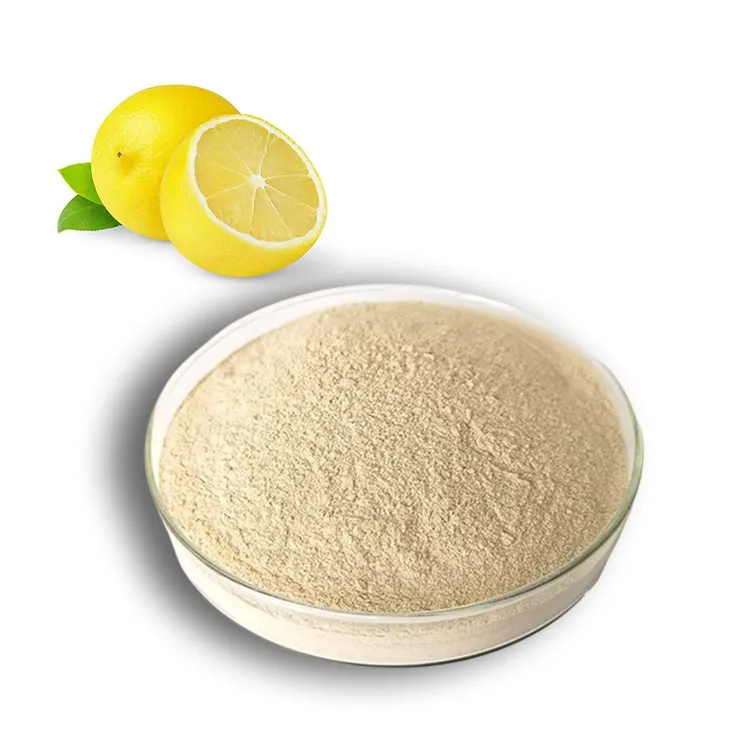
2.2. Appearance and Freshness
When choosing lemons for extract, pay close attention to their appearance. Fresh lemons should have a bright, shiny skin. Avoid lemons with blemishes, soft spots, or wrinkled skin, as these may indicate that the fruit is overripe or has started to decay. The size of the lemon can also vary, but generally, medium - sized lemons are a good choice as they are likely to have a good balance of juice and flavor.

2.3. Variety
There are different varieties of lemons available, and each may have slightly different characteristics in terms of flavor and acidity. The most common variety is the Eureka lemon, which has a good balance of tartness and sweetness. Meyer lemons, on the other hand, are known for their sweeter and more floral flavor. Consider the intended use of the Lemon Extract when choosing the variety. For example, if you are making a tart or a dish that requires a more pronounced lemon flavor, the Eureka lemon may be a better choice.
3. Proper Extraction Methods

3.1. Manual Extraction
One of the simplest ways to extract lemon juice for making extract is through manual extraction.
- Start by washing the lemons thoroughly under running water to remove any dirt or residue.
- Cut the lemon in half crosswise. You can use a sharp knife for this step.
- Use a citrus juicer or a simple hand - held reamer to extract the juice from the lemon halves. If using a reamer, hold the lemon half firmly in one hand and twist the reamer into the flesh of the lemon, squeezing out the juice into a container.
- Once you have extracted the juice, you can strain it through a fine - mesh sieve to remove any pulp or seeds. This will result in a purer lemon juice base for the extract.

3.2. Mechanical Extraction
For larger - scale extraction or if you want a more efficient process, mechanical extraction methods can be used.
- A citrus press is a common mechanical device used for Lemon Extraction. These presses can extract a large amount of juice quickly and with relatively little effort. To use a citrus press, simply place the lemon half into the press and squeeze the handles together.
- Electric juicers can also be used for Lemon Extraction. These are especially useful if you need to extract juice from a large number of lemons. However, it is important to note that some electric juicers may heat up during the process, which could potentially affect the quality of the juice. To minimize this risk, choose a juicer with a slow - speed option if possible.
3.3. Solvent - Based Extraction
In some cases, solvent - based extraction methods may be used to obtain Lemon Extract, especially for commercial production or for extracting certain compounds from the lemon. However, this method requires more careful handling as solvents can be dangerous if not used properly.
- Ethanol is a commonly used solvent in Lemon Extract production. The process involves soaking the lemon peel or other parts of the lemon in ethanol to extract the desired compounds.
- After the soaking period, the mixture is filtered to separate the liquid extract from the solid parts of the lemon. The solvent is then evaporated under controlled conditions to obtain a concentrated Lemon Extract.
- It is crucial to follow safety regulations when using solvents for extraction. This includes working in a well - ventilated area and using appropriate protective equipment such as gloves and goggles.
4. Quality Control
4.1. Purity and Concentration
High - quality Lemon Extract should have a high level of purity. This means that it should be free from contaminants such as pesticides, heavy metals, and other impurities. Testing for purity can be done through various methods, including laboratory analysis. In addition to purity, the concentration of the extract is also important. The concentration can affect the flavor and effectiveness of the extract in different applications. For example, a more concentrated Lemon Extract may be preferred for certain baking recipes where a strong lemon flavor is desired.
4.2. Flavor and Aroma
The flavor and aroma of the Lemon Extract are key indicators of its quality. A high - quality extract should have a fresh, citrusy, and characteristic lemon flavor. Any off - flavors or strange aromas may indicate that the extract has been poorly made or has deteriorated. Tasting the extract can be a simple way to assess its flavor, but it is also important to consider how the flavor will interact with other ingredients in the intended application. For example, in a beverage, the Lemon Extract should enhance the overall taste without overpowering other flavors.
4.3. Shelf - Life and Storage
Understanding the shelf - life of Lemon Extract and proper storage conditions is essential for maintaining its quality. Lemon Extract typically has a limited shelf - life, especially if it is not stored properly.
- Store Lemon Extract in a cool, dark place away from direct sunlight. Exposure to heat and light can cause the extract to deteriorate more quickly.
- If the extract is in a bottle, make sure the bottle is tightly sealed to prevent air from entering. Oxygen can cause oxidation of the extract, leading to changes in flavor and quality.
- Check the expiration date on the product. Although some Lemon Extracts may still be usable after the expiration date if they have been stored properly, it is generally best to follow the manufacturer's recommendations.
5. Conclusion
Obtaining high - quality Lemon Extract requires attention to several factors, including the selection of the right lemons, proper extraction methods, and quality control. By carefully considering these aspects, you can ensure that you have a pure, effective, and flavorful Lemon Extract for various uses, whether it be in cooking, baking, or for other applications. Remember to always prioritize quality when it comes to Lemon Extract, as it can greatly enhance the final product.
FAQ:
What are the characteristics of good - quality lemons for Lemon Extract?
Good - quality lemons for Lemon Extract should be fresh, firm, and free from blemishes. They should have a bright, yellow color which indicates ripeness. Organic lemons are often a better choice as they are less likely to contain pesticides. Lemons that are fully ripe tend to have a more intense flavor, which is desirable for a high - quality extract.
What are the common proper extraction methods?
One common method is cold - pressing. This involves squeezing the lemons without using heat to preserve the volatile oils and flavor compounds. Another method is using a steam distillation process, which can be more effective in extracting the essential oils from the lemon peel. Maceration, where the lemon parts are soaked in a solvent (such as alcohol) for a period of time, is also used to obtain the extract.
How can we ensure the purity of Lemon Extract during the extraction process?
To ensure purity, start with clean lemons. Wash them thoroughly before extraction. Use high - quality equipment that is clean and free from contaminants. If using a solvent for extraction, ensure that it is of food - grade quality. Also, avoid over - processing the lemons, as this can introduce impurities. Filtering the extract multiple times can also help to remove any unwanted particles.
What are the main uses of high - quality Lemon Extract?
High - quality Lemon Extract has various uses. In the food industry, it is used for flavoring in baking, confectionery, and beverages. In the cosmetic industry, it can be used in skincare products due to its antioxidant and astringent properties. It is also used in aromatherapy for its refreshing and uplifting scent.
How important is quality control in Lemon Extract production?
Quality control is extremely important. It ensures that the Lemon Extract is safe for consumption or use. Through quality control, we can monitor the purity, potency, and consistency of the extract. This includes testing for contaminants, ensuring the correct concentration of active compounds, and verifying that the extract meets regulatory standards.
Related literature
- The Science of Lemon Extract Quality"
- "Best Practices in Lemon Extract Production"
- "Lemon Extract: Quality Assurance and Applications"


-

Fig Extract
2024-12-08
-

Scutellaria Extract
2024-12-08
-

Cordyceps Extract
2024-12-08
-

Green Tea Extract
2024-12-08
-

Bayberry Extract
2024-12-08
-

L-Tyrosine
2024-12-08
-

Yam Extract
2024-12-08
-

Quercetin
2024-12-08
-

Saponin Extract
2024-12-08
-

Chia Seed Powder
2024-12-08