


1. Introduction
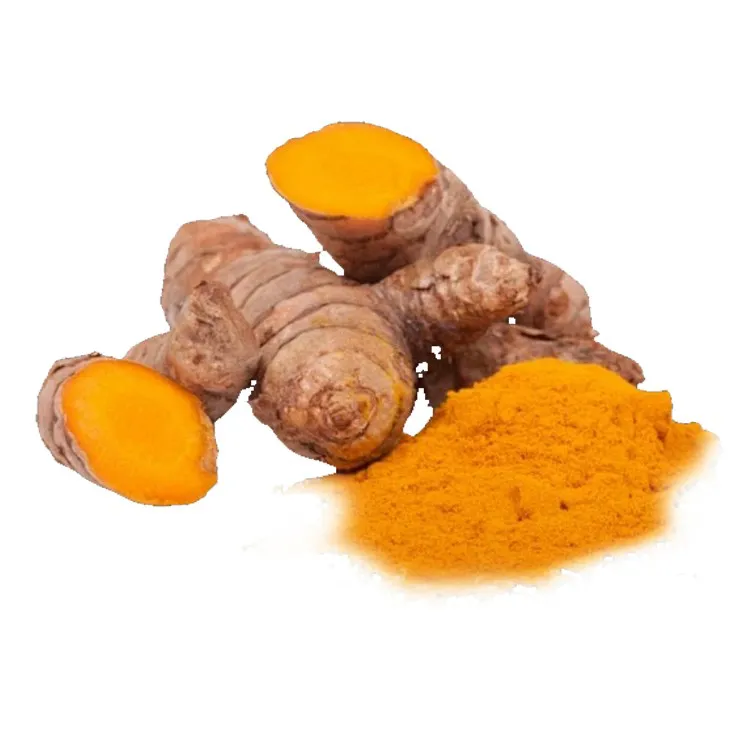
Curcumin, a natural polyphenol compound, is derived from turmeric (Curcuma longa). It has gained significant attention in recent years due to its numerous potential applications in medicine, food, and cosmetics. The extraction and processing of Curcumin to obtain a pure isolate are crucial steps in harnessing its full potential. However, this process is not without challenges.
2. The Importance of Curcumin
2.1 In Medicine
Curcumin has shown antioxidant, anti - inflammatory, and anti - cancer properties. Antioxidant activity helps in neutralizing free radicals in the body, which are associated with various diseases. Its anti - inflammatory properties make it a potential candidate for treating conditions such as arthritis. In cancer research, Curcumin has been studied for its ability to inhibit cancer cell growth and metastasis.

2.2 In Food
As a natural food colorant, Curcumin imparts a vibrant yellow color to food products. It is also used as a flavoring agent in many traditional cuisines. Additionally, due to its potential health benefits, it is being explored as a functional food ingredient. For example, in some health - conscious food products, Curcumin is added to enhance the nutritional profile.

2.3 In Cosmetics
Curcumin's antioxidant properties make it valuable in the cosmetics industry. It can be used in skincare products to protect the skin from oxidative damage caused by environmental factors such as UV radiation. It may also have anti - aging effects, as it helps in maintaining the skin's elasticity and reducing wrinkles.
3. Traditional Curcumin Processing and Extraction

3.1 Solvent Extraction
One of the traditional methods of Curcumin extraction is solvent extraction. Commonly used solvents include ethanol, methanol, and acetone. The process involves grinding the turmeric into a fine powder and then soaking it in the solvent for a certain period. The solvent dissolves the Curcumin along with other components present in the turmeric. After soaking, the mixture is filtered to separate the liquid extract containing Curcumin from the solid residue. However, this method has some limitations. The solvents used may be toxic, and it can be difficult to completely remove the solvent residues from the final Curcumin isolate. Moreover, the extraction efficiency may not be very high, resulting in a lower yield of pure Curcumin.
3.2 Soxhlet Extraction
The Soxhlet extraction method is another traditional approach. In this method, the turmeric sample is placed in a Soxhlet extractor, and a solvent is continuously circulated through the sample. This continuous extraction process can improve the extraction efficiency compared to simple solvent extraction. However, like solvent extraction, it also faces the problem of solvent toxicity and residue removal. Additionally, the Soxhlet extraction process can be time - consuming and energy - intensive.
4. Modern Curcumin Processing and Extraction Technologies

4.1 Supercritical Fluid Extraction (SFE)
Supercritical fluid extraction is a modern and more advanced technique for Curcumin extraction. In this method, a supercritical fluid, usually carbon dioxide (CO₂), is used as the extracting agent. The supercritical state of CO₂ has properties that are intermediate between a gas and a liquid, which makes it an excellent solvent for Curcumin extraction. The advantages of SFE are numerous. Firstly, CO₂ is non - toxic, non - flammable, and environmentally friendly. Secondly, the extraction process can be carried out at relatively low temperatures, which helps to preserve the bioactivity of Curcumin. Thirdly, the selectivity of SFE can be adjusted by changing the pressure and temperature conditions, allowing for a more targeted extraction of Curcumin and better separation from other components in the turmeric. However, the equipment for SFE is relatively expensive, which may limit its widespread application.
4.2 Microwave - Assisted Extraction (MAE)
Microwave - assisted extraction is another modern technique. In MAE, microwave energy is used to heat the turmeric - solvent mixture. This rapid heating method can significantly reduce the extraction time compared to traditional methods. The microwaves cause the molecules in the sample to vibrate, which enhances the mass transfer of Curcumin from the turmeric into the solvent. MAE also has the potential to improve the extraction efficiency and yield of Curcumin. However, one of the challenges with MAE is that it requires careful control of the microwave power and extraction time to avoid over - extraction or degradation of Curcumin.
4.3 Ultrasound - Assisted Extraction (UAE)
Ultrasound - assisted extraction utilizes ultrasonic waves to facilitate Curcumin extraction. The ultrasonic waves create cavitation bubbles in the solvent - turmeric mixture. When these bubbles collapse, they generate intense local pressure and temperature changes, which help to break down the cell walls of the turmeric and release the Curcumin. UAE has the advantages of being a relatively simple, cost - effective, and energy - efficient method. It can also improve the extraction rate and yield of Curcumin. However, similar to MAE, it needs to be optimized in terms of ultrasonic power, extraction time, and solvent - to - sample ratio to achieve the best results.
5. Challenges in Curcumin Extraction and Processing
- Low Yield: One of the main challenges is achieving a high yield of pure Curcumin. The Curcumin content in turmeric is relatively low, and during the extraction process, losses can occur due to incomplete extraction or degradation.
- Impurity Removal: Turmeric contains many other components such as oils, resins, and starches. Separating Curcumin from these impurities to obtain a pure isolate is a difficult task. Some of these impurities may have similar chemical properties to Curcumin, making the purification process more complex.
- Solvent - Related Issues: As mentioned earlier, in traditional solvent extraction methods, solvents can be toxic and difficult to completely remove from the final product. Even in modern extraction methods, the choice of solvent or extracting agent and its proper handling are crucial to ensure the safety and quality of the Curcumin isolate.
- Cost - Effectiveness: Some of the modern extraction technologies, such as supercritical fluid extraction, require expensive equipment. This can make the production of pure Curcumin isolates costly, especially for small - scale producers.
6. Solutions to the Challenges
- Optimization of Extraction Parameters: By carefully studying and optimizing parameters such as extraction time, temperature, solvent - to - sample ratio, and power (in the case of MAE and UAE), the yield of Curcumin can be improved. For example, in ultrasound - assisted extraction, finding the optimal ultrasonic power and extraction time can maximize the release of Curcumin from turmeric while minimizing degradation.
- Purification Techniques: Combining different purification techniques can help in obtaining a pure Curcumin isolate. For instance, after extraction, techniques such as chromatography (e.g., column chromatography) can be used to separate Curcumin from impurities. Crystallization is another method that can be employed to purify Curcumin.
- Green Solvents and Alternative Extracting Agents: Research is being conducted to find green solvents or alternative extracting agents that are both effective and safe. For example, some plant - based solvents or ionic liquids are being explored as potential substitutes for traditional toxic solvents.
- Scaling - Up and Cost - Reduction Strategies: For expensive extraction technologies like supercritical fluid extraction, strategies for scaling - up production to reduce the cost per unit of Curcumin isolate need to be developed. This may involve sharing equipment among producers or finding more cost - effective ways to operate the equipment.
7. Conclusion
Curcumin is a valuable compound with wide - ranging applications in medicine, food, and cosmetics. The extraction and processing of Curcumin to obtain a pure isolate are essential for realizing its full potential. While traditional methods have been used for a long time, modern technologies such as supercritical fluid extraction, microwave - assisted extraction, and ultrasound - assisted extraction offer new opportunities for more efficient and safer Curcumin extraction. However, challenges such as low yield, impurity removal, solvent - related issues, and cost - effectiveness still need to be addressed. By implementing the solutions discussed, such as optimizing extraction parameters, using purification techniques, exploring green solvents, and developing cost - reduction strategies, the production of pure Curcumin isolates can be improved, leading to greater utilization of this remarkable compound in various industries.
FAQ:
What are the traditional methods of Curcumin extraction?
Traditional methods of Curcumin extraction mainly include solvent extraction. For example, using organic solvents like ethanol or acetone. In these methods, turmeric powder is soaked in the solvent, and then through processes such as filtration and evaporation, Curcumin is obtained. However, traditional methods may have some drawbacks, such as relatively low purity and longer extraction time.
What are the modern techniques for Curcumin processing?
Modern techniques for Curcumin processing include supercritical fluid extraction. This method uses supercritical fluids, often carbon dioxide, which has properties between a gas and a liquid. It can effectively extract Curcumin with high purity. Another modern technique is microwave - assisted extraction, which uses microwave energy to enhance the extraction efficiency, reducing the extraction time compared to traditional methods.
Why is pure Curcumin isolate important in medicine?
Pure Curcumin isolate has shown various potential medicinal properties. It has antioxidant, anti - inflammatory, and anti - cancer properties. For example, in anti - inflammatory applications, it can inhibit certain inflammatory pathways in the body. In cancer research, it may have the potential to inhibit the growth of cancer cells, making it a valuable compound for drug development and research in the medical field.
What challenges are faced during Curcumin extraction?
During Curcumin extraction, one of the main challenges is achieving high purity. Curcumin exists in turmeric along with other substances, and separating it completely is difficult. Also, the extraction efficiency can be low, especially with traditional methods. Another challenge is cost - effectiveness. Some modern extraction techniques may be expensive due to the need for specialized equipment and complex processes.
How can the challenges in Curcumin extraction be overcome?
To overcome the challenges in Curcumin extraction, continuous research and development of new extraction techniques are crucial. For example, optimizing the parameters of modern extraction methods like supercritical fluid extraction can improve efficiency and purity. Additionally, combining different extraction methods may also be a solution. In terms of cost, finding more cost - effective solvents or energy sources for extraction can help make the process more economically viable.
Related literature
TAGS:


-

L-Arginine
2024-12-07
-

Acai Berry Extract
2024-12-07
-

Marigold Extract
2024-12-07
-

Garcinia Cambogia Extract
2024-12-07
-

Curcuma Longa Extract/Turmeric extract
2024-12-07
-

D-Mannose
2024-12-07
-

Natural grape seed extract
2024-12-07
-

Passionflower Extract
2024-12-07
-

White Willow Bark Extract
2024-12-07
-

Honeysuckle Pollen
2024-12-07