


1. Introduction to Astaxanthin
Astaxanthin is a powerful antioxidant that has been gaining significant attention in recent years. It is a type of carotenoid pigment, which is responsible for the red color in various organisms such as salmon, shrimp, and krill. Astaxanthin is not only responsible for the vibrant coloration but also plays a crucial role in the survival and well - being of these organisms. In the natural world, it serves as a form of protection against environmental stressors, such as ultraviolet radiation and oxidative damage.
2. Ingredients of Astaxanthin
2.1 Chemical Structure
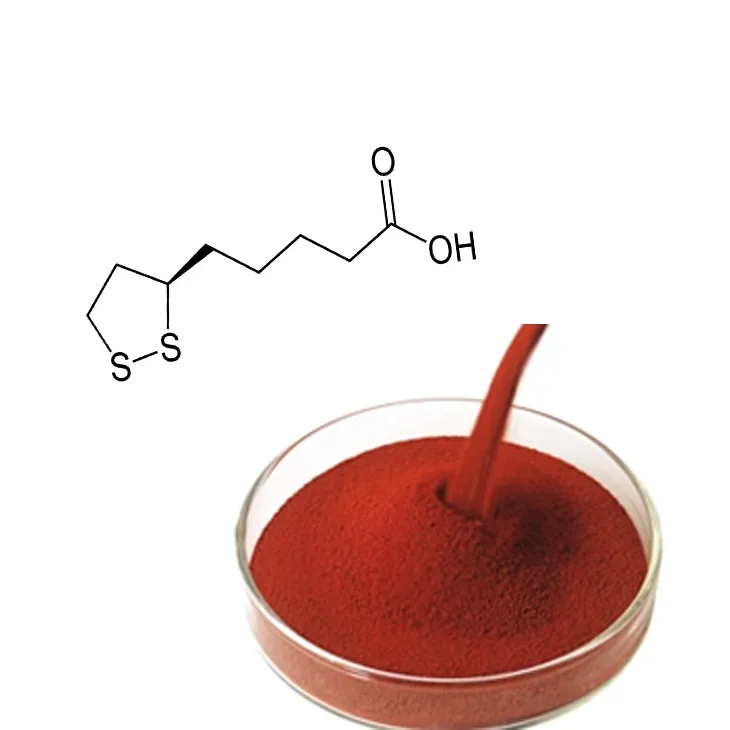
Astaxanthin has a unique chemical structure that contributes to its antioxidant properties. Its molecular formula is C40H52O4. The long carbon - chain structure with conjugated double bonds is a characteristic feature of carotenoids. In the case of Astaxanthin, it has a more complex structure compared to other common carotenoids like beta - carotene. This complex structure allows it to interact with free radicals in a more effective way, quenching them and preventing oxidative damage to cells.
2.2 Natural Sources
Astaxanthin can be sourced from both natural and synthetic means. Naturally, it is found in certain algae, such as Haematococcus pluvialis, which is one of the richest sources of Astaxanthin in nature. Algae - derived Astaxanthin is considered to be of high quality due to its natural production process. Additionally, it can also be obtained from marine organisms that consume these algae, such as salmon and krill. However, the extraction process from these natural sources can be complex and costly, which in turn affects its overall cost in the market.3. Cost of Astaxanthin

3.1 Factors Affecting Cost
The cost of Astaxanthin is influenced by several factors. One of the main factors is the source of production. As mentioned earlier, natural sources like Haematococcus pluvialis - based Astaxanthin can be more expensive to produce compared to synthetic Astaxanthin. The extraction and purification processes involved in obtaining Astaxanthin from natural sources are complex and require advanced technology, which adds to the cost.- Another factor is the scale of production. Larger - scale production facilities may be able to achieve economies of scale, reducing the cost per unit of Astaxanthin. However, setting up and maintaining such large - scale production facilities also requires significant investment.
- Quality control measures also impact the cost. Ensuring the purity and potency of Astaxanthin requires strict quality control procedures, which can be costly.

3.2 Cost Comparison in Different Markets
In different markets, the cost of Astaxanthin can vary significantly. In the health and dietary supplement markets in developed countries, where there is a high demand for high - quality and natural products, the price of Astaxanthin - based supplements can be relatively high. For example, in the United States and Europe, consumers are often willing to pay a premium for products containing natural Astaxanthin.- In contrast, in some emerging markets where the awareness of Astaxanthin's benefits is still relatively low, the cost may be lower due to lower demand. However, as awareness grows in these markets, the cost is likely to increase as well.
- Also, in the cosmetic industry, the cost of Astaxanthin - incorporated products can vary depending on the brand, the concentration of Astaxanthin used, and the target market segment. High - end cosmetic brands that use Astaxanthin in their anti - aging and skin - enhancing products may charge a higher price compared to mass - market cosmetic products.
4. Advantages of Using Astaxanthin
4.1 Antioxidant Activity
Astaxanthin is renowned for its exceptionally strong antioxidant activity. It is much more powerful than other well - known antioxidants such as Vitamin C, vitamin E, and beta - carotene. Antioxidants play a vital role in the body by neutralizing free radicals, which are unstable molecules that can cause oxidative stress. Oxidative stress is linked to a wide range of health problems, including aging, heart disease, cancer, and neurodegenerative diseases.- Astaxanthin can scavenge free radicals in multiple ways, thanks to its unique chemical structure. It can directly interact with free radicals and donate electrons to stabilize them, preventing them from causing damage to cells and tissues.
- Moreover, it can protect cell membranes from oxidative damage. Cell membranes are made up of lipids, which are particularly vulnerable to free - radical attack. Astaxanthin can be incorporated into cell membranes, acting as a shield against oxidative damage and maintaining the integrity of the cell membrane.
4.2 Protection of Cells
- Astaxanthin has been shown to protect cells from various types of damage. For example, it can protect nerve cells from damage caused by oxidative stress and inflammation. In neurodegenerative diseases such as Alzheimer's and Parkinson's, oxidative stress and inflammation play a significant role in the progression of the disease. By reducing oxidative stress and inflammation, Astaxanthin may potentially slow down the progression of these diseases.
- It also protects skin cells. Exposure to ultraviolet (UV) radiation from the sun can cause damage to skin cells, leading to premature aging, sunburn, and an increased risk of skin cancer. Astaxanthin can absorb UV radiation and neutralize the free radicals generated by UV exposure, protecting the skin cells from damage.
- In addition, Astaxanthin can protect the cells of the eye. The eyes are constantly exposed to oxidative stress due to factors such as light exposure and environmental pollutants. Astaxanthin can accumulate in the retina and other parts of the eye, protecting the eye cells from oxidative damage and potentially reducing the risk of age - related macular degeneration and cataracts.
4.3 Applications in Beauty and Health Fields
- In the beauty field, Astaxanthin has become a popular ingredient in skincare products. Its antioxidant and cell - protecting properties make it ideal for anti - aging products. It can reduce the appearance of wrinkles, improve skin elasticity, and give the skin a more youthful and radiant appearance. Many high - end skincare brands are now incorporating Astaxanthin into their products, such as creams, serums, and masks.
- In the health field, Astaxanthin has a wide range of potential benefits. It may improve cardiovascular health by reducing inflammation in the blood vessels and improving lipid profiles. It can also enhance the immune system, helping the body to fight off infections more effectively. Some studies have also suggested that Astaxanthin may have anti - cancer properties, although more research is needed in this area.
- Astaxanthin is also beneficial for athletes and those who engage in regular physical activity. It can reduce muscle fatigue and improve exercise performance. It does this by reducing oxidative stress in the muscles during exercise, allowing the muscles to recover more quickly and perform better during subsequent workouts.
5. Conclusion
Astaxanthin is a remarkable compound with unique ingredients, a complex cost structure, and numerous advantages. Its special chemical structure gives it powerful antioxidant and cell - protecting abilities. While the cost of Astaxanthin can be high, especially for high - quality natural sources, its potential benefits in the beauty and health fields make it an increasingly popular ingredient. As research continues to uncover more about Astaxanthin's properties and applications, it is likely to become even more important in the fields of nutrition, cosmetics, and medicine.
FAQ:
What are the main ingredients in Astaxanthin?
Astaxanthin is a carotenoid pigment. Its main ingredient is a complex chemical structure consisting of carbon, hydrogen, and oxygen atoms. It has a unique molecular configuration that gives it its characteristic properties.
How does the cost of Astaxanthin vary?
The cost of Astaxanthin can vary significantly. It depends on factors such as the source of production (natural or synthetic), the production scale, and the quality standards. For example, natural Astaxanthin, which is often obtained from microalgae or certain crustaceans, can be more expensive due to the complex extraction processes involved. Synthetic Astaxanthin, on the other hand, may be produced at a lower cost in large - scale industrial settings, but it may not have the same quality and bioavailability as the natural form.
What makes Astaxanthin a strong antioxidant?
Astaxanthin's antioxidant properties stem from its molecular structure. It has the ability to neutralize free radicals by donating electrons without becoming a harmful radical itself. Its conjugated double - bond system allows it to absorb and dissipate excess energy, thereby protecting cells from oxidative damage. This makes it a very powerful antioxidant compared to other substances.
How does Astaxanthin protect cells?
Astaxanthin protects cells in multiple ways. Firstly, as an antioxidant, it scavenges free radicals that can otherwise damage cellular components such as membranes, DNA, and proteins. Secondly, it can modulate cell signaling pathways related to inflammation and cell survival. By reducing oxidative stress and inflammation within cells, it helps maintain the normal function and integrity of cells.
What are the potential benefits of Astaxanthin in the beauty industry?
In the beauty industry, Astaxanthin has several potential benefits. It can help improve skin elasticity and reduce the appearance of wrinkles as it protects the skin cells from oxidative damage. It also has anti - inflammatory properties that can soothe irritated skin. Additionally, it may contribute to a more even skin tone by reducing the formation of melanin, which is responsible for skin pigmentation.
Related literature
- Astaxanthin: A Promising Antioxidant for Health and Beauty"
- "The Chemistry and Biological Activity of Astaxanthin"
- "Cost - effectiveness Analysis of Astaxanthin Production"


-

L-Theanine Powder
2024-12-09
-

Purple Sweet Potato Extract
2024-12-09
-

L-carnitine
2024-12-09
-

Tongkat Ali Extract Powder
2024-12-09
-

D-Mannose
2024-12-09
-

Horse Chestnut Extract
2024-12-09
-

Apricot Powder
2024-12-09
-

Epimedium extract powder
2024-12-09
-

Alfalfa Meal
2024-12-09
-

Phellodendron Extract
2024-12-09