


1. Introduction
In the B2B (business - to - business) industry, Jujube Extract powder has been emerging as a product of great significance. As the demand for natural and nutrient - rich substances grows in various sectors such as food, pharmaceuticals, and cosmetics, Jujube Extract powder has attracted increasing attention. This article aims to comprehensively analyze why it is considered to be of excellent quality in the B2B realm.
2. High - Quality Raw Material Selection
2.1 The Importance of Jujube as a Raw Material
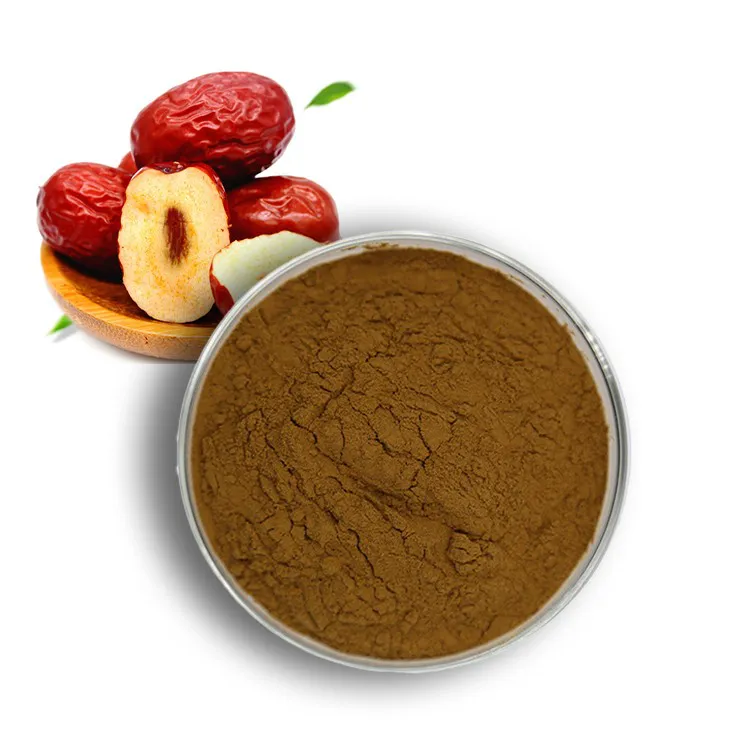
Jujubes, also known as Chinese dates, have a long history of being used in traditional medicine and cuisine in many Asian countries. They are rich in a variety of nutrients, including vitamins (such as Vitamin C, vitamin B - complex), minerals (such as potassium, iron), and bioactive compounds (such as flavonoids, polysaccharides). These nutrients play crucial roles in promoting human health, for example, Vitamin C is an antioxidant that helps protect cells from damage, and iron is essential for hemoglobin formation.
2.2 Stringent Selection Criteria
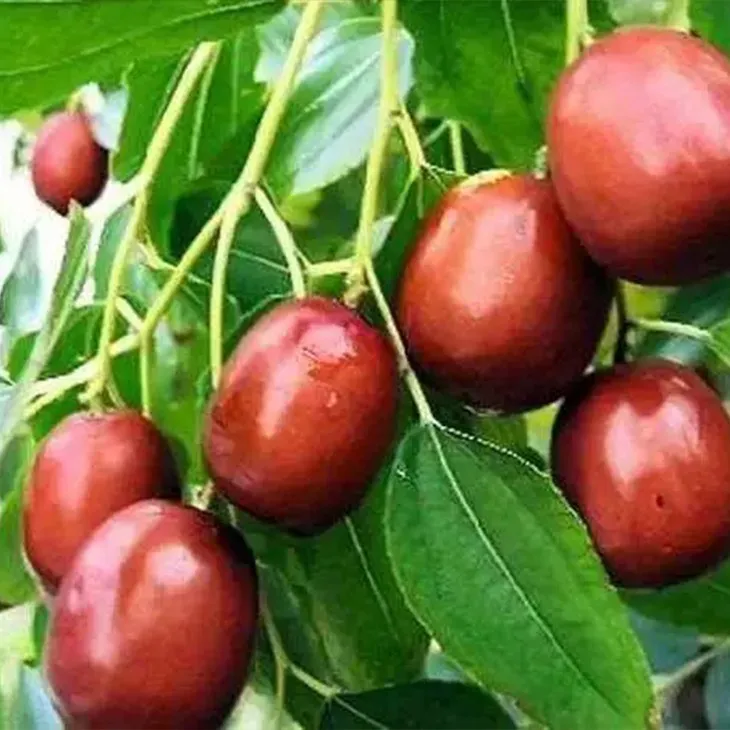
In the B2B production of Jujube Extract powder, only high - quality jujubes are chosen. Producers typically look for jujubes that are:- Fully Ripened: Fully ripened jujubes contain higher levels of nutrients and bioactive substances. For example, the content of polysaccharides, which are known for their immunomodulatory effects, is often higher in fully ripened fruits.
- Free from Defects: This means no signs of disease, insect damage, or physical deformities. Jujubes with such problems may have reduced nutrient content or may introduce contaminants during the extraction process.
- Grown in Ideal Environments: Jujubes grown in suitable soil, climate, and with proper agricultural practices tend to have better quality. For instance, jujubes grown in regions with sufficient sunlight and appropriate soil pH are more likely to accumulate higher levels of beneficial compounds.
3. Advanced Extraction Techniques

3.1 Preservation of Active Ingredients
Advanced extraction techniques are crucial in ensuring the quality of Jujube Extract powder. One of the main goals is to effectively preserve the active ingredients present in jujubes. For example, modern extraction methods are designed to minimize the degradation of flavonoids during the extraction process. Flavonoids are known for their antioxidant, anti - inflammatory, and cardiovascular - protective properties. If these compounds are damaged during extraction, the overall quality and efficacy of the Jujube Extract powder will be significantly reduced.

3.2 Types of Extraction Techniques
There are several extraction techniques commonly used in the production of Jujube Extract powder in the B2B industry:- Solvent Extraction: This is a traditional and widely used method. It involves using solvents such as ethanol or water to extract the soluble components from jujubes. The choice of solvent is critical as it can affect the yield and quality of the extract. Ethanol, for example, is often preferred for extracting lipophilic compounds, while water is suitable for hydrophilic substances.
- Supercritical Fluid Extraction: This relatively new technique uses supercritical fluids, such as supercritical carbon dioxide. Supercritical fluids have properties between those of a gas and a liquid, which allows for more selective and efficient extraction. It can extract active ingredients with high purity while leaving behind unwanted substances. Moreover, it is considered a more environmentally friendly method as it reduces the use of organic solvents.
- Ultrasonic - Assisted Extraction: Ultrasonic waves are applied during the extraction process. This helps to break down the cell walls of jujubes more effectively, increasing the release of intracellular components. As a result, it can improve the extraction efficiency and shorten the extraction time, while also helping to preserve the integrity of the active ingredients.
4. Strict Quality Control in the B2B Production Process
4.1 Raw Material Procurement Quality Control
In the B2B context, strict quality control starts from the procurement of raw materials. Producers have a set of standards and procedures to ensure the quality of the jujubes they purchase. This includes:- Supplier Auditing: Producers regularly audit their suppliers to ensure that they follow good agricultural practices. For example, they check if the suppliers use pesticides and fertilizers in accordance with regulations, and if they have proper storage and handling facilities for jujubes.
- Sampling and Testing: Random samples of jujubes are taken from each batch during procurement. These samples are tested for various parameters such as nutrient content, pesticide residues, and heavy metal levels. Only jujubes that meet the specified quality criteria are accepted for further processing.
4.2 In - Process Quality Control
During the production process of Jujube Extract powder, continuous quality control measures are implemented:- Monitoring of Extraction Parameters: Parameters such as temperature, pressure, and extraction time are closely monitored during extraction. Deviations from the optimal values can affect the quality of the extract. For example, if the extraction temperature is too high in solvent extraction, it may lead to the degradation of some heat - sensitive active ingredients.
- Intermediate Product Testing: At various stages of production, intermediate products are tested. For example, after the initial extraction, the extract is tested for its active ingredient content, purity, and microbiological quality. If any problems are detected, appropriate corrective actions can be taken immediately.
4.3 Final Product Quality Control
Before the Jujube Extract powder is packaged and sold in the B2B market, final quality control checks are carried out:- Specification Compliance: The final product is compared against pre - defined quality specifications. These specifications cover aspects such as the content of key active ingredients, moisture content, particle size, and solubility. Any product that does not meet these requirements is rejected.
- Packaging Quality: The packaging of the Jujube Extract powder is also an important part of quality control. The packaging material should be able to protect the product from moisture, light, and oxygen, which can degrade the quality of the extract powder over time. Additionally, proper labeling is required to provide accurate information about the product, including its composition, usage instructions, and shelf - life.
5. Conclusion
In the B2B industry, the high quality of Jujube Extract powder is the result of multiple factors working together. The careful selection of high - quality jujubes as raw materials, the application of advanced extraction techniques, and the strict implementation of quality control standards throughout the production process all contribute to its excellent quality. This makes Jujube Extract powder a highly desirable product in various B2B sectors, such as the food, pharmaceutical, and cosmetic industries, where quality and consistency are of utmost importance.
FAQ:
Q1: What are the main nutrients in high - quality Jujube Extract powder?
High - quality Jujube Extract powder contains various nutrients. It is rich in vitamins such as Vitamin C, which is important for antioxidant functions. It also contains minerals like potassium, which is beneficial for maintaining normal heart function and fluid balance in the body. Additionally, it has bioactive compounds like flavonoids that contribute to its health - promoting properties.
Q2: How do advanced extraction techniques ensure the quality of Jujube Extract powder?
Advanced extraction techniques play a crucial role in ensuring the quality of Jujube Extract powder. These techniques are designed to precisely isolate and preserve the active ingredients. For example, they can use specific solvents and extraction conditions to extract the maximum amount of beneficial compounds while minimizing the degradation of these components. This helps to maintain the integrity of the nutrients and bioactive substances in the Jujube Extract powder.
Q3: What kind of strict quality control standards are there in the B2B production of Jujube Extract powder?
In the B2B production of Jujube Extract powder, strict quality control standards are applied at every stage. In the raw material procurement stage, only high - quality red dates are selected, and they are inspected for factors such as freshness, size, and absence of pests or diseases. During the production process, parameters like temperature, pressure, and extraction time are closely monitored to ensure consistency and quality. In the packaging stage, the packaging materials are chosen to protect the product from moisture, light, and other factors that could degrade its quality.
Q4: Can you give some examples of how the quality of Jujube Extract powder affects its application in different industries?
In the food industry, high - quality Jujube Extract powder can be used as a natural flavor enhancer and a source of nutrition in products like energy bars, breakfast cereals, and beverages. Its quality affects the taste, nutritional value, and shelf - life of these products. In the pharmaceutical industry, the purity and activity of the Jujube Extract powder are crucial. High - quality powder can be used in the development of herbal remedies or dietary supplements, as it is more likely to have the desired therapeutic effects.
Q5: How can B2B buyers verify the quality of Jujube Extract powder?
B2B buyers can verify the quality of Jujube Extract powder in several ways. They can request detailed product specifications from the suppliers, including information on the source of the red dates, the extraction process, and the quality control measures. They can also ask for samples and conduct their own tests, such as analyzing the nutrient content or checking for contaminants. Additionally, they can look for certifications from recognized third - party organizations that indicate compliance with certain quality standards.
Related literature
- The Quality Evaluation of Jujube Extract in Modern B2B Market"
- "Advanced Techniques in Jujube Extract Powder Production for B2B"
- "Quality Control and Assurance in B2B Jujube Extract Powder Industry"


-

Cranberry Extract
2024-12-15
-

Reishi mushroom extract
2024-12-15
-

Oat Straw Extract Powder
2024-12-15
-

Bamboo Leaf extract
2024-12-15
-

Artichoke Leaf Extract
2024-12-15
-

Cocoa Extract
2024-12-15
-

Maitake Mushroom Extract
2024-12-15
-

Andrographis Paniculata Extract Powder
2024-12-15
-

Mango flavored powder
2024-12-15
-

Golden Seal Extract
2024-12-15